


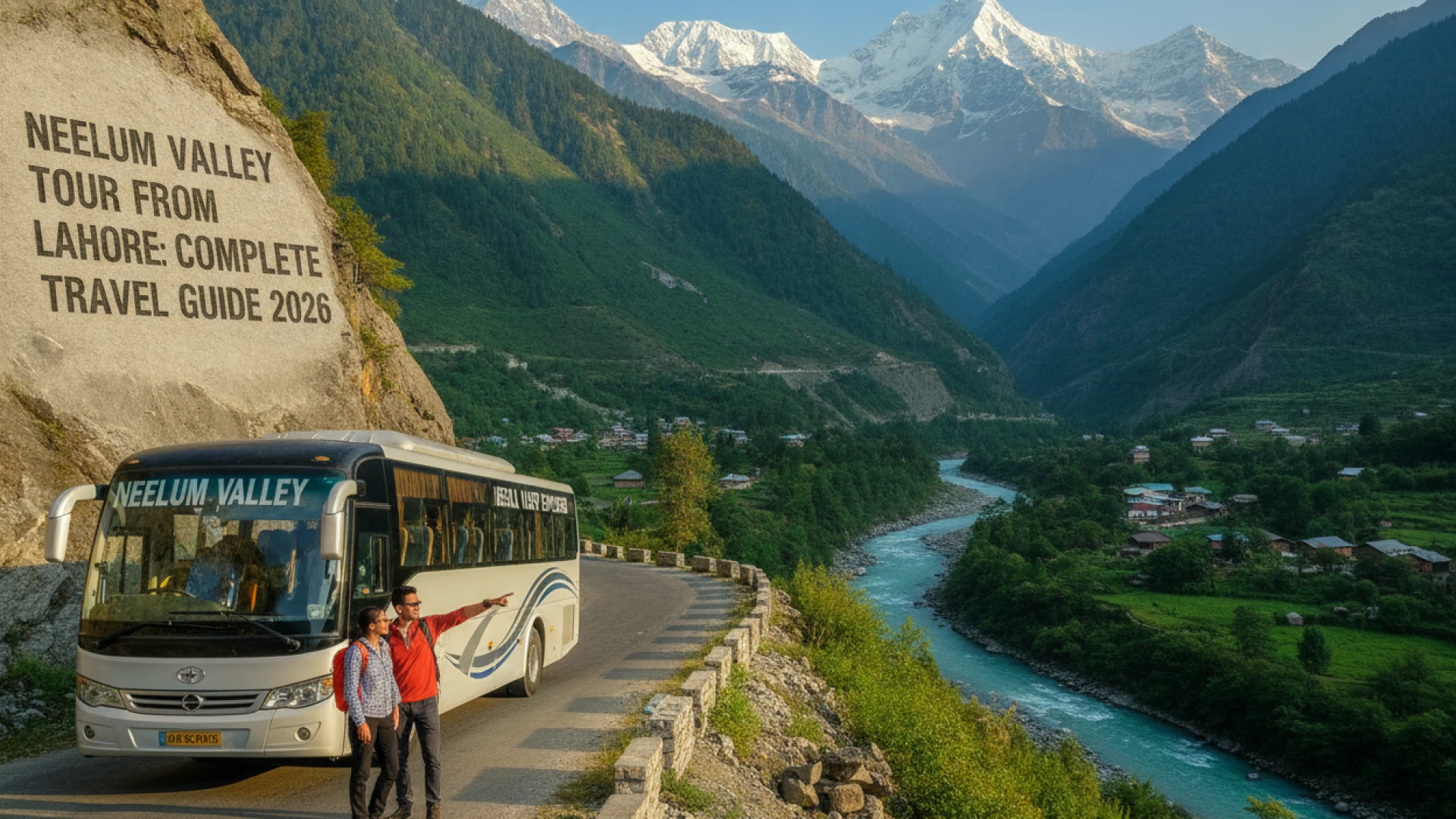

What Makes Traveling to Pakistan in 2027 Different?
If you last researched a trip to northern Pakistan a few years ago, scrap your notes. The days of agonizing eighteen-hour journeys over landslide-prone gravel just to reach a baseline trailhead are largely behind us. Planning a route around the most beautiful places in Pakistan 2027 feels fundamentally distinct: you spend less time surviving the transit and far more time actually taking in the landscape.
A massive push in regional infrastructure has transformed how outsiders navigate the country. Skardu and Gilgit now handle reliable daily flights on expanded schedules, while newly surfaced bypasses link once-isolated valleys in Khyber Pakhtunkhwa directly to the Karakoram Highway. Logistics on the ground are smoother, too. The revamped e-Visa system handles entries in days rather than weeks, automated gates speed up arrivals in Islamabad and Lahore, and localized 5G coverage keeps you connected even in base hubs like Hunza.
Yet, easier access has brought real growing pains. To counter the strain on delicate alpine ecosystems, tourism boards across Gilgit-Baltistan and Khyber Pakhtunkhwa have rolled out strict sustainable tourism rules. You will run into mandatory carry-in, carry-out waste audits, daily visitor quotas on sensitive meadows like Fairy Meadows and Deosai, and enforced local guide requirements for off-grid circuits. These steps protect the valleys, but they mean you cannot just show up spontaneously in peak season and expect a bed.
Getting the timing right is your biggest tactical decision:
Northern alpine zones (May to September): High passes like Babusar open reliably by late June. Aim for September if you want stable autumn weather, thin crowds, and crisp mountain visibility without midsummer heat.
Southern heritage corridors (November to February): Exploring the historic forts of Cholistan, the ruins of Mohenjo-daro, or coastal Makran during the summer is an exhausting mistake. Save the south for the cooler winter months.

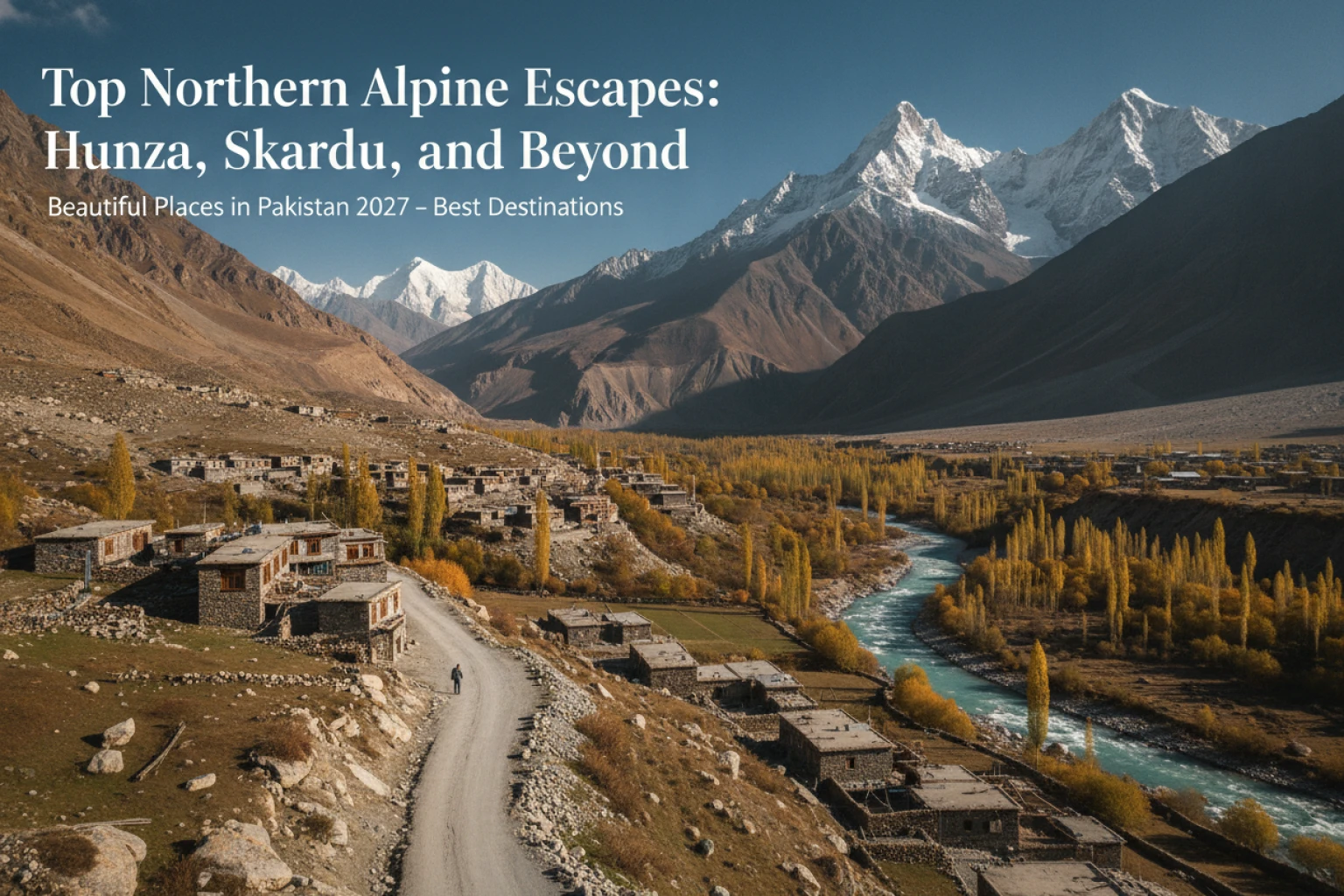
Top Northern Alpine Escapes: Hunza, Skardu, and Beyond
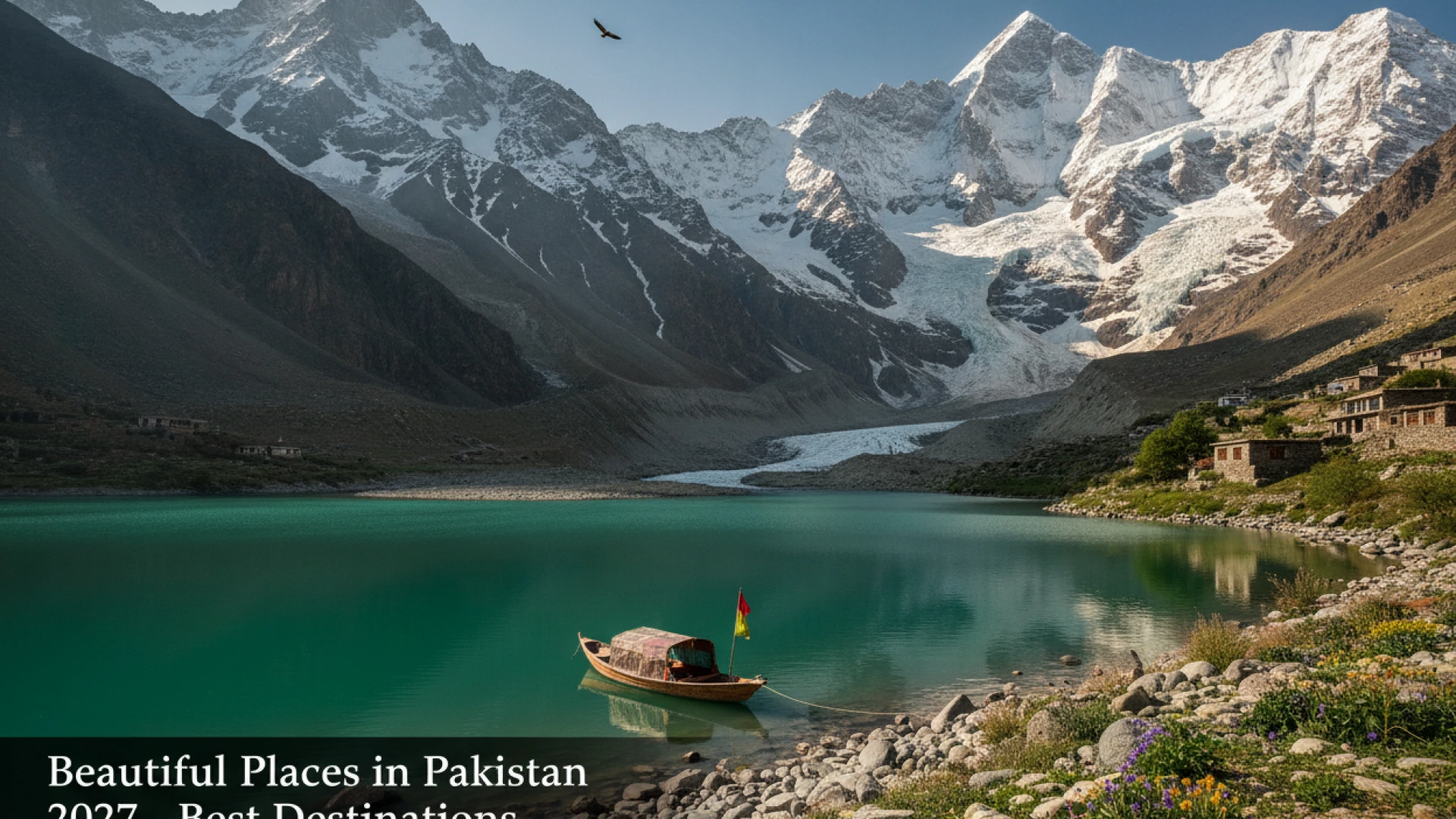
If you are mapping out the most beautiful places in Pakistan 2027, the deep north remains the undisputed heavyweight.
Hunza Valley sets the standard for alpine heritage. Walking through the restored Baltit and Altit Forts gives you a grounded look at how mountain communities thrived here centuries ago, well before modern infrastructure arrived. Further up toward Gojal, the serrated cathedral spires of the Passu Cones dominate the skyline, offering dramatic day hikes without needing technical mountaineering gear.
Skardu shifts the landscape entirely. It is famous as the gateway for serious expeditions heading toward the base camps of K2 and Broad Peak, but non-climbers come for its surreal geography. Standing in the Katpana Desert—a high-altitude sandbox framed by snow-dusted peaks—feels completely alien.
For travelers who feel central Hunza is getting too commercialized, the real magic lies on the fringes:
- Shimshal Valley: Accessible only by a cliff-clinging jeep track, it remains home to seasoned Wakhi high-altitude porters and untouched pastures.
- Chapursan Valley: Near the Afghan border, this valley offers homestays centered around Sufi shrine traditions and zero tourist crowds.
Getting up here still demands a hard logistics choice. You can book an ATR flight from Islamabad to Gilgit or Skardu, cutting travel down to an hour. The catch? Flights are strictly visual; a patch of low clouds or wind shear means instant cancellation.
The alternative is driving the Karakoram Highway (KKH). Expect a grueling 16 to 20 hours behind the wheel across rough mountain terrain. If you have rigid dates, build at least two buffer days into your itinerary. Trying to squeeze Skardu or Hunza into a tight, four-day window is the easiest way to spend your entire holiday stranded at an airport terminal.
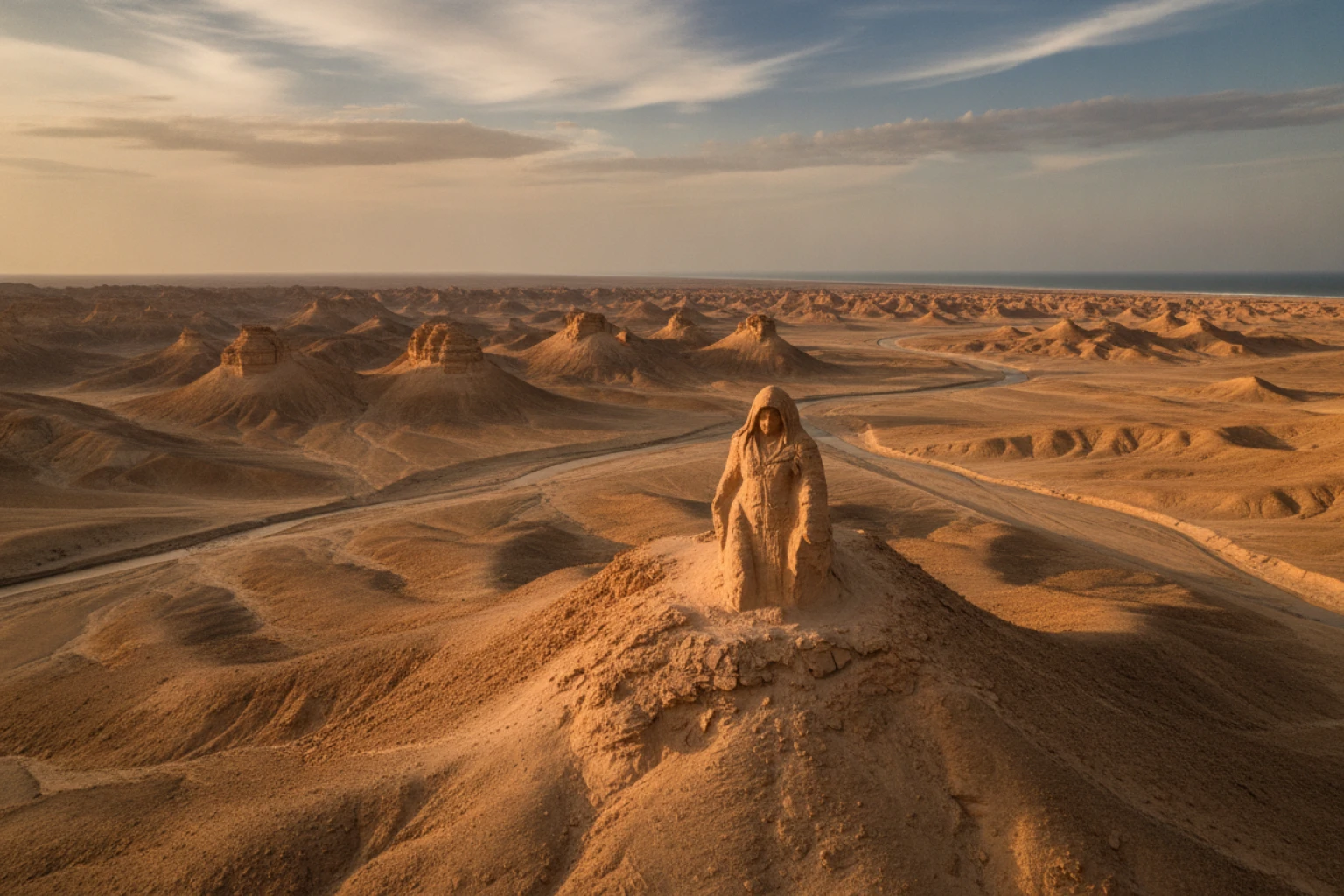
Underrated Natural Wonders: Balochistan’s Untamed Landscapes
Most travelers obsess over the northern peaks, but if you want raw, cinematic solitude, head south. Balochistan’s coastline remains one of the most compelling frontiers for exploring the most beautiful places in Pakistan 2027, trading alpine meadows for dramatic desert-meets-ocean terrain.
The journey starts on the Makran Coastal Highway (N10). Recent infrastructure work, expanded fuel waypoints, and reinforced coastal embankments have turned what used to be an arduous trek into one of the smoothest, most scenic drives in South Asia.
Along this route lies Hingol National Park, home to surreal, wind-sculpted geography. You will spot the iconic Princess of Hope standing tall above the ridges, alongside the natural Balochistan Sphinx. Inland, the park’s bubbling mud volcanoes—like Chandragup—feel more like Mars than the Subcontinent.
Further west, off the fishing port of Pasni, sits Astola Island (Jezira Haft Talar). It is an uninhabited ecotourism haven defined by sheer white cliffs, turquoise coves, and nighttime waters that glow with blue bioluminescence.
That said, do not treat Balochistan as an impromptu road trip. The terrain is unforgiving, and services drop off rapidly between hubs.
Essential Logistics for Coastal Travel:
- Permits and Checkpoints: Foreign passport holders often require a No Objection Certificate (NOC) or prior clearance from local authorities. Keep physical copies of your CNIC or passport handy for coastal security posts.
- Navigation: Cell coverage vanishes outside main settlements. Download offline maps and never deviate onto unmarked salt flats without a 4×4.
- Guided Support: Visiting Astola requires hiring a seaworthy boat from Pasni. Work with experienced local tour operators who carry proper satellite communication, life jackets, and fresh water reserves.
Skip the monsoon season (June to August) when rough seas make boat crossings hazardous. Aim for November through February to experience these prehistoric coastlines at their absolute best.
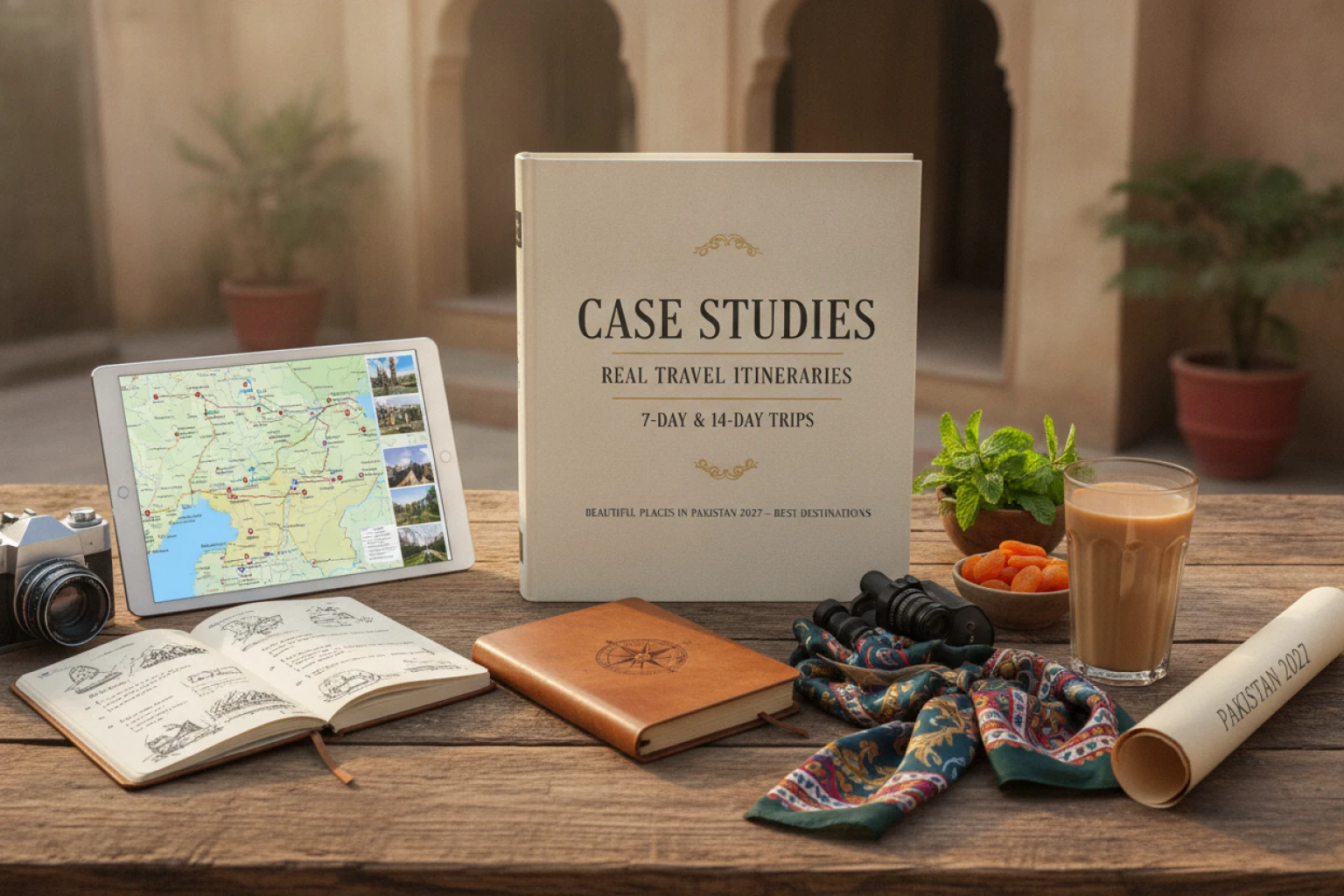
Case Studies: Real Travel Itineraries for 7-Day and 14-Day Trips
Mapping out the most beautiful places in Pakistan 2027 requires honest pacing. Distances on paper look deceivingly short, but mountain roads will humble any rush job. Here is how to structure your route depending on your window.
The 7-Day Northern Highlights Route
If you only have a week, do not try to see everything. Fly into Islamabad and head straight up the Karakoram Highway (KKH) toward Central Hunza (Karimabad and Passu) via the Babusar Pass, open roughly from late June to October.
- Days 1–2: Islamabad to Naran (or Chilas if Babusar is closed), breaking the drive along the Kunhar River.
- Days 3–5: Base yourself in Karimabad. Catch sunrise over Rakaposhi, walk the historic Baltit Fort, and push an hour north to the dramatic Passu Cones and Attabad Lake.
- Days 6–7: Return drive to Islamabad via the Hazara Motorway for your flight out.
The 14-Day Trans-Regional Expedition
Two weeks lets you stitch together cultural plains, alpine crossings, and coastal wilderness.
Start with two days soaking in Mughal history across Lahore’s Walled City before flying north to Skardu. Spend four days exploring the cold deserts of Katpana and Shigar, then cross the 4,000-meter Deosai National Park plateau into Astore and Hunza.
Watch your elevation profile: Never rush straight onto Deosai from the lowlands. Spend at least two nights in Skardu town (2,200m) to acclimatize, drink plenty of water, and keep Diamox on hand. Rushing this crossing is a classic rookie mistake that guarantees altitude sickness.
From Gilgit, fly down to Karachi and dedicate your final three days to cruising the Makran Coastal Highway in Balochistan, visiting the natural rock formations of Hingol National Park and the pristine beaches of Ormara.
Logistics: Self-Drive vs. Chauffeured 4×4
Renting a self-drive vehicle might tempt road-trippers, but unless you have handled heavy rockfall zones and aggressive alpine passes, hire a local driver.
A chauffeured Toyota Prado or HiAce typically runs between $70 and $120 per day, covering the driver’s lodge and food. It spares you the stress of blind switchbacks and local mechanical emergencies.
Keep your tank topped up. While fuel stations are frequent along the main KKH, stretches like Deosai, the upper Shimshal Valley, and western Balochistan have long dry zones where you will rely on unfiltered roadside bottle fuel if you cut it too close.
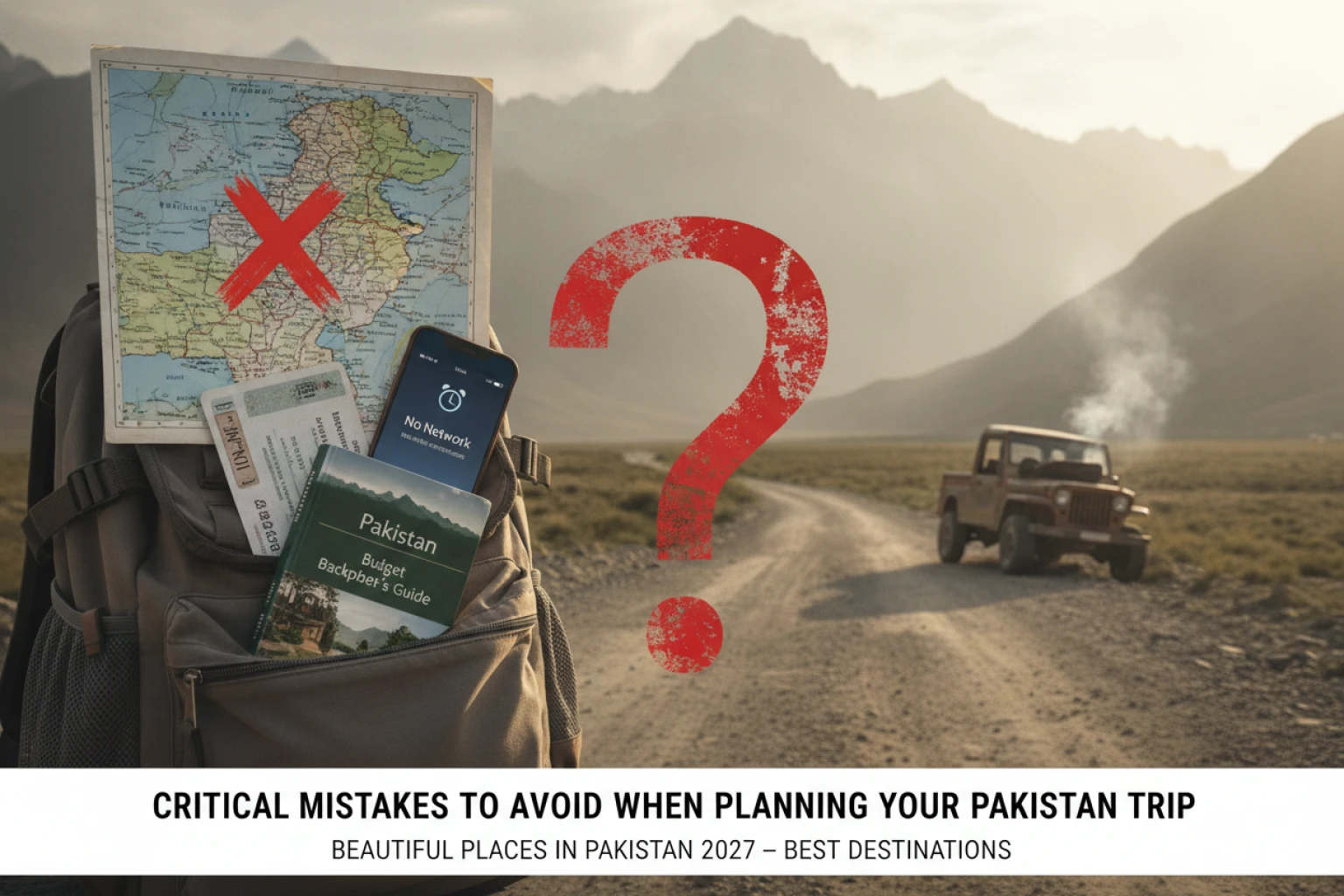
Critical Mistakes to Avoid When Planning Your Pakistan Trip
Exploring the most beautiful places in Pakistan 2027 requires more than just pinning coordinates on a map. High-altitude geography and local nuances can derail an itinerary fast if you overlook on-the-ground realities.
The biggest pitfall is underestimating the weather. The northern valleys don’t operate on standard tourist calendars. Visiting the Karakoram or Hindu Kush during the peak monsoon months of July and August often means navigating washed-out roads and sudden landslips along the Karakoram Highway. Come late October, high-altitude passes like Babusar close without warning under heavy snow, instantly turning an eight-hour drive into a twenty-hour detour through Kohistan.
Beyond route planning, keep these common missteps on your radar:
Relying on plastic and digital wallets International Visa and Mastercard credit cards work fine in Islamabad or Lahore, but they become useless paperweights past Abbottabad or Gilgit. ATMs in towns like Skardu frequently run dry or lose power. Always carry enough hard Pakistani Rupees (PKR) in smaller denominations to cover your fuel, park permits, roadside dhabas, and local 4×4 jeeps.
Misjudging cultural boundaries While hospitality is legendary, modesty is non-negotiable. Loose clothing covering shoulders and knees is the standard for everyone. In conservative pockets of Khyber Pakhtunkhwa or rural Gilgit-Baltistan, always ask before pointing a camera at people—especially women. When entering mosques or shrines, women must cover their heads, and everyone removes their shoes.
Booking unverified fixers Do not hire unregistered guides off social media forums just to save a few dollars. Mountain travel carries real risks, from altitude sickness to mechanical breakdowns in the middle of nowhere. Book exclusively through operators licensed by the government’s Department of Tourist Services (DTS). Verified guides have the local connections and protocol training to handle unexpected roadblocks, medical evacuations, and security checkpoints without leaving you stranded.
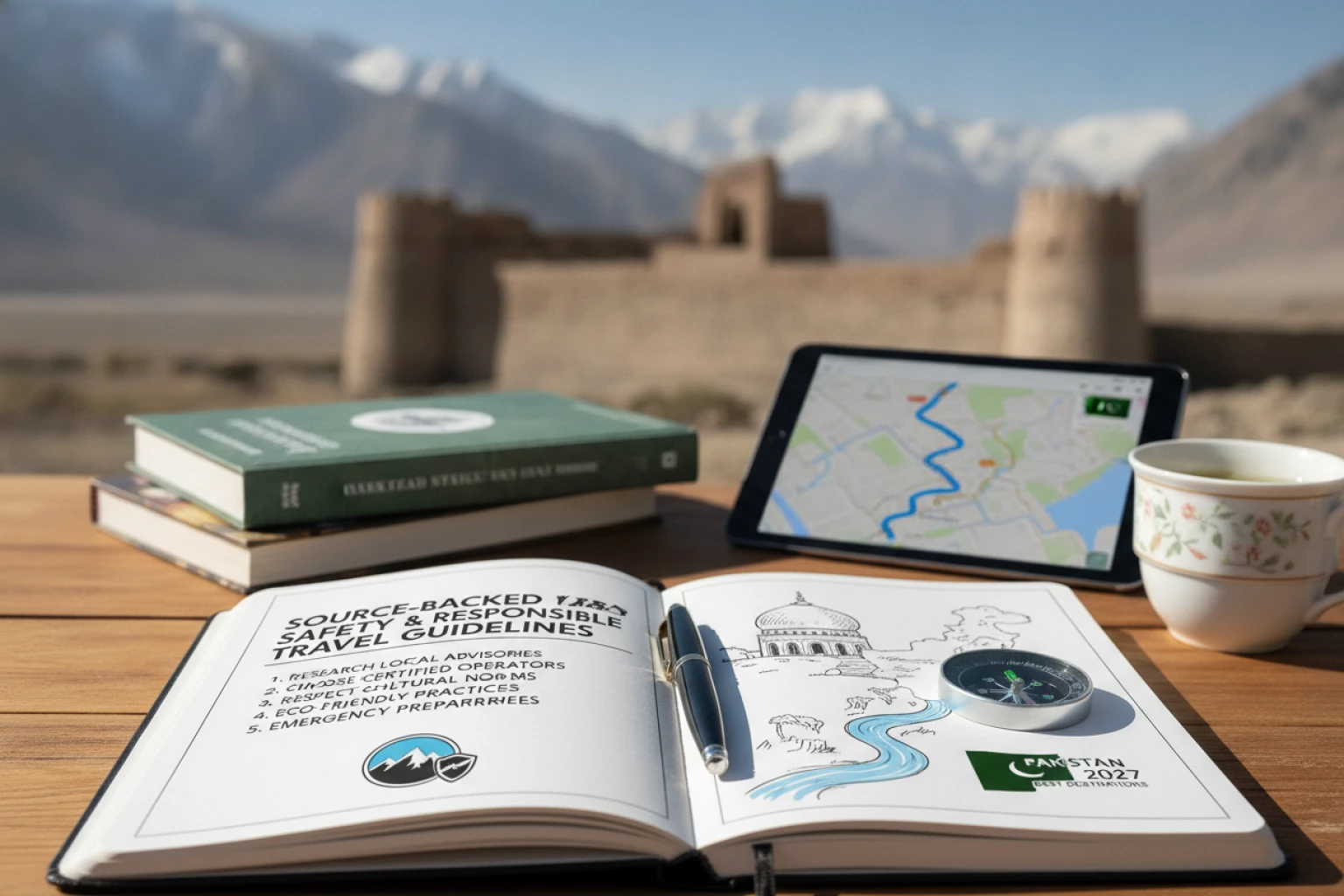
Source-Backed Safety and Responsible Travel Guidelines
Navigating the logistics of the north requires balancing official advisories against what is actually happening on the Karakoram Highway. While the UK Foreign, Commonwealth & Development Office (FCDO) and the US State Department maintain broad warnings for border belts, tourist hubs like Hunza, Skardu, and the Swat Valley operate with stable, everyday policing. Don’t let blanket country warnings cancel your trip, but never wander off-grid without verifying local checkposts first.
High-altitude itineraries carry real risks that standard travel insurance won’t touch. If you are trekking above 3,000 meters in the Karakoram or Hindukush ranges, secure an insurance policy that explicitly guarantees Askari Aviation helicopter evacuation. They handle high-altitude extraction in Pakistan, and without an upfront cash deposit or vetted underwriter guarantee, flights stay grounded. For ground-level emergencies, keep in mind that primary trauma care sits at regional bases: Combined Military Hospitals (CMH) in Gilgit and Skardu are your best facilities before an emergency transfer to Islamabad.
The surge of visitors to fragile ecosystems has pushed conservation to a breaking point. Follow WWF-Pakistan’s high-altitude protocols: pack out all non-biodegradable waste, especially around Concordia and the fragile margins of the Baltoro Glacier. Single-use plastics are banned across several northern districts, and burning trash at sub-zero campouts contaminates vital runoff for downstream communities. Stick to designated campsites and switch to kerosene or gas instead of burning local juniper wood.
Before locking in your route through the most beautiful places in Pakistan 2027 brings to light, clear your paperwork through official channels:
Entry Visas: Use only the official Pakistan Online Visa System (visa.nadra.gov.pk). Avoid commercial third-party portals.
Special Permits: Border zones, parts of Gilgit-Baltistan near the Line of Control, and deep valleys in Chitral require a No Objection Certificate (NOC) issued by the Ministry of Interior.
Local Registration: Always carry at least ten physical photocopies of your passport and visa; rural police checkpoints along the Indus gorge still log tourists by hand.
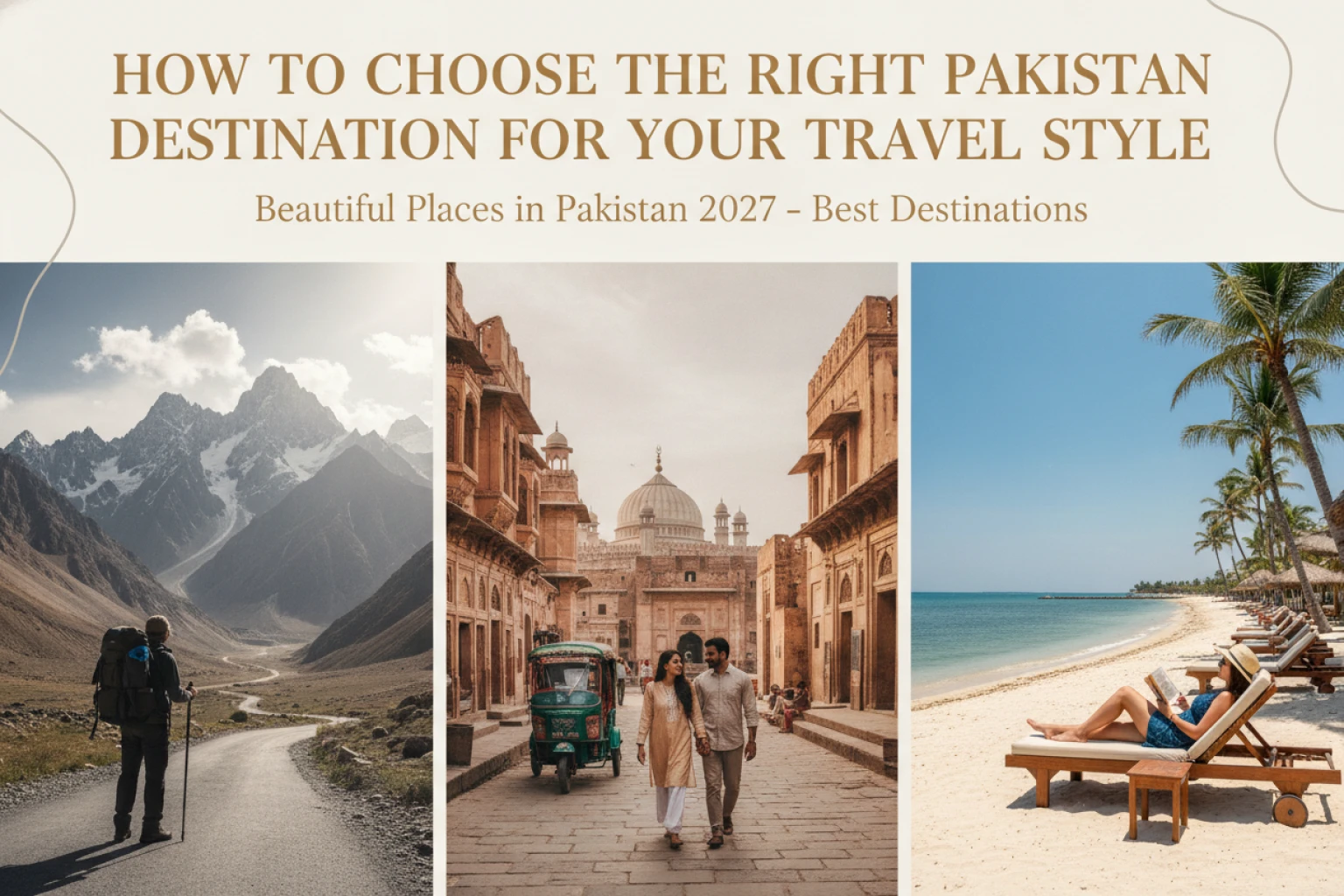
How to Choose the Right Pakistan Destination for Your Travel Style
Picking where to go in Pakistan comes down to a hard reality check: do you want to test your knees on loose scree, or spend three uninterrupted hours tracing tilework in an ancient courtyard?
If you crave high-altitude adrenaline, the north calls the shots. Treks around the Karakoram—like the demanding haul to K2 Base Camp—require real grit, technical layered gear, and high physical endurance. But if you lean toward slow, reflective cultural journeys, head south and central. Wandering the red sandstone corridors of the Badshahi Mosque in Lahore, listening to evening qawwalis at Sufi shrines in Multan, or living out of orchard homestays in Chitral offer an entirely different pulse.
Your travel dynamic dictates your route far more than a bucket list will:
- Solo female travelers: Stick to the Hunza and Nagar valleys. The Ismaili communities here run progressive, community-policed towns with welcoming homestays, reliable cellular reception, and zero hassle in public markets.
- Family groups: Target Swat Valley and Murree. You get paved highway networks, private tourist vans, and family-sized suites without the bone-rattling jeep tracks of the deep backcountry.
- Budget backpackers: Base yourself in Gilgit or Skardu and jump on shared HiAce vans to venture into offshoot valleys like Shigar, splitting fuel costs with domestic trekkers.
Packing for this geography requires managing intense microclimates. You might be sweating in 38°C dry heat among the terracotta wind towers of Sindh, only to cross the Babusar Pass three days later in sub-zero sleet. Ditch the bulky cotton jackets. Pack breathable linen for southern heritage walks, but keep a windproof hard shell, Merino wool base layers, and trail shoes with deep lugs within arm’s reach.
As you plan to explore the beautiful places in Pakistan 2027 brings to the global stage, book your high-season logistics months out. High-end heritage boutique hotels along the Karakoram Highway and reputable, licensed high-altitude guides sell out their summer slots fast. Lock those in before you even pack your bags.
FAQS
Is traveling to Pakistan safe for solo and international travelers right now?
Yes, but context matters. The northern tourist circuit—places like Hunza, Skardu, and Ghizer—has seen steady foreign foot traffic for years, with low crime rates and welcoming host communities. That said, safety isn’t uniform. Always skip border regions near Afghanistan, and monitor local advisories for Balochistan. For solo female travelers, booking registered local guides through reputable operators in Gilgit or Islamabad removes a massive layer of logistics and cultural friction.
When is the absolute best window to visit the northern valleys?
Aim for late May through mid-October. If you head up earlier, high passes like Babusar remain buried in snow, forcing a brutal 20-hour detour along the Kohistan stretch of the Karakoram Highway.
- June to August: Warmest weather and accessible high-altitude lakes, though domestic crowds peak in Murree and Naran.
- September to October: Clear skies, thin crowds, and jaw-dropping autumn foliage across Nagar and Yasin valleys.
- Winter (December to February): Only go if you want sub-zero adventures like skiing at Malam Jabba or snow leopard tracking in Khunjerab.
Do I need special permits for trekking and remote valleys?
Standard tourist visas cover general sightseeing in the main towns, but the rules tighten once you venture off the highway. Heading toward K2 Base Camp, the Concordia glacial trek, or sensitive valleys bordering China or India requires a Non-Objection Certificate (NOC) and a government-licensed guide. Trying to bypass checkposts without paperwork will get you turned around, costing days of travel.
How should I budget for beautiful places in Pakistan 2027?
Cash remains king once you clear Abbottabad. ATMs in Karimabad or Aliabad frequently run dry or reject international cards, so withdraw enough Pakistani Rupees in Islamabad to cover fuel, homestays, and 4×4 jeep rentals. Expect to spend roughly $40 to $70 per day for comfortable mid-range travel including private transport.
learn more about this article then vist wikipedia
https://triptrial.info/pir-chinasi-azad-kashmir-explore-beautiful-mountain-views/
https://triptrial.info/travel-packages-tips-for-planning-your-perfect-holiday/
https://triptrial.info/pakistan-china-border-travel-complete-khunjerab-pass-guide/
https://triptrial.info/beautiful-place-in-pakistan/
https://triptrial.info/best-hiking-trails-near-me-top-hiking-trips-and-adventures/
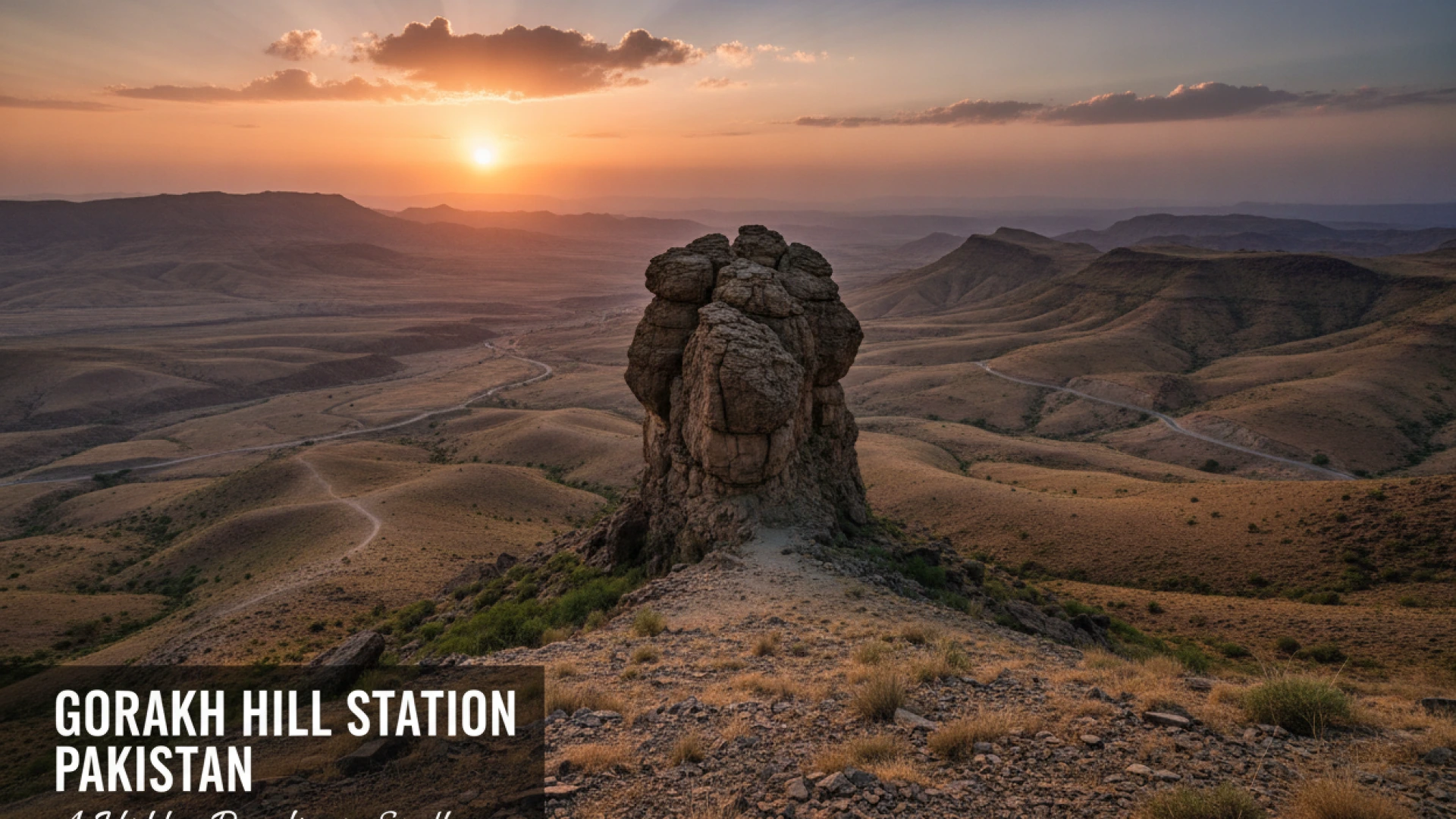
Gorakh Hill Station Pakistan – A Hidden Paradise in Sindh – Trip Trial