





Pakistan–China Border Trip Exploring Khunjerab Pass
Few journeys in Asia match the thrill of Pakistan China border travel. Picture a smooth road that climbs through snowy peaks, deep valleys, and tiny mountain villages. At the top, you stand at the gate between two countries. That is the magic of Khunjerab Pass.
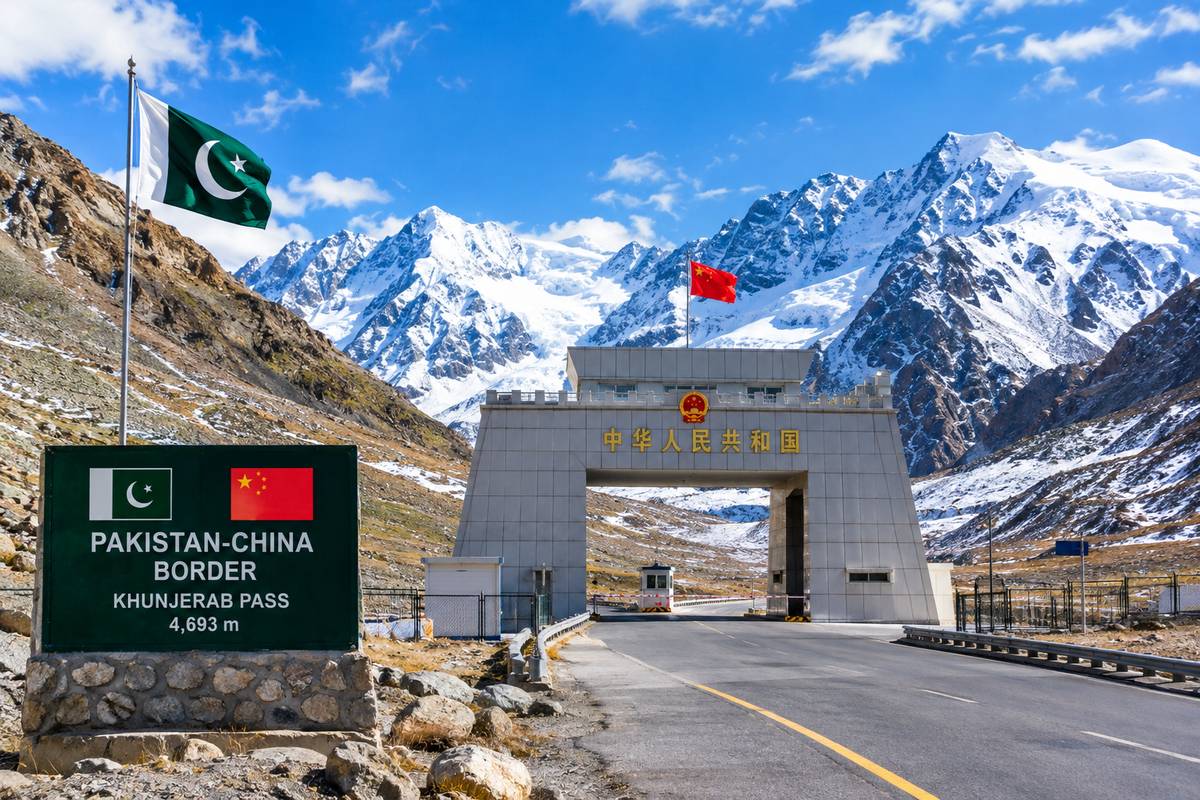
Khunjerab Pass sits in the Karakoram range of Gilgit-Baltistan. At 4,693 meters, it is the highest paved border crossing in the world. Moreover, it welcomes visitors during the warmer months, so you can plan a safe and joyful trip.
This trip is not only about a border gate. It is about the road, the people, and the stories you collect along the way.
Many travelers dream of this route. However, few know how to prepare for it. The road is long, the air is thin, and the rules change from time to time. Therefore, smart planning matters.
In this guide, you will learn the best time to go, the route to follow, and the papers you need. In addition, you will find simple tips on altitude, food, and places to stay. Whether you travel with family or friends, this article will help you plan your Pakistan China border travel with confidence.
So, pack a warm jacket, charge your camera, and let us begin.
Why Pakistan China Border Travel Feels Special
Most borders sit in dry plains or busy towns. This one is different. You reach it through some of the most beautiful mountain scenery on Earth.
The road is part of the adventure. The Karakoram Highway winds beside the Hunza River and passes under giant snow peaks. As a result, every hour of the drive feels like a postcard.
The border also carries real meaning. Pakistan and China share a close friendship, and this road links the two nations. In addition, it supports trade, local jobs, and tourism in the north.
Visitors often say the silence at the top surprises them most. You hear the wind and little else. Consequently, many travelers stay longer than planned.
Where Is Khunjerab Pass and How High Is It?
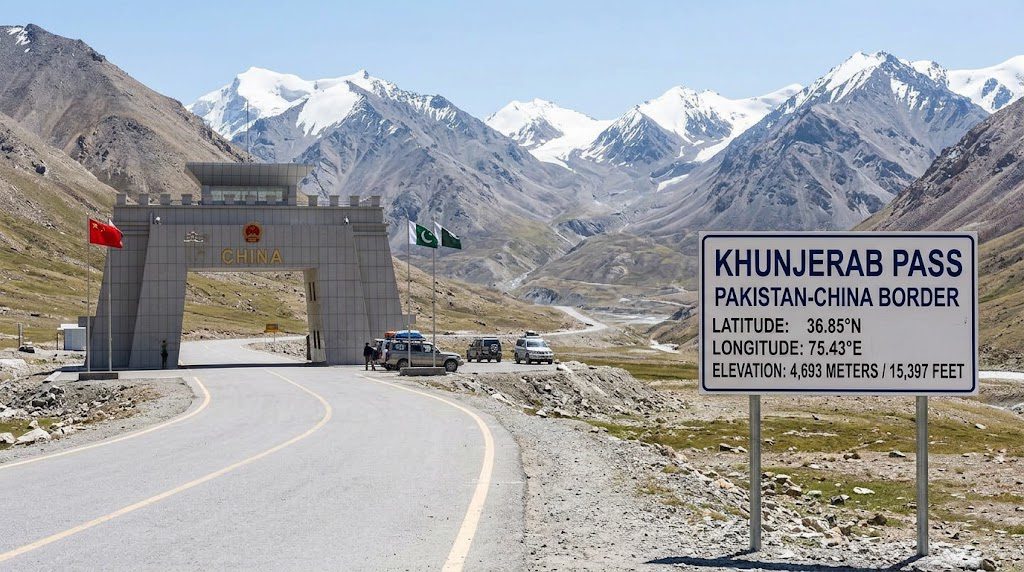
Khunjerab Pass connects Gilgit-Baltistan in Pakistan with the Xinjiang region of China. It lies at about 4,693 meters above sea level. Few roads in the world climb this high.
The nearest Pakistani town is Sost. Immigration and customs offices operate there. From Sost, you drive uphill for about two hours to reach the pass.
On the Chinese side, the closest town is Tashkurgan. Therefore, travelers who cross the border often plan a stay in that town.
The pass lies inside Khunjerab National Park. This park protects rare animals such as the Marco Polo sheep and the snow leopard. So, the area offers both adventure and nature.
Best Time for Pakistan China Border Travel
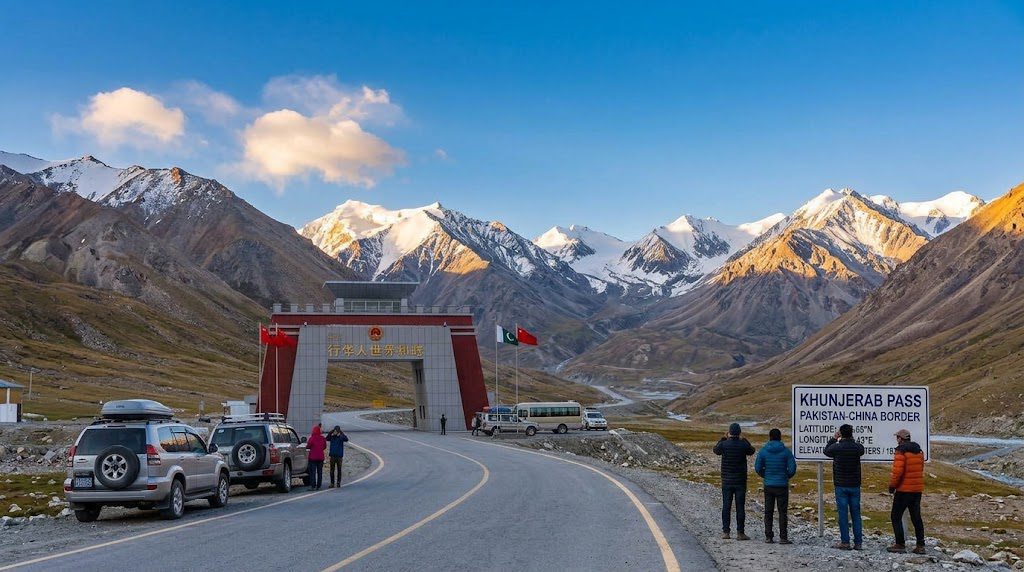
Timing shapes your whole trip. Heavy snow closes the pass for much of the year. Usually, it stays open from spring to late autumn.
The best months are June, July, August, and September. During this period, the weather stays mild and the road is clear. Moreover, the valleys turn green and bright.
October can also work. However, the days grow cold, and early snow may arrive. Therefore, check the latest opening dates before you leave.
Keep these points in mind:
- Summer gives the best road conditions.
- Autumn brings golden leaves but colder nights.
- Winter usually closes the pass completely.
Because dates can change, always confirm with local authorities or your tour operator.
How to Reach Khunjerab Pass from Islamabad
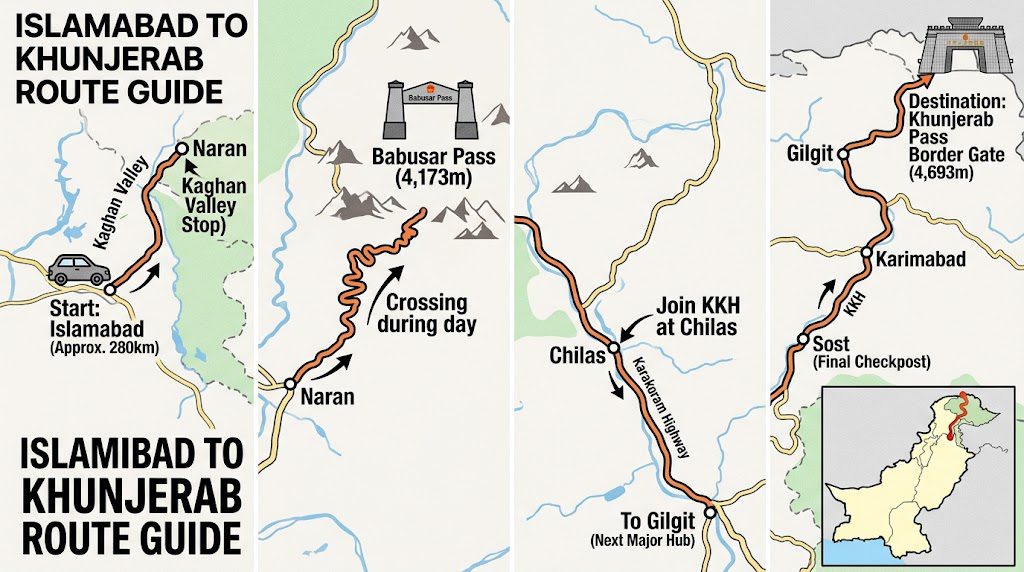
Most travelers start in Islamabad. From there, you can fly to Gilgit or drive along the Karakoram Highway.
Flights save time. Unfortunately, bad weather often cancels them. So, keep a spare day in your plan.
The road trip takes longer, but it shows you more. You usually drive from Islamabad to Besham or Chilas, then on to Gilgit. Next, you continue to Karimabad in Hunza. Finally, you head north to Sost and the pass.
The full journey takes two to three days by road. In addition, a private car with an experienced driver makes the trip safer and calmer. Public buses also run this route. However, they take more time and offer less freedom.
Whichever option you pick, add extra days to your Pakistan China border travel plan for weather delays.
Documents and Permits for Pakistan China Border Travel
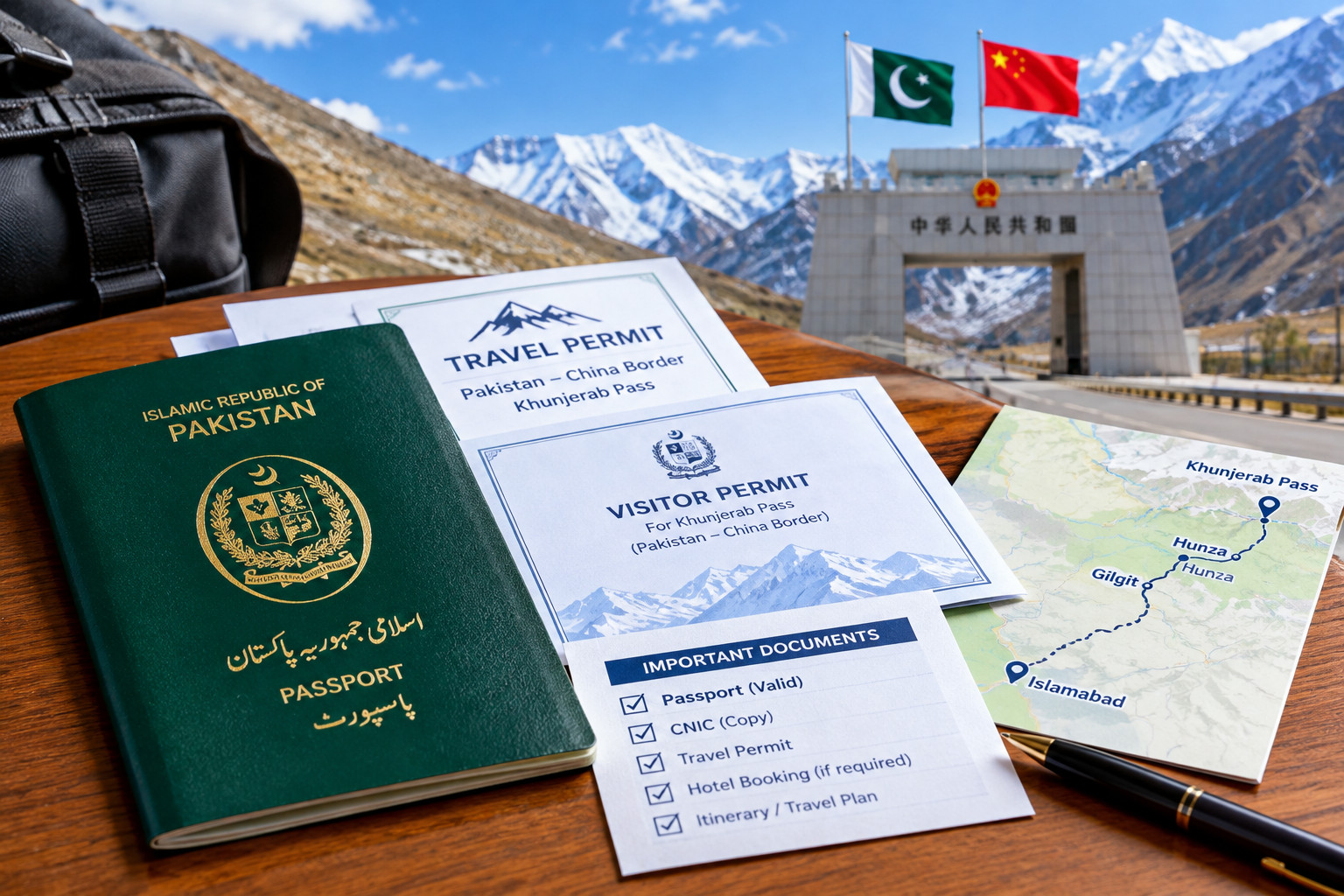
Paperwork is a key part of any border trip, so prepare it early. Rules differ for each type of traveler.
Pakistani citizens can usually reach the pass with a valid national identity card. They must pass checkpoints in Sost. However, entry steps can change, so ask for the latest details.
Foreign visitors need a valid Pakistani visa. In addition, they must carry their passport at all times. Checkpoints along the highway will ask to see it.
Crossing into China is a separate matter. You need a Chinese visa and must follow the rules of both countries. Moreover, the border is not always open to casual tourists. Therefore, confirm the current policy with official sources before you plan a crossing.
Carry several photocopies of your documents. This habit saves time at every checkpoint.
Must-See Stops Along the Karakoram Highway
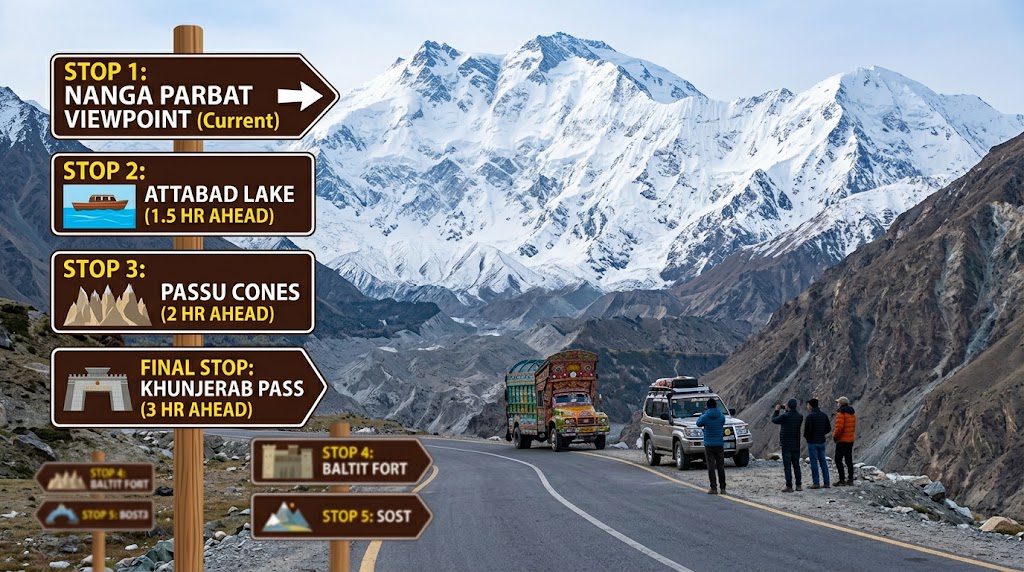
The road to the border has many stops worth your time. Each one adds a chapter to your story.
Attabad Lake. A landslide created this turquoise lake in 2010. Today, it is popular for boat rides and photos.
Passu Cones. These sharp peaks rise like giant teeth above the valley. They look stunning at sunrise.
Hussaini Suspension Bridge. This bridge is famous for its wobbly planks. Brave visitors walk across for the thrill. Others simply enjoy the view.
Karimabad and Baltit Fort. This old fort stands high above Hunza. In addition, it offers wide views of Rakaposhi and the valley.
Sost. Here, you complete formalities and buy last-minute supplies.
Plan at least one night in Hunza. As a result, you can enjoy the route without rushing.
What to See at Khunjerab National Park
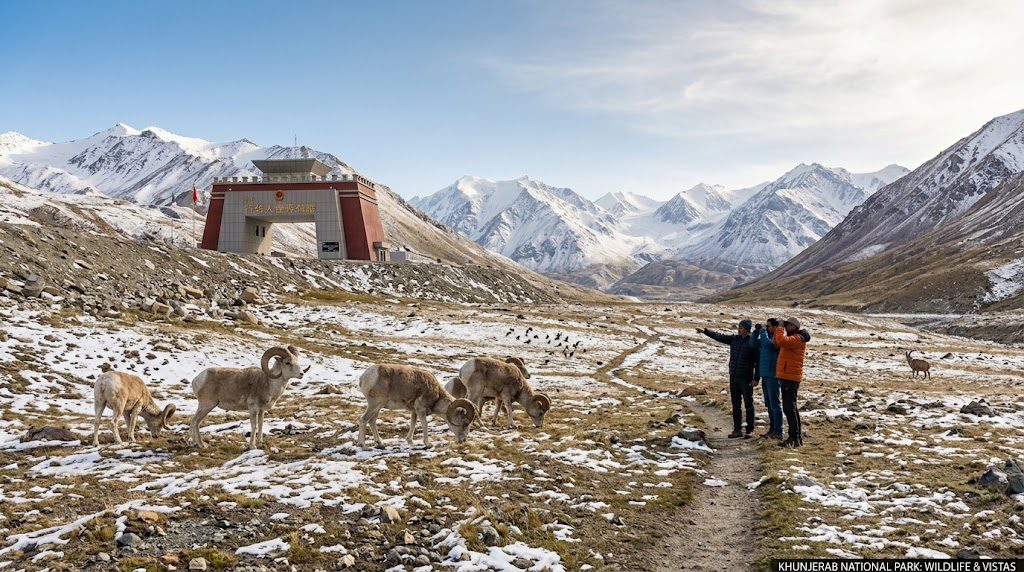
After Sost, the landscape changes fast. Trees disappear, and bare mountains take over. The air feels crisp and clean.
The park is home to Marco Polo sheep, ibex, and blue sheep. Sometimes, travelers also spot marmots near the road. Keep your voice low, since wildlife often hides among the rocks.
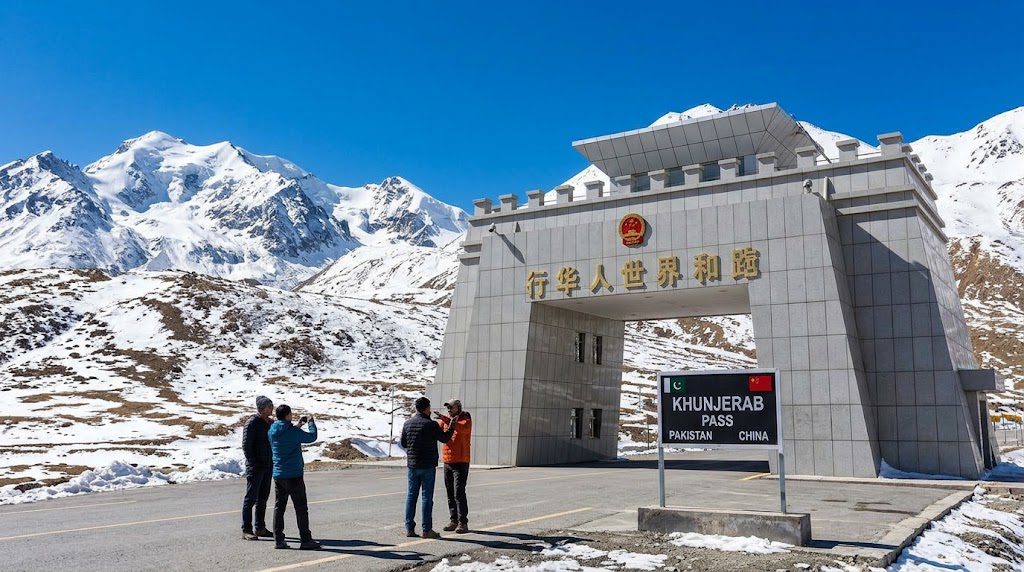
At the top, you will see the border gate and the famous sign. Many visitors take photos with the mountain backdrop. However, always follow the rules of the security staff. Photography near sensitive areas may be limited.
The park charges an entry fee. Therefore, keep some cash ready, since cards rarely work in remote places.
This stop often becomes the highlight of Pakistan China border travel.
Altitude and Safety Tips for Pakistan China Border Travel
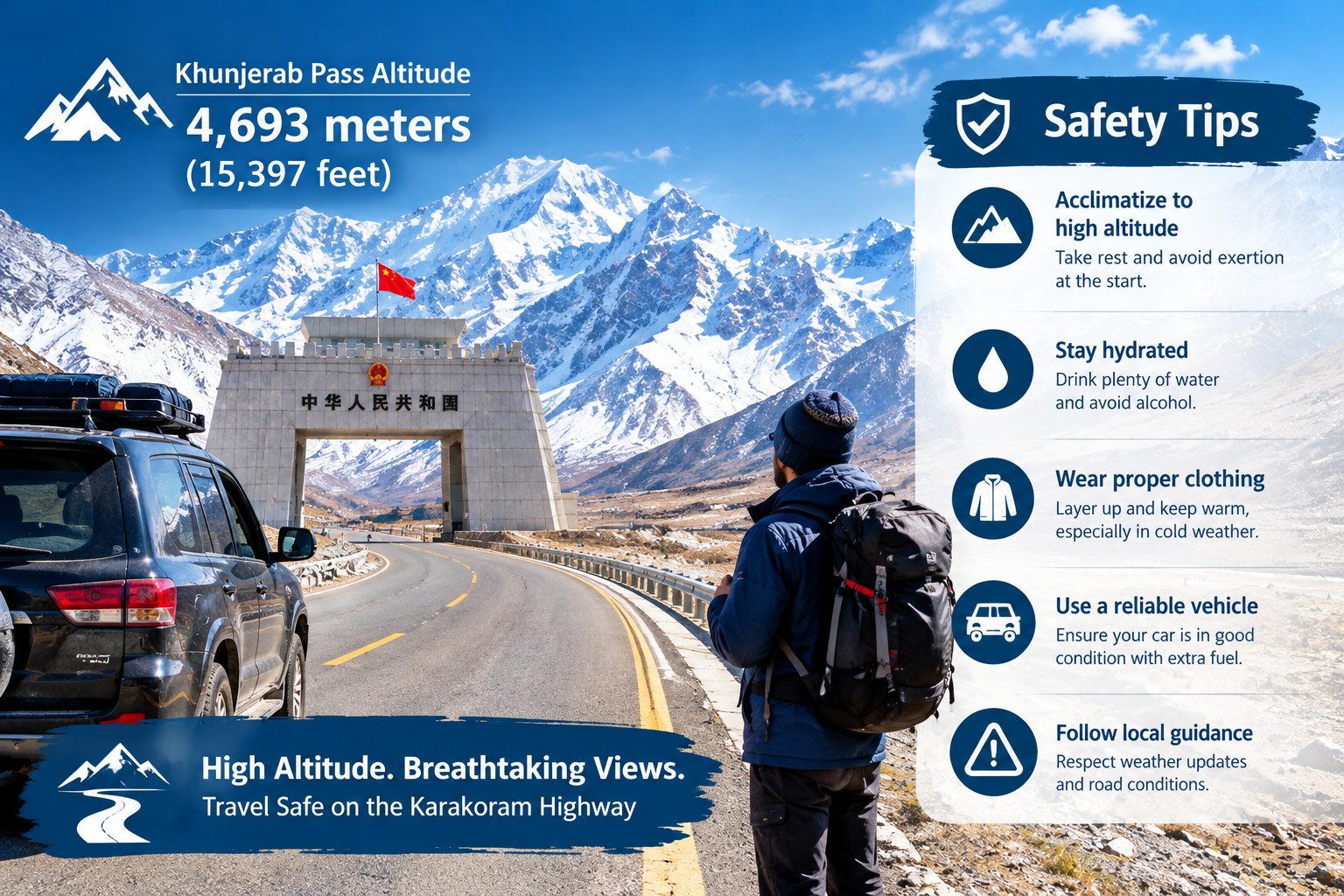
Altitude is the biggest health risk on this trip. At 4,693 meters, the air holds much less oxygen. As a result, some travelers feel dizzy, tired, or sick.
Follow these simple steps:
- Spend a night in Hunza before you climb higher.
- Drink plenty of water.
- Walk slowly at the top.
- Avoid heavy meals before the climb.
- Limit your time at the pass to one or two hours.
If you feel a strong headache or nausea, go down at once. Moreover, never ignore chest pain or confusion.
Road safety matters too. Landslides can block the highway, especially after rain. Therefore, start early each day and leave extra time in your schedule.
Where to Stay and What to Eat
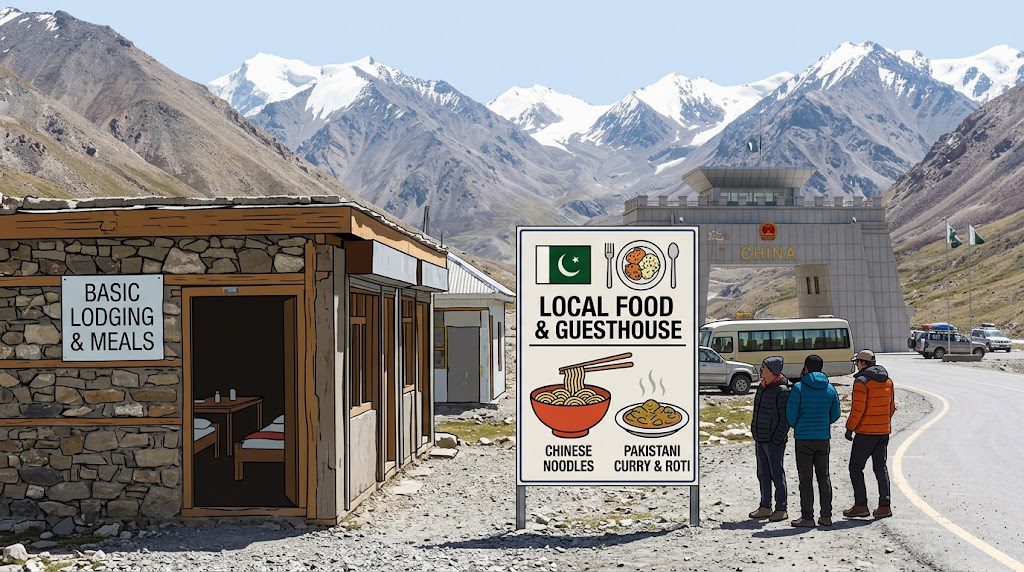
Gilgit has many hotels. Karimabad and Passu offer cozy guesthouses with mountain views. Sost has simple but clean rooms.
Book early in July and August. These months bring the biggest crowds. In addition, prices rise in the peak season.
Northern food is hearty and simple. Try these local dishes:
- Chapshuro: a meat-filled flatbread from Hunza.
- Diram Fitti: a sweet wheat dish served with apricot oil.
- Walnut cake: a popular treat made with local nuts.
- Butter tea: a warm, salty drink that helps in the cold.
Dried apricots and fresh cherries also make great road snacks. Carry bottled water too, since restaurants near the pass are few.
Packing List and Budget Tips for Your Trip
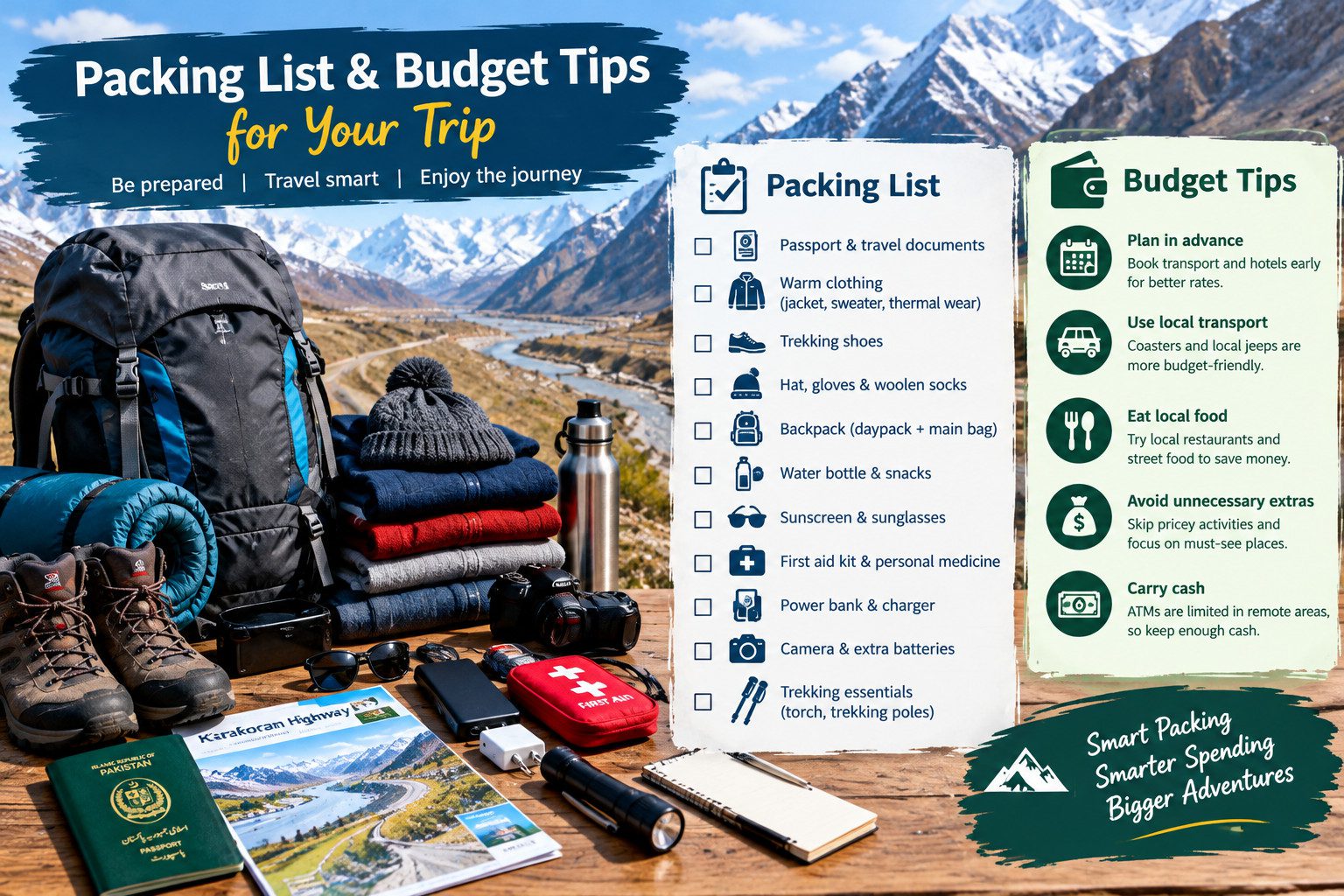
A smart packing plan makes the journey easier. Pack light, but pack well.
- Warm jacket, gloves, and a woolen cap
- Sturdy walking shoes
- Sunscreen and sunglasses
- Basic medicines and a first-aid kit
- Power bank and spare phone battery
- Cash in small notes
- Copies of your passport or ID
Mobile signals are weak in many areas. Therefore, download offline maps before you leave.
You can also enjoy Pakistan China border travel without overspending. First, share the car cost with a group. Second, stay in family-run guesthouses. Third, eat at local restaurants.
Finally, respect the community and hire local guides when possible. They know the road, the weather, and the culture. As a result, your money supports the families who live along this historic route.
Final Thoughts on Pakistan China Border Travel
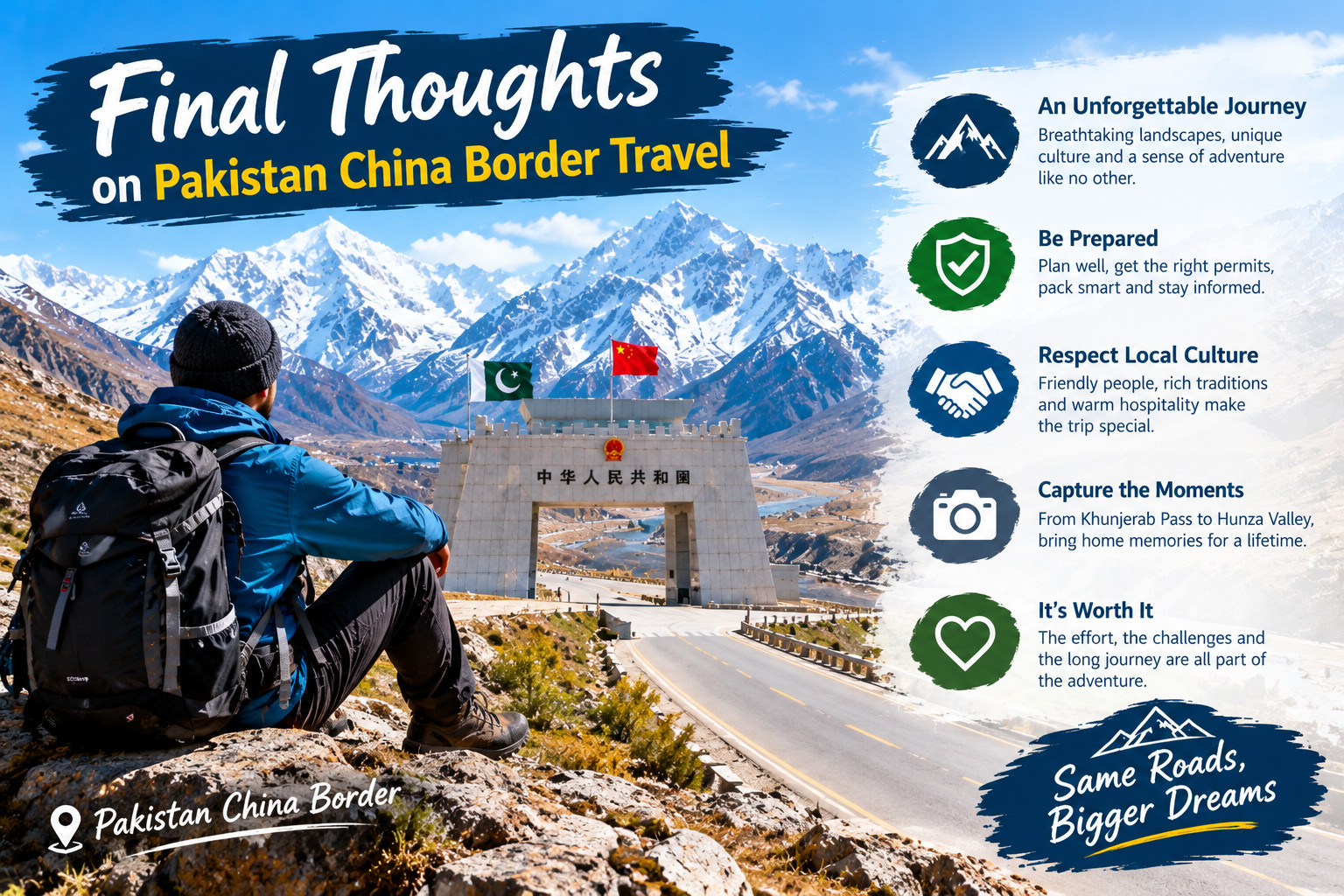
A trip to Khunjerab Pass rewards you in many ways. You see towering peaks, turquoise lakes, and warm mountain communities. In addition, you stand at one of the highest border crossings on Earth.
However, this journey needs care. Therefore, plan your timing, carry the right documents, and respect the altitude. Moreover, give yourself extra days for weather and road delays.
Pakistan China border travel is more than a drive to a gate. It is a slow, beautiful story told along the Karakoram Highway. So, take your time, travel responsibly, and enjoy every stop.
Frequently Asked Questions
1. What is the best time to visit Khunjerab Pass?
The best time is from June to September. The weather is mild, and the road is usually clear. However, opening dates can change, so check the latest updates before you travel.
2. Do I need a permit for Pakistan China border travel?
Pakistani citizens usually need a valid national identity card for checkpoints. Foreign visitors need a Pakistani visa and their passport. Crossing into China requires a Chinese visa and follows official rules. Therefore, always confirm the current policy before you go.
3. How can I avoid altitude sickness at Khunjerab Pass?
Spend a night in Hunza first, so your body can adjust. Drink plenty of water and walk slowly at the top. In addition, limit your stay to one or two hours. If you feel very unwell, go down at once.
learn more about this article then vist wikipedia
want to read more article then check this