






What Makes Northern Pakistan Tourism Safe and Accessible for Families?
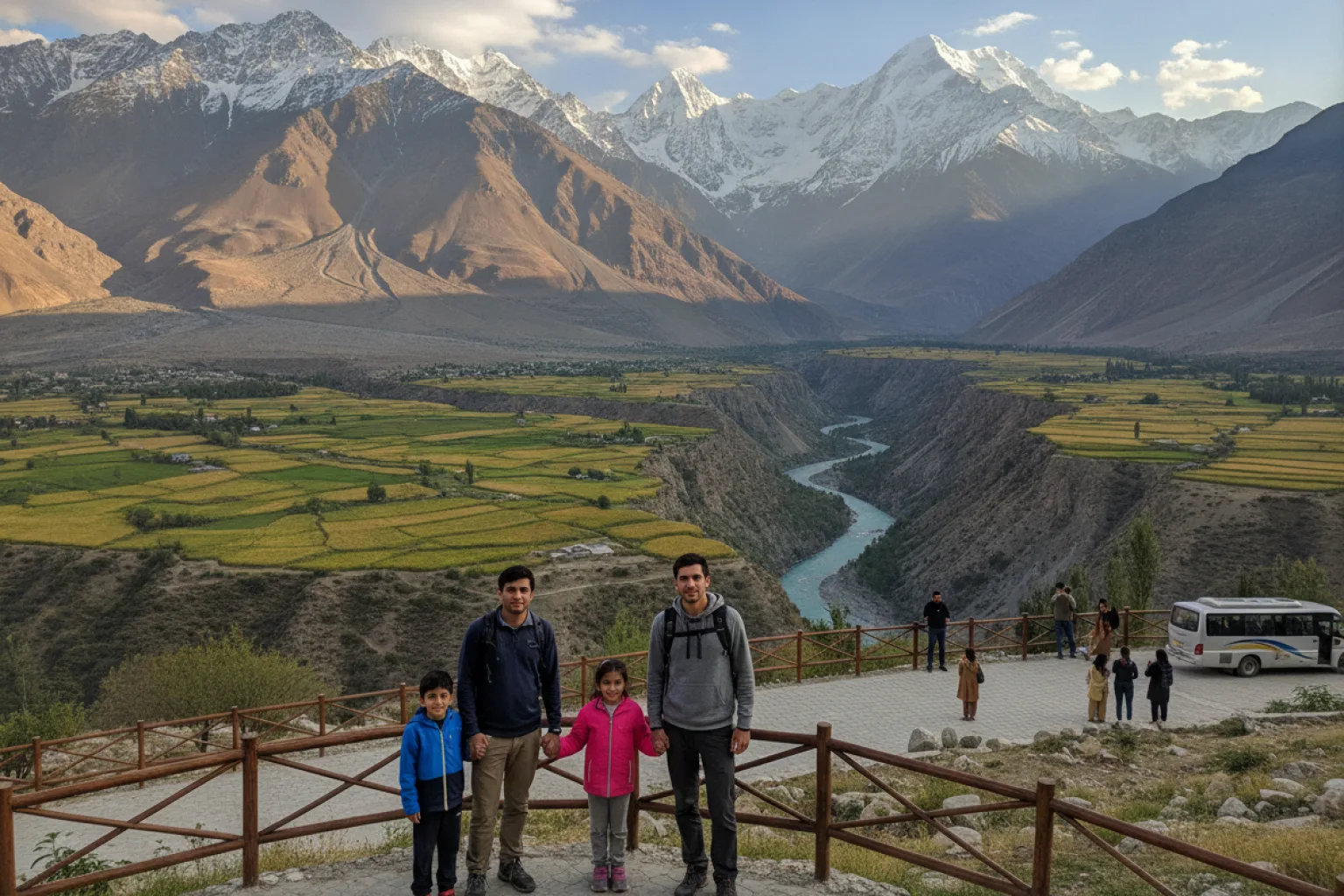
Planning a multi-generational trip into high-altitude terrain naturally raises concerns about road conditions, medical access, and comfort. For years, rugged expeditions dominated the region’s reputation, but a quiet shift in infrastructure has redefined Northern Pakistan Tourism for parents traveling with young children and seniors. You do not need to trek for days to experience the Karakoram; today, comfortable family-friendly travel hinges on choosing the right corridors, timing your arrival, and knowing regional realities before you land.
Modern transit has cut travel fatigue significantly:
Paved Transit Corridors
The expanded Karakoram Highway (KKH) and the Swat Expressway replace punishing dirt tracks with smooth, multi-lane transit through major valleys.
Direct Flight Options
Daily, weather-dependent flights from Islamabad straight into Skardu and Gilgit bypass the grueling 16-hour overland drive entirely.
Safety in northern mountain communities is rooted in an exceptionally protective local culture where families are treated with deep deference. Still, logistical preparedness matters. Regional hubs like Gilgit and Skardu host military-grade hospitals (CMH) and reliable private clinics capable of treating basic pediatric illnesses, but remote valleys do not. If someone in your party has severe pre-existing cardiopulmonary conditions, staying along primary road arteries with clear evacuation access is far wiser than venturing into off-grid jeep trails.
Elevation is another factor people overthink—or ignore completely. Central valley floors like Hunza (Karimabad) sit around 2,400 meters, while Skardu rests near 2,200 meters. These altitudes rarely trigger acute mountain sickness, making them manageable for energetic kids and active grandparents after an easy first day of rest.
To keep logistics seamless, anchor your itinerary between May and September. This window delivers open passes, mild temperatures, operational boutique hotels, and blooming fruit orchards, avoiding the erratic landslides and blocked roads common during late winter melts.
Which Destinations Offer the Best Family-Friendly Itineraries in Northern Pakistan?
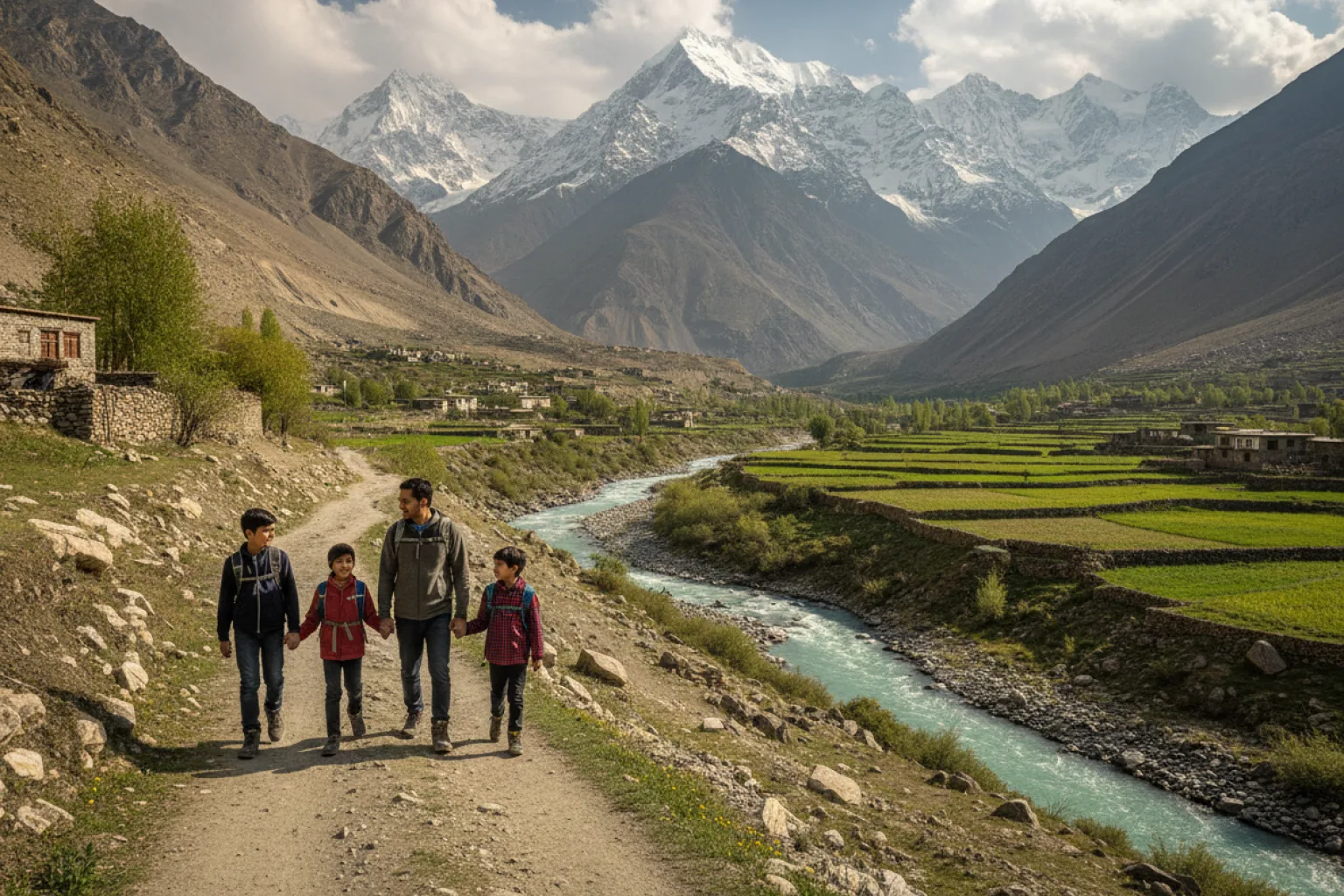
Selecting the right valley makes or breaks a multi-generational trip. While backpackers can endure 14-hour off-road detours, family travel requires reliable infrastructure, comfortable beds, and gentle walks. Fortunately, modern road developments have transformed Northern Pakistan Tourism, opening up several high-altitude valleys that cater exceptionally well to both children and seniors.
Here is how the top regions compare for a realistic family route:
Hunza Valley (Gilgit-Baltistan)
Best for culture and easy walking. The cobbled paths up to the restored Baltit and Altit Forts offer engaging history lessons without grueling hikes. In Karimabad, families can stroll flat routes alongside ancient irrigation channels. For lodging, skip the cramped town center and book lakeside luxury along Attabad Lake, where kids can try calm motorboating while grandparents enjoy terrace mountain views.
Skardu and Shigar Valley
Ideal for heritage and space. Shangrila Resort around Lower Kachura Lake gives toddlers safe, flat ground to feed ducks and play outdoors. An hour away, booking a stay at the Serena Shigar Fort lets families sleep in a preserved 17th-century palace surrounded by secure, sprawling fruit orchards. Trade-off: Direct flights into Skardu are weather-dependent; always build a buffer day into your flight schedule.
Swat Valley and Kalam
The easiest logistics from Islamabad via the Swat Motorway. You avoid punishing mountain passes altogether. Base yourselves at a riverside resort along the Swat River, tour the historic White Palace at Marghazar, ride the scenic chairlift at Malam Jabba, and explore the ancient Buddhist monastic ruins around Saidu Sharif.
Naran and Kaghan Valley
Great for shorter, budget-conscious summer trips. Families can drive along the Kunhar River, rent a jeep for Lake Saiful Muluk, and boat near the water’s edge.
A quick warning: Avoid Naran during national holiday weekends when bumper-to-bumper mountain traffic can trap toddlers in cars for eight hours straight. If peace and seamless logistics are your goals, prioritize Hunza or Swat instead.
Real Family Travel Case Studies: 7-Day and 10-Day Northern Pakistan Itineraries
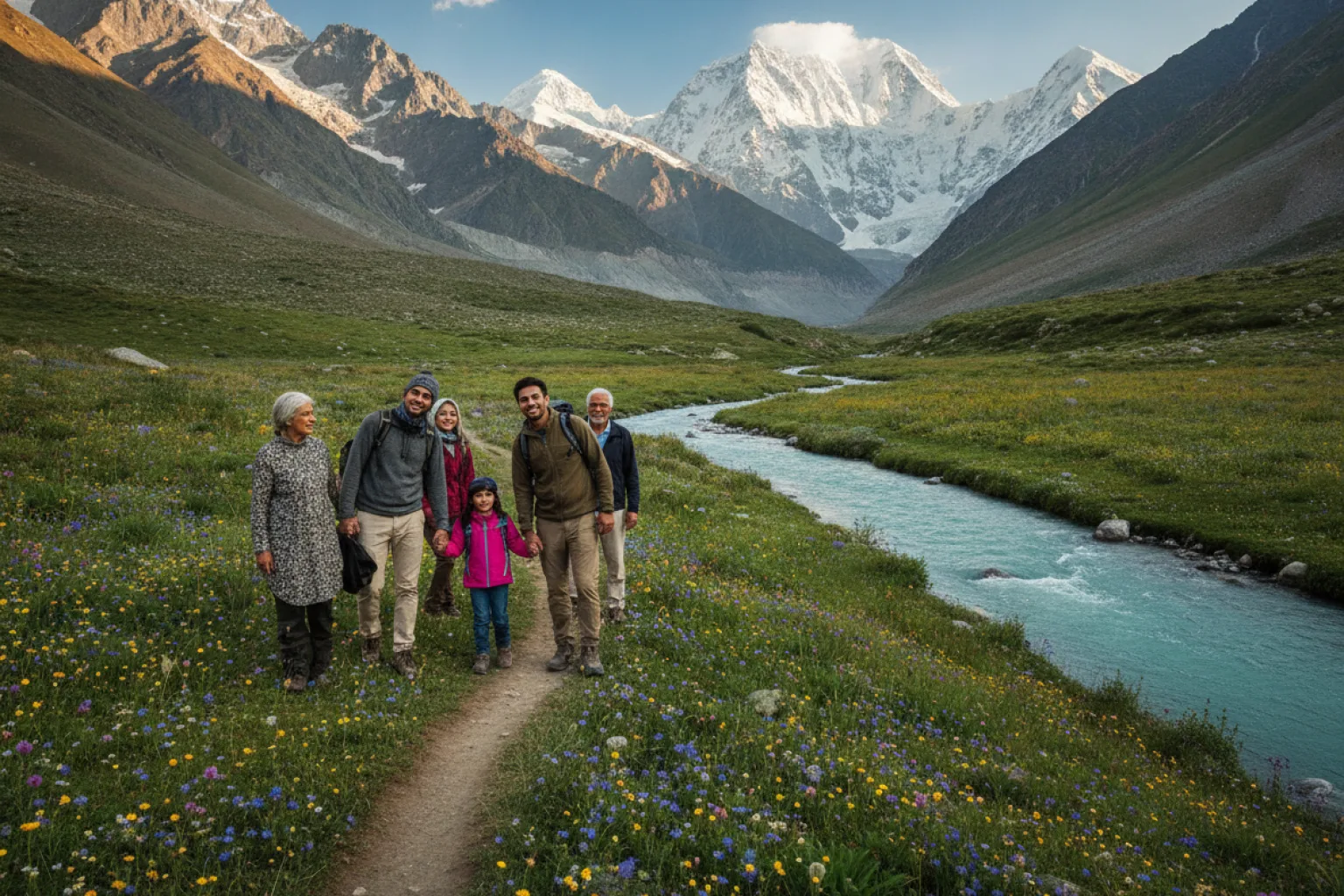
Designing routes for multigenerational trips requires balancing bucket-list viewpoints with the realities of altitude, mountain roads, and toddler nap schedules. Successful Northern Pakistan tourism with kids comes down to one non-negotiable rule: never exceed 4 to 5 hours of driving in a single day. Anything longer invites altitude sickness, car sickness on the switchbacks, and overtired meltdowns.
The 7-Day Hunza Express (Toddler-Friendly)
This route skips grueling Karakoram Highway marathons by using the 45-minute flight from Islamabad to Gilgit.
Days 1–3: Karimabad basecamp
Settle in for three nights. Explore Baltit Fort in the morning, letting little kids nap during the midday heat. Paved paths in Karimabad make lightweight, sturdy strollers usable, though a baby carrier remains essential for fort staircases.
Day 4: Upper Hunza
Drive an easy 90 minutes north to Passu. Stop at Attabad Lake for a calm boat ride, but avoid open wooden skiffs without child-sized life vests—bring your own from home.
Days 5–7: Return via Gilgit
Head back toward Gilgit with a night at a riverfront resort before your return flight.
The 10-Day Skardu Cultural Circuit
Skardu offers broader valleys and gentler walks, making it ideal for primary-school-aged children. Direct flights from Islamabad bypass the southern passes entirely.
Spend your first two days acclimatizing near the Katpana Cold Desert. Visiting Katpana at sunrise or late afternoon keeps children off hot sand while giving them vast, secure dunes to play on without steep drop-offs.
Dedicate Days 4 through 6 to Khaplu. The two-hour drive along the Shyok River is smooth. Base yourselves near the restored palace, where walled organic orchards provide shaded, traffic-free walking. Wrap up the circuit with Day 8 at Shangrila Resort for easy lake loops, keeping Day 9 clear as a weather cushion for your flight home.
Practical Dining Realities
Do not rely on roadside dhabas for toddlers. Major family-run hotels in Karimabad and Skardu readily prepare plain chicken broth, steamed rice, and boiled eggs off-menu. Traditional dishes like Hunza’s chapshuro (meat pie) can be spiced heavily; ask for minced meat seasoned only with salt. For reliable continental fare, stick to heritage hotel dining rooms, which maintain commercial-grade water filtration systems and consistently clean dairy storage.
Common Family Vacation Mistakes in the Mountains and How to Avoid Them
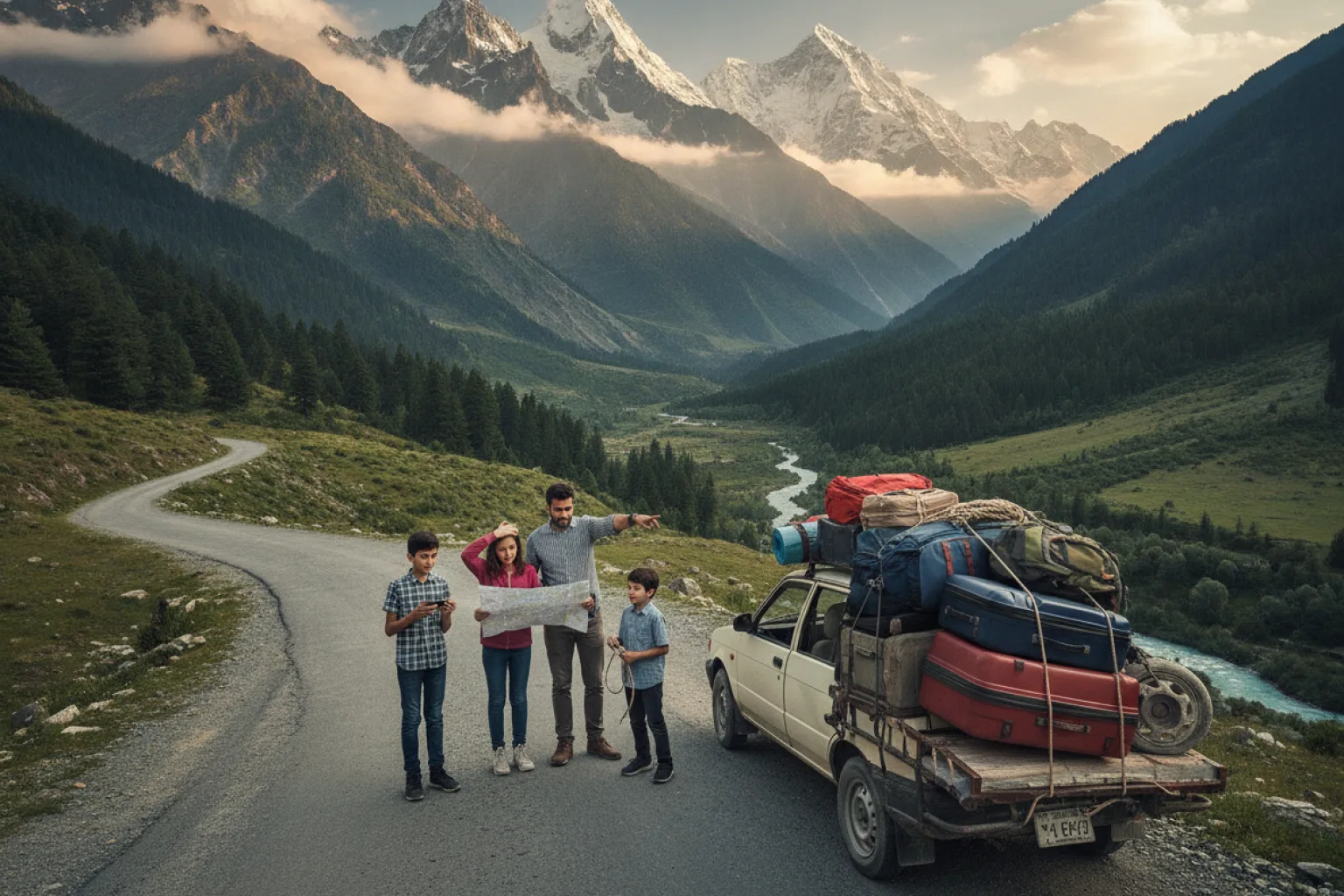
Planning a mountain getaway with kids requires a different mindset than booking a standard beach resort. In Northern Pakistan tourism, small logistical oversights turn into genuine travel disruptions faster than most parents expect.
Here are the most frequent pitfalls we see on family itineraries—and how to sidestep them:
Rushing high-altitude crossings
Driving straight from Islamabad up through Babusar Top (13,700 feet) or camping on the Deosai Plains without breaking the journey is a recipe for acute mountain sickness. Children under eight rarely articulate altitude distress clearly; they simply become irritable, nauseous, or lethargic. Spend at least two nights at intermediate elevations like Naran (7,900 feet) or Gilgit (4,900 feet) before pushing over the highest passes.
Ignoring road volatility and dead zones
Landslips along the Karakoram Highway are a routine reality during the monsoon and snowmelt seasons. Build an unscheduled “buffer day” into your return leg. Once you turn off the main highway toward valleys like Phander or Fairy Meadows, mobile coverage drops entirely. Download offline satellite maps and keep cash on hand for checkpoints and remote fuel stops.
Packing heavy woolens instead of technical layers
Trunk space disappears quickly with large winter parkas. High-altitude sun causes blistering daytime heat, but temperatures plummet the moment shadows hit the valley. Dress children in lightweight merino or synthetic base layers, fleece mid-layers, and windproof outer shells. High-SPF sunscreen and polarized sunglasses are non-negotiable; UV exposure at 9,000 feet reflects intensely off light granite and glacial silt.
Choosing the wrong vehicle for the terrain
A standard front-wheel-drive sedan handles the paved Karakoram Highway comfortably, but it will bottom out on the unpaved approach to Hoper Glacier or Naltar Valley. For families of four or five, a high-clearance 4×4 like a Prado offers the necessary axle articulation and cabin comfort. Larger multi-generational groups often rent 20-seater Toyota Coasters; while spacious, these cannot negotiate narrow side-valley jeep tracks, meaning you must budget extra for local 4×4 rentals at every detour.
Official Guidelines, Health Resources, and Booking Decisions for Family Trips
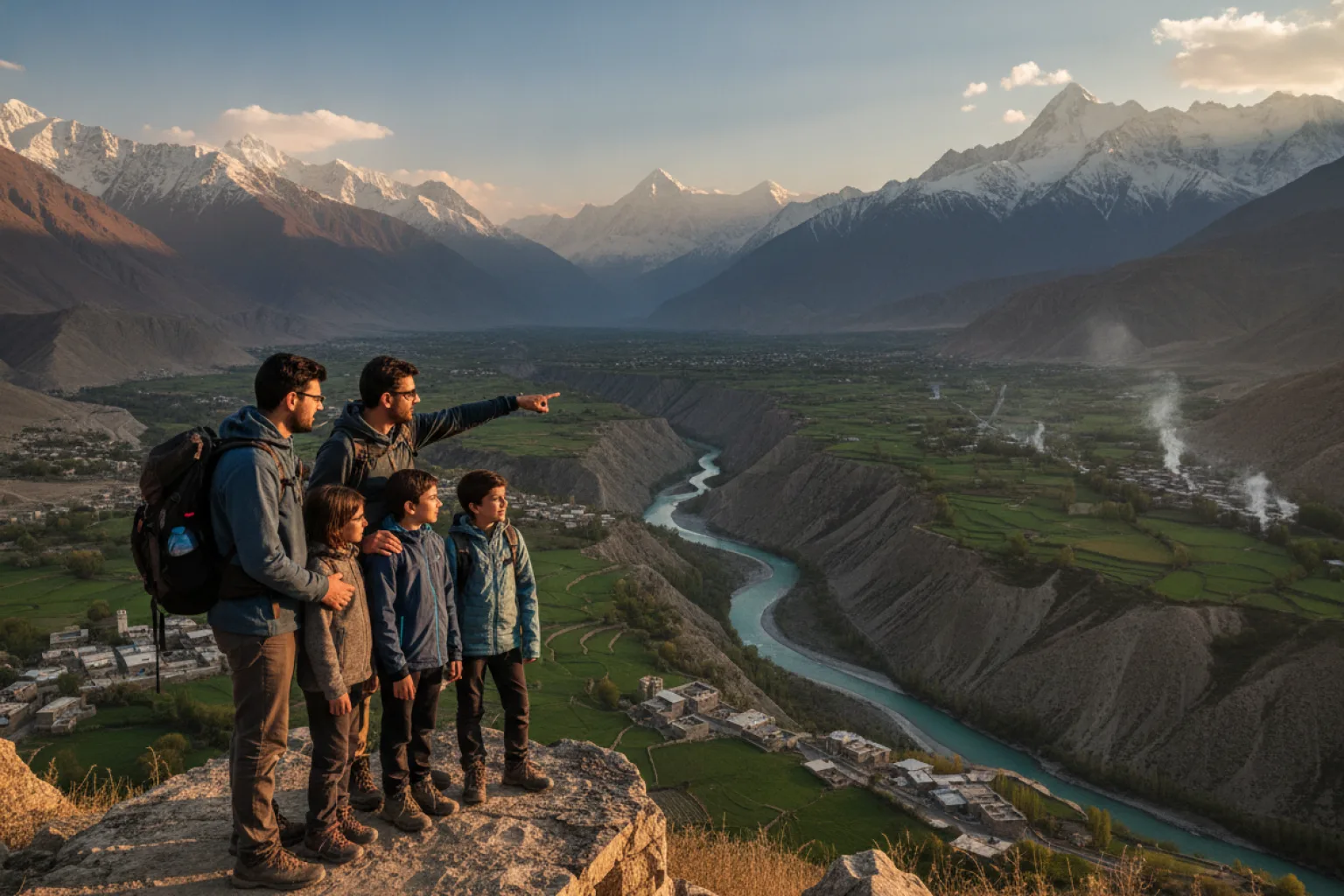
Traveling with children through high-altitude corridors requires moving past generic travel blogs and relying on ground-level data. Conditions shift fast in the north. Before mapping daily drives, check road access and weather advisories directly through the Gilgit-Baltistan Tourism Department and the Pakistan Tourism Development Corporation (PTDC). Landslides along the Karakoram Highway happen routinely; local department portals provide real-time clearance reports that international aggregator sites simply miss.
Pediatric medical care becomes sparse once you leave regional hubs like Gilgit or Skardu. Do not assume village pharmacies carry pediatric suspensions. Visit a travel medicine clinic four weeks prior to departure to assemble a remote-access medical kit. Pack:
Hydration and GI relief
Pre-measured oral rehydration salts (ORS), zinc supplements, and a pediatrician-approved antibiotic for traveler’s diarrhea.
Motion management
Dimenhydrinate or meclizine formulated for children, essential for the hairpin switchbacks between Chilas and Hunza.
Altitude mitigation
Acetazolamide (Diamox) dosed strictly by your doctor. Note that pediatric altitude sickness often mimics simple car sickness; monitor for unusual lethargy, sudden refusal to eat, or persistent headaches above 2,500 meters. If severe symptoms hit, descent is your only reliable treatment—never attempt to “push through” to high-altitude spots like Deosai Plains with an ailing child.
Vetting logistics makes or breaks Northern Pakistan tourism for families. The cheapest quote often means a tired driver and bald tires. Demand high-clearance 4WD vehicles (like a Toyota Prado or Land Cruiser) backed by commercial passenger insurance. Ask operators point-blank if their vehicles have functional rear three-point seatbelts; many older mountain jeeps carry only lap belts, making child safety seats impossible to anchor securely.
Finally, secure your Islamabad-to-Gilgit or Skardu flights months ahead. Mountain flights are notoriously weather-dependent, so budget at least two buffer days into your itinerary rather than risking a grueling 20-hour overland detour with exhausted kids. If you travel during the shoulder months of April or October, confirm in writing that your hotels have 24-hour generator-backed heating, not just unvented gas heaters, to ensure safe indoor air quality overnight. Keep the local emergency numbers for the nearest District Headquarters (DHQ) hospital pinned offline on every adult’s phone.
FAQS
Which destinations in Northern Pakistan are suitable for families with children?
The best options are valleys with paved road access, lower altitudes, and dependable medical facilities. Stick to destinations that do not require grueling multi-day off-road transits or long trekking days:
Hunza Valley (Central)
Excellent paved access via the Karakoram Highway, reliable family-run hotels, and gentle cultural walks around Karimabad.
Skardu and Shigar
Ideal for domestic flights straight from Islamabad, featuring flat terrain around Shangrila Lake and sandy play areas at Katpana Desert.
Naran and Kaghan
Accessible for shorter holidays, though peak summer traffic can test toddlers’ patience.
Swat Valley
Rich in heritage, lower in elevation, and offers quick hospital access in Saidu Sharif if a child falls ill.
Avoid taking young kids across rugged backcountry passes like Deosai Plains or Shimshal unless your family is seasoned with high-altitude exposure and off-grid camping.
Is Hunza Valley a good destination for a family trip?
Yes, Hunza is arguably the safest, most logistically forgiving region for a family vacation. The local infrastructure caters well to varied age groups. Grandparents can enjoy fruit orchards and historic forts, while teenagers can tackle the Hussaini Suspension Bridge or hire boats on Attabad Lake.
The main drawback is transit time if you choose to drive from Islamabad. Spending twelve to fourteen hours on the road in a single push usually leads to car-sick children. Break the journey overnight in Besham or Chilas, or fly directly to Gilgit to keep tempers cool.
What is the estimated cost of a family vacation in Northern Pakistan?
For a family of four travelling for seven to ten days, overall expenses generally settle between $1,200 and $2,800 USD (PKR 330,000 to PKR 780,000), excluding international flights.
A comfortable mid-range budget breaks down roughly as:
Private transport
$60 to $90 per day for a dedicated Toyota Prado, HiAce, or Grand Cabin with an experienced mountain driver, fuel included.
Lodging
$70 to $150 per night for family suites or adjoining rooms in established hotels like Serena, Luxus, or dependable local boutique inns.
Food and activities
$30 to $50 per day covering local meals, entry tickets to heritage forts, and boat rentals.
Expect total costs to trend higher if you book domestic flights between Islamabad, Gilgit, or Skardu, as mountain flights are weather-dependent and require flexible backup plans. When planning Northern Pakistan tourism routes for children, spending a little extra on a reliable private vehicle rather than budget group vans makes all the difference for safety and rest stops.
So, start searching, tracking, and comparing today. Every smart booking is a step closer to your next adventure.