



Mountain Tourism in Pakistan Best Places to Visit in 2026
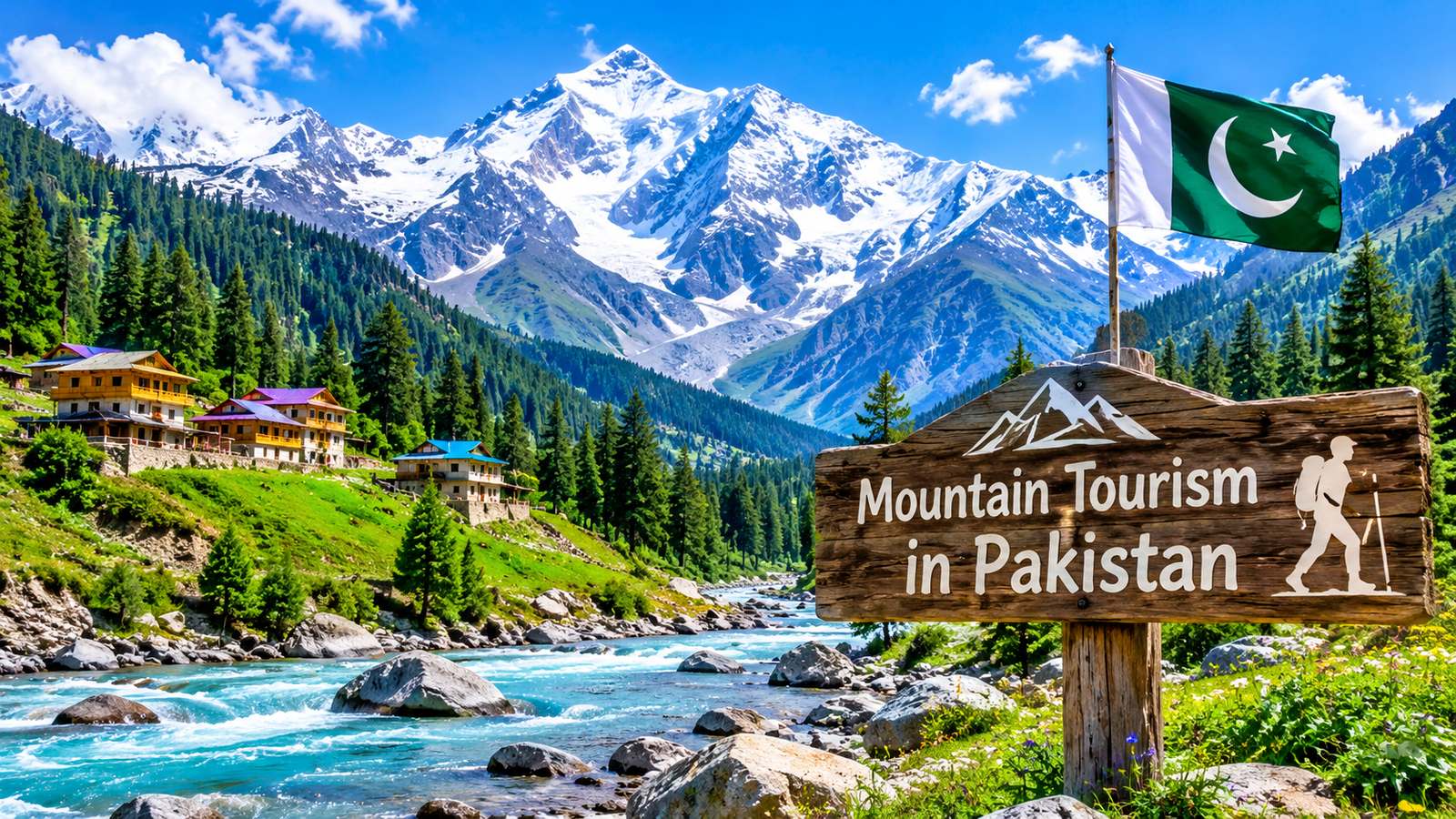
Mountain tourism in Pakistan is growing faster than ever. The country holds some of the highest peaks on Earth. Moreover, it offers green valleys, glacial lakes, and warm local hospitality. Travelers from every corner of the world now plan trips to the north. In 2026, the interest looks even stronger.
Pakistan is home to five of the fourteen peaks above 8,000 meters. In addition, three great mountain ranges meet here. These are the Karakoram, the Himalaya, and the Hindu Kush. As a result, the landscape changes every few hours. One day you may walk beside a river. The next day you may stand on a glacier.
However, many visitors feel confused before they start. They ask where to go, when to travel, and how to stay safe. Therefore, this guide gives you clear answers. It covers the best destinations, the right seasons, and practical tips. Furthermore, it explains what to pack and how to travel responsibly.
Whether you love hiking, photography, or quiet views, this article will help. Let us explore the best mountain places in Pakistan together.
Why Mountain Tourism in Pakistan Is Booming
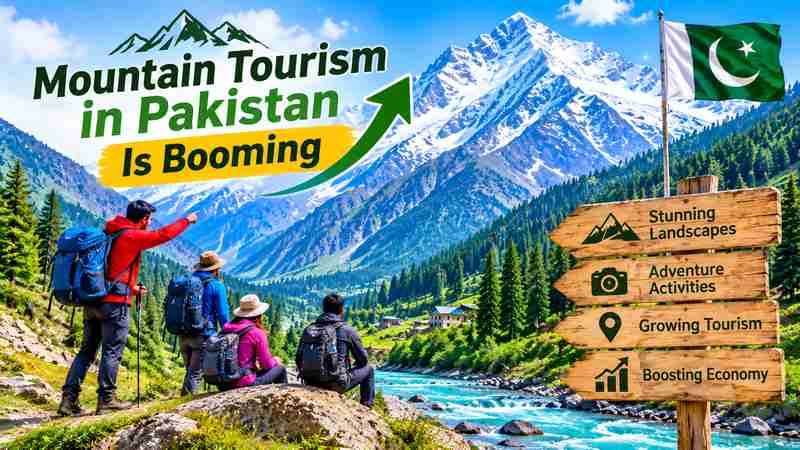
Pakistan has always had stunning mountains. However, travel is now easier than before. Roads in the north have improved. Moreover, new hotels and guesthouses open every year. Travelers can now find comfort even in remote valleys.
Social media also plays a big role. Photos of blue lakes and snowy peaks spread quickly online. Consequently, more people want to see these places with their own eyes. Foreign travel magazines have also praised the north in recent years.
In addition, local tourism has risen sharply. Families from Lahore, Karachi, and Islamabad now plan yearly trips to the hills. Therefore, mountain tourism in Pakistan supports thousands of jobs. Hotel owners, guides, drivers, and shopkeepers all benefit.
Finally, the country offers great value. A trip here costs far less than a trip to the Alps. Because of this, budget travelers find Pakistan very attractive.
Hunza Valley: The Crown of the North
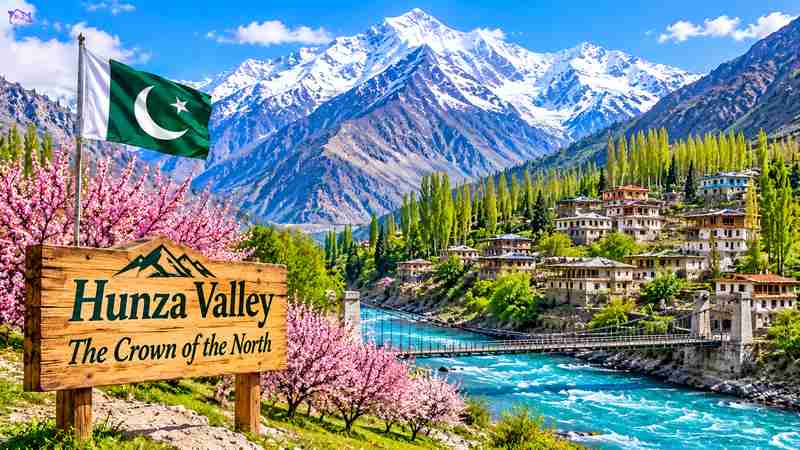
Hunza Valley is the first name on most travel lists. It sits in Gilgit-Baltistan and shines with natural beauty. Rakaposhi and Ultar Sar rise high above the valley floor. In spring, apricot blossoms cover the fields in white and pink.
Visitors can explore Baltit Fort and Altit Fort. Both forts are centuries old. Moreover, they offer wide views of the valley. The local people are friendly and proud of their culture.
Karimabad is the main town and a good base. You will find hotels, cafes, and small shops there. In addition, the Eagle’s Nest viewpoint gives a fine sunset view.
Autumn is the best season for Hunza. The leaves turn gold and red. Therefore, photographers love this time of year. No list of mountain tourism in Pakistan feels complete without this valley.
Skardu: Gateway to the Karakoram
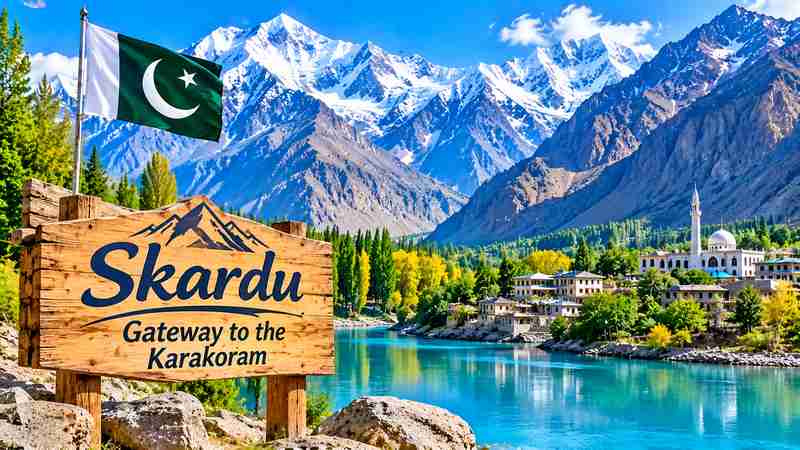
Skardu is a top choice for anyone who loves big mountains. The town lies in a wide valley beside the Indus River. Furthermore, it serves as the starting point for treks to K2 and Concordia.
Shangrila Resort, also known as Lower Kachura Lake, is a popular stop. The red-roofed cottages and calm water make a lovely scene. Upper Kachura Lake is just a short drive away and feels quieter.
The Deosai National Park is another highlight near Skardu. It sits more than 4,000 meters above sea level. In summer, wildflowers cover the plains. Moreover, you may spot Himalayan brown bears in the wild.
Do not miss the Katpana Desert either. This cold desert stands next to snow-capped hills. As a result, the view feels unusual and memorable.
Fairy Meadows and Nanga Parbat
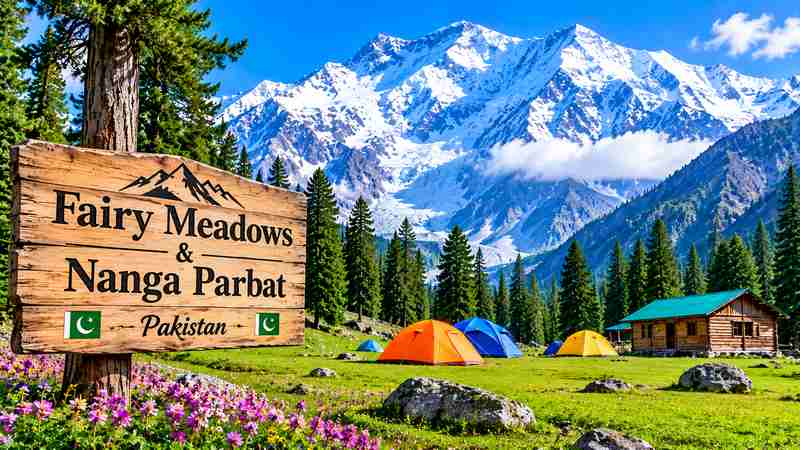
Fairy Meadows offers one of the most famous views in the country. From here, you can see Nanga Parbat, the ninth highest mountain in the world. Locals call it the Killer Mountain, yet the view is peaceful.
The journey is part of the adventure. First, you drive to Raikot Bridge. Then you take a jeep ride on a narrow, steep track. Finally, you hike for a few hours to reach the meadow. However, the effort pays off.
Many visitors stay in wooden huts. The nights are cold, but the stars look amazing. In addition, you can hike further to Nanga Parbat Base Camp. This trek needs good fitness and a local guide.
Plan your visit between June and September. Outside this window, snow may block the route. This trek shows why mountain tourism in Pakistan appeals to both casual hikers and serious trekkers.
Neelum Valley in Azad Kashmir
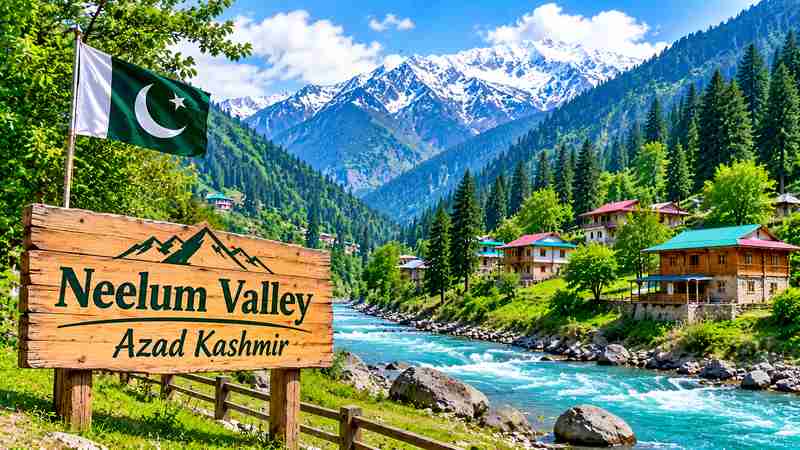
Neelum Valley is a gem for nature lovers. The Neelum River flows through green forests and steep hills. Moreover, the air feels clean and fresh. Many families choose this valley for a relaxing break.
Keran, Sharda, and Arang Kel are the main stops. Arang Kel sits on a hilltop and needs a short hike or a cable car ride. The view from the top is wonderful. In addition, the small village has a calm, old-world charm.
Ratti Gali Lake is another favorite. It lies high in the mountains and often has floating ice in early summer. Therefore, it needs a stronger trek and proper shoes.
Check road conditions before you leave. Landslides can close parts of the route during heavy rain.
Swat Valley: The Switzerland of Pakistan
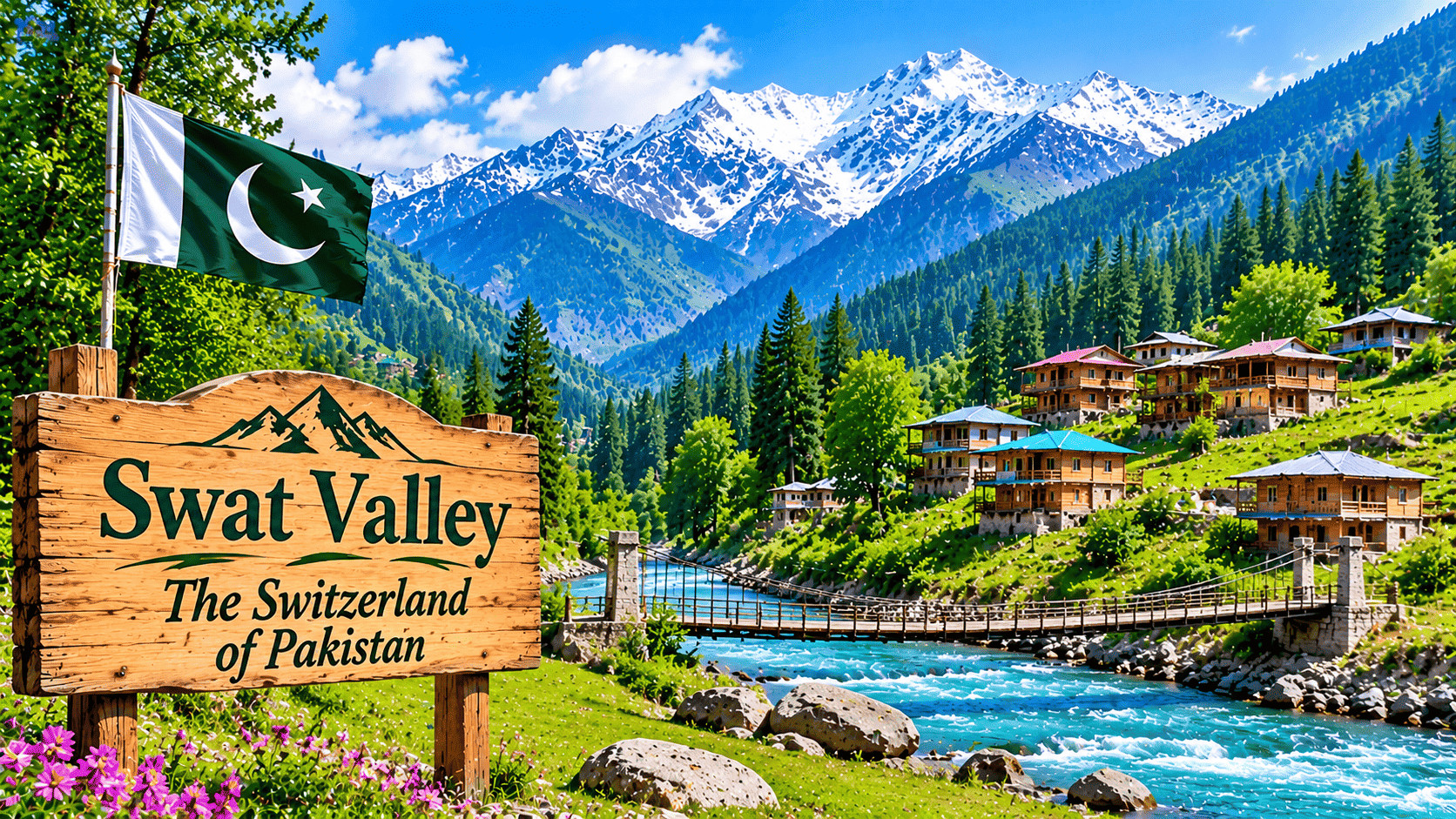
Swat is easy to reach from Islamabad. Therefore, it suits short trips. The valley has rivers, pine forests, and green slopes. Many people call it the Switzerland of Pakistan, and the name fits well.
Malam Jabba is a popular hill station with a ski resort. In winter, snow draws visitors from across the country. Moreover, a chairlift ride gives broad views of the valley.
Kalam and Ushu Forest are other favorite spots. Mahodand Lake lies further up and shows crystal clear water. In addition, Swat has ancient Buddhist sites for history lovers.
Spring and summer are the best times here. The weather stays mild and pleasant. Swat proves that mountain tourism in Pakistan does not always need a long journey.
Chitral and the Kalash Valleys
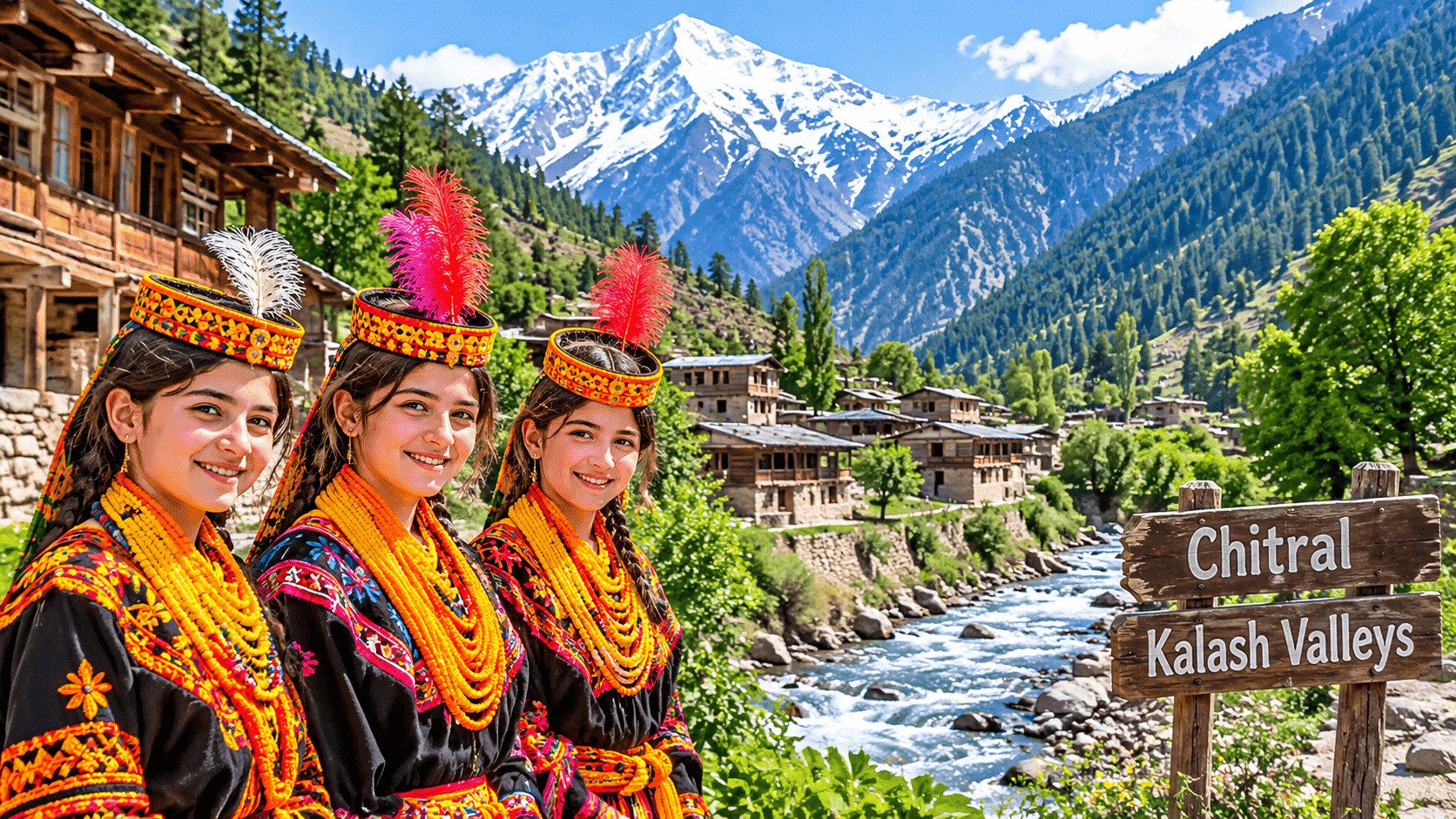
Chitral offers a different taste of mountain travel in Pakistan. It lies in the Hindu Kush range and feels remote. Tirich Mir, the highest peak of the Hindu Kush, towers over the region.
The Kalash valleys are the main attraction. Bumburet, Rumbur, and Birir are home to the Kalash people. They follow a unique culture with colorful dress and lively festivals. However, visitors must show respect and ask before taking photos.
Shandur Pass is also worth a visit. It hosts the famous Shandur Polo Festival each summer. Teams play polo at the highest polo ground in the world.
Chitral rewards patient travelers. The roads are long, yet the scenery is rich and quiet.
Naltar Valley and Its Colorful Lakes
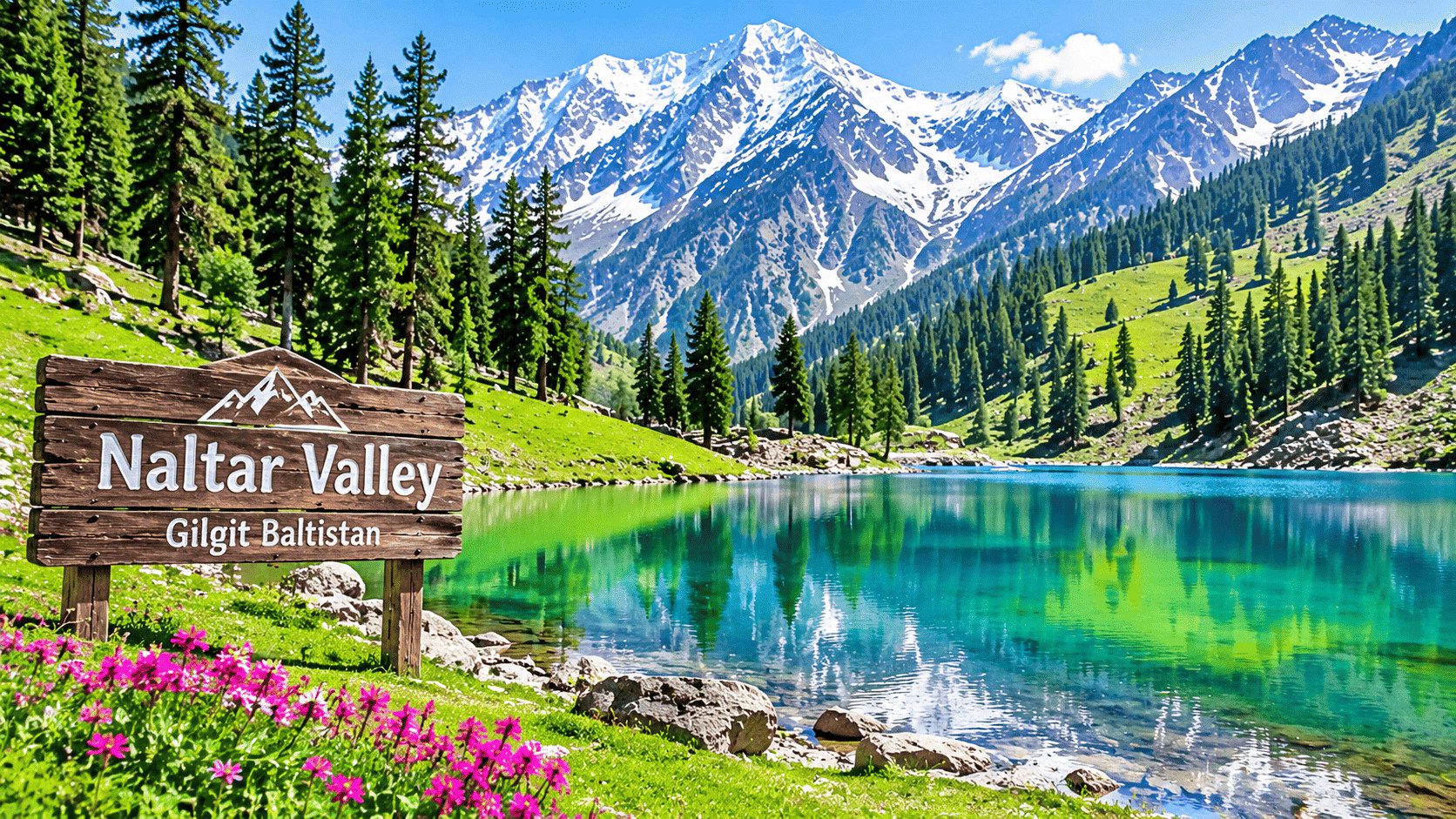
Naltar lies near Gilgit and feels like a hidden world. The valley has pine forests and a small ski area. Moreover, its lakes shine in blue, green, and turquoise shades.
The Naltar Lakes are the main draw. The road is rough, so you need a jeep. However, the ride is short and the lakes are worth the bumps.
Winter visitors can try skiing. The Pakistan Air Force runs a ski school nearby. In summer, hikers enjoy easy trails through the forest.
Therefore, Naltar suits both snow lovers and summer travelers.
Passu Cones and the Karakoram Highway
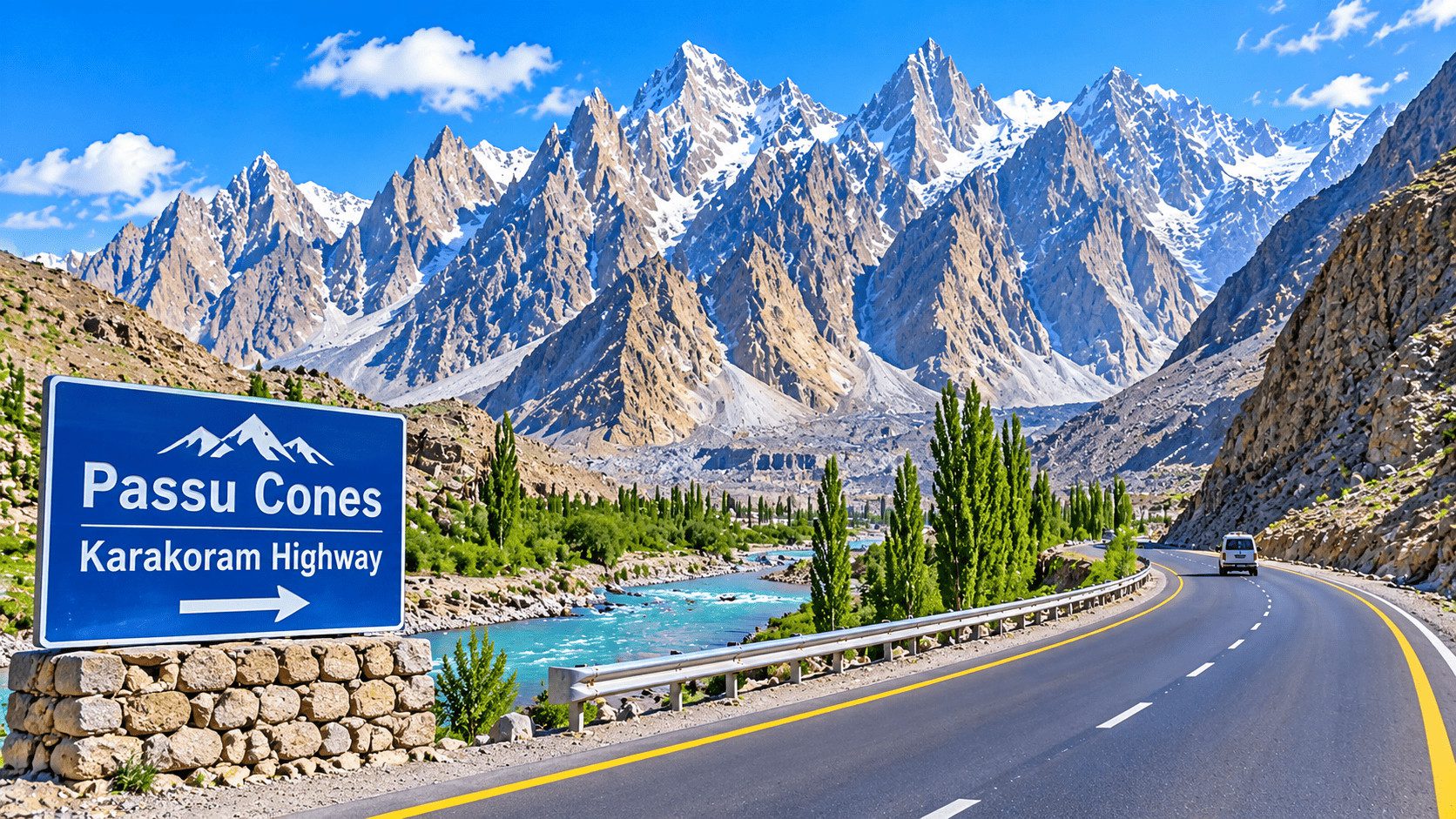
The Karakoram Highway is a trip on its own. It links Pakistan with China and cuts through towering mountains. Furthermore, it passes some of the most beautiful spots in the north.
Passu is a village along this road. Its jagged peaks, called the Passu Cones, look like sharp teeth. The Passu Glacier lies close by. In addition, the Hussaini Suspension Bridge attracts brave visitors. The bridge is old and wobbly, so cross with care.
Attabad Lake is another highlight on this route. A landslide formed it in 2010. Today, its bright blue water draws crowds. Boat rides here are fun and affordable.
Stop often and enjoy the road. Every bend offers a new view.
Best Time for Mountain Tourism in Pakistan
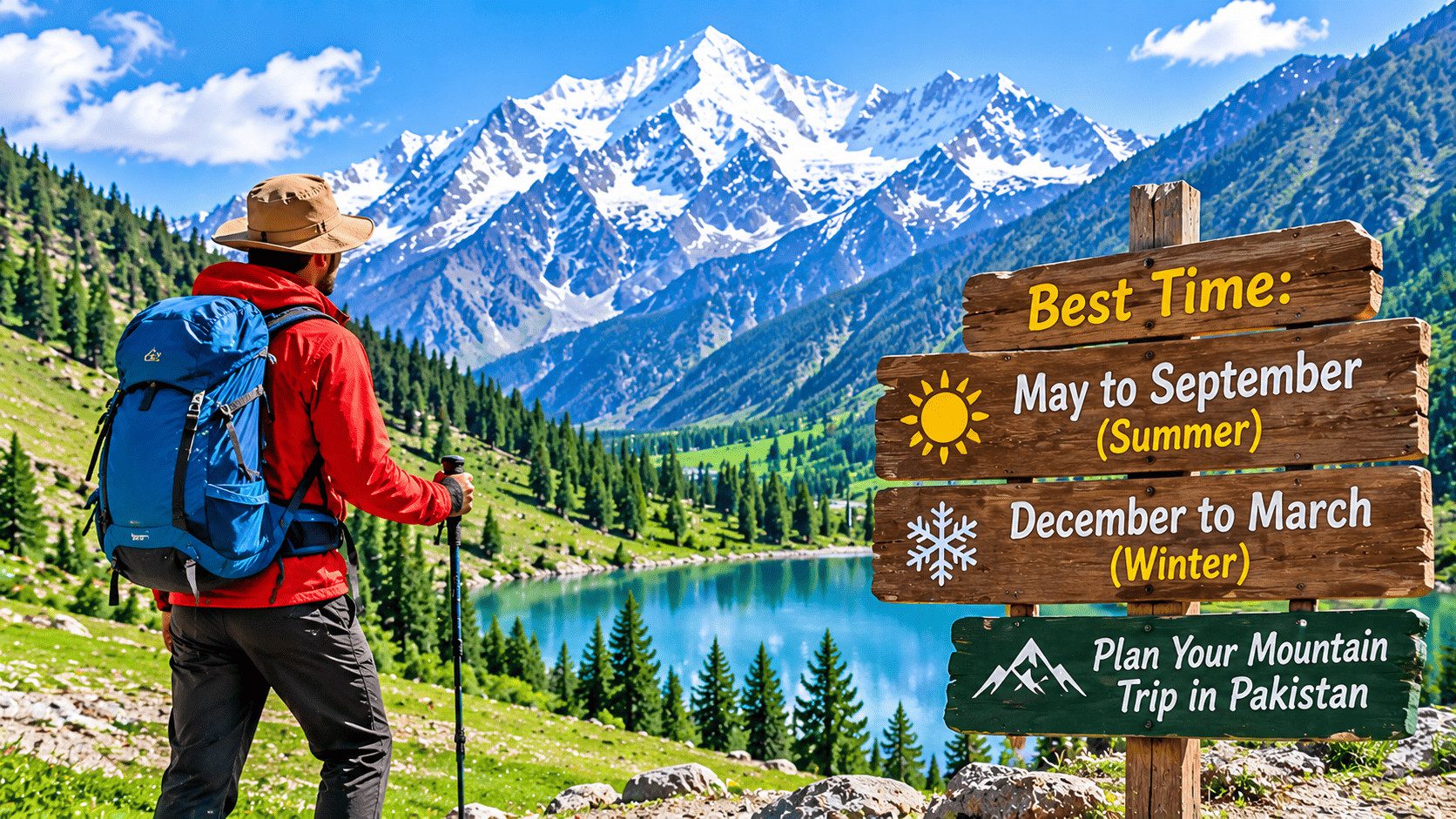
Timing matters a lot in the north. Most areas are open from May to October. During these months, the weather stays pleasant and roads stay clear.
June to August suits high places like Deosai and Fairy Meadows. In contrast, September and October bring autumn colors to Hunza and Skardu. Moreover, crowds are smaller in autumn.
Winter is possible for some regions. Malam Jabba and Naltar welcome skiers from December to February. However, many high roads close because of snow. Therefore, always check the forecast before you travel.
Spring is perfect for blossom lovers. Hunza and Swat look their best in April.
Practical Travel Tips for Mountain Trips
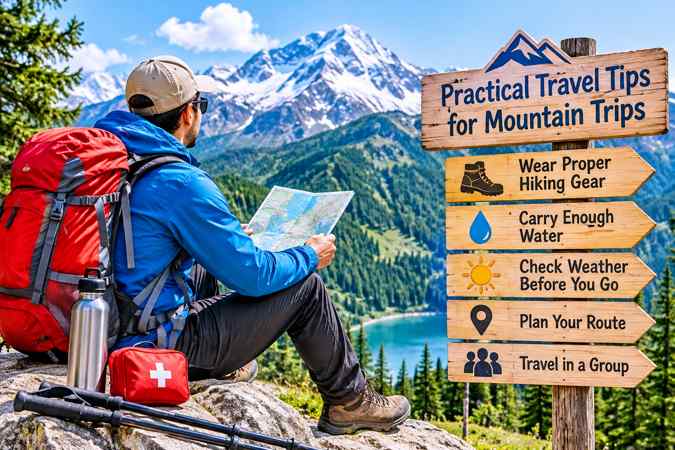
Good planning makes mountain tourism in Pakistan far smoother. First, book your hotels early in peak season. Prices rise quickly in June and July. In addition, reserve a reliable driver or a rental jeep for rough roads.
Next, pack smart. Bring layers, a warm jacket, and sturdy shoes. Moreover, carry sunscreen, a hat, and sunglasses because the sun is strong at altitude. A power bank also helps, as electricity can fail in remote areas.
Altitude sickness is real. Therefore, climb slowly and drink plenty of water. Rest if you feel dizzy or have a headache. Descend if the symptoms get worse.
Carry cash as well. ATMs are rare in small villages. Also, mobile signals can be weak, so download offline maps before you go.
Safety and Responsible Travel in the Mountains
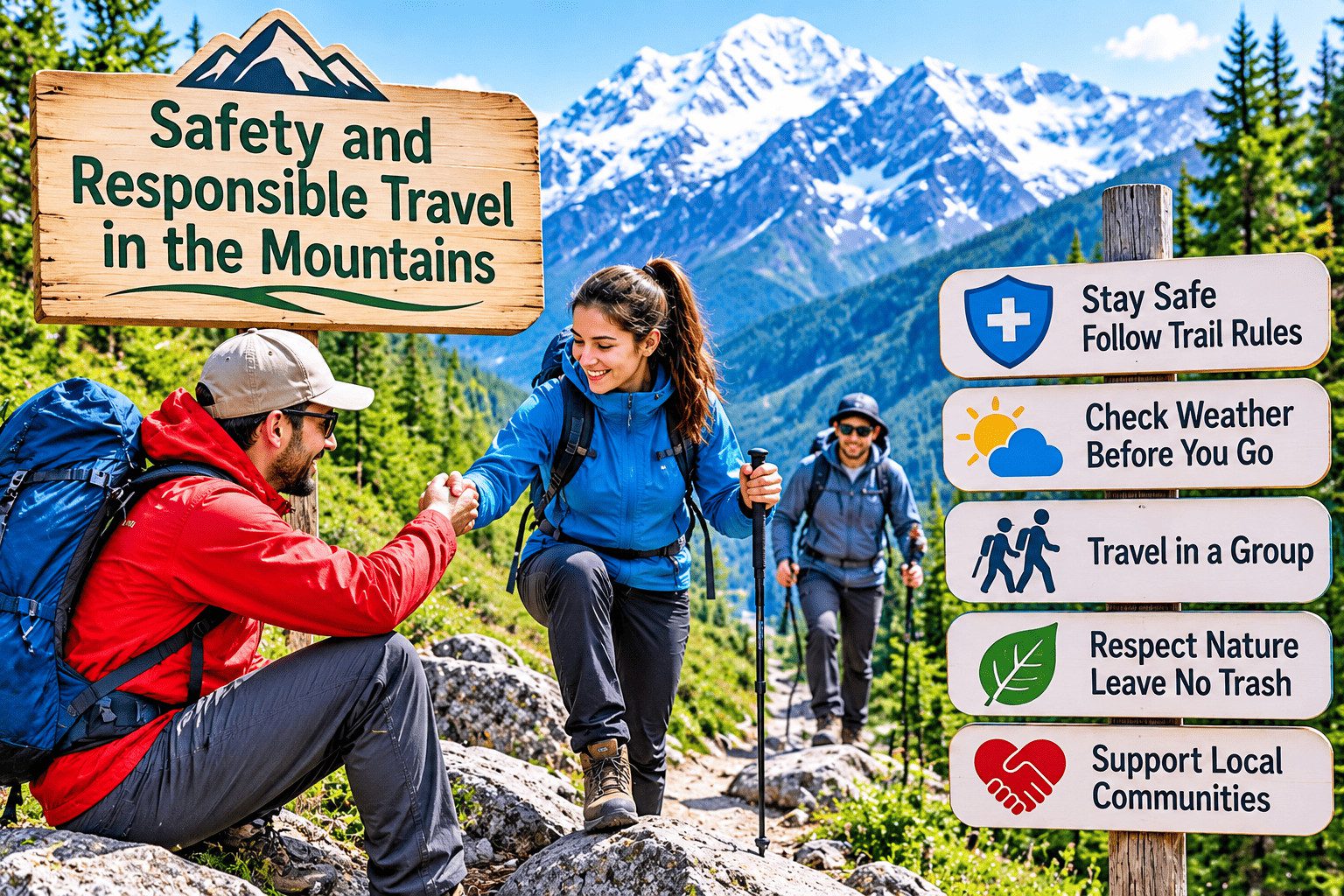
Pakistan’s mountains are welcoming, but safety still comes first. Check road and weather updates daily. Furthermore, avoid driving at night on mountain roads. Many roads are narrow and have steep drops.
Hire local guides for treks. They know the terrain and the weather. In addition, they support local families. For high treks and climbs, you may need a permit, so ask your tour operator early.
Respect local culture too. Dress modestly, especially in villages. Moreover, ask before you take photos of people. A kind smile goes a long way.
Finally, protect nature. Carry your trash back with you. Avoid plastic bottles when possible. As a result, responsible mountain tourism in Pakistan can continue for future travelers.
Local Food to Try on Your Journey
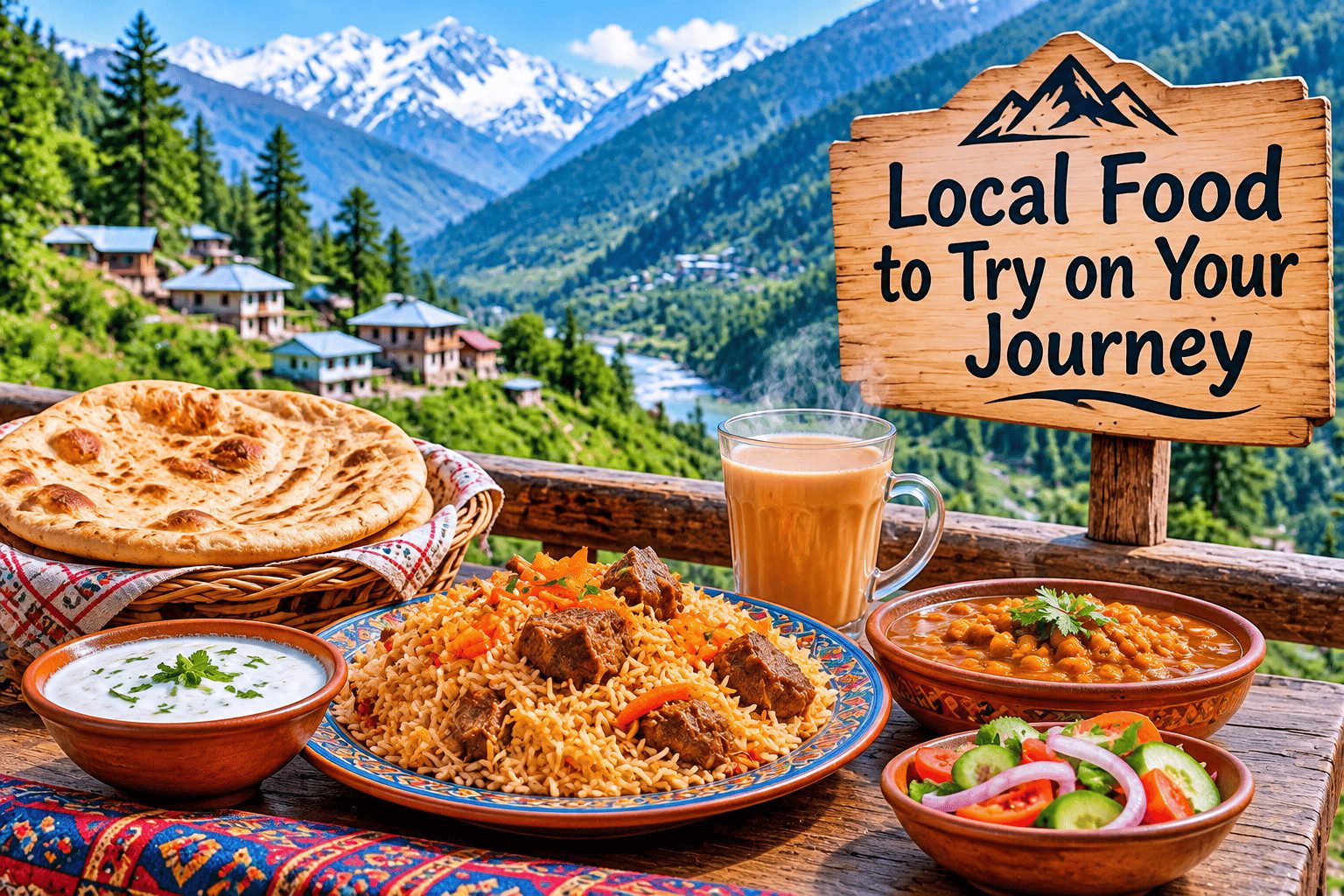
Food is part of every journey, and the north has great flavors. In Hunza, try Chapshuro, a meat-filled bread. Moreover, taste dried apricots and walnuts, which are local specialties.
In Skardu, sip warm butter tea on a cold morning. Locals also serve Mamtu, a steamed dumpling filled with meat. In addition, Swat is known for fresh trout from clean rivers.
Kashmiri tea, or Noon Chai, is another treat. Its pink color and creamy taste feel perfect in the cold air. Therefore, try a cup at a roadside stall.
Eating local also helps village families. Small cafes and home kitchens rely on visitors, so every meal supports mountain tourism in Pakistan at the community level.
Conclusion
Start Planning Your Mountain Adventure
Mountain tourism in Pakistan offers something for every traveler. You can walk beside glaciers in Hunza, camp under the stars at Fairy Meadows, or relax by a quiet lake in Swat. Each valley has its own story, and each one leaves you with strong memories.
However, a great trip begins with good planning. Choose the right season, pack smart, and respect local people and nature. Moreover, hire a local guide when the route gets tough. Therefore, you will stay safe and enjoy every moment.
Pakistan’s northern areas are ready to welcome you in 2026. So pick your first destination, book early, and start your journey. The mountains are waiting.
Frequently Asked Questions
1. What is the best time for mountain tourism in Pakistan?
The best time runs from May to October. During these months, the weather stays mild and most roads stay open. Autumn is great for colors in Hunza and Skardu, while summer suits high places like Deosai and Fairy Meadows. Winter works for skiing in Malam Jabba and Naltar.
2. Which mountain destination in Pakistan is best for first-time visitors?
Hunza Valley and Swat Valley are good first choices. Both have comfortable hotels, easy roads, and friendly locals. In addition, they offer wide views without hard treks. Swat is also closer to Islamabad, so it suits shorter trips.
3. Is it safe to travel to the northern mountains of Pakistan?
Most tourist areas are safe for visitors. However, you should check weather and road updates before each trip. Avoid night driving on mountain roads and hire local guides for treks. Finally, respect local customs and carry some cash, because ATMs are rare in remote villages.
learn more about this article then vist wikipedia
https://triptrial.info/pir-chinasi-azad-kashmir-explore-beautiful-mountain-views/
https://triptrial.info/travel-packages-tips-for-planning-your-perfect-holiday/
https://triptrial.info/pakistan-china-border-travel-complete-khunjerab-pass-guide/
https://triptrial.info/beautiful-place-in-pakistan/
https://triptrial.info/best-hiking-trails-near-me-top-hiking-trips-and-adventures/