



Why Pakistan Is Surging as a Top Global Travel Destination
If you still picture Pakistan solely through outdated news footage, you are missing one of the most dramatic shifts in modern travel which are the best places to visit in Pakistan. Over the past few years, the country has quietly overhauled its tourism infrastructure—rolling out an online e-Visa system for over 175 nations and paving high-altitude routes like the Karakoram Highway that used to batter 4x4s for days. The result? Outlets like Conde Nast Traveler and the British Backpacker Society routinely rank it among the world’s most compelling frontier destinations.
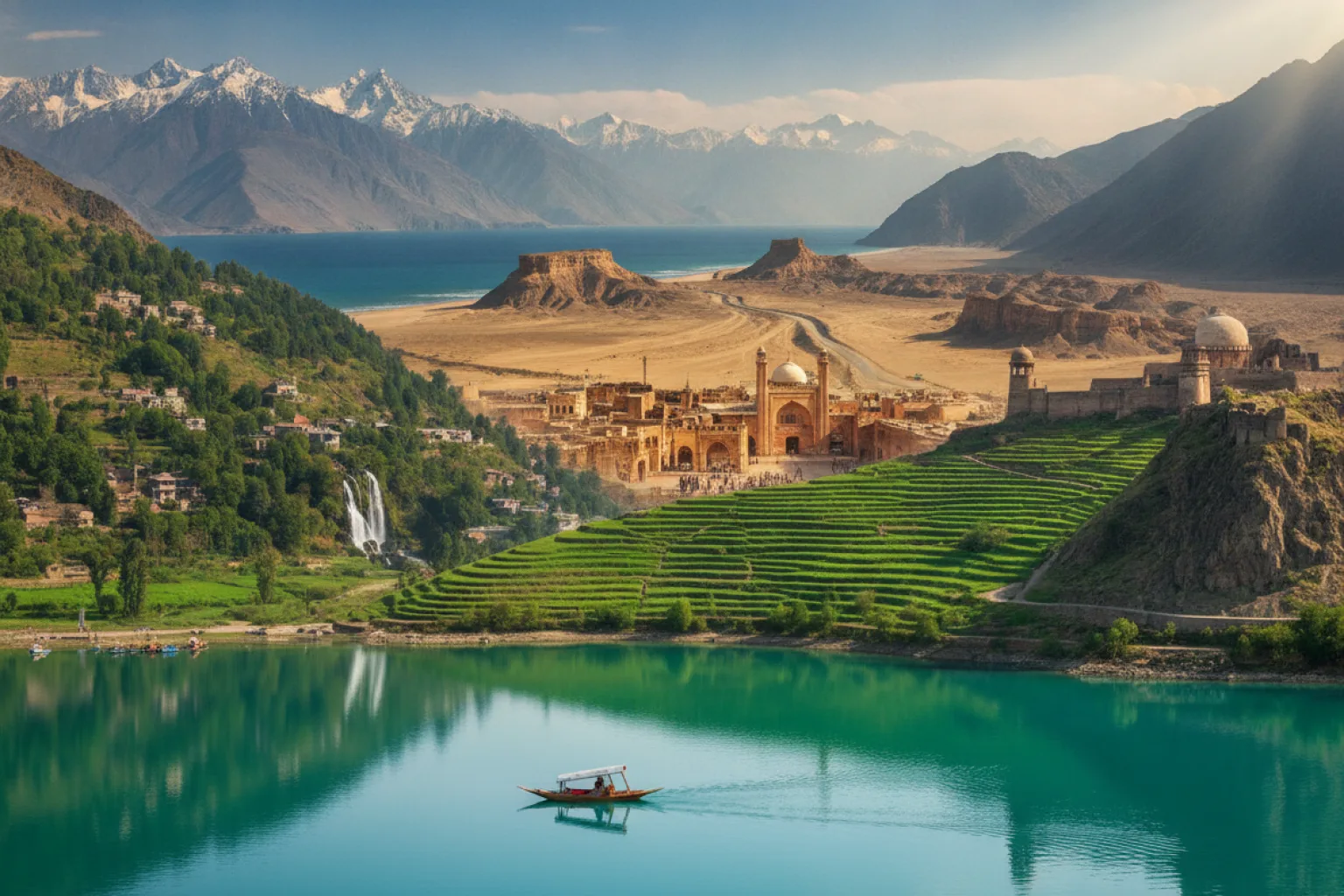
What earns these locations a spot among the best places to visit in Pakistan is pure, unfiltered geographic range. You can stand beneath five of the world’s fourteen 8,000-meter peaks in the north, cross the salt ranges of Punjab, and end your week watching the sunset over the mud volcanoes of Balochistan along the Arabian Sea.
This curated breakdown cuts through the noise for three specific travel styles:
- High-altitude trekkers chasing technical base camps (like K2 or Rakaposhi).
- Heritage buffs tracking Mughal architecture, Buddhist ruins in Taxila, and Sufi shrines.
- First-time independent travelers balancing comfort with off-grid immersion.
Let’s address the elephant in the room: safety. Independent tracking from organizations like the Overseas Investors Chamber of Commerce and Industry (OICCI) has shown security metrics improving steadily over the past decade, and foreign travel advisories from Western governments have softened significantly. That said, smart travel here is regional, not uniform.
| Region | Primary Appeal | Ground Reality / Trade-Off |
|---|---|---|
| Gilgit-Baltistan | Alpine valleys, mountaineering | Safest tourist corridor; seasonal road closures |
| Punjab & Islamabad | Mughal heritage, food, paved transit | Easy year-round logistics; extreme summer heat |
| Balochistan Coast | Remote beaches, surreal rock formations | Stunning terrain; requires local permits and escorts |
Knowing where to go—and crucially, when to avoid specific mountain passes—makes the difference between a frustrating detour and a life-changing expedition. Here is where to point your compass.
Top Northern Mountain Valleys to Add to Your Northern Pakistan Itinerary
When travelers sketch out the best places to visit in Pakistan, the towering peaks of Gilgit-Baltistan usually steal the spotlight. But picking the right valley comes down to how much road-weariness and elevation you can handle.
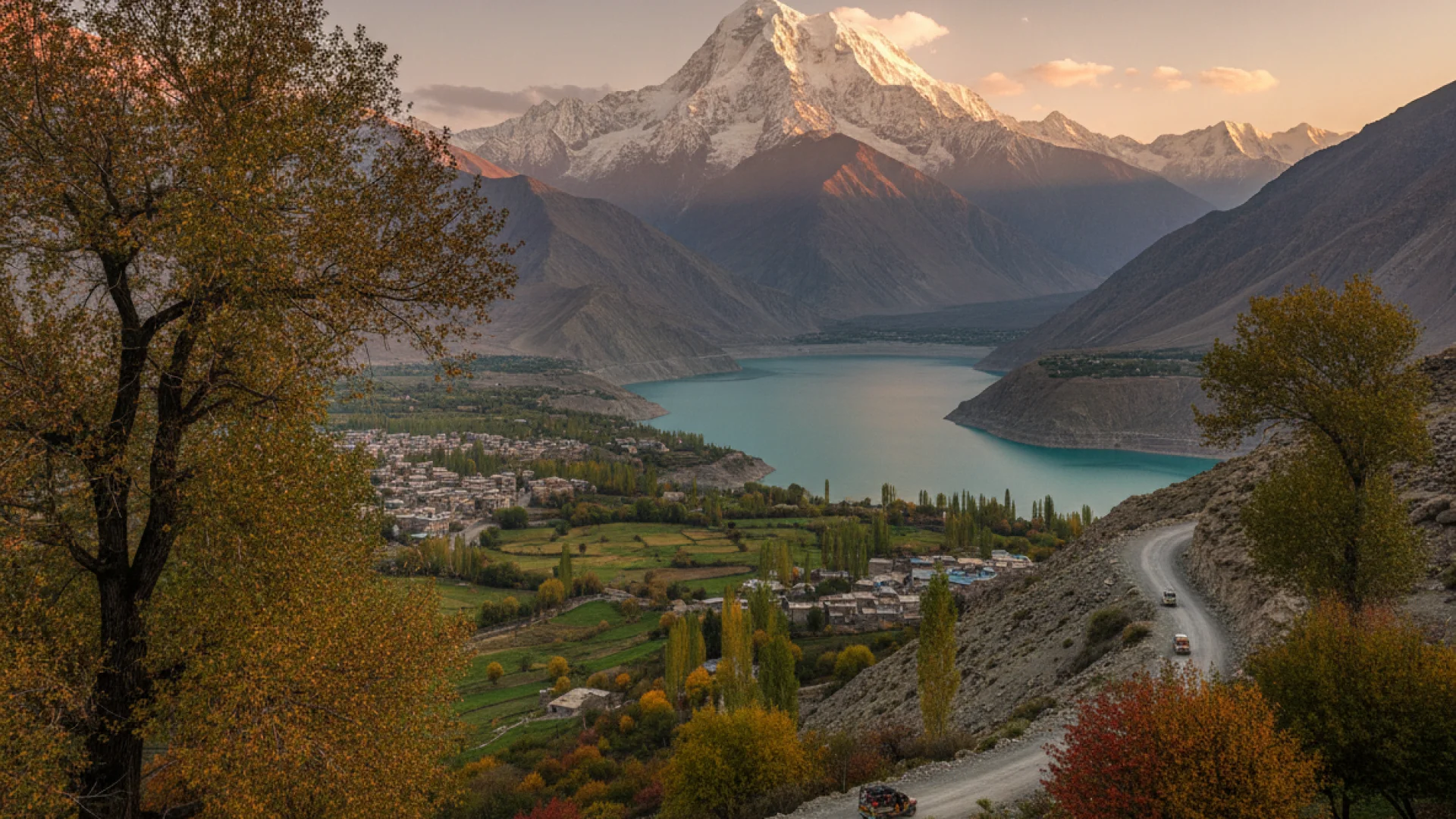
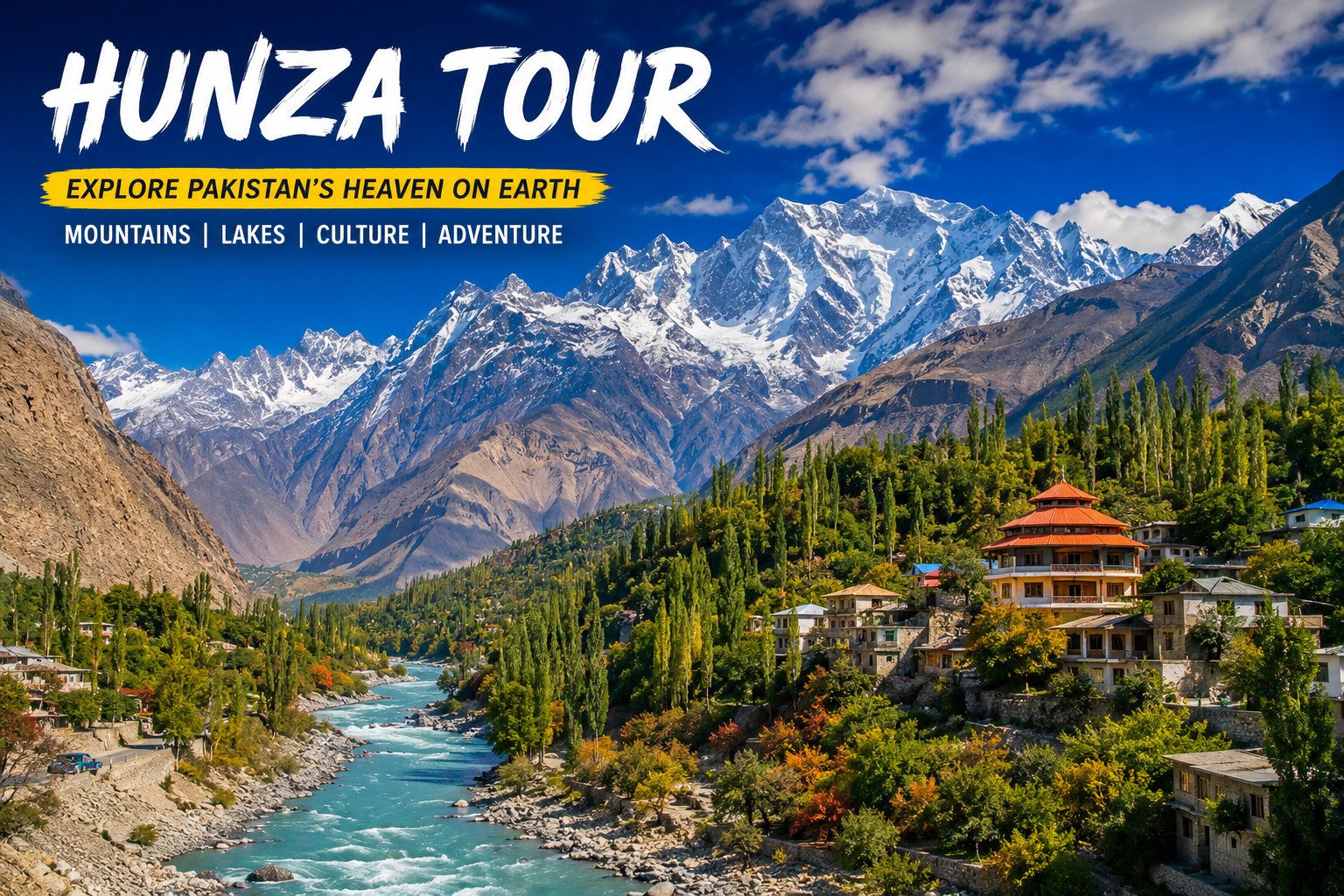
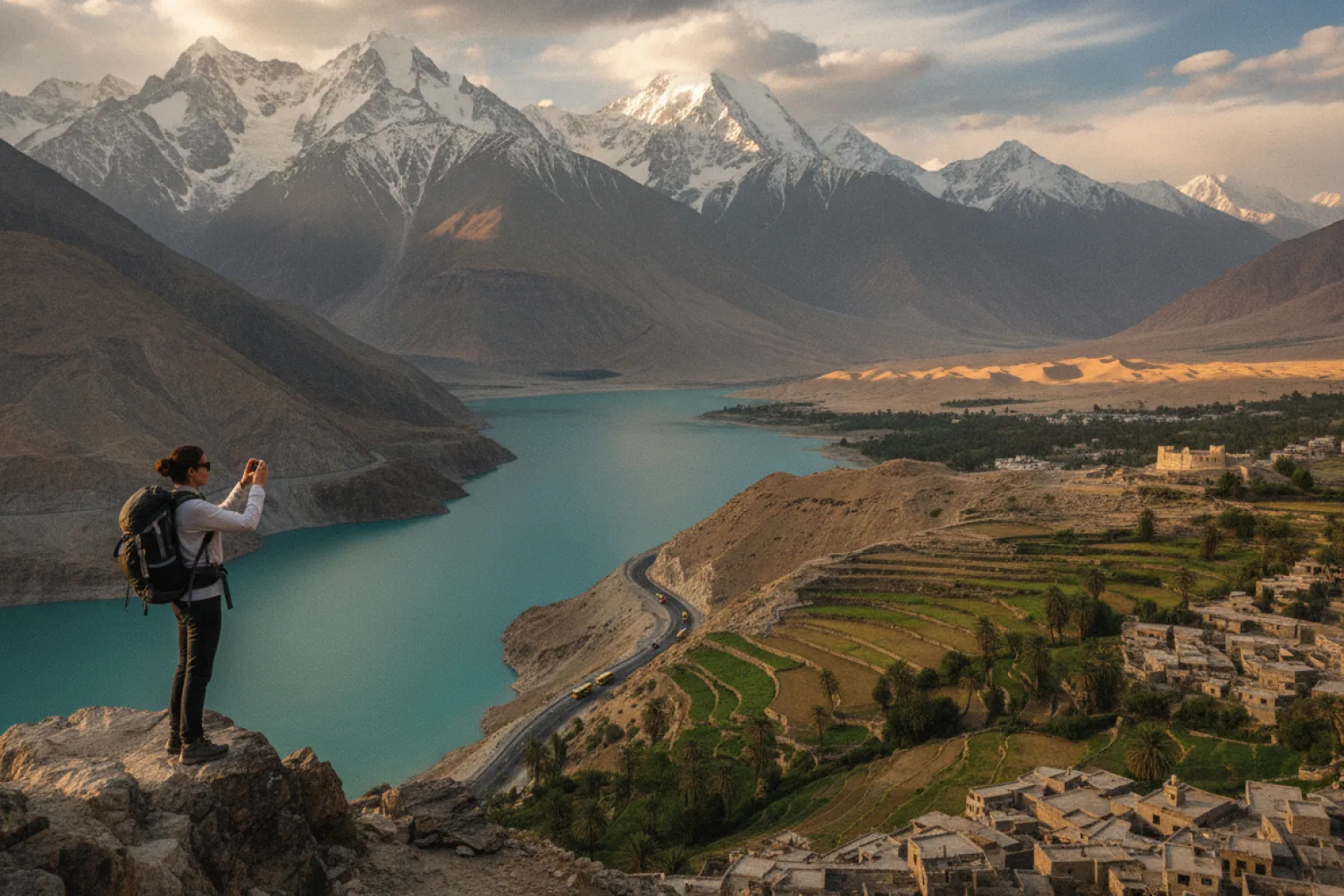
Hunza Valley sets the standard for a classic northern circuit. Base yourself in Karimabad, walk the steep cobbles up to the 700-year-old Baltit Fort, and catch golden hour over the Karakoram range from the Eagle’s Nest viewpoint. Further up the Karakoram Highway, the turquoise water of Attabad Lake offers easy boating, though afternoon winds often turn it choppy—pack layers even in July.
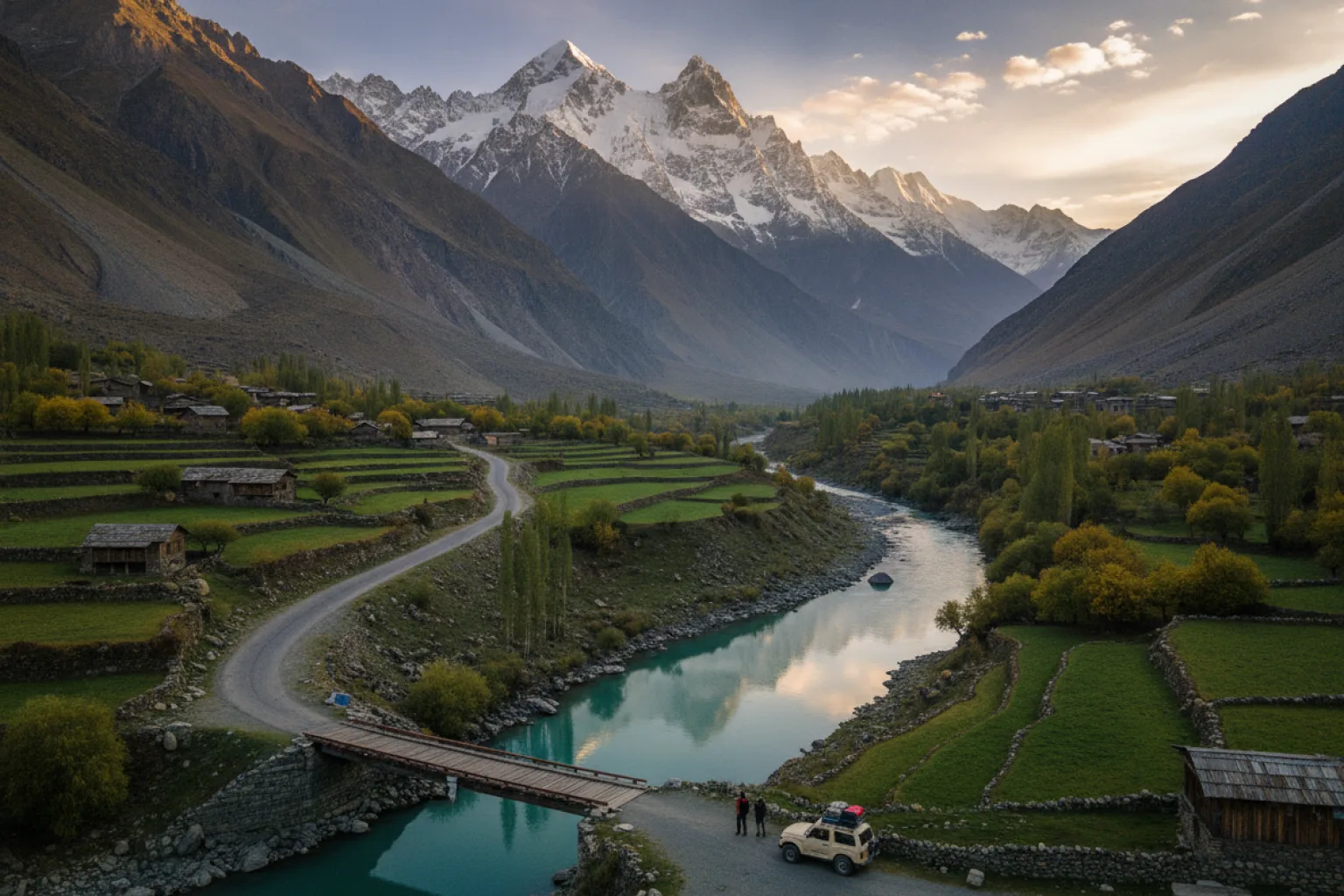
Heading east into Baltistan, Skardu shifts from lush terraced fields to raw, high-altitude extremes. It serves as the staging ground for K2 expeditions, but casual travelers will love the reflective waters of Shangrila Lake and the surreal windswept dunes of the Katpana Cold Desert. Winter brings snow over the sand, while summer days get surprisingly hot under thin alpine air.
If you crave high-altitude drama, Fairy Meadows delivers an unobstructed wall of ice facing Nanga Parbat’s Raikot Face. Getting there tests your nerves:
- You must hire a local 4×4 for a hair-raising, single-track dirt ledge from Raikot Bridge to Tattu village.
- From Tattu, it is a steady 3-to-4-hour trek up to the huts. Pushing another 4 hours to Nanga Parbat Base Camp demands solid knees, broken-in boots, and proper altitude acclimation.
For families or shorter road trips, swap the Karakoram roughness for pine-fringed river valleys. Swat Valley, long dubbed the “Switzerland of the East,” has smooth tarmac running past trout streams and archaeological ruins. Further south, Neelum Valley in Azad Kashmir unfurls dense forests and riverside wooden guest houses along the fast-flowing Neelum River.
| Destination | Best For | Road Access & Difficulty |
|---|---|---|
| Hunza | Culture, iconic viewpoints | Paved highway, accessible for any vehicle |
| Skardu | Wilderness, gateway treks | Long mountain highway or weather-dependent flight |
| Fairy Meadows | Raw mountaineering views | Rough 4×4 trail + strenuous hike |
| Swat & Neelum | Gentle touring, lush forests | Moderate paved drives; family-friendly |
Must-Visit Historical and Architectural Landmarks in Punjab and Sindh
If you want to understand the soul of the country, head south from the mountains. The plains of Punjab and the arid stretches of Sindh hold some of the absolute best places to visit in Pakistan for anyone obsessed with living history.
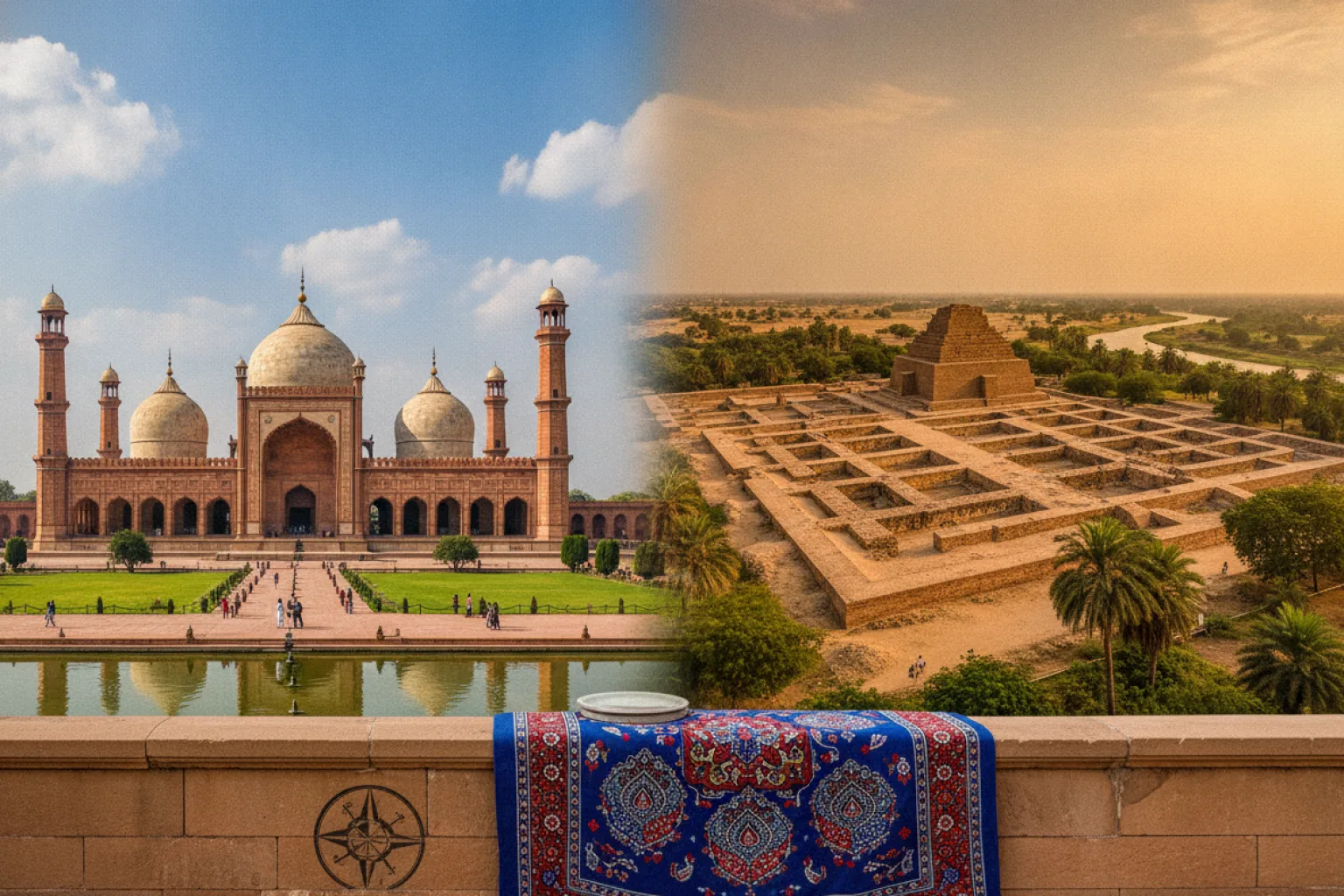
Start in Lahore’s Walled City. It gets loud, hot, and overwhelming fast, but pushing through Delhi Gate rewards you immediately. Step inside the 17th-century Shahi Hammam to see meticulously restored Persian frescoes before walking up to the UNESCO-listed Lahore Fort and the cavernous red sandstone courtyard of Badshahi Mosque. Skip the midday heat here; visit the mosque right before sunset when the marble floors cool down and the evening call to prayer echoes off the walls.
Further south, Multan—the City of Saints—shifts the visual palette completely. Instead of red sandstone, you get glazed cobalt and turquoise kashi tilework. The crowning glory is the 14th-century Tomb of Shah Rukn-e-Alam, perched on an old mound overlooking the city. Its octagonal dome is visible for miles.
Deep in the Cholistan Desert, Derawar Fort rises out of the flat horizon like a mirage. Its 40 massive bastions stand 30 meters high, built to guard ancient trade corridors. You will need a local 4×4 driver from Bahawalpur to get out here comfortably—do not attempt the sand tracks in a standard rental sedan.
Finally, cross into Sindh to reach Mohenjo-daro. Walking the 4,500-year-old baked-brick streets of this Bronze Age metropolis is humbling. The sophisticated covered drainage systems, standardized brick proportions, and the famous Great Bath put many modern subdivisions to shame.
| Landmark | Location | Best Season | What Not to Miss |
|---|---|---|---|
| Walled City & Fort | Lahore, Punjab | Nov – Feb | Sheesh Mahal glasswork |
| Shah Rukn-e-Alam | Multan, Punjab | Dec – Feb | Blue pottery tile artisans nearby |
| Derawar Fort | Cholistan, Punjab | Dec – Feb | The desert camel tracks at dusk |
| Mohenjo-daro | Larkana, Sindh | Dec – Jan | The elevated Great Bath complex |
Pro-tip: Avoid visiting Sindh and southern Punjab between May and August. Temperatures regularly pass 45°C (113°F), turning outdoor ruins into ovens. Stick to the mild winter window for exploring these heritage hubs comfortably.
Coastal Escapes and Geotourism Wonders in Balochistan
When travelers shortlist the best places to visit in Pakistan, they usually look north toward the Karakoram. That is a mistake if you love raw, empty geography. The Makran coastline in Balochistan offers an entirely different kind of scale—windswept, prehistoric, and eerily quiet.
Cruising the Makran Coastal Highway (N-10) drops you straight into Hingol National Park. Millennia of coastal winds and monsoon rains have carved the mud and sandstone cliffs into surreal, natural sculptures. You will spot the famous Princess of Hope standing like an ancient sentry, alongside the uncanny profile of the Balochistan Sphinx. The real draw here isn’t just snapping a photo; it’s the sense of being stranded on Mars with an ocean breeze.
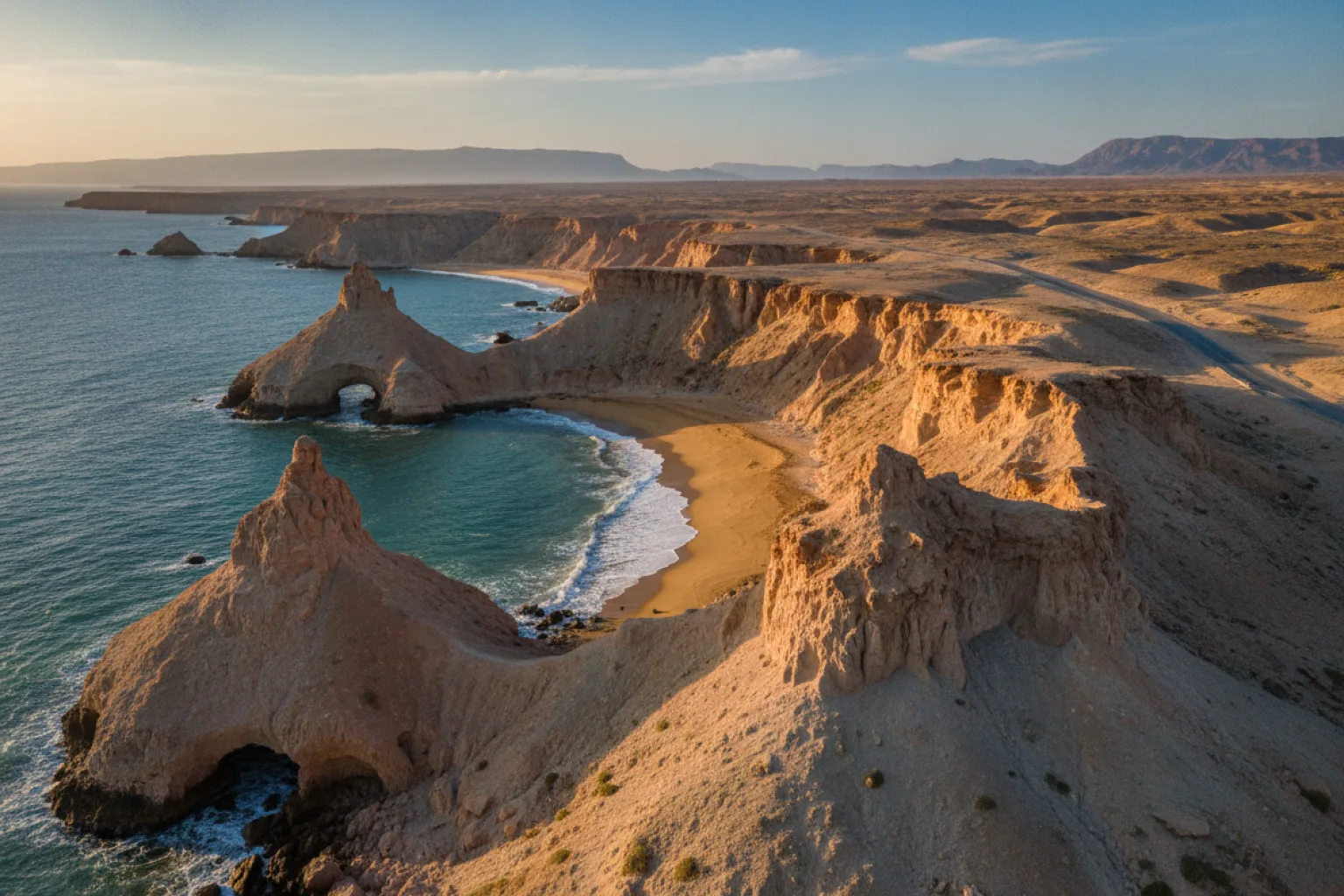
Just down the asphalt sits Kund Malir Beach. It is one of the rare coastlines on Earth where pale desert dunes crash right into the turquoise Arabian Sea. Stop during the cooler hours of late afternoon. Setting foot on the sand at high noon in summer is brutal, and the blistering heat will ruin the stop fast.
For true adventurers, charter a fishing boat out of Pasni to reach Astola Island (Jezira Haft Talar, or the Island of the Seven Hills). Recognized as Pakistan’s first Marine Protected Area, this isolated offshore slab is the country’s crown jewel for scuba diving. You will find coral reefs, breeding grounds for green turtles, and clear, undisturbed waters. Just know there are zero resorts or fresh water sources here; it is pure self-sufficient camping.
| Destination | Ideal For | What to Watch Out For |
|---|---|---|
| Hingol National Park | Geological oddities, photography | Brutal midday heat, zero shade |
| Kund Malir | Golden sand, dune-sea contrast | Limited facilities; pack trash out |
| Astola Island | Scuba diving, marine conservation | 4–5 hour rough boat ride from Pasni |
Planning Your Trip Safely
Safety along this route has improved dramatically, but do not treat it like a casual Sunday drive:
- Check the paperwork: Domestic tourists generally need only their CNIC. Foreign passport holders should confirm current Non-Objection Certificate (NOC) regulations before booking, as regional rules shift without warning.
- Stick to the corridor: Travel during daylight hours along the main coastal highway. Checkpoints run by the Coast Guard and Levies Force are frequent; register politely, keep your papers handy, and never wander off-piste onto unmarked desert tracks without a local guide.
Real Travel Itineraries: How to Plan 7, 10, or 14 Days in Pakistan
Connecting the best places to visit in Pakistan requires honest math about transit. The country is massive, and mountain roads will humble even the most confident timeline. Here is how to pace your trip based on your actual runway.
7-Day Express: Culture and a Peak View
If you only have a week, do not try to drive north. Fly.
- Days 1–2: Dive straight into Lahore’s walled city, Badshahi Mosque, and the evening food street on Fort Road.
- Day 3: Take the M-2 motorway to Islamabad; visit Faisal Mosque and catch sunset from the Margalla Hills.
- Days 4–6: Catch an early morning flight from Islamabad to Gilgit, base yourself in Karimabad (Hunza), and explore Baltit Fort.
- Day 7: Fly back to Islamabad for your international connection.
10-Day Northern Loop: The Karakoram Classic
Ten days gives you breathing room to tackle the iconic Karakoram Highway (KKH) without living in a van. Spend your first two days in Islamabad before heading north through the lush Kaghan Valley. Sleep in Naran, cross the dramatic Babusar Pass (open June to October only), and join the KKH toward Hunza. Spend four full days splitting your time between Karimabad, the turquoise waters of Attabad Lake, and the suspension bridge at Passu. Drive back south over two days with an overnight stop in Besham or Chilas.
14-Day Grand Tour: Sufi Shrines to the Karakoram
With two weeks, bridge Pakistan’s spiritual south with its dramatic north. Start in Karachi, take an overnight sleeper train or quick flight to Multan to wander its blue-tiled Sufi shrines, then head up to Lahore. From there, pivot entirely to the mountains: fly into Skardu for the cold desert of Katpana and the gateway to K2, then transfer overland along the roaring Indus River gorge into Hunza before wrapping up in Islamabad.
Overland vs. Flying: The Ground Reality
Mountain flights to Gilgit and Skardu are strictly weather-dependent; one stubborn cloud over the runway can scrub your flight instantly. Always keep a buffer day at the end of your trip.
| Route Option | Typical Travel Time | The Trade-off |
|---|---|---|
| Islamabad to Gilgit (Flight) | 1 hour | Incredible views of Nanga Parbat, but cancellations happen frequently. |
| Islamabad to Hunza (Overland) | 14–18 hours | Brutally long drives, but zero risk of flight cancellations and unbeatable scenery. |
| Lahore to Islamabad (M-2) | 4.5 hours | Smooth, reliable, six-lane motorway with modern rest stops. |
Critical Mistakes to Avoid When Planning Your Pakistan Trip
Even the most seasoned travelers get caught off guard here. Exploring the best places to visit in Pakistan feels like pure magic, but the geography is raw and the logistics will test your patience if you treat this like a standard European road trip.
Here are the missteps that consistently derail first-time itineraries:
- Treating flight schedules as guarantees: Flights between Islamabad and mountain airstrips like Skardu or Gilgit operate purely on visual flight rules. If clouds roll in, the plane stays grounded. Always budget at least two buffer days into your schedule to absorb flight cancellations or the inevitable Karakoram Highway landslide clearings.
- Trusting plastic over paper: Once you cross into upper Hunza, the Neelum Valley, or remote corners of Gilgit-Baltistan, foreign Visa and Mastercard chips are essentially useless. Local 1Link networks frequently drop offline during power cuts. Pull enough cash reserves in Pakistani Rupees (PKR) while you are in major hubs like Islamabad, Lahore, or Abbottabad to cover fuel, homestays, and meals.
- Ignoring the altitude curve: Rushing straight from sea level over the Babusar Pass (4,173m) or up to the Khunjerab Pass border (4,693m) without an acclimatization night in Naran or Karimabad is an express ticket to acute mountain sickness. Hydrate aggressively and pack Diamox.
- Misjudging local dress codes: Pakistanis are extraordinarily hospitable, but modest dress keeps encounters warm and respectful. Covering shoulders and knees is mandatory everywhere outside high-end city cafes. Women should keep a loose scarf (dupatta) handy for rural bazaars and active religious sites like Lahore’s Badshahi Mosque, while men should skip shorts when visiting shrines.
| Region | Major Travel Bottleneck | Practical Fix |
|---|---|---|
| Gilgit-Baltistan | Weather-grounded flights & road slips | Keep a 48-hour buffer before your flight home |
| Upper Valleys (Hunza/Skardu) | No working international ATMs | Carry 5–7 days of cash in crisp PKR |
| High Passes (Babusar/Khunjerab) | Rapid elevation gain (>4,000m) | Sleep low, ascend slow; avoid same-day transits |
For other Inforamtion visit our other travel blogs.