





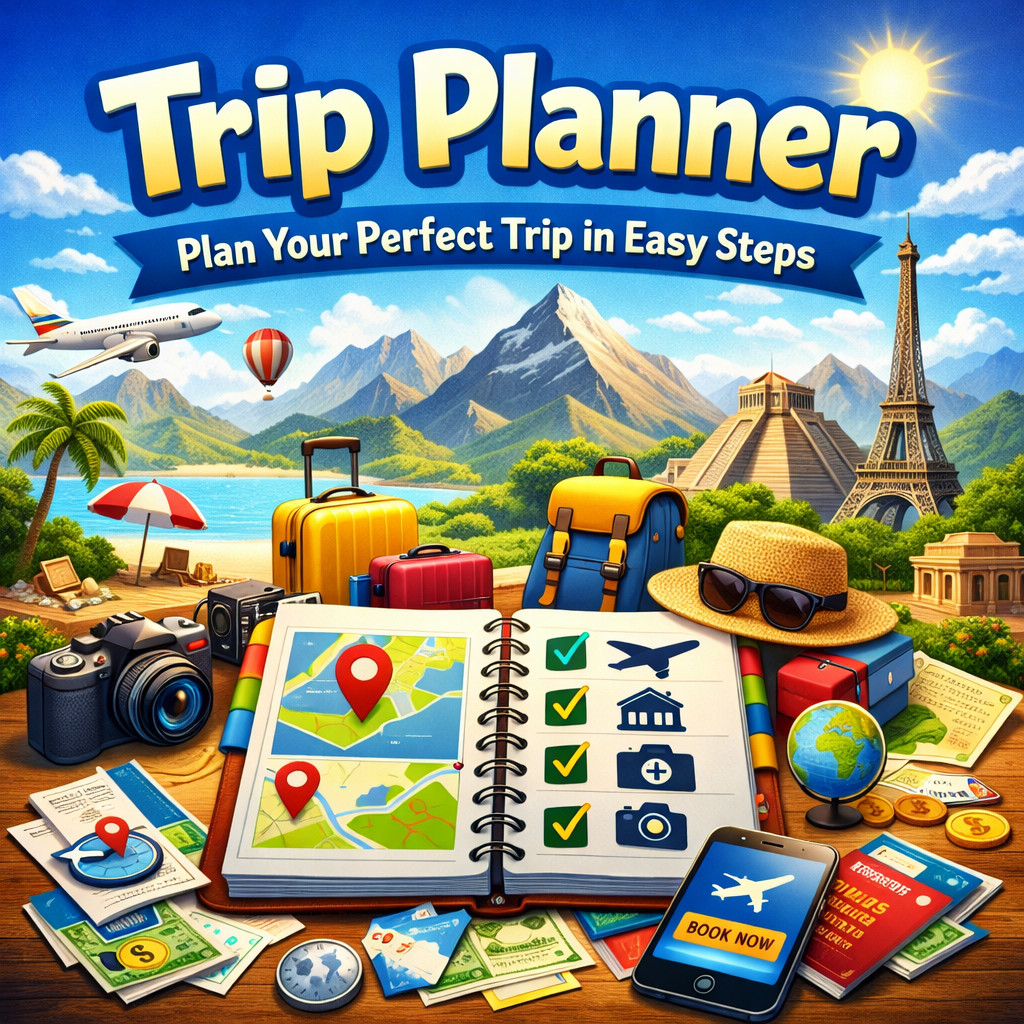
Planning a trip sounds fun—until you actually start doing it. You open many tabs, check flights, compare hotels, search places to visit, and suddenly everything feels confusing. That’s why having a simple trip planner is so important.
A trip planner helps you organize your travel step by step. It makes your journey easier, saves your time, controls your budget, and helps you avoid common travel mistakes. Whether you are traveling alone, with friends, as a couple, or with family, a good plan can turn an average trip into a perfect one.
In this guide, you will learn how to plan your perfect trip in easy steps—from choosing the destination and setting a budget to booking flights, making an itinerary, packing smart, and staying safe. By the end, you’ll have a complete trip plan ready, so you can travel with confidence and enjoy every moment.
Trip Planner: Plan Your Perfect Trip in Easy Steps
Planning a trip should feel exciting. You imagine new places, tasty food, beautiful views, and fun memories. But many people also feel stressed when they start planning. They don’t know where to begin. They worry about budget, hotels, flights, and time.
That is why a trip planner is important.
A trip planner is a simple system that helps you organize everything before you travel. It helps you plan step by step, so you don’t forget anything. It also helps you save money, save time, and enjoy your trip more.
In this complete guide, you will learn how to plan your perfect trip in easy steps. This trip planner works for everyone: solo travelers, couples, families, friends, and even first-time travelers.
Let’s start.
Step 1: Decide What Kind of Trip You Want
Before choosing a destination, you should decide what type of trip you want.
Many people choose a place first, and then they struggle later because the place does not match their budget, time, or travel style.
So first ask yourself:
-
Do I want a relaxing trip or an active trip?
-
Do I want beaches, mountains, or cities?
-
Do I want shopping, food, culture, or adventure?
-
Am I traveling alone, with family, or with friends?
-
Do I want budget travel or luxury travel?
Common trip types
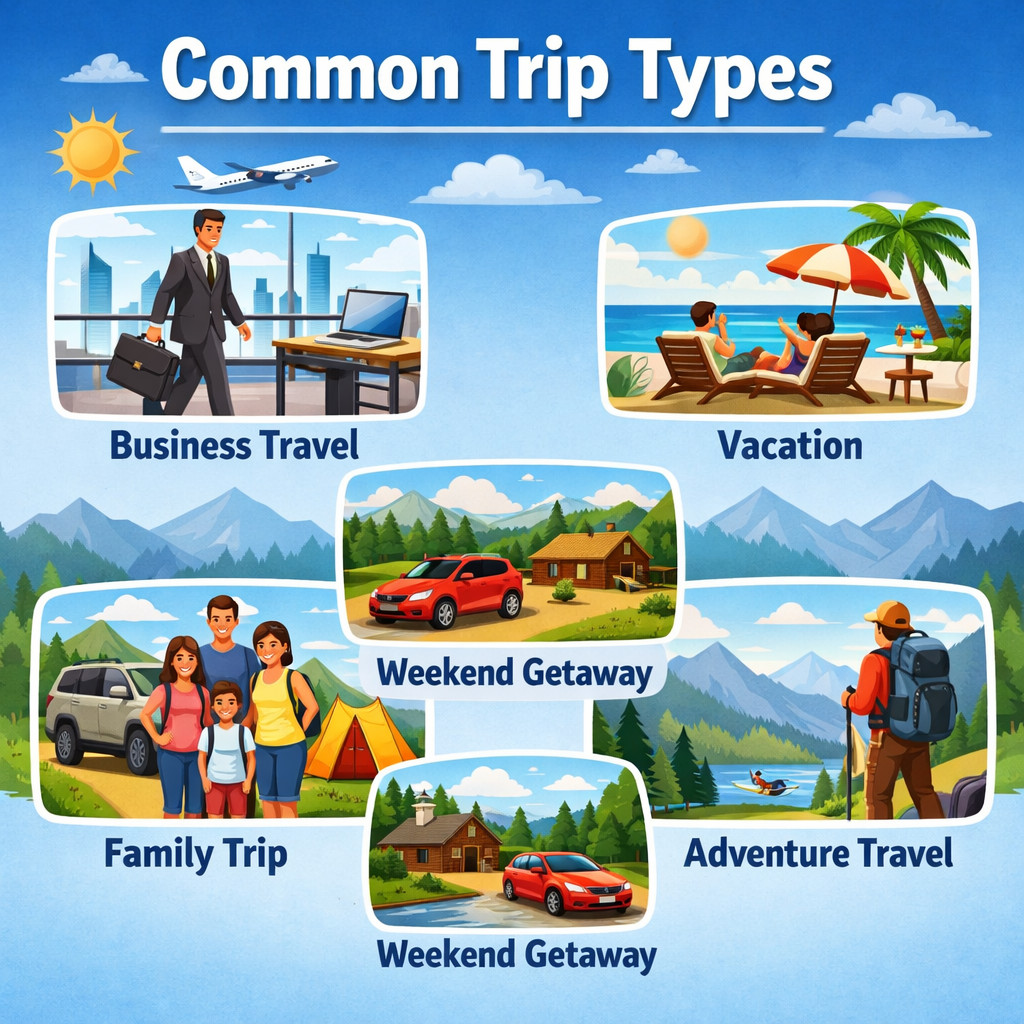
Here are some common travel styles:
1. Relaxing trip
This trip is for rest. You go to beaches, resorts, spas, or quiet towns.
2. Adventure trip
This trip includes hiking, trekking, skiing, scuba diving, and other activities.
3. City trip
This trip includes museums, shopping, cafes, and city attractions.
4. Road trip
This trip includes driving from one place to another and enjoying scenic routes.
5. Cultural trip
This trip includes history, local life, traditional food, and cultural sites.
6. Budget trip
This trip is planned to spend less money while still enjoying travel.
When you know your trip type, planning becomes easier.
Step 2: Choose the Best Destination
Now you can choose your destination.
But don’t choose randomly. Choose smartly based on these important points:
1) Your budget
Some destinations are cheap, and some are expensive.
For example:
-
Southeast Asia is usually budget-friendly.
-
Switzerland, Norway, and some parts of the USA are expensive.
-
Turkey, Malaysia, and Georgia offer great value.
So always check the cost of:
-
hotels
-
food
-
transport
-
activities
2) Weather and season
Weather is very important.
A place can look beautiful in pictures, but if you go in the wrong season, your trip may become difficult.
For example:
-
Some countries have heavy rain seasons.
-
Some places become too cold in winter.
-
Some places are extremely hot in summer.
Check the best months to visit your destination.
3) Your travel days
If you have only 3–4 days, do not choose a destination that needs 15 hours of travel.
Short trips should be close.
Long trips can be far.
Step 3: Fix Your Travel Dates
After choosing your destination, fix your travel dates.
Many people choose dates only based on holidays. But smart travelers also check:
-
flight prices
-
hotel prices
-
weather
-
crowd levels
-
local festivals
Helpful tip
If you can be flexible by 2–3 days, you can often find cheaper flights.
Also, traveling in the middle of the week is usually cheaper than weekends.
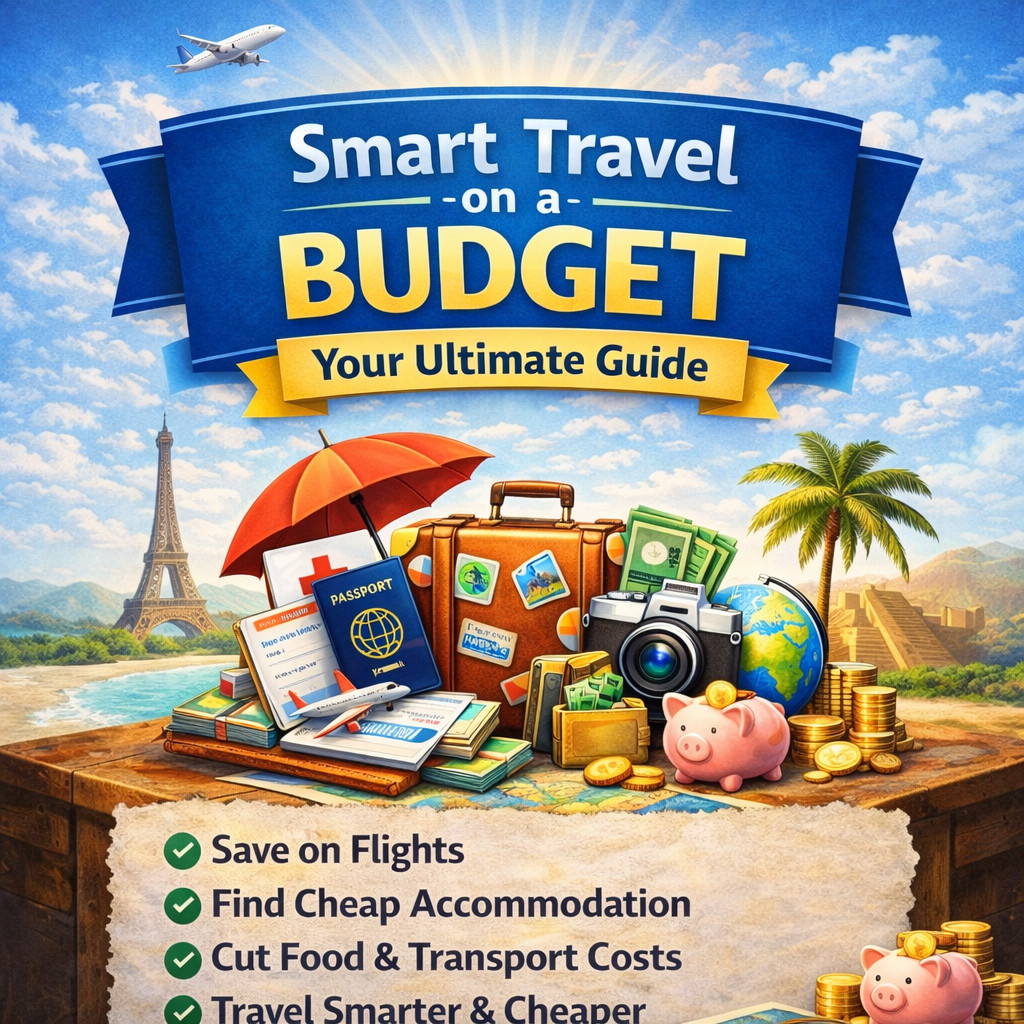
Step 4: Set a Clear Budget
Budget is the most important part of trip planning.
Without a budget, you can easily spend too much money. Or you may choose things you cannot afford.
A clear budget helps you make better decisions.
What to include in your travel budget
A complete travel budget includes:
-
flights or transport
-
hotel or accommodation
-
food
-
local transport
-
tours and activities
-
shopping
-
visa fees
-
travel insurance
-
SIM card or internet
-
emergency money
Simple budgeting formula
Use this simple method:
Total Budget = Fixed Costs + Daily Costs + Emergency
Fixed costs:
-
flight tickets
-
hotel booking
-
visa
-
insurance
Daily costs:
-
food
-
transport
-
attractions
Emergency:
-
keep 10% extra money
This makes your budget safe and realistic.
Step 5: Make a Simple Trip Plan (Big Picture)
Before booking flights and hotels, make a basic plan.
Write down:
-
total days
-
cities or places you want to visit
-
how many days in each city
Example plan
If you have 7 days in Turkey:
-
Istanbul: 3 days
-
Cappadocia: 2 days
-
Antalya: 2 days
This simple plan helps you create a better itinerary later.
Step 6: Book Your Flights (Or Transport)
Flights are often the biggest travel cost.
Booking flights at the right time can save you money.
Tips for booking cheaper flights
-
book early for peak season
-
compare prices on different platforms
-
travel mid-week (Tuesday or Wednesday)
-
avoid last-minute booking
-
check nearby airports
Direct vs connecting flights
Direct flights are easier and faster.
Connecting flights are often cheaper.
If you are traveling with family, direct flights are better.
If you are traveling solo, connecting flights can save money.
Step 7: Choose and Book Accommodation
Your hotel or accommodation affects your entire trip.
A good stay gives you:
-
comfort
-
safety
-
good sleep
-
less travel time
How to choose the best hotel location
Do not choose only based on price.
Check:
-
is it near public transport?
-
is it in a safe area?
-
is it close to attractions?
-
are restaurants nearby?
Best accommodation types
Different travelers prefer different stays:
Solo travelers: hostels, budget hotels
Couples: boutique hotels, private apartments
Families: apartments, family rooms
Luxury travelers: 4-star and 5-star hotels
Step 8: Plan Your Itinerary (Day by Day)
Now comes the most exciting part: the itinerary.
An itinerary is your daily travel plan. It includes places to visit, travel time, and activities.
But remember:
A good itinerary is not the one with the most places.
A good itinerary is the one that feels comfortable.
Easy itinerary method
Plan each day like this:
-
Morning: main attraction
-
Afternoon: lunch + nearby place
-
Evening: relaxing activity + dinner
Do not over-plan
Many people make the mistake of visiting too many places in one day.
This makes travel tiring.
Instead, keep it simple.
Keep buffer time
Always keep free time for:
-
rest
-
shopping
-
delays
-
weather problems
-
exploring random streets
Step 9: Plan Local Transport
Local transport is very important.
If you don’t plan it, you may waste money and time.
Common transport options
Depending on the destination, you can use:
-
metro and trains
-
buses
-
taxis
-
ride apps
-
rental cars
-
walking
-
ferries
Smart tip
Choose accommodation near a metro station or city center.
It makes travel easy.
Step 10: Plan Your Activities and Tickets
Many attractions require tickets.
Some places have long lines, so booking in advance saves time.
What you can book early
-
museum tickets
-
theme parks
-
tours
-
day trips
-
concerts or events
-
transport passes
Why booking early is helpful
-
cheaper prices
-
less waiting
-
guaranteed entry
-
better planning
Step 11: Create a Packing List
Packing becomes easy when you have a list.
Many travelers pack too much, which makes travel difficult.
The best rule is:
Pack light, but pack smart.
Packing categories
Make your packing list like this:
-
clothes
-
shoes
-
toiletries
-
documents
-
tech items
-
medicines
-
accessories
-
emergency items
Packing tips
-
pack outfits, not random clothes
-
take one comfortable shoe
-
carry a small first aid kit
-
keep a jacket even in warm places
-
keep 1 extra dress in hand carry
Step 12: Prepare Travel Documents
Your trip can be ruined if you forget important documents.
So make a checklist.
Important documents
-
passport (check expiry)
-
visa (if needed)
-
flight tickets
-
hotel bookings
-
travel insurance
-
ID card
-
driving license (if renting a car)
-
emergency contacts
Smart tip
Keep:
-
printed copies
-
digital copies (email or Google Drive)
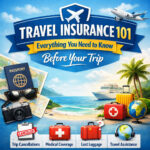
Step 13: Get Travel Insurance
Travel insurance is very important.
Many people skip it to save money, but it can save you a lot later.
Travel insurance protects you from:
-
medical emergencies
-
lost luggage
-
flight cancellations
-
travel delays
-
theft
Even a basic travel insurance plan is worth it.
Step 14: Plan Your Money (Cash and Cards)
Money planning is a key part of trip planning.
What you should do
-
carry both cash and card
-
check exchange rates
-
keep emergency money separately
-
avoid carrying too much cash in one place
Daily budget method
Set a daily spending limit.
Example:
If your daily budget is $50, try to stay close to it.
This helps you control spending.
Step 15: Plan Food and Restaurants
Food is one of the best parts of traveling.
But if you don’t plan, you may:
-
spend too much
-
eat unhealthy
-
miss local dishes
Easy food planning tips
-
save 10–15 restaurants on Google Maps
-
try local street food where it is safe
-
visit local markets
-
try one local dish every day
Step 16: Safety Planning
Safety should always be part of your trip planner.
Basic travel safety tips
-
keep your passport safe
-
do not carry all money in one wallet
-
use hotel safe if available
-
avoid unknown areas late at night
-
keep emergency numbers saved
-
share your travel plan with family
Solo traveler safety tips
If you are traveling alone:
-
stay in safe areas
-
keep your phone charged
-
avoid telling strangers your full plan
-
use trusted transport apps
Step 17: Make a Final Trip Schedule
Now bring everything together.
Your final trip plan should include:
-
flight timing
-
hotel check-in and check-out
-
day-by-day itinerary
-
transport details
-
tickets and tours
-
packing list
-
emergency contacts
Best tools for organizing your plan
You can use:
-
Google Docs
-
Notes app
-
Google Maps
-
Excel
-
Trip planning apps
Simple Trip Planner Template (Copy & Use)
You can copy this template:
Destination:
Trip Type:
Dates:
Total Budget:
Total Days:
Flights / Transport:
Hotel / Stay:
Day 1:
Day 2:
Day 3:
Day 4:
Packing List:
Documents Checklist:
Emergency Contacts:
Best Trip Planning Tips (Simple but Powerful)
Here are some simple tips that can make your trip much better:
1) Start planning early
Planning early gives you more options and better prices.
2) Don’t over-plan your itinerary
Keep your schedule light and enjoyable.
3) Choose accommodation in a good location
A cheap hotel far away can become expensive due to transport.
4) Keep emergency money
Always keep extra money for unexpected situations.
5) Keep your travel documents safe
Documents are the most important part of travel.
6) Keep a small day bag
A day bag helps you carry essentials easily.
7) Learn basic local words
Simple words like “hello,” “thank you,” and “help” can make travel easier.
Common Trip Planning Mistakes (Avoid These)
Many travelers make these mistakes:
1) Planning too many places in one day
This makes you tired and stressed.
2) Not checking weather
Weather can change everything.
3) Booking hotels far from attractions
It wastes time and money.
4) Packing too much
Heavy luggage makes travel uncomfortable.
5) Not saving important documents
Always keep backups.
6) Spending without tracking
You can run out of money quickly.
FAQs About Trip Planner
How early should I plan a trip?
For international travel, start planning at least 1–3 months before.
For peak season trips, start 3–6 months before.
What is the best way to plan a trip?
The best way is to plan step by step:
-
decide trip type
-
choose destination
-
set budget
-
book flights
-
book accommodation
-
make itinerary
-
pack and prepare documents
How do I plan a trip on a low budget?
-
choose budget-friendly countries
-
travel in off-season
-
use public transport
-
stay in hostels or apartments
-
eat local food
-
visit free attractions
What should I include in a trip itinerary?
Your itinerary should include:
-
attractions
-
travel time
-
food spots
-
rest time
buffer time
learn more about this article then vist wikipedia
want to read more article then check this
Final Thoughts
A perfect trip is not about spending more money.A perfect trip is about planning smartly.
When you use a trip planner, your travel becomes easier, safer, and more enjoyable.
You don’t waste time, you don’t forget important things, and you stay within your budget.
So before your next trip, follow these easy steps. Plan smart, pack smart, and enjoy every moment.