






Travel Safety Advice: Essential Tips for Secure Journeys
Exploring new destinations offers unparalleled excitement and unforgettable experiences. However, ensuring your well-being throughout your travels is paramount. This comprehensive guide provides essential travel safety advice, helping you prepare for and navigate your adventures securely. Ultimately, a well-informed traveler is a safe traveler. Therefore, understanding potential risks and implementing preventative measures significantly enhances your journey.
Why Travel Safety Advice is Crucial
Travel, while enriching, can present unexpected challenges. From minor inconveniences to serious emergencies, various situations might arise. For instance, you could face lost documents, theft, or even medical issues in an unfamiliar environment. Good travel safety advice equips you with the knowledge and tools to mitigate these risks. Consequently, it allows you to enjoy your trip with greater peace of mind. Moreover, being prepared helps you respond effectively should an incident occur, protecting both your physical safety and your financial security.
Before You Go: Pre-Trip Travel Safety Advice
Thorough preparation is the first step towards a safe journey. Indeed, many potential issues can be avoided with careful planning before you even leave home.
Research Your Destination
Understanding your destination is fundamental. First, research the local culture, customs, and laws. Are there specific dress codes or social norms to observe? Furthermore, investigate the political climate and any current safety advisories from your government. Check crime rates for tourist areas. This information helps you blend in and avoid inadvertently offending locals or attracting unwanted attention. Additionally, learn about common scams targeting tourists in that region.
Secure Your Documents
Your passport, visas, and other identification are invaluable. Therefore, keep them secure. Make photocopies of all important documents, both physical and digital (stored securely in the cloud or on an encrypted drive). Consider leaving a copy with a trusted person at home. Moreover, carry only necessary documents when out and about, leaving originals locked in your accommodation’s safe. A money belt or neck wallet can offer discreet storage for essential items.
Insurance and Health Preparations
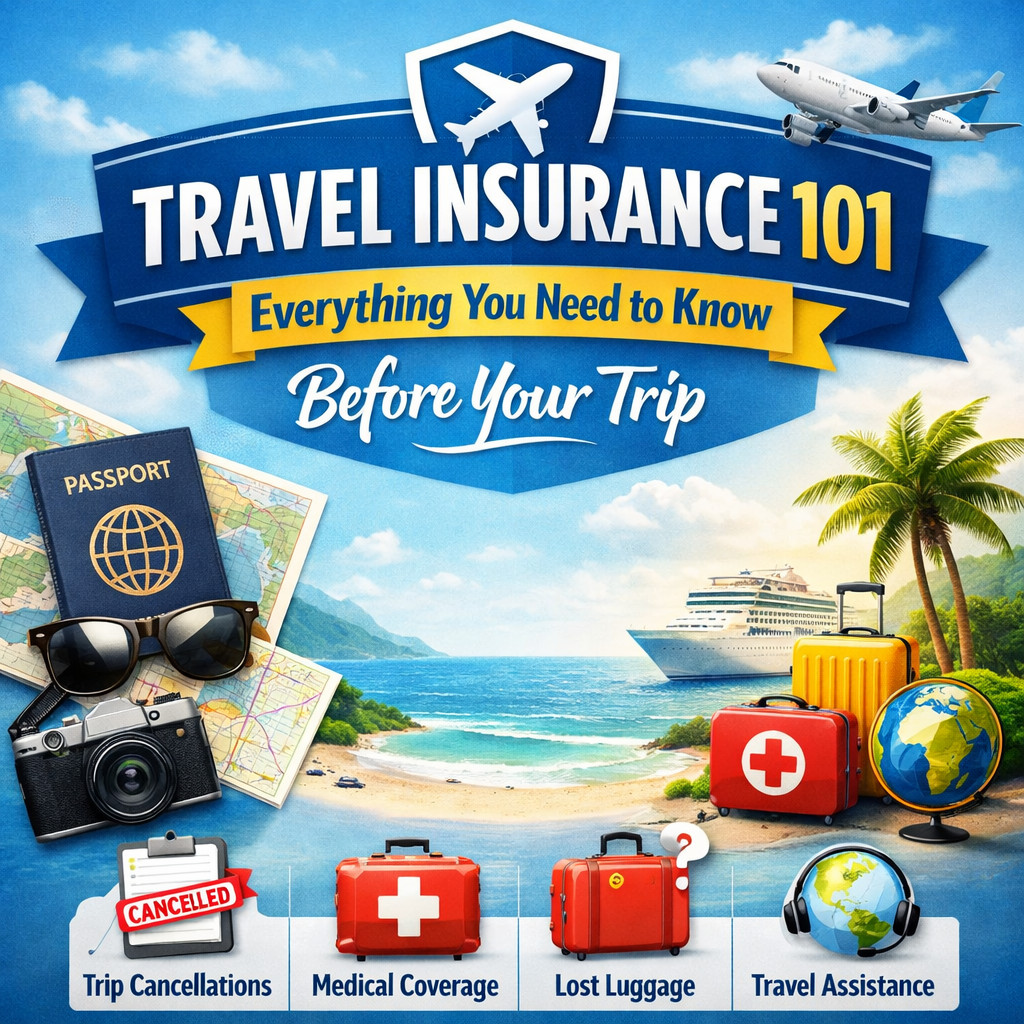
Travel insurance is not merely an option; it is a necessity. Ensure your policy covers medical emergencies, trip cancellations, lost luggage, and emergency evacuations. Read the fine print carefully. In addition, consult your doctor about necessary vaccinations well in advance of your trip. Pack any prescription medications in their original containers, along with a copy of your prescription. Carry a basic first-aid kit for minor ailments. Always know your blood type.
Inform Loved Ones
Share your itinerary with family or close friends. Provide them with details of your flights, accommodations, and planned activities. Establish a communication plan. For example, agree on regular check-in times or methods. This ensures someone knows your whereabouts and can raise an alarm if they don’t hear from you. Moreover, provide them with copies of your essential documents.
While You’re There: On-Location Travel Safety Advice
Once you arrive, maintaining awareness and vigilance becomes key. These tips focus on staying safe during your daily activities.
Personal Security and Awareness
Always be aware of your surroundings. Avoid displaying expensive jewelry, electronics, or large amounts of cash. Try to blend in rather than stand out as a tourist. Walk confidently and purposefully. If you feel uncomfortable or threatened, trust your instincts and remove yourself from the situation. Avoid walking alone at night, particularly in unfamiliar or poorly lit areas. Furthermore, limit alcohol consumption; impaired judgment can make you vulnerable.
Protecting Your Valuables
Thieves often target easy opportunities. Keep your wallet in a front pocket or use a money belt. Secure your bag across your body, not just over one shoulder. When dining out, keep your bag on your lap or between your feet, with a strap wrapped around your chair leg. Never leave valuables unattended, even for a moment. Furthermore, be wary of distractions or commotions; these can be tactics used by pickpockets.
Transportation Safety
Choose reputable transportation options. For taxis, use official services or ride-sharing apps with tracking features. Confirm the driver and vehicle match the app’s details. When using public transport, be mindful of your belongings and surroundings. Avoid empty carriages or isolated stops late at night. If renting a car, opt for a well-known company and ensure the vehicle is in good condition. Understand local driving laws. Moreover, never accept rides from strangers.
Accommodation Safety
Upon arrival, inspect your room. Ensure the locks on doors and windows are secure. Use the peephole before opening your door. If available, utilize the room safe for passports, cash, and other valuables. Do not disclose your room number or travel plans to strangers. When leaving your room, make sure it is properly locked. Furthermore, be discreet with your room key; avoid showing it publicly. Consider using a portable door alarm for added security.
Food and Drink Safety
Food and waterborne illnesses can quickly derail a trip. Stick to bottled water, especially in regions with questionable tap water quality. Be cautious with street food, ensuring it’s cooked thoroughly and served hot. Choose busy restaurants; high turnover often means fresh ingredients. Avoid raw or undercooked meats, and peeled fruits or vegetables unless you’ve washed them yourself. In addition, be wary of drinks offered by strangers, and never leave your drink unattended.
Digital Security
Your digital footprint is also vulnerable. Use strong, unique passwords for all your accounts. Enable two-factor authentication wherever possible. Be cautious when using public Wi-Fi networks; consider a Virtual Private Network (VPN) for secure browsing. Avoid accessing sensitive information, like banking details, on unsecured networks. Keep your devices updated with the latest security patches. Furthermore, disable Bluetooth and Wi-Fi when not in use to prevent unauthorized access.
Handling Emergencies: What to Do
Despite all precautions, emergencies can still occur. Knowing how to react is crucial.
Local Emergency Contacts
Before you travel, identify local emergency numbers for police, ambulance, and fire services. Save these numbers in your phone. Learn a few key phrases in the local language, such as “help” or “emergency.” This preparation can save critical time during a crisis. Additionally, know the address of your accommodation in the local language.
Embassy and Consulate Information
Locate the nearest embassy or consulate for your home country. Note their contact information and operating hours. These offices can provide assistance in situations like lost passports, arrests, or serious medical emergencies. They are a vital resource for citizens abroad. Consequently, registering your trip with your embassy can be beneficial.
Staying Calm and Resourceful
In an emergency, panic is your worst enemy. Take a deep breath and try to assess the situation calmly. Prioritize your safety and the safety of those with you. Think logically about your next steps. Utilize the resources you prepared, such as emergency contacts or travel insurance information. Remember, help is often available; you just need to reach out effectively. Furthermore, trust your intuition during stressful moments.
Specific Considerations for Different Traveler Types
While general travel safety advice applies to everyone, certain groups may face unique challenges.
Solo Travelers
Solo travel offers incredible freedom but requires extra vigilance. Share your itinerary with someone back home and check in regularly. Choose well-lit, populated accommodations. Avoid isolated areas, especially at night. Trust your gut feeling about people and situations. Consider carrying a personal safety alarm. Additionally, try to blend in and avoid looking lost, even if you are.
Female Travelers
Female travelers, unfortunately, may face specific risks. Research local attitudes towards women and dress codes. Be assertive in declining unwanted attention. Avoid walking alone at night. Share your location with trusted contacts. Choose accommodations with good security. Furthermore, consider joining women-only travel groups or tours for added comfort and safety.
Families with Children
Traveling with children adds another layer of responsibility. Keep a close eye on children in crowded places. Discuss safety rules with them beforehand, like what to do if they get lost. Consider wristbands with contact information. Pack extra medical supplies. Ensure car seats meet local regulations. Moreover, always have a meeting point established in case you get separated.
Want to read more visit our website
Big Shoutout to the guys who made this blog happen Asim Ali.