








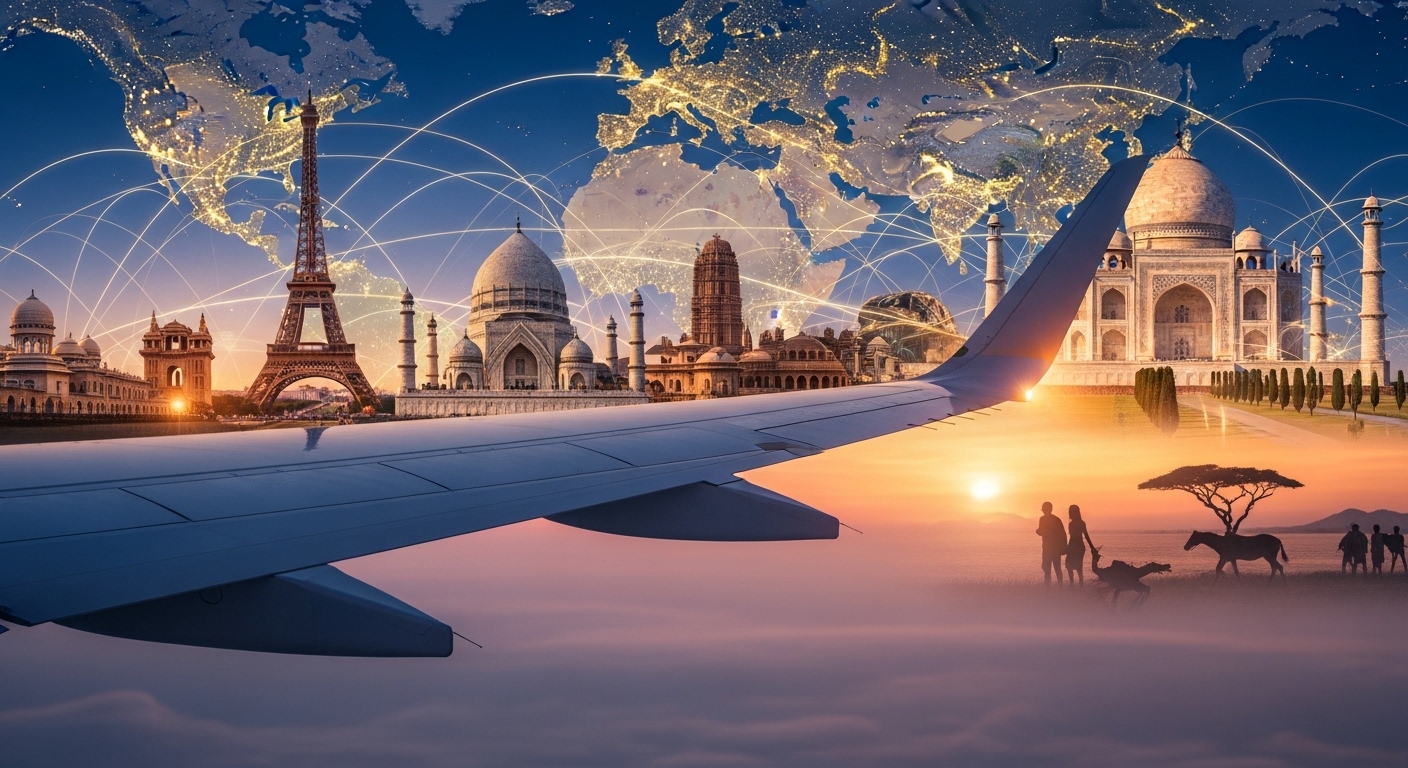
Tourism: Exploring Its Global Impact and Future
Tourism is a colossal global industry, significantly shaping economies, cultures, and environments worldwide. It encompasses the travel of people to places outside their usual environment for leisure, business, or other purposes. Furthermore, this sector involves a broad range of activities, including accommodation, transport, attractions, and entertainment. Understanding the intricate dynamics of tourism is crucial for policymakers, businesses, and travelers alike, as it presents both immense opportunities and considerable challenges.
The Essence and Evolution of Tourism
Historically, travel was often a necessity, driven by trade, migration, or conquest. However, the concept of tourism as a leisure activity began to emerge with the rise of the Roman Empire, where wealthy citizens traveled for pleasure and health. The Grand Tour in the 17th to 19th centuries further solidified the idea of travel for education and cultural enrichment. Consequently, the industrial revolution and advancements in transportation, such as steamships and railways, democratized travel, making it accessible to a broader population. Today, air travel has transformed tourism into a truly global phenomenon, connecting distant lands and diverse cultures more easily than ever before.
Defining Modern Tourism
Modern tourism is generally defined by the United Nations World Tourism Organization (UNWTO) as “the activities of persons traveling to and staying in places outside their usual environment for not more than one consecutive year for leisure, business and other purposes not related to the exercise of an activity remunerated from within the place visited.” This broad definition highlights the diverse motivations behind travel, encompassing everything from a weekend getaway to an international business conference. Therefore, the sector’s complexity demands a nuanced approach to its study and management.
Diverse Forms and Types of Tourism
Tourism is not a monolithic entity; rather, it manifests in numerous forms, each with unique characteristics and impacts. Recognizing these different types helps in understanding the varied demands and consequences associated with travel.
Cultural Tourism
Cultural tourism involves travelers seeking to experience and understand the history, heritage, arts, and lifestyle of a region or country. This can include visiting historical sites, museums, art galleries, attending festivals, or engaging with local traditions. For instance, exploring the ancient ruins of Rome or participating in a traditional Japanese tea ceremony are prime examples. Moreover, it often plays a vital role in preserving cultural identities and supporting local artisans.
Ecotourism and Sustainable
Ecotourism focuses on responsible travel to natural areas that conserves the environment and improves the well-being of local people. It emphasizes education, minimizes impact, and often supports conservation efforts. Sustainable tourism, a broader concept, aims to meet the needs of present tourists and host regions while protecting and enhancing opportunities for the future. It considers the environmental, social, and economic impacts, striving for a balance between growth and preservation. Consequently, many destinations are now prioritizing sustainable practices.
Adventure Tourism
Adventure tourism appeals to thrill-seekers and those looking for active experiences. This can range from hiking and mountaineering to white-water rafting, zip-lining, and exploring remote landscapes. Often, it involves an element of risk and requires specialized skills or equipment. In addition, it frequently takes place in natural environments, which necessitates careful consideration of environmental impact.
Business and MICE Tourism
Business tourism involves travel for work-related purposes, such as attending conferences, meetings, exhibitions, or corporate events. MICE (Meetings, Incentives, Conferences, and Exhibitions) tourism is a significant segment within this category. It contributes substantially to local economies through hotel bookings, venue rentals, and associated services. Furthermore, it often provides a stable source of revenue for many destinations, especially during off-peak leisure travel seasons.
Medical and Wellness
Medical tourism involves traveling to another country for medical treatment, often due to lower costs, higher quality care, or access to specialized procedures not available at home. Wellness tourism, on the other hand, focuses on improving health and well-being through activities like spa treatments, yoga retreats, and healthy eating programs. Both segments are growing rapidly, driven by increasing health consciousness and global connectivity.
The Economic Impact
The economic significance of tourism cannot be overstated. It is a major driver of global economic growth, job creation, and foreign exchange earnings for many countries. Indeed, its multifaceted contributions ripple through various sectors of the economy.
Job Creation and Employment
Tourism is a labor-intensive industry, supporting millions of jobs worldwide across diverse sectors such as hospitality, transport, retail, food services, and entertainment. From hotel staff and tour guides to airline pilots and souvenir vendors, the industry provides employment opportunities for a wide range of skill levels. Moreover, it often stimulates indirect job creation in related industries, such as agriculture and construction.
Contribution to GDP and Foreign Exchange
For many nations, tourism is a primary source of Gross Domestic Product (GDP) and foreign exchange. International tourist arrivals bring in foreign currency, which can help offset trade deficits and stabilize national economies. This revenue can then be reinvested in public services, infrastructure development, and other economic sectors. Therefore, governments often invest significantly in promoting their countries as tourist destinations.
Infrastructure Development
The growth of tourism often necessitates and spurs the development of improved infrastructure. This includes better airports, roads, public transport systems, communication networks, and utilities. While primarily built for tourists, these enhancements also benefit local residents, improving their quality of life and facilitating local commerce. Consequently, tourism development can lead to broader regional development.
Local Economic Stimulation
Beyond large-scale contributions, tourism injects money directly into local economies. Tourists spend on local goods and services, supporting small businesses, artisans, and cultural enterprises. This can help diversify local economies, especially in regions heavily reliant on a single industry. In addition, it can foster entrepreneurial activity as locals create new businesses to cater to tourist demands.
Social and Cultural Dimensions
Tourism profoundly impacts the social fabric and cultural landscape of host communities. These impacts can be both positive and negative, requiring careful management.
Cultural Exchange and Understanding
One of the most celebrated aspects of tourism is its capacity to foster cultural exchange and understanding. When travelers interact respectfully with local communities, it can break down stereotypes, promote empathy, and encourage a greater appreciation for diversity. This exchange enriches both visitors and hosts, broadening perspectives. Furthermore, it can inspire a sense of global citizenship.
Preservation of Heritage and Traditions
Revenue generated from tourism can be crucial for the preservation and maintenance of historical sites, cultural monuments, and traditional arts. The economic incentive provided by tourist interest often encourages communities to protect their heritage, which might otherwise be neglected. For example, many UNESCO World Heritage Sites rely heavily on tourism for their upkeep. Therefore, tourism can be a powerful tool for conservation.
Potential for Overtourism and Cultural Erosion
Conversely, unchecked tourism can lead to significant social and cultural challenges. “Overtourism” occurs when the number of visitors exceeds the capacity of a destination, leading to overcrowding, strain on resources, and degradation of local quality of life. Moreover, the commercialization of culture to cater to tourist demands can sometimes lead to the erosion of authentic traditions and the commodification of local lifestyles. Consequently, striking a balance between visitor numbers and community well-being is paramount.
Environmental Considerations
The relationship between tourism and the environment is complex and often contradictory. While tourism can fund conservation, it can also exert significant pressure on natural ecosystems.
Funding for Conservation and Protected Areas
Ecotourism and nature-based tourism often generate revenue that directly supports the conservation of natural habitats and wildlife. Entrance fees to national parks, wildlife reserves, and marine protected areas frequently contribute to their management and protection. This financial lifeline is vital for biodiversity conservation efforts globally. Therefore, responsible can be a powerful ally for environmental protection.
Resource Consumption and Pollution
However, tourism activities can also lead to increased resource consumption (water, energy) and pollution (waste, air emissions from transport). The construction of tourist infrastructure, such as hotels and resorts, can damage ecosystems. Furthermore, cruise ships and mass travel contribute significantly to carbon emissions and marine pollution. Managing these environmental footprints is a critical challenge for the industry. Consequently, sustainable practices are increasingly vital.
Climate Change
Climate change poses a significant threat to many tourist destinations, from rising sea levels impacting coastal resorts to altered weather patterns affecting ski seasons. Simultaneously, the tourism industry itself contributes to climate change through greenhouse gas emissions. Addressing this dual challenge requires innovative solutions, including promoting low-carbon travel options and investing in climate-resilient infrastructure. In addition, it necessitates a shift towards more sustainable business models.
The Future of Tourism: Trends and Challenges
The tourism industry is constantly evolving, driven by technological advancements, changing consumer preferences, and global events. Understanding these trends and preparing for future challenges is essential for sustained growth and resilience.
Rise of Sustainable and Experiential Travel
There is a growing demand for sustainable and authentic experiential travel. Travelers are increasingly seeking meaningful connections with local cultures and environments, opting for trips that offer unique experiences rather than just sightseeing. This trend aligns with a greater awareness of environmental and social impacts, pushing the industry towards more responsible practices. Moreover, personalized itineraries are becoming more popular.
Digital Transformation and Personalization
Technology continues to revolutionize tourism. Artificial intelligence, big data, and virtual reality are enhancing travel planning, personalized recommendations, and in-destination experiences. Mobile apps provide seamless access to information and services, while virtual tours allow potential visitors to explore destinations remotely. Therefore, digital innovation is crucial for staying competitive.
Health and Safety Concerns
Global health crises, like the recent pandemic, have underscored the importance of health and safety protocols in tourism. Travelers now prioritize destinations and operators that demonstrate strong hygiene standards and flexible booking policies. Consequently, the industry must adapt to these new expectations, integrating robust health measures into its operations. Furthermore, travel insurance is gaining renewed importance.
Geopolitical Instability and Economic Volatility
Geopolitical events, economic downturns, and natural disasters can significantly disrupt tourism flows. Destinations must build resilience and develop strategies to mitigate risks and recover quickly from unforeseen circumstances. This includes diversifying tourism markets and fostering strong partnerships with local communities. In addition, effective crisis communication is vital.
Frequently Asked Questions (FAQ)
What are the main types of tourism?
The main types of tourism include cultural tourism, ecotourism, adventure tourism, business tourism (MICE), and medical/wellness tourism. Each category caters to different traveler motivations and offers distinct experiences, ranging from exploring historical sites to seeking health treatments.
How does tourism impact local economies?
Tourism significantly impacts local economies by creating jobs across various sectors, contributing to GDP, generating foreign exchange revenue, and stimulating local businesses through tourist spending. It also often drives infrastructure development, which benefits both visitors and residents. However, it requires careful management to ensure benefits are distributed equitably.
What are the key challenges facing the tourism industry today?
The tourism industry faces several key challenges, including managing overtourism in popular destinations, mitigating its environmental footprint (e.g., carbon emissions, waste), adapting to global health crises and geopolitical instability, and addressing the impacts of climate change on destinations. Sustainable practices and resilience planning are crucial for overcoming these hurdles.
Conclusion
Tourism is an incredibly dynamic and influential sector, serving as a powerful engine for economic growth, cultural exchange, and personal enrichment. However, its immense benefits are intrinsically linked to significant responsibilities, particularly concerning environmental preservation and social equity. As the industry continues to evolve, driven by global connectivity and changing consumer values, the imperative for sustainable and responsible practices becomes ever more critical. By embracing innovation, prioritizing community well-being, and safeguarding natural resources, the future of tourism can truly be one of shared prosperity and enduring positive impact for all stakeholders.
Learn more about Solo Travelers vist wikipedia
want to read more article then check this