





Solo travel tips Europe: Your Ultimate Guide to an Unforgettable Journey
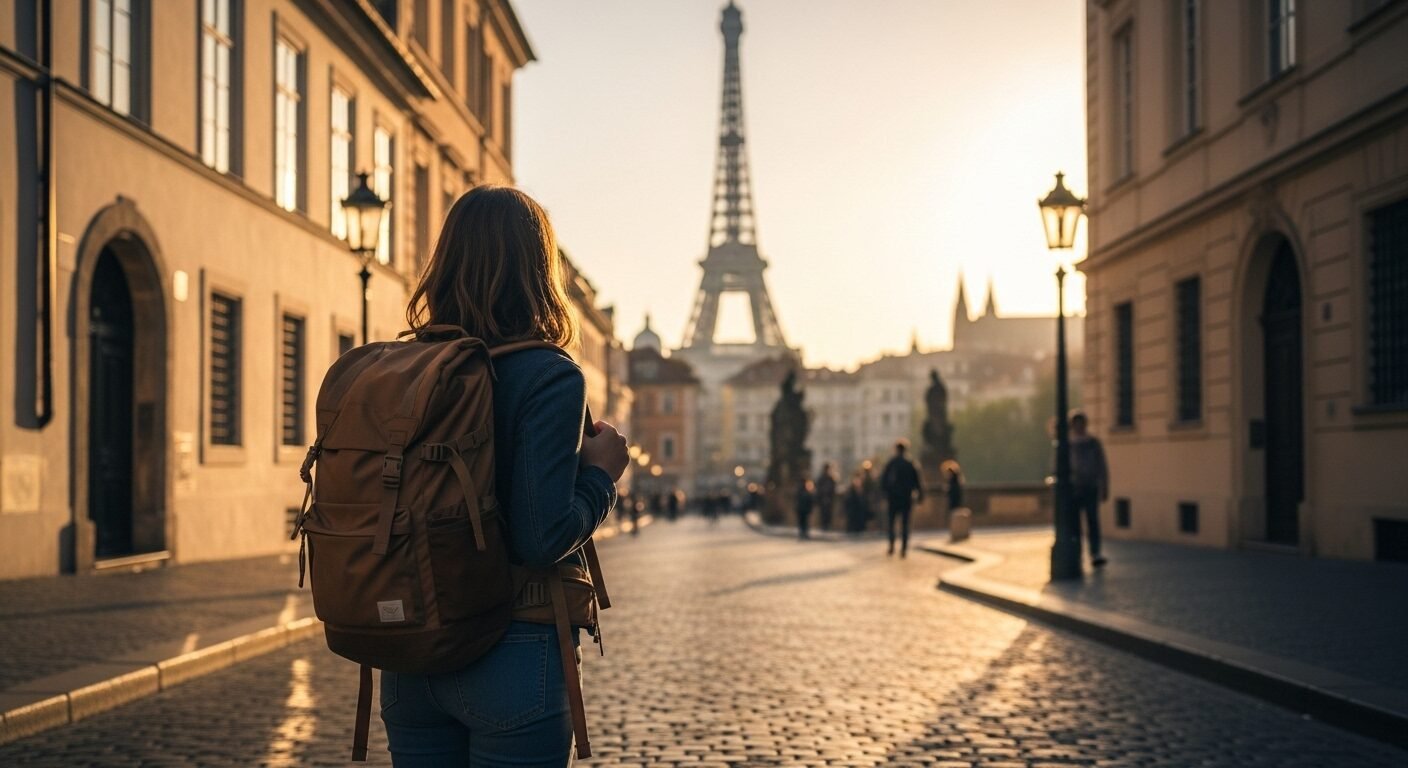
Solo travel offers unparalleled freedom and self-discovery. Europe, with its rich history and efficient transport, is perfect for independent adventurers. While traveling alone can seem daunting, proper preparation makes it incredibly rewarding. This guide offers essential solo travel tips Europe bound, ensuring your adventure is safe and memorable. We cover planning, safety, and embracing the journey, empowering you to explore with confidence.
Why Solo Travel in Europe?
Europe presents a unique canvas for solo explorers. Indeed, its diverse landscapes, cultures, and efficient infrastructure make it an ideal choice. Therefore, many choose this continent for their first solo adventure.
The Allure of Independence
Traveling solo means complete control over your itinerary. You decide where to go, what to see, and when to move. This autonomy fosters a deep sense of independence and self-reliance. Moreover, it allows for spontaneous detours and truly personalized experiences, something often lost in group travel.
A Continent of Diverse Experiences
From the ancient ruins of Rome to the vibrant nightlife of Berlin, Europe offers an incredible array of experiences. You can hike in the Swiss Alps, explore charming Portuguese villages, or indulge in Parisian haute cuisine. Furthermore, each country presents its own distinct charm, ensuring there’s always something new to discover.
Essential Solo Travel Tips Europe: Planning Your Adventure
Meticulous planning is the cornerstone of a successful solo trip. Consequently, dedicating time to research and preparation will significantly enhance your experience.
Research Your Destinations Thoroughly
Before booking anything, research your chosen cities and regions. Look into local customs, peak travel seasons, and potential safety concerns. Understanding the local culture helps you blend in and avoid misunderstandings. Importantly, check for any travel advisories or local regulations that might impact your trip.
Visa Requirements and Documentation
Verify visa requirements for all countries you plan to visit. Different nationalities have different entry rules. Ensure your passport is valid for at least six months beyond your intended departure date from the Schengen Area. Furthermore, keep digital and physical copies of all important documents, including your passport, visa, and insurance details.
Travel Insurance: A Non-Negotiable
Comprehensive travel insurance is vital for solo travelers. It covers unexpected medical emergencies, trip cancellations, lost luggage, and other unforeseen circumstances. Do not underestimate its importance; it provides peace of mind, especially when you are far from home.
Prioritizing Safety and Security
Safety is paramount when traveling alone. However, with sensible precautions, you can confidently explore Europe.
Personal Safety Precautions
Always be aware of your surroundings. Avoid walking alone in dimly lit or unfamiliar areas at night. Trust your instincts; if a situation feels uncomfortable, remove yourself from it. Sharing your itinerary with a trusted friend or family member back home is also a good practice. Moreover, consider carrying a personal alarm for emergencies.
Safeguarding Your Valuables
Keep your valuables secure and out of sight. Use a money belt or a secure cross-body bag. Avoid openly displaying expensive gadgets or large sums of cash. When staying in hostels, utilize lockers for your belongings. Importantly, never leave your bag unattended in public places.
Staying Connected
Having a local SIM card or an international e-SIM ensures you always have access to maps, translation apps, and emergency services. Share your location with family if possible. Regular communication with loved ones can provide reassurance for both you and them.
Mastering Your Budget
Managing finances effectively is a key component of successful solo travel. Therefore, careful budgeting allows you to enjoy your trip without financial stress.
Tracking Expenses
Set a daily budget and track your spending diligently. Apps like Wallet or Mint can help you monitor expenses in real-time. This awareness prevents overspending and helps you allocate funds wisely. Consequently, you can prioritize experiences that matter most to you.
Smart Accommodation Choices
Hostels offer affordable beds and a social atmosphere, ideal for solo travelers. Alternatively, consider guesthouses or budget hotels. Booking accommodation in advance, especially during peak season, can often secure better rates. Furthermore, look for places offering free breakfast to save on morning meals.
Eating Like a Local
Dining out can be expensive. However, you can save money by eating at local markets, buying groceries, and preparing some of your own meals, especially if your accommodation has kitchen facilities. Street food vendors often offer delicious and inexpensive options. Moreover, try the ‘plat du jour’ in France or ‘menú del día’ in Spain for affordable lunch deals.
Utilizing Public Transport
Europe boasts excellent public transportation networks. Use trains, buses, and metros instead of taxis whenever possible. Consider purchasing multi-day passes or city cards for better value. These options are not only cost-effective but also offer a glimpse into local daily life.
Accommodation Strategies for Solo Explorers
Choosing the right place to stay significantly impacts your solo travel experience. Therefore, consider your priorities, whether they be social interaction, privacy, or budget.
Hostels: Social Hubs
Hostels are a fantastic choice for solo travelers looking to meet people. They often organize social events, walking tours, and communal dinners. Opt for female-only dorms if preferred, or private rooms for more solitude. Furthermore, many hostels now offer boutique experiences with modern amenities.
Boutique Hotels and Guesthouses
For those seeking more privacy and comfort, boutique hotels or family-run guesthouses provide a cozy alternative. They offer a more personal touch and often have staff who can provide valuable local insights. This can be particularly appealing after a long day of exploring.
Airbnb and Local Stays
Airbnb can offer unique accommodations and a chance to experience local living. Look for ‘superhosts’ with excellent reviews. Consider renting a private room within a shared apartment for a balance of privacy and local interaction. Alternatively, staying in an apartment with a kitchen can save money on food.
Connecting with Others on the Road
While solo travel is about independence, meeting people can enrich your journey. Therefore, actively seek opportunities for connection.
Group Tours and Activities
Join free walking tours, cooking classes, or day trips. These activities are excellent for meeting fellow travelers with shared interests. Many tour operators cater specifically to solo adventurers, fostering a friendly group environment. Consequently, you can make new friends while exploring new sights.
Social Apps and Meetups
Utilize apps like Meetup, Couchsurfing, or even Tinder (for platonic meetups) to connect with locals or other travelers. These platforms can help you find events, share meals, or simply have a chat. However, always exercise caution and meet in public places.
Engaging with Locals
Be open to striking up conversations. Learn a few basic phrases in the local language; this often breaks the ice. Ask for recommendations from shopkeepers, restaurant staff, or your accommodation hosts. Often, locals are delighted to share their culture and offer insider tips.
Packing Smart and Light
Efficient packing is crucial for solo travel. Carrying less makes navigating public transport and cobblestone streets much easier.
The Essential Packing List
Focus on versatile, quick-drying clothing that can be layered. Pack comfortable walking shoes, a universal adapter, and essential toiletries. A small first-aid kit is also highly recommended. Remember that you can always purchase items you forget or need along the way.
Travel-Friendly Gadgets
A portable power bank is indispensable for keeping your phone charged. Consider a compact camera if you’re a photography enthusiast, or rely on your smartphone. Noise-canceling headphones can be a lifesaver on long journeys. Furthermore, a digital luggage scale helps avoid overweight baggage fees.
Navigation and Getting Around
Navigating an unfamiliar city alone can be challenging, but modern tools make it simpler.
Public Transportation Networks
Familiarize yourself with local public transport systems. Google Maps or Citymapper are excellent for planning routes using buses, trams, and metros. Purchase tickets or passes in advance when possible. This saves time and often money.
Offline Maps and Apps
Download offline maps (e.g., Google Maps, Maps.me) before you arrive in a new city. This ensures you can navigate even without an internet connection. Translation apps are also incredibly useful for communicating in foreign languages. Therefore, prepare these tools beforehand.
Learning Basic Phrases
Learning a few key phrases in the local language –
Conclusion
Embarking on a solo journey through Europe is an experience that promises profound personal growth and unforgettable memories. By diligently applying these solo travel tips Europe provides, you are well-equipped to navigate the continent with confidence, safety, and a spirit of adventure. Remember to plan thoroughly, prioritize your well-being, and remain open to the myriad of experiences that await. Your European solo adventure is not just a trip; it is a transformative chapter in your life, offering unparalleled freedom and the joy of discovering both new places and yourself.
Frequently Asked Questions (FAQ)
Q1: Is Europe safe for solo female travelers?
A1: Generally, Europe is very safe for solo female travelers. However, as with any destination, it is crucial to remain vigilant, research specific areas, and follow common-sense safety practices. Stick to well-lit areas at night, inform someone of your itinerary, and trust your instincts. Many European cities are well-accustomed to solo travelers.
Q2: How can I save money while traveling solo in Europe?
A2: Saving money involves smart choices. Opt for hostels or guesthouses with kitchen facilities, utilize public transportation, and seek out free activities like walking tours or museum free days. Eating at local markets and preparing some of your own meals can significantly reduce expenses. Additionally, consider an interrail pass for train travel.Solo travel tips Europe
Q3: What is the best way to meet people when traveling solo?
A3: Meeting people is easier than you might think! Stay in hostels, join walking tours or pub crawls, and participate in local workshops or cooking classes. Use apps like Meetup or Couchsurfing to connect with locals and fellow travelers. Simply being open and friendly can also lead to wonderful new connections.
Want to read more Trip Trial about click here
Big Shoutout to the guys who made this blog happen UDM
- https://triptrial.info/road-trip-planning-guide-usa-your-ultimate-journey/
- https://triptrial.info/best-travel-cameras-for-beginners-your-ultimate-guide/
- https://triptrial.info/europe-backpacking-itinerary-ultimate-guide/
- https://triptrial.info/hidden-gems-of-north-east-india-unveiling-untouched-beauty/
- https://triptrial.info/work-and-travel-visas-for-us-citizens-global-opportunities/




Page not found - Trip Trial
December 13, 2025[…] Solo travel tips Europe: Your Ultimate Guide […]