






Smart travel is about making informed choices that turn every journey into a smooth and enjoyable experience. From using the right tools and apps to planning efficient routes, managing budgets, and avoiding common travel hassles, smart travel helps you explore more with less stress. In Smart Travel: Navigating the World with Ease, you’ll learn practical strategies and tips to travel confidently, save time and money, and make the most of every destination you visit.
Smart travel: Navigating the World with Ease
“Smart travel” has redefined how we explore the globe. It combines strategic planning with innovative technology, making journeys smoother and more enjoyable. Modern travelers, therefore, increasingly adopt these methods. This approach empowers individuals to handle unforeseen challenges effectively. Moreover, it significantly enhances the overall travel experience. In essence, smart travel involves leveraging tools and knowledge to optimize every aspect of a trip, from initial planning to returning home. Consequently, travelers can enjoy their adventures with greater peace of mind and efficiency. This guide will delve into the various facets of smart travel, offering insights and practical tips for your next adventure.
Embracing Technology for Smart Travel
Technology stands at the forefront of the smart travel revolution. Indeed, digital tools have become indispensable for the contemporary explorer. These innovations simplify complex tasks, thereby saving time and reducing stress. Furthermore, they provide access to a wealth of information at our fingertips.
Essential Apps for Travelers
A traveler’s smartphone is arguably their most powerful tool. Consequently, a curated selection of apps can transform your journey.
- Navigation Apps: Google Maps and Waze are crucial for getting around. They offer real-time traffic updates and public transport options. Furthermore, offline map downloads are invaluable in areas with limited connectivity.
- Accommodation Apps: Platforms like Booking.com, Airbnb, and Expedia streamline the process of finding and reserving stays. You can compare prices, read reviews, and book directly. Thus, securing suitable lodging becomes effortless.
- Flight and Transport Apps: Skyscanner, Hopper, and Kayak help you find the best flight deals. They track price changes and alert you to optimal booking times. Additionally, apps for trains or buses, such as Trainline or FlixBus, are essential for ground transportation.
- Language Translation Apps: Google Translate or Microsoft Translator break down language barriers instantly. They offer text, voice, and even image translation. Therefore, communicating in foreign countries becomes much simpler.
- Finance and Budgeting Apps: Travel-specific debit cards (like Revolut or Wise) and budgeting apps help manage expenses. They often provide favorable exchange rates and real-time spending tracking. This ensures financial control throughout your trip.
Wearable Tech and Gadgets
Beyond smartphones, various gadgets further enhance the smart travel experience. These devices offer convenience and utility.
- Smartwatches: These devices provide quick access to notifications, boarding passes, and even payment options. They also monitor fitness and sleep, which is useful for managing jet lag.
- Portable Chargers and Power Banks: Keeping devices charged on the go is vital. A high-capacity power bank ensures your essential tech remains operational. Consider one with multiple ports.
- Noise-Cancelling Headphones: For long flights or busy environments, these headphones offer a sanctuary of quiet. They enhance relaxation and improve sleep quality.
- Travel Routers/eSIMs: A portable Wi-Fi router or an eSIM subscription ensures reliable internet access abroad. This avoids expensive roaming charges. Consequently, staying connected is hassle-free.
Strategic Planning: The Core of Smart Travel
While technology is a powerful enabler, smart travel fundamentally relies on meticulous planning. A well-thought-out itinerary reduces uncertainties. Moreover, it allows for greater enjoyment of the destination.
Pre-Trip Preparation
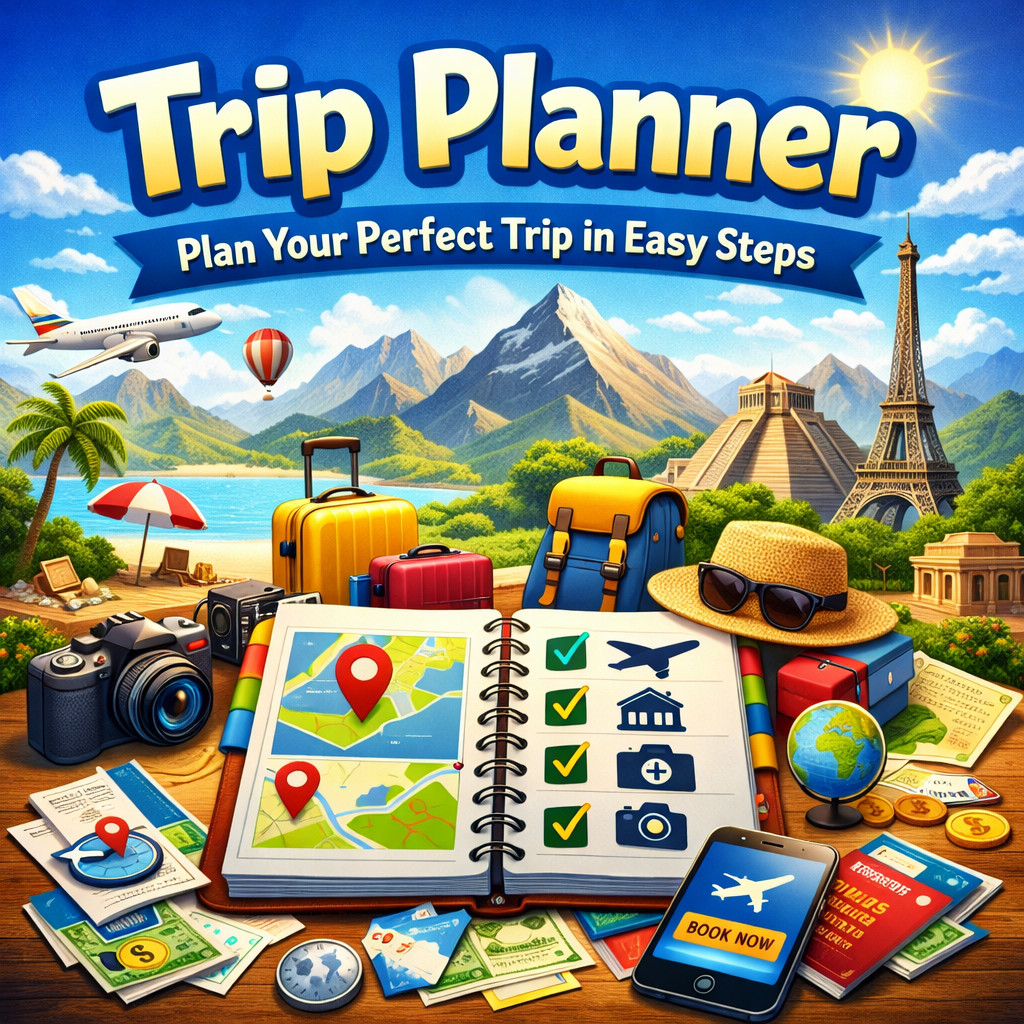
Thorough preparation lays the groundwork for a successful trip. It covers everything from research to packing.
- Research Destinations: Understand the local culture, customs, and safety considerations. Check visa requirements well in advance. This prevents last-minute complications.
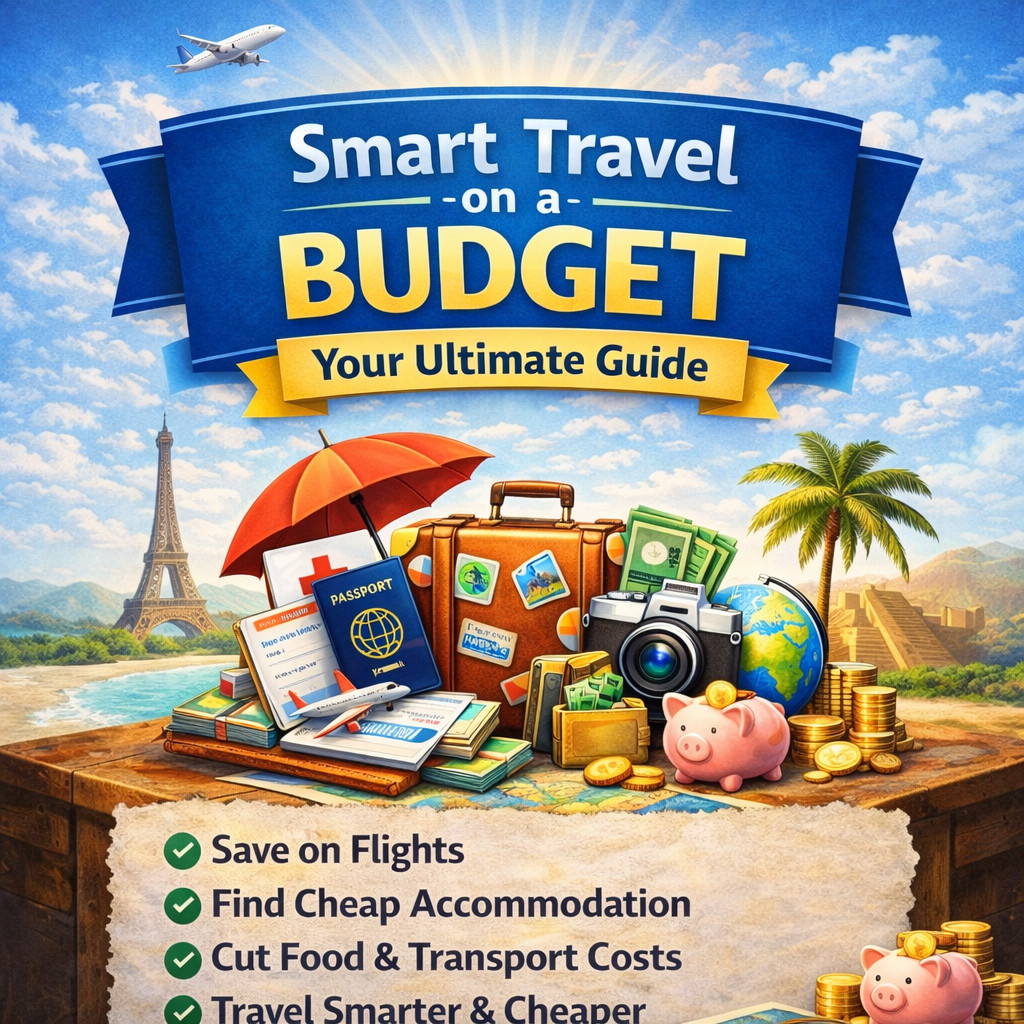
- Budgeting and Financial Planning: Create a detailed budget. Account for flights, accommodation, food, activities, and emergency funds. Initially, estimate all costs. Then, track spending during the trip.
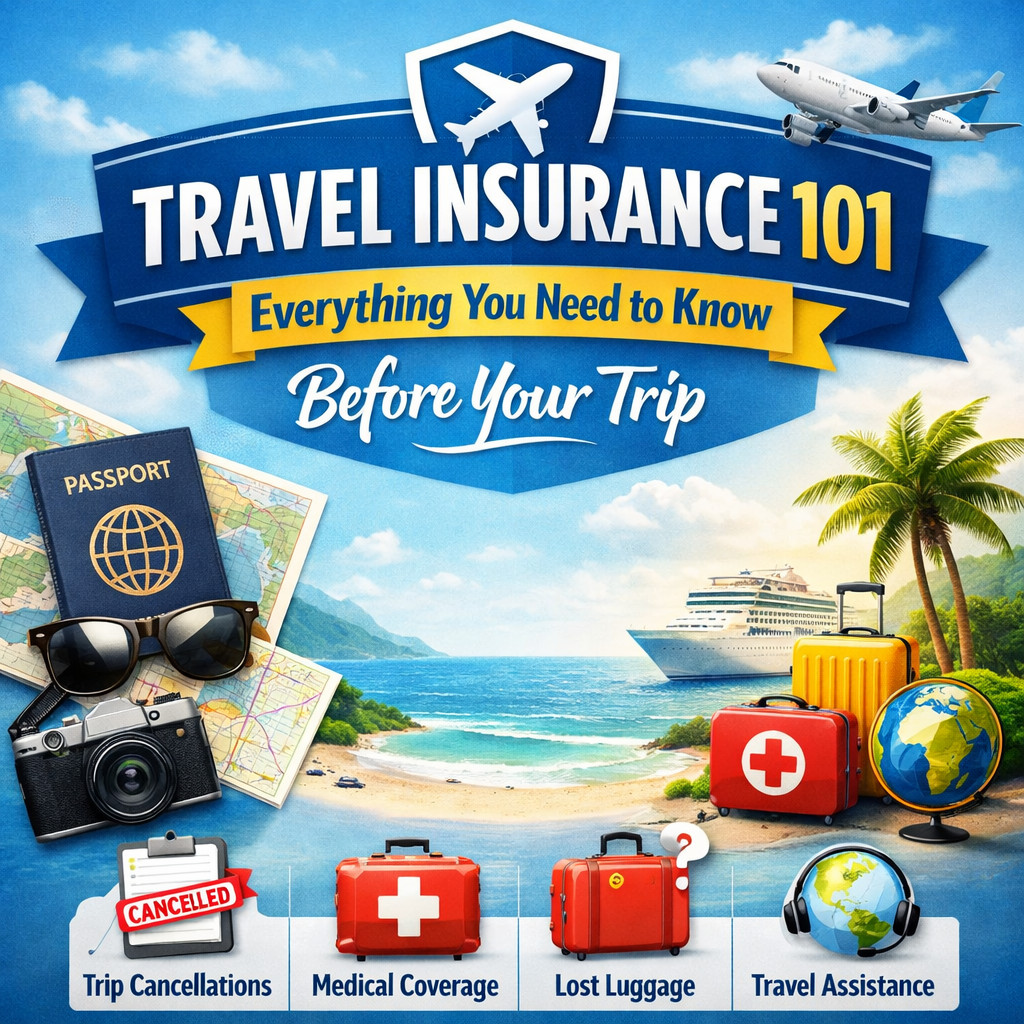
- Travel Insurance: Never overlook travel insurance. It provides crucial protection against trip cancellations, medical emergencies, and lost luggage. Therefore, secure a comprehensive policy.
- Packing Efficiently: Employ packing cubes to organize your luggage. Plan outfits to minimize excess items. Consider a minimalist approach to reduce bulk. This makes travel lighter and easier.
During Your Trip
Even with the best plans, flexibility is key. Adapting to situations ensures a smoother journey.
- Stay Connected: Utilize local SIM cards or eSIMs for affordable data and calls. This facilitates navigation and communication. Alternatively, rely on Wi-Fi hotspots.
- Safety Precautions: Keep digital and physical copies of important documents. Share your itinerary with a trusted person. Be aware of your surroundings, especially in unfamiliar areas.
- Local Transportation: Research and understand local public transport systems. Many cities offer travel cards or apps for easy payment. This can be more cost-effective than taxis.
- Cultural Immersion: Learn a few basic phrases in the local language. Try authentic cuisine. Engage respectfully with locals. Consequently, your experience will be richer and more memorable.
Sustainable and Responsible Smart Travel
Smart travel extends beyond personal convenience; it encompasses a commitment to the environment and local communities. Traveling responsibly ensures our destinations remain beautiful for future generations.
Eco-Friendly Choices
Making conscious decisions can significantly reduce your environmental footprint.
- Reducing Waste: Carry a reusable water bottle, coffee cup, and shopping bag. Decline single-use plastics whenever possible. This small effort makes a big difference.
- Choosing Sustainable Accommodations: Opt for hotels or guesthouses with eco-friendly practices. Look for certifications or stated commitments to sustainability. Many establishments now prioritize green initiatives.
- Carbon Offsetting: Consider offsetting the carbon emissions from your flights. Many airlines offer this option. Alternatively, support reputable carbon offset programs.
- Public Transport and Walking: Prioritize walking, cycling, or public transportation over taxis or rental cars. This reduces emissions and offers a more authentic experience.
Supporting Local Communities
Responsible tourism directly benefits the people and places you visit.
- Buying Local: Purchase souvenirs and goods from local artisans and businesses. This injects money directly into the local economy. It also helps preserve traditional crafts.
- Respecting Local Customs: Educate yourself on local etiquette and traditions. Dress appropriately, especially when visiting religious sites. Ask permission before taking photos of people.
- Ethical Tourism: Choose tour operators that prioritize ethical practices. Avoid activities that exploit animals or contribute to cultural degradation. Support initiatives that empower local communities.
Overcoming Challenges with Smart Travel Solutions
Even the most meticulously planned trips can encounter bumps. However, smart travel equips you with the tools and mindset to navigate these challenges effectively. Proactive solutions minimize disruptions.
Dealing with Delays and Cancellations
Travel disruptions are an unfortunate reality. Being prepared can significantly mitigate their impact.
- Flight Tracking Apps: Use apps like FlightAware or FlightStats to monitor your flight status in real-time. This allows you to anticipate delays. Consequently, you can adjust your plans accordingly.
- Understanding Passenger Rights: Familiarize yourself with airline passenger rights in your region (e.g., EU261 in Europe, DOT regulations in the US). Knowing your rights empowers you to seek compensation or alternative arrangements.
- Flexible Bookings: Where possible, choose flexible booking options for flights and accommodations. This offers more leeway for changes without incurring hefty fees. Furthermore, consider travel insurance that covers trip interruptions.
Managing Health and Wellness
Staying healthy on the road is paramount for an enjoyable trip. Smart planning includes health considerations.
- Medication Planning: Pack all necessary prescription medications in your carry-on bag. Bring extra doses and copies of prescriptions. Research any restrictions on medicines in your destination country.
- Staying Hydrated: Travel, especially by air, can lead to dehydration. Carry a reusable water bottle and refill it frequently. This helps prevent fatigue and headaches.
- Jet Lag Strategies: Adjust your sleep schedule gradually before departure. Stay hydrated. Seek natural light upon arrival to help reset your body clock. Avoid heavy meals and excessive alcohol on long flights.
- Health Apps: Utilize health tracking apps to monitor sleep, activity, and water intake. Some apps can even help locate nearby medical facilities in an emergency.
Frequently Asked Questions (FAQ)
What is smart travel?
Smart travel refers to an approach where travelers leverage technology, strategic planning, and responsible practices to make their journeys more efficient, enjoyable, and sustainable. It involves using digital tools for navigation, booking, and communication, alongside thoughtful preparation and conscious decision-making.
How can technology enhance my travel experience?
Technology significantly enhances travel by providing real-time information, simplifying bookings, breaking down language barriers, and ensuring connectivity. Apps for navigation, accommodation, translation, and finance streamline processes, while gadgets like smartwatches and portable chargers add convenience and utility, making trips smoother and more informed.
Is smart travel only for tech-savvy individuals?
No, smart travel is not exclusively for tech-savvy individuals. While it involves technology, many smart travel tools and practices are intuitive and user-friendly. The core principle is about making informed choices and utilizing available resources, which can be as simple as researching your destination thoroughly or using a basic navigation app. Everyone can benefit from adopting smart travel habits.
Conclusion
“Smart travel” is more than just a trend; it’s a transformative approach to exploring the world. By strategically blending innovative technology with thoughtful planning, travelers can unlock unparalleled efficiency, convenience, and enjoyment. From leveraging essential apps and cutting-edge gadgets to embracing responsible tourism practices, every aspect of a journey can be optimized. Ultimately, smart travel empowers individuals to navigate complexities, adapt to unforeseen circumstances, and create richer, more meaningful experiences while respecting both the environment and local cultures. Embrace these principles, and your next adventure will undoubtedly be smoother, safer, and far more rewarding