







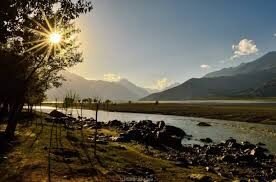
Tucked away in the heart of Pakistan’s Gilgit-Baltistan region, the Skardu Nangsoq Organic Village Trek offers a truly unique experience for hikers, eco-tourists, and culture enthusiasts alike. Surrounded by snow-capped peaks, lush apricot orchards, and timeless traditions, this short yet rewarding trek combines the beauty of Skardu’s natural landscapes with the authenticity of local Balti culture. If you’re looking for a lesser-known adventure that’s rich in scenery and sustainability, this trek should be on your bucket list.
Why Choose the Skardu Nangsoq Organic Village Trek?
The Skardu Nangsoq Organic Village Trek is one of the easiest and most rewarding hiking experiences in the Skardu region. Located just a short distance from Kharpocho Fort, this trail crosses the Indus River and winds its way to Nangsoq—a charming organic village known for its sustainable lifestyle and warm hospitality.
Did you know? Nangsoq is the first organic-certified village in Pakistan.
Key Highlights of the Skardu Nangsoq Organic Village Trek
Easy Trek with Spectacular Views of Skardu
Starting near Skardu city, the trek offers sweeping views of the Indus Valley, Kharpocho Fort, and surrounding peaks. The trail is about 1.5–2 hours one way and suitable for all fitness levels.
Organic Farming and Eco-Tourism in Nangsoq Village
The village practices traditional organic agriculture. You can walk through terraced fields of wheat, barley, apricots, and potatoes. The local community promotes eco-tourism and sustainability with the help of organizations like Hashoo Foundation.
Experience Balti Culture and Home-Stays
Stay with a local family in a Balti-style home, enjoy traditional meals like balay and plapoo, and listen to stories passed down for generations. For those interested in cultural immersion, this is a must-do in Skardu.
Best Time for the Skardu Nangsoq Organic Village Trek
The ideal trekking season is from April to October:
-
Spring (April-May): Apricot blossoms in full bloom.
-
Summer (June-August): Ideal weather and harvest season.
-
Autumn (September-October): Crisp air and golden foliage.
Avoid trekking in winter due to snow and inaccessible trails.
How to Reach Nangsoq Village from Skardu
To start your Skardu Nangsoq Organic Village Trek:
-
Take a short 15-minute jeep ride from Skardu to the trailhead.
-
Cross the Indus River via suspension bridge or footpath.
-
Follow the marked trail through poplar trees and hillside farms.
Start your hike after visiting the nearby Kharpocho Fort, a historic fort that overlooks the valley.
Related Internal Link Suggestion:
If you’re interested in more hikes like this one, check out our guide on Top Easy Treks in Skardu Valley.
Tips for a Great Skardu Nangsoq Organic Village Trek
-
Wear good walking shoes with grip.
-
Bring a reusable water bottle to reduce plastic waste.
-
Carry cash for buying local products like organic dried apricots or handmade crafts.
-
Ask before photographing people or inside homes.
-
Support local businesses and homestays.
Photo Tip: The view of Skardu from Nangsoq is stunning at sunset.
Community Impact and Responsible Travel
What sets the Skardu Nangsoq Organic Village Trek apart is its community-based tourism approach. Your visit supports:
-
Women-led farming cooperatives
-
Youth-run eco-tourism initiatives
-
Organic certification projects
Organizations like PPAF (Pakistan Poverty Alleviation Fund) have been instrumental in developing sustainable rural models in Nangsoq and nearby villages.
What Is the Skardu Nangsoq Organic Village Trek?
The Skardu Nangsoq Organic Village Trek is a gentle hiking route that starts just outside Skardu city and leads to Nangsoq Village, a traditional Balti settlement that has recently gained attention for its sustainable farming and eco-tourism initiatives. The village lies across the Indus River, at the base of dramatic mountains, and is known for its organic produce, warm hospitality, and breathtaking views of Skardu city and the surrounding valleys.
A Gateway to Organic Living
Nangsoq Village is Pakistan’s first certified organic village, where local families have revived traditional agricultural practices to grow vegetables, fruits, and grains without chemicals or artificial inputs. This sustainable approach not only preserves the environment but also improves the livelihoods of local farmers. Visitors to the village can walk through terraced fields, learn about organic farming techniques, and even enjoy fresh farm-to-table meals.
Starting Point: Skardu City
The trek begins in Skardu, the capital of Baltistan and the gateway to some of Pakistan’s most famous trekking routes, including those to K2, Concordia, and Deosai Plains. Unlike these high-altitude expeditions, the Skardu Nangsoq Organic Village Trek is easy and short—ideal for beginner hikers, families, or those looking to explore the cultural side of the region.
From Skardu, you can reach the starting point of the trek within 15 to 20 minutes by jeep or on foot. The trail starts near the banks of the Indus River, just below the historic Kharpocho Fort, which is also worth a visit before or after your hike.
The Trekking Route: A Cultural Walk Through Nature
The actual hike to Nangsoq Village is relatively easy and takes about 1.5 to 2 hours one way. The path crosses the Indus River on a suspension bridge or wooden footbridge (depending on the season), followed by a gentle ascent through narrow trails lined with poplar and apricot trees. Along the way, you’ll pass grazing yaks, mud-brick homes, and irrigated terraces.
What makes this trek unique is its mix of natural beauty and cultural immersion. You’ll meet local villagers, most of whom are open to conversations and even invite you for a cup of butter tea or organic apricot juice. If you’re lucky, you might also catch a traditional Balti song or dance during local festivals or community events.
What to Expect in Nangsoq Village
Once you reach Nangsoq, you’ll be greeted with panoramic views of Skardu city, the Indus River, and surrounding peaks like Shangrila, Shigar Valley, and Satpara. The village itself is small but full of character. Traditional homes are built with stone and wood, blending seamlessly into the environment.
Some highlights include:
-
Organic Farms: Tour the community-run fields growing wheat, barley, potatoes, carrots, and apricots.
-
Cultural Center: Some guesthouses and schools in the village host cultural exhibitions, showcasing Balti handicrafts and music.
-
Home Stays: You can spend a night with a local family in their home, sharing meals and stories under a sky full of stars.
-
Local Cuisine: Don’t miss dishes like Balay (local noodles), Prapu (buckwheat pancakes), and fresh apricot jam.
Best Time to Do the Trek
The ideal time to embark on the Skardu Nangsoq Organic Village Trek is from April to October. During these months, the weather is mild, and the trails are vibrant with blooming flowers or ripening fruit. In April and May, apricot trees are in full blossom—a magical sight. From July to September, you can enjoy the harvest season, tasting fresh organic produce straight from the fields.
Avoid visiting during the winter months (November to March) as snow and freezing temperatures can make the trek difficult and most guesthouses in the village remain closed.
Sustainable Travel and Community Benefits
What sets the Skardu Nangsoq Organic Village Trek apart from other treks in the region is its focus on community-based tourism. By trekking here, you directly contribute to the livelihood of local farmers, women entrepreneurs, and youth involved in eco-tourism.
Several NGOs and local organizations have helped develop eco-tourism infrastructure in the area—such as marked trails, clean drinking water points, and homestay networks—while maintaining cultural and environmental integrity.
Travelers are encouraged to:
-
Use reusable water bottles to minimize plastic waste
-
Buy local handicrafts and organic products as souvenirs
-
Respect local customs, especially regarding dress and photography
-
Support homestays instead of large hotels
Why Choose the Skardu Nangsoq Organic Village Trek?
Here’s why the Skardu Nangsoq Organic Village Trek should be on your itinerary:
-
Easy and Accessible: Ideal for families and beginners
-
Authentic Culture: Interact with locals and experience Balti traditions
-
Scenic Views: Enjoy stunning landscapes of Skardu and the Indus Valley
-
Eco-Friendly: Support sustainable agriculture and community tourism
-
Quick Getaway: Can be done as a half-day or full-day trip from Skardu
Tips for Travelers
-
Footwear: Wear sturdy walking shoes with good grip.
-
Guide: While not necessary, hiring a local guide can enhance your experience.
-
Snacks and Water: Carry some snacks and a water bottle. Organic food is available in the village, but best to come prepared.
-
Weather Gear: Bring a light jacket or shawl; the weather can change quickly.
-
Camera Ready: Keep your camera handy for landscapes, village life, and wildlife.
Final Thoughts
The Skardu Nangsoq Organic Village Trek is more than just a walk through nature—it’s a journey into the heart of sustainable living and community resilience. In just a few hours, you can explore terraced farms, eat fresh organic meals, and form connections with people who live in harmony with the land.
As eco-tourism continues to grow in Gilgit-Baltistan, trails like this one offer a model for responsible travel that uplifts local communities while preserving natural beauty. So if you’re planning a trip to Skardu, don’t miss this hidden gem—Skardu Nangsoq Organic Village Trek is a short hike with a long-lasting impact.