







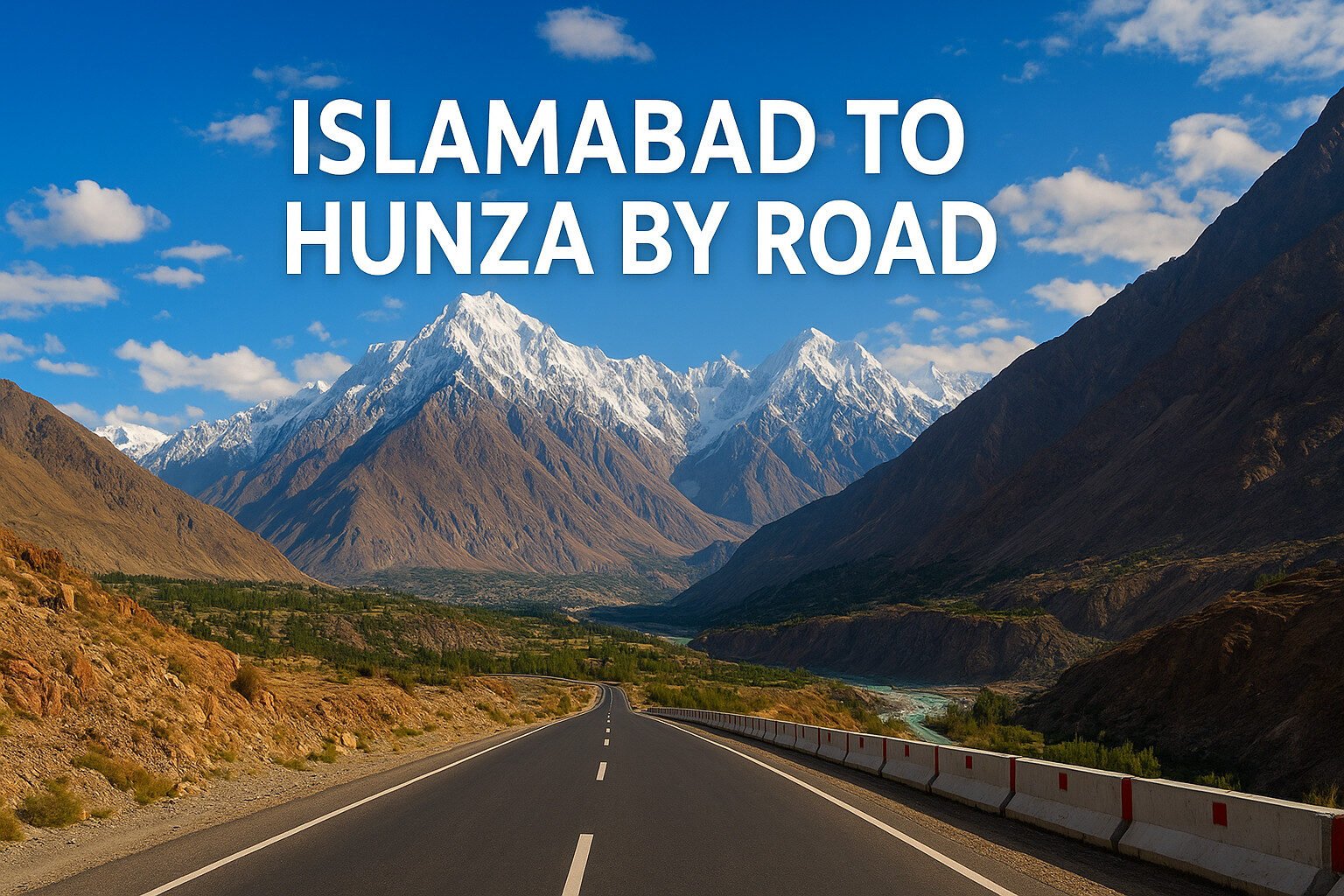
Planning a journey from Islamabad to Hunza by road is one of the most breathtaking travel experiences in Pakistan. This scenic route takes you from the modern capital city to the heart of the majestic Karakoram Mountains, offering stunning views, cultural stops, and unforgettable adventures along the way. Whether you’re traveling for photography, exploration, or pure adventure, this Islamabad to Hunza by road trip promises a lifetime of memories.
The distance from Islamabad to Hunza by road is around 600 kilometers, and the journey usually takes 12 to 14 hours, depending on road conditions and stops. Along this route, you’ll pass through beautiful valleys such as Abbottabad, Besham, Chilas, and Gilgit — each offering its own charm. The drive along the Karakoram Highway, often called the Eighth Wonder of the World, connects you to some of the most stunning landscapes in northern Pakistan.
Moreover, traveling from Islamabad to Hunza by road allows you to explore hidden gems that most tourists miss when they fly. You can enjoy local cuisine, interact with friendly communities, and stop at famous landmarks like Nanga Parbat Viewpoint and Attabad Lake. With proper planning and the right itinerary, this journey becomes more than just a drive — it becomes an experience of discovering Pakistan’s natural and cultural beauty step by step.
Islamabad to Hunza by Road – An Unforgettable Northern Adventure
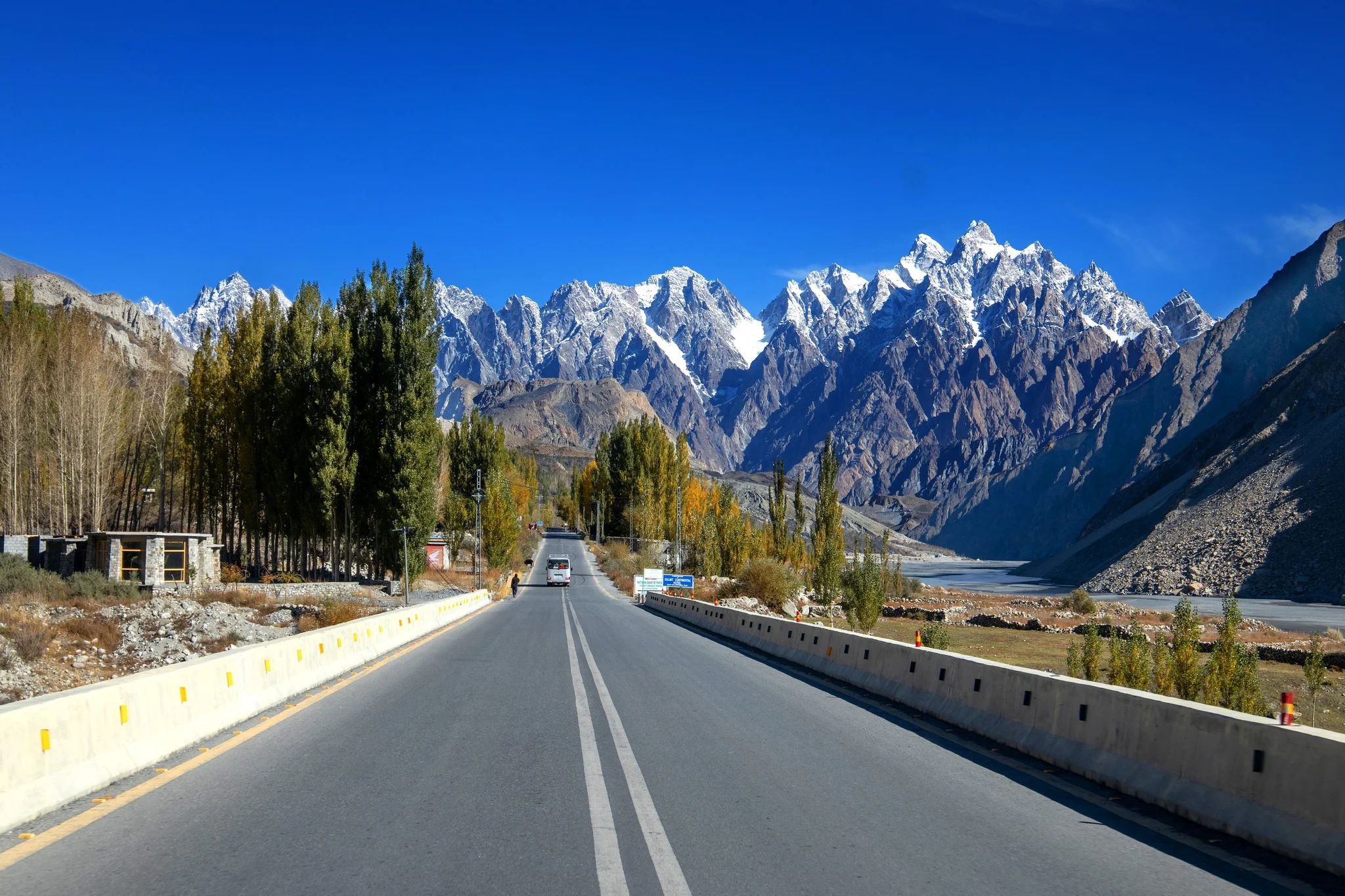
Taking the journey from Islamabad to Hunza by road is much more than a simple road trip. It’s a blend of scenic beauty, cultural diversity, and adventure that connects Pakistan’s urban heart with its most majestic northern valleys. Every turn on this route reveals a new landscape — from lush green hills to snow-covered peaks — making the drive as rewarding as the destination itself.
Distance and Duration – How Far Is Hunza from Islamabad?
The distance between Islamabad and Hunza is approximately 600 kilometers. Depending on your route choice, weather, and road conditions, it typically takes 12 to 14 hours of driving time. Travelers usually prefer to split the journey into two days to make the trip more comfortable and enjoyable.
The most common route follows the Karakoram Highway (N-35), which connects Islamabad to Gilgit and continues toward Hunza. This historic highway passes through beautiful towns such as Abbottabad, Mansehra, Besham, Dasu, Chilas, and Gilgit before reaching Karimabad — the main town of Hunza Valley.
Driving from Islamabad to Hunza by road gives you the flexibility to stop, rest, and explore hidden gems along the way. Many travelers choose to stay overnight in Naran, Chilas, or Gilgit depending on the season and travel pace.
Route Map Overview – The Path to the Northern Paradise
The Islamabad to Hunza by road route mainly follows the Karakoram Highway, known for its jaw-dropping mountain views and well-paved roads. Here’s a quick overview of the main segments:
-
Islamabad to Abbottabad (120 km) – A smooth three-hour drive on the Hazara Motorway. The road is scenic, lined with hills, forests, and clean rest stops.
-
Abbottabad to Besham (140 km) – The highway becomes more mountainous, with winding turns and beautiful valleys. Small tea stalls and local dhabas make great rest points.
-
Besham to Chilas (170 km) – This part is rugged but rich in natural beauty. The Indus River flows beside the highway, creating mesmerizing views.
-
Chilas to Gilgit (130 km) – One of the most scenic stretches, featuring the Nanga Parbat Viewpoint, where the world’s ninth-highest peak can be seen clearly on a sunny day.
-
Gilgit to Hunza (100 km) – A smooth and breathtaking drive along turquoise rivers, rocky cliffs, and green valleys. The famous Attabad Lake and Rakaposhi View Point make this section unforgettable.
Traveling from Islamabad to Hunza by road offers a mix of adventure and serenity that air travel simply can’t match. You’ll experience the gradual shift in climate, culture, and scenery as you ascend toward one of Pakistan’s most beautiful valleys.
Recommended Stops Along the Way
One of the biggest advantages of taking the Islamabad to Hunza by road route is the freedom to explore local towns and attractions along the journey. Here are some must-visit spots:
-
Abbottabad: Known for its pleasant weather and colonial charm. It’s a great place for breakfast before heading toward the hills.
-
Besham: A perfect midway stop for rest and local meals. The town sits beside the Indus River and offers budget-friendly guesthouses.
-
Dasu & Chilas: These areas are rugged but scenic. Travelers often stop for photos near the Indus River or to rest before entering the Gilgit region.
-
Nanga Parbat View Point: Located near Raikot Bridge, this is one of the most breathtaking viewpoints on the entire highway.
-
Gilgit City: The gateway to Hunza, Gilgit offers hotels, markets, and historical spots like the Gilgit Bridge and Buddha Rock Carvings.
-
Attabad Lake: A must-see before reaching Hunza. The lake’s crystal-blue water, formed after a landslide, is now one of Pakistan’s top attractions.
Each stop enhances your Islamabad to Hunza by road adventure, allowing you to enjoy Pakistan’s cultural and natural diversity at your own pace.
Best Time to Travel from Islamabad to Hunza
The best time to travel from Islamabad to Hunza by road depends on what kind of experience you’re looking for.
-
Spring (March–May): The valleys bloom with flowers, and the weather is mild — perfect for sightseeing.
-
Summer (June–August): Ideal for family trips and outdoor adventures. However, this is also the busiest season.
-
Autumn (September–November): A magical time when the trees turn golden and the crowds thin out. Many travelers say it’s the best season for photography.
-
Winter (December–February): Only recommended for experienced drivers due to possible snow and road closures.
Choosing the right season ensures your Islamabad to Hunza by road trip remains safe, enjoyable, and filled with clear views of the surrounding mountains.
The Magic of the Karakoram Highway
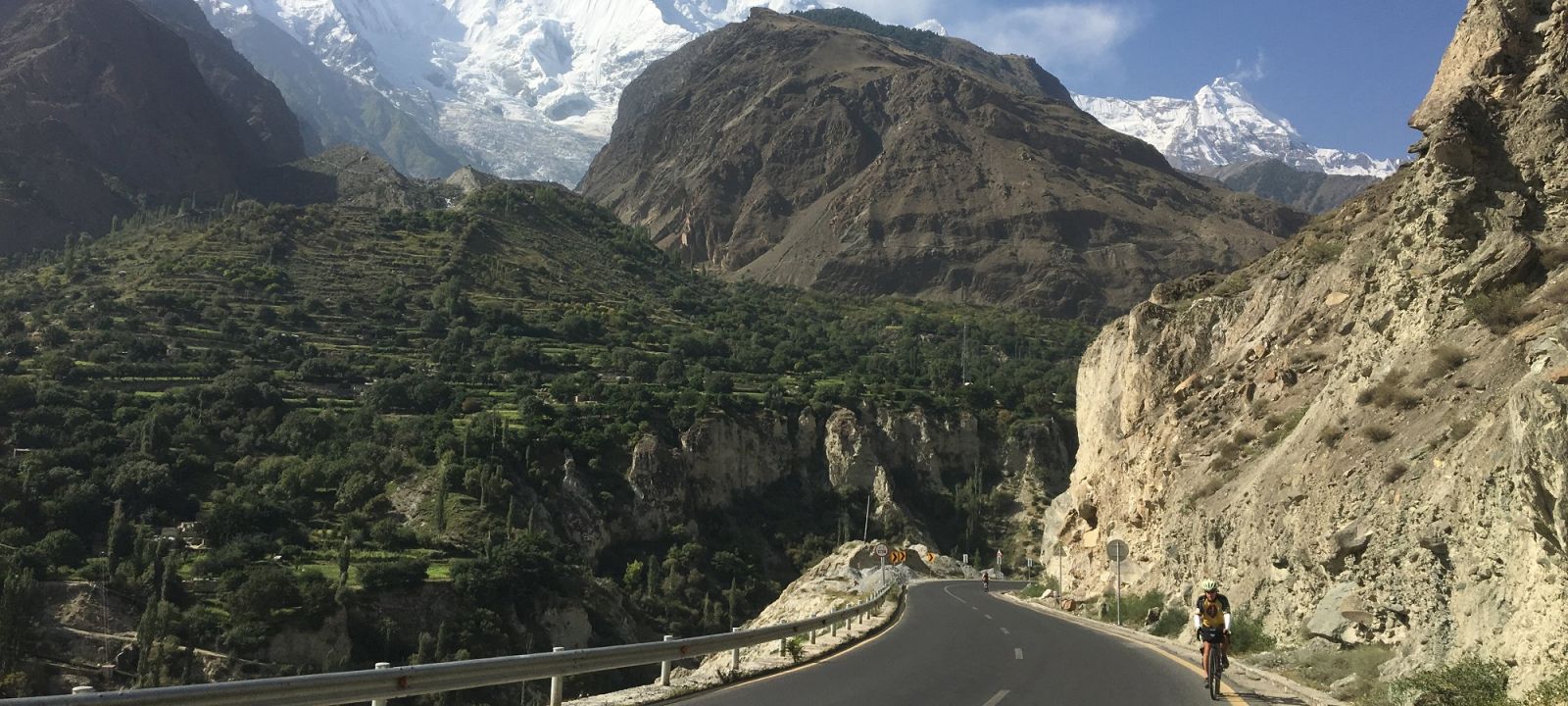
The Karakoram Highway (KKH) isn’t just a road — it’s a marvel of human engineering and nature’s beauty. Connecting Pakistan with China through the Khunjerab Pass, it cuts through some of the world’s highest mountain ranges: the Karakoram, Himalayas, and Hindu Kush.
For anyone driving from Islamabad to Hunza by road, the KKH offers a once-in-a-lifetime experience. Towering peaks like Rakaposhi, Diran, and Ultar Sar dominate the horizon, while rivers and glaciers flow beside the road. The people living along the KKH are known for their hospitality, often welcoming travelers with tea and smiles.
This road stands as a symbol of adventure, resilience, and connection — not only between regions but between travelers and nature itself.
Accommodation Options Along the Route
Comfortable stays make your Islamabad to Hunza by road experience more relaxed. Here are a few recommended options at different stops:
-
Abbottabad: Hotel One, Sarban Hotel, and small motels along Hazara Road.
-
Besham: PTDC Motel Besham or local guesthouses near the main bazaar.
-
Chilas: Shangrila Hotel Chilas or Indus Motel — ideal for overnight rest.
-
Gilgit: Serena Hotel Gilgit, Medina Guesthouse, or local B&Bs.
-
Hunza: Hunza Serena Inn, Luxus Hunza, and budget lodges near Karimabad.
Booking ahead during peak seasons is advised, especially from June to August.
Suggested Itinerary – Islamabad to Hunza by Road
Here’s a 3-day travel plan to make the most of your Islamabad to Hunza road trip:
Day 1: Islamabad → Besham (260 km)
Start early in the morning. Enjoy breakfast in Abbottabad and drive toward Besham. Stop at viewpoints along the Indus River and reach Besham by evening. Overnight stay here helps you rest before the long mountain drive.
Day 2: Besham → Gilgit (330 km)
Continue along the Karakoram Highway. Visit Nanga Parbat Viewpoint and take short breaks for photos. You’ll arrive in Gilgit by evening. Explore the local market or have dinner by the Gilgit River.
Day 3: Gilgit → Hunza (100 km)
Enjoy the most scenic part of the journey. Stop at Rakaposhi View Point and Attabad Lake for breathtaking pictures. Arrive in Karimabad, Hunza by noon and spend the evening exploring Baltit Fort and local cafés.
This itinerary makes your Islamabad to Hunza by road trip balanced — offering comfort, adventure, and scenic wonders without rushing.
Food and Refreshment Stops
During your drive, you’ll find countless spots offering traditional Pakistani meals and snacks.
-
Abbottabad: Try parathas and chai for breakfast.
-
Besham: Enjoy fresh trout fish and daal with naan.
-
Gilgit: Don’t miss local walnut cake or Hunza apricot juice.
Eating local not only adds flavor to your trip but also connects you with regional culture and hospitality.
Essential Travel Tips for Islamabad to Hunza by Road
Traveling from Islamabad to Hunza by road is exciting, but good preparation makes the journey smoother and safer. The route passes through various terrains — from smooth highways to mountain roads — so planning ahead is important. Here are some practical tips to ensure a comfortable trip:
-
Start Early: Leave Islamabad before sunrise. Early driving gives you clear visibility and enough time to reach your stop before nightfall.
-
Check Vehicle Condition: Make sure your car’s tires, brakes, and engine are in excellent shape. Carry a spare tire and essential tools for emergencies.
-
Fuel Up Often: Petrol stations become less frequent after Besham, so refuel whenever possible, especially before Chilas.
-
Carry Cash: ATMs are limited along the Karakoram Highway. Keep enough cash for meals, fuel, and accommodation.
-
Stay Updated on Weather: Rain or snowfall can temporarily block certain stretches, especially near Chilas and Gilgit. Check weather updates before departure.
Preparedness ensures your Islamabad to Hunza by road adventure stays enjoyable and stress-free throughout the trip.
Fuel and Rest Stops
The long journey from Islamabad to Hunza by road demands smart refueling and rest planning. While major towns have petrol pumps, remote areas may not.
-
Reliable fuel stations are available in Abbottabad, Besham, Dasu, Chilas, and Gilgit.
-
Between Chilas and Gilgit, it’s wise to refuel fully as options can be scarce.
-
Small roadside shops sell snacks, drinks, and tea, making them great rest points for a quick break.
Drivers often stop in Besham or Chilas for lunch and tea. Besides being practical, these stops offer opportunities to enjoy local food and interact with warm, welcoming locals who love sharing travel stories.
Best Photography Spots Along the Way
One of the biggest rewards of traveling from Islamabad to Hunza by road is the photography opportunities. The changing landscapes — from green hills to high mountain peaks — provide endless moments worth capturing.
Here are a few must-stop points for breathtaking photos:
-
Harnoi and Nathia Gali (near Abbottabad): Lush hills and pine forests.
-
Besham Bridge: A perfect spot for Indus River shots.
-
Nanga Parbat View Point: Panoramic views of the mighty Nanga Parbat.
-
Junction Point (near Chilas): The meeting of three great mountain ranges — Himalayas, Karakoram, and Hindu Kush.
-
Rakaposhi View Point: The iconic glacier peak viewed from the highway.
-
Attabad Lake: Turquoise waters surrounded by rocky cliffs — one of Pakistan’s most Instagram-worthy sites.
-
Hunza Valley: Sunset shots over Baltit Fort or Eagle’s Nest View Point.
Whether you’re using a professional camera or a smartphone, this journey offers natural beauty at every angle.
Cultural Etiquette and Local Interaction
Respecting local culture is an important part of your Islamabad to Hunza by road travel experience. The people of Gilgit-Baltistan and Hunza are known for their kindness and hospitality, but understanding their traditions helps you connect more deeply.
-
Dress modestly: Especially in smaller towns and rural areas.
-
Ask before photographing locals: Many residents are happy to pose, but always get permission first.
-
Support local businesses: Buy souvenirs, eat local dishes, and stay in guesthouses owned by locals.
-
Avoid littering: Keep the valleys clean by carrying a small trash bag for waste.
-
Learn simple greetings: Saying “Salam” or “Shukriya” builds instant goodwill.
These small gestures turn your Islamabad to Hunza by road trip into a meaningful cultural journey, not just a sightseeing tour.
Road Conditions and Safety Precautions
The Karakoram Highway has improved greatly in recent years, but certain stretches can still be rough or narrow. Travelers driving from Islamabad to Hunza by road should stay alert and cautious, especially in hilly zones and near riversides.
Key safety notes:
-
Avoid night driving; limited visibility and sharp turns can be risky.
-
Keep your headlights and fog lights clean for clear vision.
-
Follow local traffic rules strictly, as mountain roads require extra care.
-
If traveling during the monsoon or winter, check for any road closures in advance.
-
Always inform someone (a friend or hotel) about your travel plan and expected arrival time.
The road may be challenging at points, but patience and preparedness ensure a safe, memorable adventure.
Weather and Altitude Guide
When traveling from Islamabad to Hunza by road, you’ll pass through several climate zones. Starting in the warm plains of Islamabad, you’ll slowly ascend to cooler, alpine conditions near Hunza.
-
Islamabad to Besham: Mild to warm temperatures (25–30°C in summer).
-
Besham to Chilas: Warmer and drier, with sun exposure due to rocky terrain.
-
Chilas to Hunza: Cooler and windy, especially during mornings and evenings.
Hunza sits at an altitude of about 2,500 meters (8,200 feet), so travelers should take it easy upon arrival to adjust to thinner air. Keep hydrated and avoid heavy meals during the first few hours in the valley.
Hidden Gems Along the Route
Beyond the famous viewpoints, the Islamabad to Hunza by road journey hides several lesser-known treasures worth exploring:
-
Tatta Pani (near Dassu): Natural hot springs where locals often stop for relaxation.
-
Thak Village: Ancient rock carvings and a glimpse into local life near Chilas.
-
Kargah Buddha (near Gilgit): A historic Buddhist carving dating back centuries.
-
Ghulmet Village: A peaceful, photogenic stop with a clear view of Rakaposhi.
Exploring these spots makes your trip richer, offering experiences beyond the usual tourist itinerary.
Arrival in Hunza Valley – What Awaits You
After hours of travel, reaching Hunza feels like entering another world. Snow-covered peaks, colorful villages, and crisp mountain air welcome you instantly. The most popular town, Karimabad, sits high above the valley and offers stunning views of Rakaposhi and Ultar Sar.
In Hunza, you can visit:
-
Baltit Fort and Altit Fort – centuries-old heritage sites.
-
Eagle’s Nest View Point – ideal for sunrise and sunset views.
-
Attabad Lake – boating, kayaking, and lakeside cafés.
-
Passu Cones – one of Pakistan’s most photographed mountain formations.
The warm hospitality of the Hunza people adds another layer of charm to your Islamabad to Hunza by road journey. Their culture, smiles, and stories make every traveler feel at home.
Final Travel Experience on Islamabad to Hunza by Road
Completing the journey from Islamabad to Hunza by road is more than just reaching a destination; it’s about witnessing Pakistan’s natural wonders unfold mile by mile. As you approach Hunza, the Karakoram Highway winds through valleys shadowed by mighty peaks like Rakaposhi and Ultar Sar. The air becomes cooler, the skies clearer, and every bend reveals another breathtaking scene.
This route allows travelers to understand the real essence of Pakistan — a land where tradition, nature, and hospitality exist in perfect harmony. Villages like Karimabad and Gulmit showcase warm-hearted locals, while roadside tea stalls invite you to pause and take in the serenity of the mountains. The rhythm of life here is slow, peaceful, and deeply connected to nature.
Exploring Hunza Valley After the Journey
Once you’ve completed your Islamabad to Hunza by road adventure, the valley offers countless sights to explore. Start with Baltit Fort and Altit Fort, both standing as historic reminders of Hunza’s royal past. Visit Attabad Lake, famous for its turquoise water created after a landslide in 2010, and enjoy a boat ride surrounded by towering cliffs.
Don’t miss the Eagle’s Nest viewpoint at sunset, where the golden light falls across the entire valley. The experience is nothing short of magical. For those who love hiking, the trails around Hopper Glacier and Passu Cones offer a true test of endurance with unmatched views.
Travelers who have completed the Islamabad to Hunza by road trip often describe it as one of the most rewarding adventures in their lives — a perfect mix of challenge, beauty, and discovery.
Preparing for the Return Journey
After exploring Hunza, it’s time to head back toward Islamabad. It’s best to start early in the morning to enjoy the daylight and avoid nighttime driving. Plan your stops again in Gilgit or Chilas for rest and refueling. Keep some time for unexpected photo stops because the scenery looks different on the way back — sunlight changes everything.
If weather conditions permit, you can also explore a slightly different route or stay a night in Naran or Babusar Top (seasonal). This gives a refreshing change in scenery and makes your return journey memorable too.
Frequently Asked Questions (FAQs)
1. How long does it take to reach Hunza from Islamabad by road?
The trip usually takes around 12 to 14 hours, depending on traffic, road conditions, and the number of stops you make.
2. Is the road from Islamabad to Hunza safe for solo travelers or families?
Yes, the route is generally safe for both solo travelers and families. It’s recommended to drive during the day and follow traffic rules strictly.
3. What is the best vehicle for traveling from Islamabad to Hunza by road?
A 1300cc or higher vehicle, SUV, or 4×4 is ideal for the mountainous route to ensure smooth travel and safety.
4. What are the must-visit places once you reach Hunza Valley?
Top attractions include Attabad Lake, Baltit Fort, Altit Fort, Eagle’s Nest, and Passu Cones. Each offers unique scenery and cultural experiences.
5. What is the best time to travel from Islamabad to Hunza by road?
The best months are from April to October, when the roads are clear and the weather is pleasant. Avoid winter months due to snow and possible road closures.
Conclusion
Traveling from Islamabad to Hunza by road is an unforgettable experience that blends adventure with natural beauty. The Karakoram Highway, often called the Eighth Wonder of the World, offers breathtaking landscapes and a glimpse into Pakistan’s rich mountain culture.
Every turn brings new sights — from lush valleys and crystal-clear rivers to snow-covered peaks and charming villages. The journey is not just about reaching Hunza; it’s about the moments you collect along the way — the people you meet, the tea you share at roadside stalls, and the peaceful silence of the mountains.
For anyone seeking a meaningful escape into nature, this road trip stands among Pakistan’s most iconic adventures. Whether you’re a local explorer or an international traveler, the route from Islamabad to Hunza by road will leave you with memories that last a lifetime.
Want to read more Trip Trial about click here
Big Shoutout to the guys who made this blog happen UDM.