




How to Plan a Trip: The Ultimate Guide for Travelers
Learning how to plan a trip is an essential skill for any modern explorer. Initially, the process may seem overwhelming due to the countless variables involved. However, breaking down the journey into manageable steps transforms the experience from stressful to exciting. Furthermore, a well-organized plan allows for greater flexibility when unexpected opportunities arise. Consequently, this guide provides a professional framework for your next adventure.
Establishing Your Travel Vision
Before booking anything, you must define the purpose of your journey. Specifically, ask yourself what you hope to achieve. Are you seeking relaxation on a beach, or do you prefer a fast-paced urban exploration? Identifying these goals early will streamline every subsequent decision you make.
Identifying Your Interests
Your personal preferences should dictate every decision. For instance, food enthusiasts might prioritize cities with renowned culinary scenes. Alternatively, nature lovers should seek destinations with accessible national parks. Moreover, consider the company you are keeping. Traveling with children requires different considerations than a solo backpacking expedition. Therefore, align your destination with your group’s specific needs and limitations.
Selecting the Right Time to Go
Timing is everything in travel. Consequently, research the peak and off-peak seasons for your chosen location. Traveling during the “shoulder season” often provides the best balance of good weather and lower prices. In addition, check for local holidays or festivals. These events can enrich your experience, but they might also lead to higher accommodation costs and crowded venues. Therefore, choose your dates with both climate and local events in mind.
How to Plan a Trip Budget Effectively
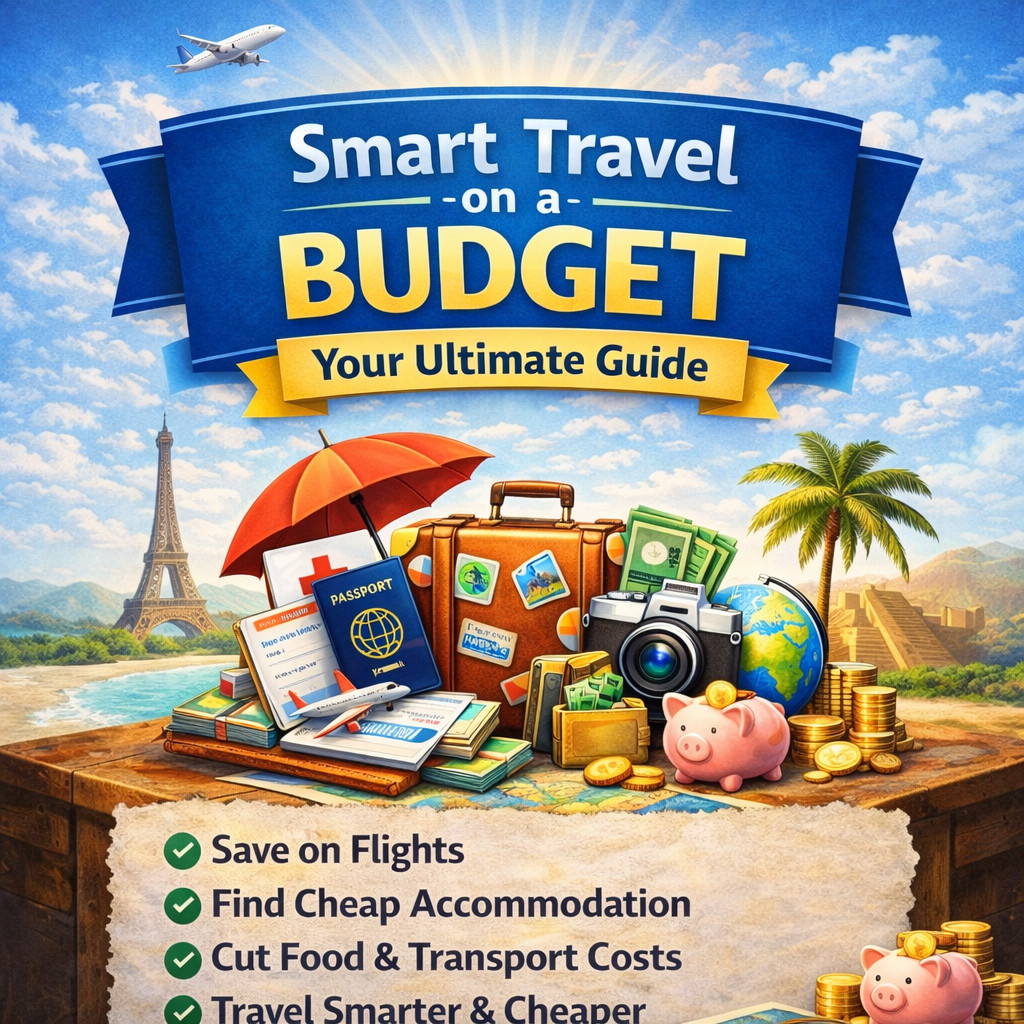
Financial preparation is the backbone of any successful journey. Understanding how to plan a trip within your means prevents post-vacation debt and unnecessary stress during the journey.
Estimating Major Costs
Initially, identify the “big three” expenses: transportation, lodging, and food. Use comparison websites to get a baseline for flight prices. Furthermore, research the average cost of a meal in your destination. In addition, don’t forget to include local transportation like trains, buses, or car rentals. Consequently, you will have a realistic view of your daily requirements. This clarity allows you to save appropriately before you depart.
Managing Currency and Payments
Managing money abroad requires careful planning. Initially, research whether your destination is cash-heavy or card-friendly. For instance, many European cities are moving toward cashless transactions. However, rural areas in Southeast Asia may still rely heavily on physical currency. Therefore, always carry a small amount of local cash for emergencies. Additionally, use credit cards that offer no foreign transaction fees. This saves you a significant percentage on every purchase. Moreover, be aware of dynamic currency conversion at ATMs. Always choose to be charged in the local currency to get the best exchange rate.
Navigating the Booking Process
Once your budget is established, it is time to secure your arrangements. This phase requires patience and strategic thinking to get the best value.
Finding Affordable Airfare
Airfare often consumes the largest portion of a travel budget. However, you can find deals by being flexible with your dates. For instance, flying on a Tuesday or Wednesday is typically cheaper than weekend travel. Additionally, use flight aggregators to compare different airlines. Subsequently, consider flying into smaller, secondary airports to save money. Moreover, signing up for airline newsletters can alert you to flash sales.
Choosing the Right Lodging
Your choice of accommodation significantly impacts your overall comfort. Therefore, consider various options beyond traditional hotels. Vacation rentals, for example, offer a more local experience and often include kitchen facilities. Moreover, check reviews on multiple platforms to ensure accuracy. Consequently, you will avoid unpleasant surprises upon arrival. Specifically, look for properties with high ratings for cleanliness and location.
Leveraging Technology for Seamless Travel
In the modern era, technology has revolutionized how we explore the world. Consequently, you should utilize various mobile applications to streamline your journey and stay organized.
Essential Travel Applications
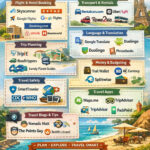
You should utilize various mobile applications to streamline your journey. For instance, language translation apps can bridge communication gaps in foreign countries. Moreover, navigation tools provide real-time updates on public transit. Additionally, currency converters help you stay within your budget while shopping. Therefore, downloading these tools before departure is a wise strategic move. Furthermore, consider purchasing a local SIM card or an eSIM. This ensures you have constant access to information without incurring exorbitant roaming charges.
Designing Your Daily Itinerary
A common mistake is over-scheduling every minute. Instead, aim for a balanced approach that allows for both structured activity and spontaneous exploration.
Prioritizing Must-See Attractions
Identify the top three landmarks or experiences you cannot miss. Specifically, book tickets for these in advance to avoid long lines. Furthermore, group attractions by geographic proximity. This strategy reduces travel time between locations. Consequently, you will have more energy for the actual experiences. Ultimately, focusing on quality over quantity leads to a more satisfying trip.
Building in Downtime
Travel can be physically and mentally exhausting. Therefore, it is vital to schedule periods of rest. For instance, spend an afternoon at a local cafe or a quiet park. Moreover, downtime allows you to process the sights you have already seen. Specifically, it prevents the “travel burnout” that often occurs during longer trips. Ultimately, a slower pace often leads to more meaningful cultural interactions and unexpected discoveries.
Cultural Immersion and Ethical Travel
As global tourism grows, the importance of traveling responsibly cannot be overstated. Specifically, consider the environmental and social impact of your journey.
Respecting Local Customs
Every destination has its own set of social norms. Initially, research the local etiquette regarding tipping, dress codes, and photography. Furthermore, learning a few basic phrases in the local language goes a long way. It shows respect for the culture and often results in warmer interactions with locals. Consequently, your experience will feel more authentic and less like a standard tourist visit.
Supporting Local Economies
Support local businesses rather than international chains. This ensures your money benefits the local economy directly. For instance, eat at family-owned restaurants and shop at local markets. Moreover, respect local wildlife and natural habitats. Avoid attractions that exploit animals for entertainment. Consequently, your travels will contribute positively to the destinations you visit. Ultimately, being a conscious traveler enriches your own experience through deeper connections with the world.
Managing Essential Travel Logistics
Technical details are less glamorous but equally important. Proper preparation ensures you do not run into legal or health issues while abroad.
Visa Requirements and Documentation
Initially, check the entry requirements for your destination. Some countries require visas that take weeks to process. Furthermore, ensure your passport is valid for at least six months beyond your return date. In addition, keep digital copies of all important documents in a secure cloud storage. Consequently, you will be prepared if physical copies are lost or stolen. Therefore, check these requirements at least two months before your trip.
Health and Safety Precautions
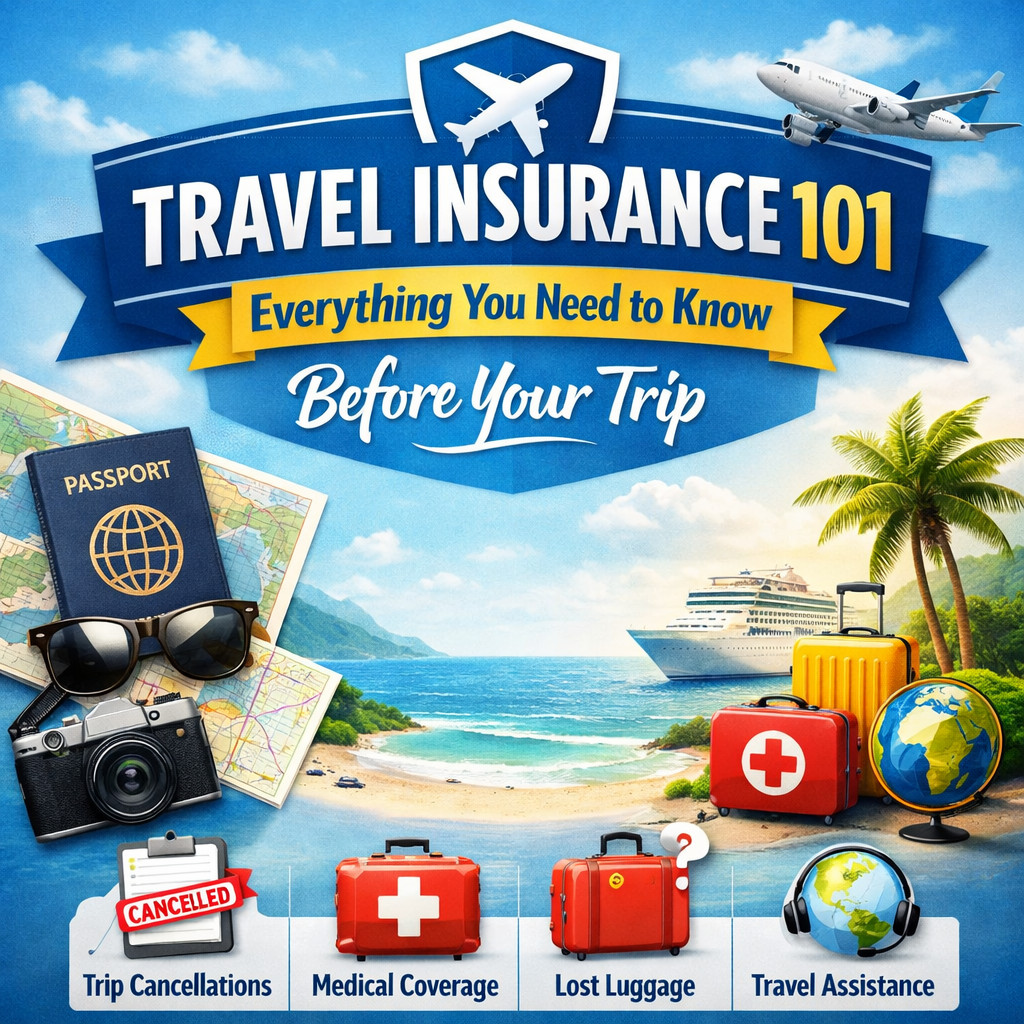
Your health is your most valuable asset. Therefore, consult a travel clinic for necessary vaccinations well in advance. Additionally, purchase a comprehensive travel insurance policy. This covers medical emergencies, trip cancellations, and lost luggage. Moreover, research local laws and customs to remain respectful and safe. Ultimately, being prepared for the worst-case scenario allows you to enjoy the best-case scenario with confidence.
The Art of Packing and Final Prep
Packing efficiently is a skill that improves with practice. The goal is to bring only what you truly need while remaining prepared for different situations.
Developing a Packing Strategy
Initially, create a list based on the local climate and your planned activities. Specifically, choose versatile clothing items that can be layered. Furthermore, embrace the “one bag” philosophy if possible. Consequently, you will save time at the airport and money on baggage fees. Moreover, using packing cubes can help organize your suitcase and maximize space. Therefore, prioritize essentials over “just in case” items.
Pre-Departure Checklist
Before you leave, notify your bank of your travel plans. Moreover, download offline maps of your destination. This is particularly useful in areas with poor cellular reception. Additionally, double-check that you have all necessary chargers and power adapters. Finally, confirm all your bookings one last time. Consequently, you will hit the ground running upon arrival. This final check provides the peace of mind needed to start your journey correctly.
Conclusion
In summary, knowing how to plan a trip involves a blend of logistical precision and personal vision. By systematically addressing your budget, bookings, and itinerary, you create a foundation for a seamless adventure. Furthermore, prioritizing ethical travel and local immersion ensures your journey is as meaningful as it is enjoyable. Ultimately, the effort you invest in the planning phase pays dividends in the form of unforgettable memories and stress-free exploration. Therefore, use this framework to turn your travel dreams into a well-executed reality.
Big Shoutout to the guys who made this blog happen UDM for further information visit our blog page.
Frequently Asked Questions (FAQ)
How far in advance should I start planning a trip?
Ideally, you should begin the process three to six months before your departure date. This timeframe allows you to secure the best prices for flights and accommodations. Furthermore, it provides ample time for visa processing and necessary vaccinations. However, for peak season travel, starting even earlier is often beneficial.
What is the best way to stay within my travel budget?
To stay within your budget, track your daily expenses using a mobile app. Additionally, prioritize free activities like walking tours or visiting public parks. Moreover, eating like a local at markets instead of tourist-heavy restaurants can save significant amounts of money. Therefore, constant monitoring and smart choices are key to financial discipline.
Is travel insurance really necessary?
Yes, travel insurance is highly recommended for any significant journey. It provides protection against unforeseen events such as medical emergencies, trip cancellations, or lost belongings. Consequently, it offers peace of mind that outweighs the initial cost. Specifically, ensure the policy covers the specific activities you plan to undertake, such as adventure sports.