





Hong Kong Travel Tips: Your Ultimate Guide to an Unforgettable Journey
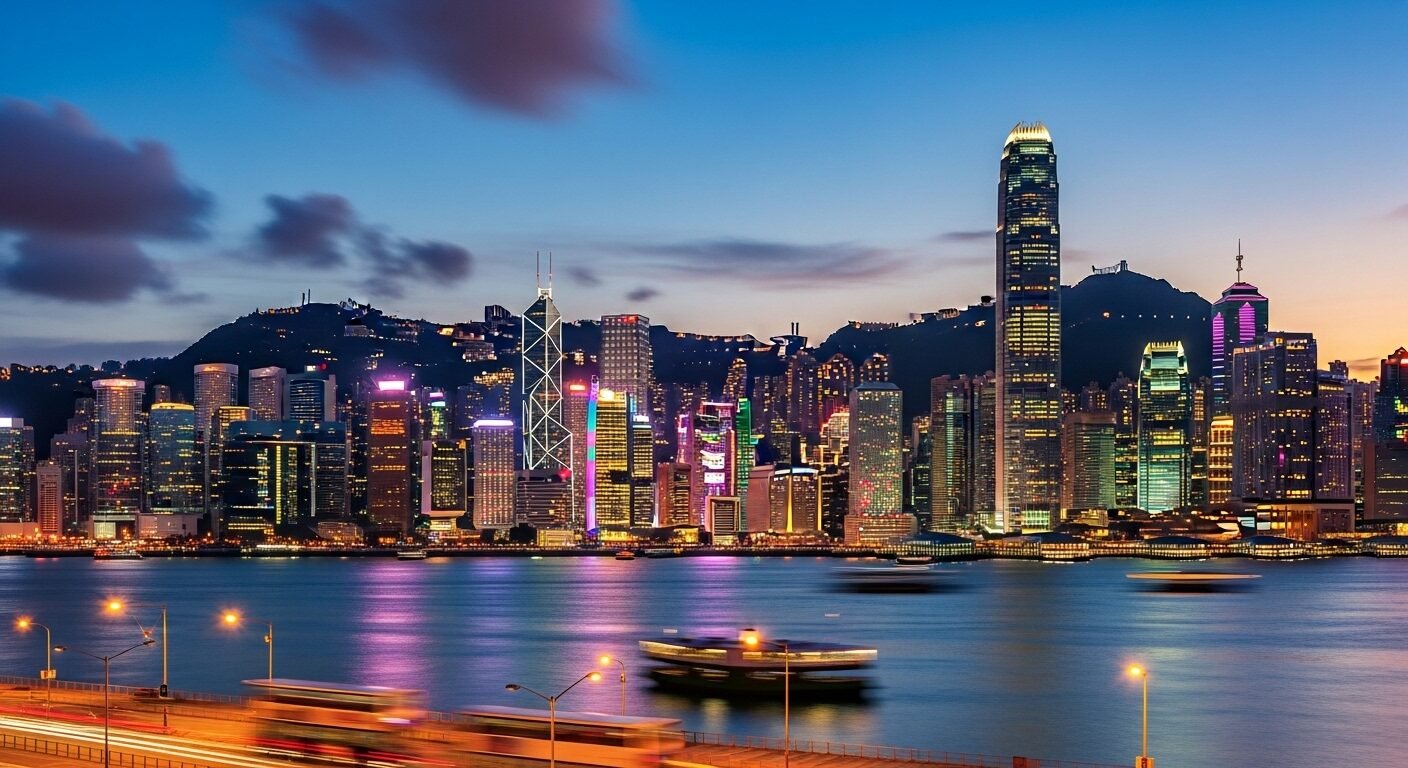
Hong Kong, a city where East meets West, offers an exhilarating blend of ancient traditions and futuristic marvels. From its iconic towering skyline to bustling street markets and tranquil temples, an adventure awaits every traveler. To make the most of your visit, it is crucial to equip yourself with the best Hong Kong travel tips. This comprehensive guide will navigate you through everything you need to know, ensuring a seamless and enriching experience in the Pearl of the Orient. Moreover, understanding the local nuances will significantly enhance your trip.
Essential Hong Kong Travel Tips for Planning Your Trip
Visa Requirements
Most nationalities enjoy visa-free entry for a period ranging from 7 to 90 days. However, it is paramount to always check specific requirements based on your passport and country of origin. Consequently, visiting the official Hong Kong Immigration Department website is highly recommended before booking flights. Furthermore, ensure your passport is valid for at least six months beyond your intended stay. Without this, entry might be denied.
Best Time to Visit
Autumn, typically from September to early December, offers pleasant temperatures, clear skies, and significantly lower humidity. Therefore, it’s often considered the ideal time for tourists to visit Hong Kong. Spring, from March to May, is also favorable but can be quite humid. Conversely, summer, spanning June to August, is hot, very humid, and prone to typhoons. Winter, from December to February, is generally cool and dry.
Currency and Payments
The local currency is the Hong Kong Dollar (HKD), which is pegged to the US Dollar. Credit cards are widely accepted, especially in larger establishments, hotels, and upscale restaurants. Nevertheless, it’s wise to carry some cash for street markets, smaller local eateries, and topping up your Octopus card. ATMs are readily available throughout the city, and major banks offer competitive exchange rates.
Navigating the City: Getting Around Hong Kong with Ease
The MTR – Your Best Friend
Hong Kong’s Mass Transit Railway (MTR) system is remarkably efficient, clean, and extensive. It connects most major attractions and districts with incredible speed and reliability. This is arguably the most convenient and cost-effective way to travel across the city. Additionally, signage is clear and available in both English and Chinese.
Octopus Card – A Must-Have
A stored-value smart card, the Octopus card, is a must-have for all visitors. It allows seamless travel on MTR, buses, trams, ferries, and even facilitates payments at convenience stores, supermarkets, and fast-food outlets. You can purchase it at any MTR station customer service center. Moreover, it’s easy to top it up as needed at stations or convenience stores.
Buses, Trams, and Ferries
Double-decker buses offer extensive routes and can provide scenic views, though they might be slower in heavy traffic. The iconic “Ding Ding” trams on Hong Kong Island are a cheap, charming, and leisurely way to sightsee through historic neighborhoods. Ferries, particularly the Star Ferry, provide stunning harbor views and efficiently connect Hong Kong Island with Kowloon. This is a classic experience; furthermore, it is very affordable.
Where to Stay: Accommodation Options for Every Traveler
Hong Kong Island
- Central/Admiralty: These districts are upscale, business-oriented, and home to many luxury hotels. They offer excellent dining options and convenient MTR access.
- Wan Chai/Causeway Bay: Known for their vibrant atmosphere, these areas are perfect for shopping enthusiasts and those seeking lively nightlife. You’ll find a mix of mid-range to luxury hotels here.
- Sheung Wan/Sai Ying Pun: These trendy neighborhoods offer boutique hotels and a more local, bohemian charm. They are quieter but still well-connected.
Kowloon
- Tsim Sha Tsui (TST): A major tourist hub, TST boasts iconic skyline views, extensive shopping opportunities, and a diverse range of hotels, from budget to high-end.
- Mong Kok/Yau Ma Tei: For an authentic local experience, these bustling areas are filled with vibrant markets and budget-friendly accommodation options. Consequently, they are popular with backpackers.
Cultural Etiquette and Language in Hong Kong
Respectful Interactions
Politeness is highly valued in Hong Kong culture. Always use polite terms such as “m’goi” (excuse me/thank you for a service) and “do jeh” (thank you for a gift or favor). Avoid pointing with your finger; instead, use an open hand to indicate direction. Tipping is not customary in most local eateries or for taxi drivers. However, service charges (usually 10%) are often added in upscale restaurants.
Language Basics
Cantonese is the official language spoken by the majority. Nevertheless, English is widely spoken, especially in tourist areas, by younger generations, and in business settings. Learning a few basic Cantonese phrases will be greatly appreciated by locals. For example, “Nei hou” (hello), “jo san” (good morning), and “mmh-goi saai” (thank you very much) can go a long way.
A Gastronomic Journey: Food and Dining in Hong Kong
Dim Sum Delights
Indulging in dim sum is a quintessential Hong Kong experience. Enjoy a variety of steamed and fried delicacies, traditionally served for breakfast or lunch. Popular spots include Michelin-starred Tim Ho Wan and the expansive Maxim’s Palace. Moreover, many local restaurants offer delicious, authentic options.
Street Food Adventures
Explore vibrant areas like Temple Street Night Market or Mong Kok for local favorites such as fish balls, egg waffles, curry fish balls, and stinky tofu. Be adventurous and try new flavors, but always be mindful of hygiene standards. Consequently, choose stalls with high turnover.
International Cuisine
Hong Kong boasts an incredible array of international restaurants, from Michelin-starred establishments offering fine dining to casual eateries serving global flavors. Therefore, you will certainly find something to suit every palate, whether you crave Italian, Japanese, Indian, or American cuisine.
Must-See Attractions & Experiences in Hong Kong
Iconic Landmarks
- Victoria Peak: Ascend to Victoria Peak for breathtaking panoramic views of the city skyline, Victoria Harbour, and the surrounding islands. Take the historic Peak Tram for a classic and scenic journey.
- Symphony of Lights: Witness this spectacular light and sound show over Victoria Harbour every night at 8 PM. The best viewing spots are along Tsim Sha Tsui waterfront or from a harbor cruise.
- Tian Tan Buddha (Big Buddha) & Po Lin Monastery: Located on serene Lantau Island, these spiritual sites are accessible via the Ngong Ping 360 cable car, which offers stunning aerial views.
Cultural Gems
- Man Mo Temple: A historic and atmospheric temple dedicated to the God of Literature (Man) and the God of War (Mo). It provides a peaceful retreat from the urban hustle.
- Wong Tai Sin Temple: A vibrant and colorful temple where visitors come to pray for good fortune and divine guidance. It blends Taoist, Buddhist, and Confucian elements.
- Chi Lin Nunnery & Nan Lian Garden: Discover a serene oasis featuring traditional Tang Dynasty architecture, beautiful bonsai trees, and tranquil ponds. This offers a peaceful escape.
Beyond the City
- Lamma Island/Cheung Chau: Escape the city’s hustle by exploring these tranquil outlying islands. Enjoy fresh seafood, rent a bike, and soak in the laid-back atmosphere.
- Tai O Fishing Village: Visit this unique stilt house village on Lantau Island for a glimpse into traditional Hong Kong life. Consider a boat trip to spot pink dolphins.
Shopping in Hong Kong: A Retail Paradise
Markets for Bargains
- Temple Street Night Market: A bustling market offering clothes, souvenirs, electronics, and fortune tellers. It comes alive after sunset.
- Ladies’ Market (Mong Kok): Famous for fashion, accessories, gadgets, and quirky souvenirs. Haggling is expected here.
- Specialty Markets: Explore the Goldfish Market, Flower Market, and Bird Garden for unique local experiences and goods.
Luxury Malls & Boutiques
- IFC Mall, Pacific Place, Harbour City: These iconic malls house high-end international brands, designer boutiques, and luxury department stores.
- Causeway Bay: A true shopper’s paradise with numerous department stores, trendy boutiques, and flagship stores of global brands.
Practical Hong Kong Travel Tips for a Smooth Trip
Connectivity
Purchase a local SIM card or rent a portable Wi-Fi device upon arrival at the airport. This ensures you stay connected, which is invaluable for navigation, communication, and sharing your experiences. Free Wi-Fi is widely available in many public spaces, MTR stations, cafes, and restaurants.
Safety and Emergency
Hong Kong is generally considered a very safe city for tourists. However, basic precautions against pickpocketing in crowded areas, such as markets or public transport, are always advisable. In case of an emergency, the number is 999 for Police, Fire, and Ambulance services.
What to Pack
Comfortable walking shoes are absolutely essential, as you’ll likely do a lot of walking. Pack lightweight, breathable clothing for warmer months, and layers for cooler seasons. An umbrella is vital for both rain and sun protection. A universal travel adapter (Type G is common in Hong Kong) is necessary for your electronic devices.
Hydration
Drink plenty of water, especially during the humid summer months, to prevent dehydration. Tap water is safe to drink, but bottled water is widely available at convenience stores.
Budgeting Your Hong Kong Adventure
Daily Costs
Hong Kong can be an expensive city, particularly when it comes to accommodation. However, food and public transport can be relatively affordable if you choose wisely. A mid-range budget might entail HKD 800-1500 per person per day, excluding significant accommodation costs.
Saving Tips
Eat at local cha chaan tengs (Hong Kong-style tea restaurants) or street food stalls for delicious and inexpensive meals. Utilize the MTR and public transport extensively; taxis are generally more expensive, especially during peak hours. Look for free attractions like public parks, historic temples, and numerous hiking trails that offer stunning views. Consider staying in guesthouses or hostels if you are on a tight budget, particularly in areas like Mong Kok or Tsim Sha Tsui.
Health and Well-being During Your Trip
Common Ailments
Heat exhaustion or dehydration can occur, especially during the hot and humid summer. Therefore, stay hydrated and seek shade regularly. Minor cuts or scrapes from extensive walking are possible; carrying a small first-aid kit with plasters and antiseptic wipes is a good idea.
Medical Facilities
Hong Kong boasts excellent public and private hospitals, offering high-quality medical care. Travel insurance is highly recommended to cover any unforeseen medical expenses, as private healthcare can be costly.
Conclusion
Armed with these comprehensive Hong Kong travel tips, you are now well-prepared to embark on an extraordinary journey through this dynamic city. From navigating its efficient transport system and savoring its diverse culinary scene to exploring its iconic landmarks and understanding its rich culture, Hong Kong promises an experience like no other. Plan wisely, embrace the adventure, and create lasting memories in this vibrant metropolis.
Want to read more visit our website
Big Shoutout to the guys who made this blog happen Asim Ali.
Frequently Asked Questions (FAQ)
Q: Do I need a visa to visit Hong Kong?
A: Many nationalities can enter Hong Kong visa-free for a period ranging from 7 to 90 days. However, it is always recommended to check the specific visa requirements based on your nationality before planning your trip.
Q: What is the best way to get around Hong Kong?
A: The MTR (Mass Transit Railway) is the most efficient and convenient way to travel around Hong Kong. Additionally, purchasing an Octopus card will make using the MTR, buses, trams, and ferries seamless and hassle-free.
Q: Is tap water safe to drink in Hong Kong?
A: Yes, tap water in Hong Kong is generally considered safe to drink. Nevertheless, many visitors prefer to drink bottled water, which is widely available across the city.