








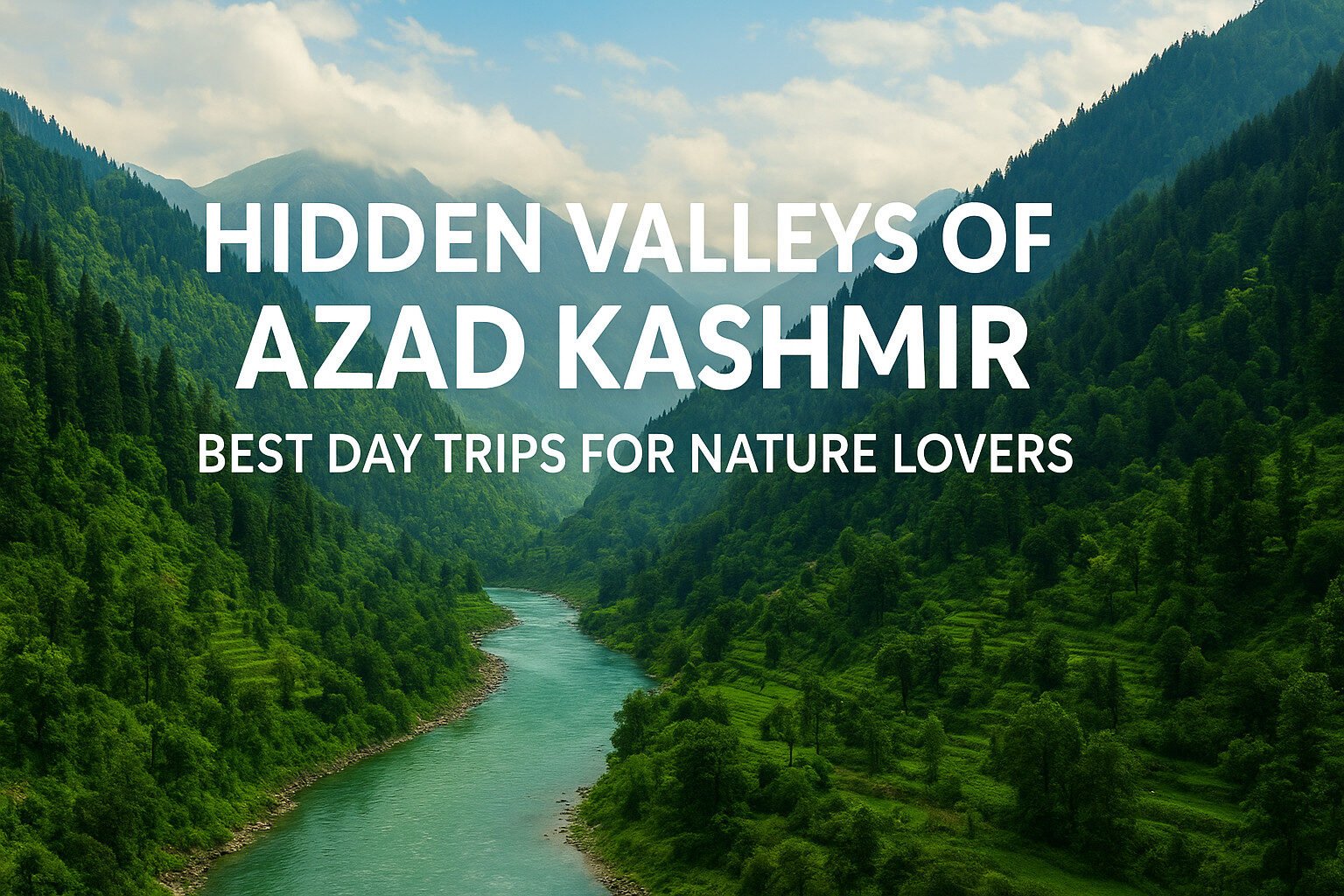
The Hidden Valleys of Azad Kashmir are among the most enchanting yet less explored wonders of Pakistan. Nestled between towering peaks and lush green landscapes, these valleys offer a refreshing escape from busy city life. Whether you’re a passionate traveler, a nature lover, or simply someone seeking peace, the serene beauty of these valleys will capture your heart instantly.
What makes the truly special is their untouched charm. From crystal-clear rivers and dense pine forests to charming local villages, every turn reveals something new. Moreover, the pleasant weather and welcoming people make day trips here even more memorable. Unlike crowded tourist destinations, these hidden valleys allow visitors to enjoy authentic natural beauty without the rush.
In addition, reaching many of these spots is easier than most expect. Well-maintained roads and guided tours have made travel to Azad Kashmir’s valleys smoother than ever before. So, if you’re planning a short yet fulfilling getaway, exploring these Hidden Valleys of Azad Kashmir should be at the top of your list. They promise breathtaking views, fresh mountain air, and experiences that stay with you long after you return home.
Exploring the Hidden Valleys of Azad Kashmir
The Hidden Valleys of Azad Kashmir are an untouched paradise for travelers who love peace, adventure, and natural beauty. These valleys, tucked away in the northern regions of Pakistan, are home to sparkling rivers, snow-covered peaks, and vibrant cultures. For many years, they remained unknown to mainstream tourism, which is why they still hold their original charm. Every valley has a story to tell, shaped by its people, traditions, and breathtaking scenery.
1. Arang Kel – The Crown of Neelum Valley
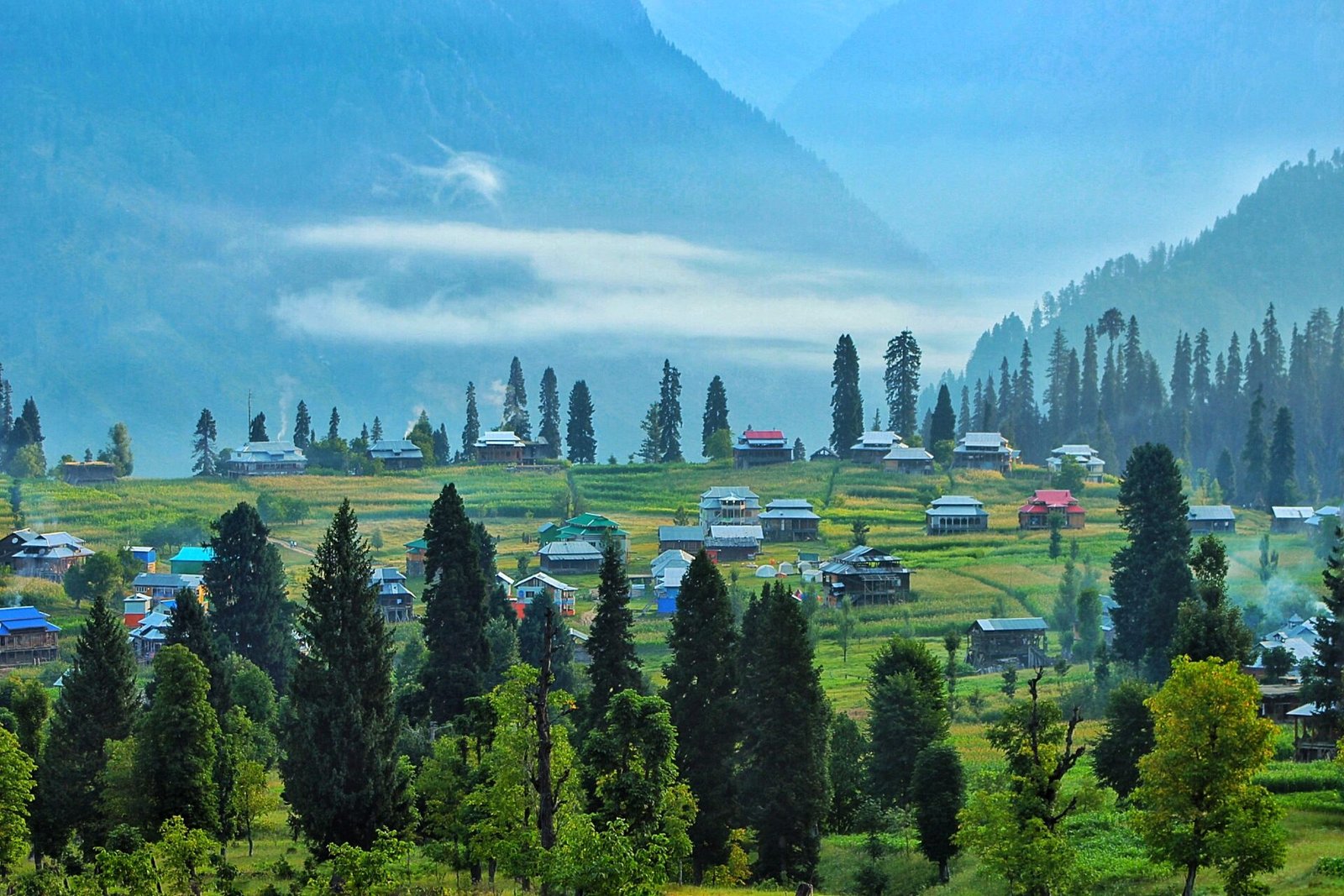
Arang Kel, often called the “Heaven on Earth,” is one of the most stunning hidden valleys of Azad Kashmir. Perched high above the Neelum River, it offers sweeping views of snow-capped mountains and thick pine forests. The journey to Arang Kel begins in the village of Kel, from where a steep hike or a short cable car ride takes you to this peaceful hilltop village.
The climb may seem tiring, but the reward at the top is beyond words. Traditional wooden houses, lush green fields, and the sound of birds make Arang Kel a perfect spot for photographers and nature enthusiasts. It’s also an ideal place to experience the simple lifestyle of Kashmiri villagers, who are known for their warmth and hospitality.
Moreover, the best time to visit Arang Kel is from May to September, when the meadows are at their greenest and the weather is mild. During winter, the area transforms into a snowy wonderland, though access becomes more difficult due to heavy snowfall.
2. Leepa Valley – The Serene Gateway
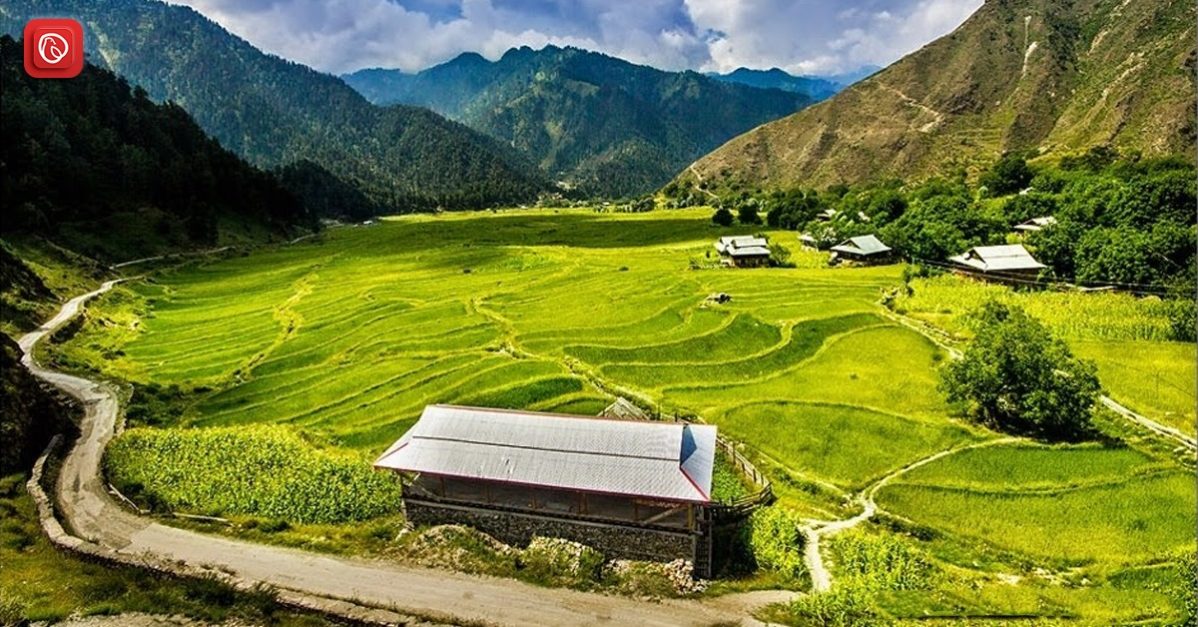
Another jewel among the Hidden Valleys of Azad Kashmir is Leepa Valley. Located about 100 kilometers from Muzaffarabad, this valley is known for its unspoiled beauty, fertile fields, and wooden homes with slanted roofs. Leepa Valley remains relatively unexplored due to its remote location, making it a peaceful escape for travelers who wish to avoid crowds.
The valley is divided into several small villages, each surrounded by apple orchards, golden fields, and crystal-clear streams. The scent of fresh pine fills the air, and in spring, colorful flowers blanket the valley floor. The drive to Leepa Valley is an experience in itself, passing through winding mountain roads and dense forests that reveal breathtaking views at every turn.
Local hospitality here is remarkable. Guests are often welcomed with traditional Kashmiri tea and homemade bread, offering a genuine taste of local life. Leepa Valley also becomes a snowy paradise in winter, attracting photographers and adventurers alike.
3. Taobat – Where the Neelum River Begins
At the far end of the Neelum Valley lies Taobat, a hidden gem that marks the origin of the Neelum River. It is one of the remotest yet most beautiful places in Azad Kashmir. With its wooden huts, lush greenery, and crystal streams, Taobat perfectly captures the essence of untouched nature.
The journey to Taobat is long but extremely rewarding. Travelers usually pass through Sharda and Kel before reaching this quiet settlement. The roads are narrow but scenic, offering unforgettable views of waterfalls and mountain slopes.
Life in Taobat is simple; most people here rely on farming and livestock. The area remains cut off from much of the outside world during heavy snowfall, which adds to its mystery and beauty. Visitors often describe Taobat as a place that feels “frozen in time,” untouched by modern life yet full of life and culture.
4. Shounter Valley – The Gateway to Astore
Hidden between Neelum Valley and Gilgit-Baltistan lies the majestic Shounter Valley. Famous for its alpine meadows, crystal lakes, and snow-covered peaks, it is one of the most scenic and adventurous Hidden Valleys of Azad Kashmir.
The highlight of Shounter Valley is the Shounter Lake, a glacial lake surrounded by rugged mountains and wildflowers. It’s a favorite camping spot for trekkers and adventure lovers. The Shounter Pass also connects Azad Kashmir to the Astore district of Gilgit-Baltistan, making it an exciting route for those looking to explore more of northern Pakistan.
Reaching Shounter Valley requires a sturdy vehicle and patience, as the journey involves steep and rocky paths. However, every traveler who makes it here agrees that the view is worth the effort. During summer, when the valley is covered in wildflowers, it feels like stepping into a dream.
5. Banjosa and Toli Pir – A Blend of Comfort and Wild Beauty
Not all the Hidden Valleys of Azad Kashmir are remote and hard to reach. Some, like Banjosa and Toli Pir, offer a perfect mix of accessibility and adventure. Banjosa Lake, located near Rawalakot, is a serene spot surrounded by pine forests. It’s ideal for short day trips or picnics. The reflection of the green trees in the calm water creates a peaceful atmosphere for visitors of all ages.
Just a few hours from Banjosa lies Toli Pir, one of the highest hilltop points in the region. From its grassy meadows, visitors can enjoy a 360-degree view of the surrounding mountains and valleys. The road leading up to Toli Pir is filled with scenic spots, making it a photographer’s paradise. On clear days, the view stretches as far as the snow-covered peaks of the Pir Panjal range.
Both Banjosa and Toli Pir are excellent for families and couples looking for peaceful weekend getaways. They provide a glimpse into the gentler, more comfortable side of Kashmir’s natural landscape.
6. The Cultural and Traditional Essence of the Valleys
While the natural beauty of the Hidden Valleys of Azad Kashmir is unforgettable, their cultural richness is equally fascinating. Each valley has its own traditions, music, and local crafts that reflect centuries-old Kashmiri heritage. Handwoven shawls, wooden carvings, and local jewelry tell the stories of generations that have lived in harmony with nature.
Visitors often find themselves drawn to the hospitality of the locals. Sharing a cup of noon chai (salted tea) with villagers is an experience that connects travelers with the soul of Kashmir. The people here take pride in preserving their customs, from traditional dances during festivals to local cuisine prepared with fresh ingredients.
These cultural encounters not only make your trip memorable but also help sustain the local economy through community-based tourism.
7. Travel Tips for Visiting Hidden Valleys
Traveling to the Hidden Valleys of Azad Kashmir can be a life-changing experience, but it requires a bit of preparation. Here are a few practical tips to make your journey smoother and more enjoyable:
-
Best Time to Visit: The ideal months are May to September, when the weather is mild, and roads are mostly open.
-
Transportation: A 4×4 vehicle is recommended for remote areas like Shounter and Taobat.
-
Local Guides: Hiring a local guide helps you discover offbeat trails safely and supports the local community.
-
Accommodation: Guesthouses and small lodges are available in most valleys. Booking in advance is advised during peak season.
-
Respect Nature: Avoid littering and respect local traditions. The beauty of these valleys depends on responsible tourism.
8. Why the Hidden Valleys of Azad Kashmir Deserve More Attention
Despite their incredible beauty, the Hidden Valleys of Azad Kashmir remain less visited compared to popular tourist spots. This is partly due to limited awareness and infrastructure. However, things are changing as more travelers seek authentic and sustainable destinations.
These valleys offer what mass tourism cannot—silence, purity, and a deep connection with nature. Each visit supports local livelihoods and helps preserve the unique ecosystem of the region. For eco-tourists, photographers, and explorers, this is an opportunity to witness Pakistan’s raw natural splendor before it becomes widely commercialized.
9. Adventure and Activities in the Hidden Valleys of Azad Kashmir
The Hidden Valleys of Azad Kashmir are not only places of calm beauty but also ideal destinations for adventure lovers. Travelers can enjoy hiking, camping, fishing, and even light trekking in these regions. The untouched mountain trails of Arang Kel and Shounter Valley attract trekkers from all over Pakistan who wish to explore nature without disturbance.
In Taobat and Leepa Valley, crystal-clear streams and rivers make perfect spots for fishing and picnics. Many visitors bring tents and spend nights under the stars, surrounded by the sounds of flowing water and chirping crickets. The experience of waking up to the view of snow peaks and misty mornings is unforgettable.
Those who love photography or drone videography will find endless inspiration here. The play of sunlight over the mountains, traditional wooden homes, and vibrant fields create picture-perfect moments throughout the day. Adventure in the Hidden Valleys of Azad Kashmir is not about high risk — it’s about immersing yourself in raw, natural peace and simplicity.
10. Local Cuisine and Flavors of the Valleys
A visit to the Hidden Valleys of Azad Kashmir is incomplete without tasting their authentic local cuisine. Food here is simple yet rich in flavor, prepared using natural ingredients sourced directly from nearby farms. Meals often include traditional Kashmiri dishes such as Gushtaba (minced meatballs in yogurt sauce), Rogan Josh, Harissa, and freshly baked bread.
In small villages like Kel or Sharda, travelers are often invited to share homemade meals with local families. The famous pink Kashmiri Chai or Noon Chai is served throughout the day, usually with homemade snacks. During cold evenings, people gather around small wood fires to enjoy warm soup, storytelling, and songs.
This food experience adds emotional warmth to every trip. It connects travelers with the culture and reminds them that the Hidden Valleys of Azad Kashmir are not just about landscapes — they are also about the taste, aroma, and kindness of the people.
11. The Best Seasons to Experience the Valleys
Every season brings a new face to the Hidden Valleys of Azad Kashmir. In spring, valleys bloom with wildflowers, fruit trees, and lush meadows that look straight out of a painting. Summer offers the most comfortable weather for hiking and sightseeing, with cool winds and long, bright days. This is also the best time for photography and family trips.
When autumn arrives, the scenery turns golden and red. The forests change color, and the crisp air makes every walk refreshing. It’s a peaceful time to visit, as there are fewer tourists. On the other hand, winter transforms the region into a wonderland of snow. Valleys like Leepa and Taobat become fairy-tale landscapes where silence and beauty reign together.
Because of this variety, many travelers visit the Hidden Valleys of Azad Kashmir multiple times a year, each visit offering a completely different experience.
12. The Role of Local Communities in Preserving Nature
One of the most inspiring aspects of the Hidden Valleys of Azad Kashmir is the way local communities work to protect their environment. Many residents understand that their valleys’ natural beauty and clean surroundings are their greatest assets. As a result, they promote eco-friendly practices, such as waste management, limited plastic use, and the preservation of forests.
Local organizations and youth groups in areas like Neelum and Rawalakot often lead small campaigns to clean hiking trails and riversides. Tourists are encouraged to support these efforts by avoiding littering and respecting local traditions. Staying in local guesthouses also helps the economy directly, providing families with income while reducing pressure on large commercial resorts.
Because of these community-led efforts, the Hidden Valleys of Azad Kashmir remain cleaner and more peaceful compared to heavily visited tourist spots elsewhere. Visitors not only enjoy their trips but also contribute to a sustainable future for the region.
13. Offbeat Spots and Untouched Corners
While places like Arang Kel and Leepa Valley have started to gain recognition, several hidden valleys of Azad Kashmir still remain completely untouched by mass tourism. Small hamlets near Salkhala, Keran, and Chikar hide within dense forests and rolling hills, waiting to be discovered by curious explorers.
These lesser-known corners are perfect for travelers who prefer solitude. Most of these areas don’t have hotels or restaurants, but local families often welcome visitors for tea or a simple meal. Spending a few hours in these isolated spots gives travelers a chance to experience real Kashmiri life — one that moves slowly, surrounded by nature, without noise or rush.
In addition, the landscapes in these offbeat regions are often more dramatic. Waterfalls crash into green valleys, herds of sheep graze freely, and the horizon stretches endlessly. Exploring these corners of the Hidden Valleys of Azad Kashmir allows you to connect with nature on a deeper, more personal level.
14. How to Plan Your Journey
Planning a trip to the Hidden Valleys of Azad Kashmir requires a little research and patience. The first step is to decide how many days you want to travel. For short day trips, destinations like Banjosa and Toli Pir are ideal. However, if you wish to explore deeper into the region, plan at least five to seven days.
Most travelers start their journey from Muzaffarabad or Rawalakot, where transport and accommodation options are easily available. From there, you can hire a jeep or local driver who knows the terrain well. In some valleys, roads may be unpaved or narrow, so driving carefully is essential.
Before leaving, always check the weather conditions. Heavy rain or snowfall can block routes for several days. Packing essentials like warm clothes, waterproof shoes, and basic medicines is also important. If you’re traveling for photography, remember to bring extra batteries and memory cards, as electricity can be limited in remote areas.
Finally, plan your journey with respect for both nature and culture. The Hidden Valleys of Azad Kashmir are still pure because travelers treat them with care. Responsible tourism will ensure that their natural charm remains untouched for generations to come.
15. Photography and Memories That Last Forever
The Hidden Valleys of Azad Kashmir are a dream destination for photographers and storytellers. Every corner of these valleys holds a view worth capturing — from the early morning mist floating above pine forests to the golden light touching distant mountain peaks. The reflection of trees in Banjosa Lake, the vibrant wooden houses of Arang Kel, and the snowy charm of Leepa Valley all combine to create a living canvas of beauty.
For travelers who carry a camera or even a smartphone, these valleys provide endless opportunities to create lasting memories. The best time for photography is early morning or late afternoon when the soft light highlights the textures of the mountains and valleys. Even without professional equipment, the natural colors and clean air make every picture stunning.
The people of the region also add warmth to every photograph. Their traditional clothing, smiles, and daily activities bring human life into these natural landscapes. For many visitors, the photos taken in the Hidden Valleys of Azad Kashmir become more than just travel memories — they are reminders of peace, simplicity, and the timeless connection between humans and nature.
16. The Call of Kashmir’s Hidden Beauty
Despite the rapid growth of tourism across Pakistan, the Hidden Valleys of Azad Kashmir remain places of quiet charm. Their isolation is what makes them unique. Unlike crowded destinations, these valleys offer the chance to slow down, breathe deeply, and reconnect with nature’s rhythm. Whether it’s watching a sunset over Taobat or hearing the echo of flowing rivers in Shounter, the peace found here is something modern life rarely offers.
Visitors who have explored these hidden corners often speak of how the experience changed their view of travel. It’s not only about reaching a destination but about feeling connected to the land and people. The journey itself — the winding roads, the mountain air, and the kindness of strangers — becomes part of the story.
For those searching for a destination that combines adventure, beauty, and cultural depth, the Hidden Valleys of Azad Kashmir are an unmatched treasure. They remind us that the most beautiful places on Earth often lie just beyond the familiar path.
Conclusion
The Hidden Valleys of Azad Kashmir are more than travel destinations — they are living landscapes of peace, culture, and natural wonder. Each valley tells a story, whether it’s the silent charm of Taobat, the freshness of Arang Kel, or the spiritual calm of Leepa. Together, they form a picture of paradise that still feels pure and untouched.
Exploring these valleys means stepping into a world where time slows down, and nature takes the lead. Visitors find not just scenic views but also lessons in simplicity and gratitude. The region’s mountains, rivers, and people together create a sense of harmony that stays in your heart long after you leave.
For anyone dreaming of a peaceful getaway, the Hidden Valleys of Azad Kashmir offer an experience like no other — full of color, calm, and unforgettable beauty.
FAQs
1. What is the best time to visit the Hidden Valleys of Azad Kashmir?
The best time to visit is from May to September, when the weather is pleasant, roads are open, and the valleys are covered with greenery and flowers.
2. Do I need a special permit to visit these valleys?
Most valleys in Azad Kashmir are open to domestic tourists, but certain areas near the Line of Control may require permission from local authorities. Always check before traveling.
3. How can I reach the Hidden Valleys of Azad Kashmir?
Travelers usually start their journey from Muzaffarabad or Rawalakot. From there, jeeps or local transport can take you to valleys like Leepa, Arang Kel, and Taobat.
4. Are the Hidden Valleys safe for tourists?
Yes, they are generally safe and peaceful. The local communities are welcoming and helpful. However, always travel with a guide if you plan to explore remote areas.
5. What kind of accommodation is available in these valleys?
You’ll find guesthouses, small lodges, and homestays in most valleys. Facilities are basic but comfortable, offering a genuine experience of Kashmiri hospitality.