








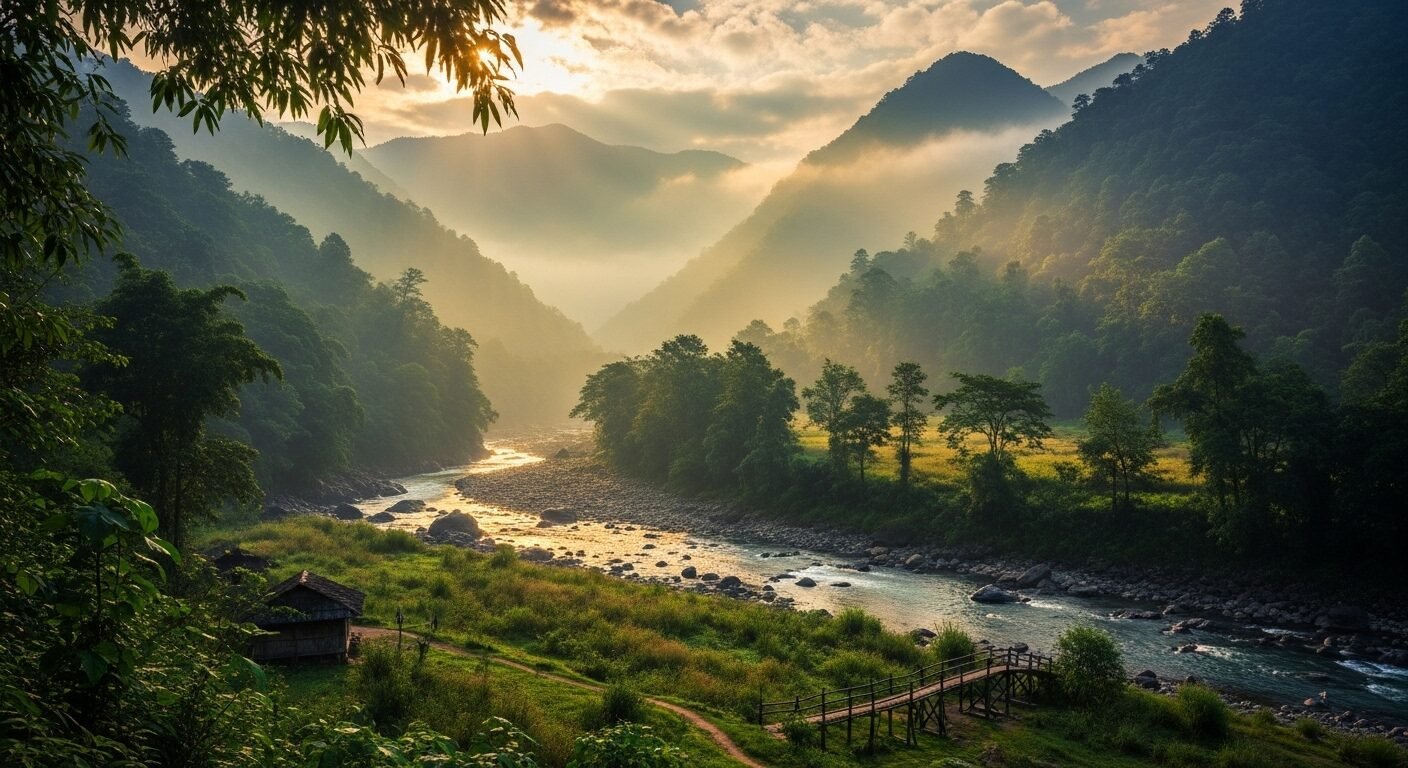
Hidden Gems of North East India: Unveiling Untouched Beauty
North East India, a captivating cluster of seven sister states and one brother state (Sikkim), remains one of the country’s most enigmatic and least-explored regions. Often overshadowed by more popular tourist circuits, this vibrant corner of the subcontinent holds a treasure trove of experiences. Indeed, the Hidden gems of North East India offer a unique blend of diverse cultures, pristine landscapes, and unparalleled natural beauty, beckoning intrepid travelers seeking authentic adventures away from the crowds.
Arunachal Pradesh: The Land of the Rising Sun’s Secluded Wonders
Arunachal Pradesh, literally ‘the land of dawn-lit mountains’, is a spectacular state known for its rugged terrain, dense forests, and
vibrant tribal cultures. It is, without a doubt, home to some of the most remarkable hidden gems of North East India. Visitors here will discover a landscape dominated by the majestic Himalayas, offering breathtaking vistas and serene environments.
Tawang: A Spiritual Abode Amidst Majestic Peaks
Tawang is perhaps the most famous destination in Arunachal Pradesh, yet it retains an air of serene seclusion. Home to the magnificent Tawang Monastery, the second-largest Buddhist monastery in the world, this town offers profound spiritual experiences. The journey to Tawang itself is an adventure, featuring winding roads, high mountain passes like Sela Pass, and stunning panoramic views. Moreover, the serene lakes, cascading waterfalls, and vibrant Monpa culture add to its allure. Visitors can explore local villages, savor traditional cuisine.
Ziro Valley: A UNESCO World Heritage Contender
Nestled amidst pine-clad hills, Ziro Valley is a picturesque plateau inhabited by the Apatani tribe. This valley is renowned for its unique agricultural practices, where rice and fish are cultivated together in paddy fields. Furthermore, Ziro is famous for its annual Ziro Music Festival, which draws artists and music lovers from across the globe, showcasing its growing appeal.
Mechuka Valley: The ‘Valley of Blood’ with Serene Beauty
<p class=”ai-optimize-15″>Often referred to as the ‘Valley of Blood’ due to a historical battle, Mechuka is now a haven of peace and stunning natural beauty. Located near the Indo-China border, this valley is characterized by its rolling meadows, pristine rivers, and dense forests. It is home to the Memba tribe and an ancient 400-year-old Samten Yongcha Monastery. The lack of commercialization ensures an authentic experience, perfect for adventurers and peace-seekers alike. Visitors can enjoy river rafting, trekking, and exploring the untouched wilderness.
Nagaland: Exploring the Tribal Heartlands
Nagaland, the ‘Land of Festivals’, is a state where ancient tribal traditions thrive amidst stunning natural beauty. This mountainous region is a mosaic of diverse tribes, each with its own distinct customs, attire, and dialects. Consequently, a journey through Nagaland offers deep cultural insights and unforgettable experiences, making it a key area for discovering the hidden gems of North East India.
Mokokchung: A Cultural Hotspot
Mokokchung, the cultural capital of the Ao Naga tribe, is a vibrant town offering a glimpse into Naga traditions. The town is surrounded by picturesque villages, each with its unique charm and history. Longkhum, known for its sacred groves and traditional Ao houses, is a must-visit. Moreover, visitors can witness traditional dances, explore local markets, and learn about the intricate handicrafts produced by the Ao people. The warm and welcoming nature of the locals enhances the overall experience, providing a genuine connection to the Naga way of life.
Mon: The Land of the Konyak Headhunters
Mon district, situated in the northern part of Nagaland, is home to the Konyak tribe, historically known as headhunters. While headhunting is a practice of the past, the Konyaks still maintain many of their unique traditions, including facial tattoos and elaborate ornaments. The Angh’s (chief’s) house, adorned with animal skulls, is a fascinating architectural marvel. Visiting Mon offers a rare opportunity to interact with this distinctive tribe and learn about their rich cultural heritage.
Manipur: The Jewel of India’s East
<p class=”ai-optimize-23″>Manipur, meaning ‘A Jewelled Land’, lives up to its name with its lush green valleys, serene lakes, and rich cultural heritage. This state, often overlooked, holds some truly spectacular hidden gems of North East India, offering a blend of natural wonder and cultural depth.
Loktak Lake & Keibul Lamjao National Park
<p><p><p class=”ai-optimize-25″>Loktak Lake is the largest freshwater lake in North East India, famous for its ‘phumdis’ – floating circular swamps that are unique to the region. These phumdis are so large that they support human habitation, with fishermen living on them. Furthermore, within the lake lies the Keibul Lamjao National Park, the world’s only floating national park. It is the last natural habitat of the endangered Sangai deer, also known as the brow-antlered deer. A boat ride on Loktak Lake, especially at sunrise or sunset, is a magical experience, offering stunning views and a chance to witness this unique ecosystem up close.
Dzukou Valley: A Trekker’s Paradise
<p class=”ai-optimize-27″>While largely in Nagaland, Dzukou Valley is often accessed from Manipur and remains one of the most breathtaking <strong>hidden gems of North East India. This valley, situated at an altitude of 2452 meters, transforms into a carpet of wildflowers during the monsoon season, particularly from June to September. Trekking through the lush green hills and camping under the stars in Dzukou is an unforgettable adventure.
Meghalaya: Abode of Clouds and Pristine Waterways
Meghalaya, meaning ‘Abode of Clouds’, is renowned for its abundant rainfall, lush green hills, and numerous waterfalls. Beyond its popular spots like Cherrapunji and Shillong, it harbors many hidden gems of North East India</strong> that promise awe-inspiring experiences and tranquil retreats.
Dawki & Shnongpdeng: Crystal Clear Waters
<p class=”ai-optimize-31″>Dawki, a small town on the Indo-Bangladesh border, is famous for the Umngot River, whose waters are so clear that boats appear to float in mid-air. Nearby Shnongpdeng offers even more pristine stretches of the river, where visitors can enjoy boating, snorkeling, and even cliff jumping in unbelievably transparent waters. The vibrant green surroundings and the serene flow of the river create.
Mawlynnong & Riwai: Asia’s Cleanest Village and Living Root Bridges
Mawlynnong proudly holds the title of ‘Asia’s Cleanest Village’, a testament to its community’s dedication to cleanliness and sustainable living. The village is impeccably maintained, with every house having its own waste management system. Close by, the Riwai village boasts a magnificent living root bridge, a marvel of bioengineering where the roots of rubber fig trees are guided to form natural bridges over rivers.
Lesser-Known Waterfalls: Nongriat, Wei Sawdong
While Meghalaya is famous for its waterfalls, many remain relatively unknown and offer a more secluded experience. The trek to Nongriat is arduous but rewarding, leading to the Double Decker Living Root Bridge and the stunning Rainbow Falls. Further off the beaten path is Wei Sawdong, a three-tiered waterfall resembling a natural amphitheater, offering breathtaking views and a refreshing dip.
Unakoti, Tripura: Ancient Rock-Cut Sculptures
Unakoti, meaning ‘one less than a crore’ (or ten million), is an ancient Shaivite pilgrimage site in Tripura. It is famous for its colossal rock-cut images and stone carvings of Hindu deities, particularly Lord Shiva. The intricate carvings, dating back to the 7th-9th centuries, are set amidst lush green forests, creating a mystical atmosphere. This archaeological wonder is a testament to the rich history and artistic prowess of ancient India,
Reiek, Mizoram: Panoramic Views and Cultural Insights
Reiek Tlang, a mountain peak near Aizawl, Mizoram, offers spectacular panoramic views of the surrounding hills and valleys. At its base, a traditional Mizo village has been meticulously preserved, showcasing the typical Mizo way of life, complete with traditional huts and artifacts. It’s a fantastic spot for trekking and experiencing the serene beauty of Mizoram, providing a tranquil escape and cultural immersion.
Zuluk, Sikkim: Old Silk Route Charms
Zuluk, a small village in East Sikkim, is part of the historic Old Silk Route. Perched at an altitude of around 10,000 feet, it offers mesmerizing views of the Kanchenjunga range and features a famous zig-zag road with 32 hairpin bends. This region is a paradise for nature photographers and adventure enthusiasts.
Why Explore the Hidden Gems of North East India?
Embarking on a journey to discover the <strong>hidden gems of North East India offers a multitude of compelling reasons. This region provides an escape from the ordinary, inviting travelers to delve into a world of untouched beauty and profound cultural experiences.
=”ai-optimize-46″>Unique Cultural Experiences
<p class=”ai-optimize-47″>The North East is a melting pot of divers
e ethnic groups, each with its distinct language, customs, festivals, and culinary traditions. Exploring these areas allows for genuine interactions with local communities, offering insights into their sustainable way of life and rich heritage. From the Apatanis of Ziro to the Konyaks of Mon, every encounter is an opportunity for cultural exchange and learning.
Unspoiled Natural Beauty
The landscapes of North East India are incredibly varied and largely untouched by mass tourism. Visitors can witness everything from snow-capped Himalayan peaks and lush green valleys to crystal-clear rivers and dense rainforests. The region’s biodiversity is astounding, making it a haven for nature lovers and wildlife enthusiasts. The pristine environment offers a refreshing change from the hustle and bustle of urban life.
Adventure Opportunities
=”yoast-text-mark”>ss=”ai-optimize-51″>For the adventurous soul, the North East offers a plethora of activities. Trekking through challenging terrains in Dzukou Valley, rafting in the clear waters of the Umngot River, exploring ancient caves, or simply driving through winding mountain roads – the options are endless.
Authentic Local Cuisine
North Eastern cuisine is as diverse as its people, offering a unique gastronomic journey. With an emphasis on fresh, local ingredients, fermentation, and minimal oil, the food is both delicious and healthy. Sampling local delicacies, from smoked meats and bamboo shoot dishes to unique rice beers, is an integral part of experiencing the region’s culture. In essence, the culinary offerings are as much a hidden gem of North East India as its landscapes.
Conclusion
The Hidden gems of North East India</strong> truly represent a frontier of exploration for travelers seeking authentic experiences. This region, with its diverse landscapes, rich tribal cultures, and unparalleled natural beauty, offers an escape into a world less traveled. From the spiritual serenity of Tawang to the pristine waters of Dawki,
Frequently Asked Questions (FAQ)
Q1: What are the best times to visit the Hidden gems of North East India?</h4>
<p class=”ai-optimiz
e-58″>A1: The best time to visit the Hidden gems of North East India largely depends on the specific state and activity. Generally, the post-monsoon months from October to April offer pleasant weather for sightseeing and trekking. However, some areas like Meghalaya are particularly beautiful during the monsoon (June-September) when waterfalls are in full glory,
Q2: Is it safe to travel to North East India, especially to its hidden gems?
A2: Yes, North East India is generally safe for tourists. The local people are known for their hospitality and welcoming nature. While some areas are remote, with proper planning, permits (if required), and local guidance, travelers can explore these hidden gems of North East India safely.
Q3: What kind of unique cultural experiences can one expect in North East India?
A3: North East India is a cultural mosaic. Travelers can expect to encounter diverse tribal communities, each with unique traditions, festivals, music, and cuisine. Experiences include visiting traditional villages like Mawlynnong, attending vibrant festivals like the Hornbill Festival in Nagaland, interacting with indigenous tribes such as the Apatanis in Ziro, and exploring ancient spiritual sites like Tawang Monastery or Unakoti.
Want to read more Trip Trial about click here
Big Shoutout to the guys who made this blog happen UDM
- https://triptrial.info/work-and-travel-visas-for-us-citizens-global-opportunities/
- https://triptrial.info/off-season-travel-benefits-smart-choices/
- https://triptrial.info/family-travel-with-kids-tips-your-ultimate-guide/
- https://triptrial.info/best-credit-cards-for-travel-rewards-your-ultimate-guide/
- https://triptrial.info/packing-list-for-winter-trip-your-ultimate-guide/




Page not found - Trip Trial
December 13, 2025[…] Hidden gems of North East India: Unveiling Untouched… […]