





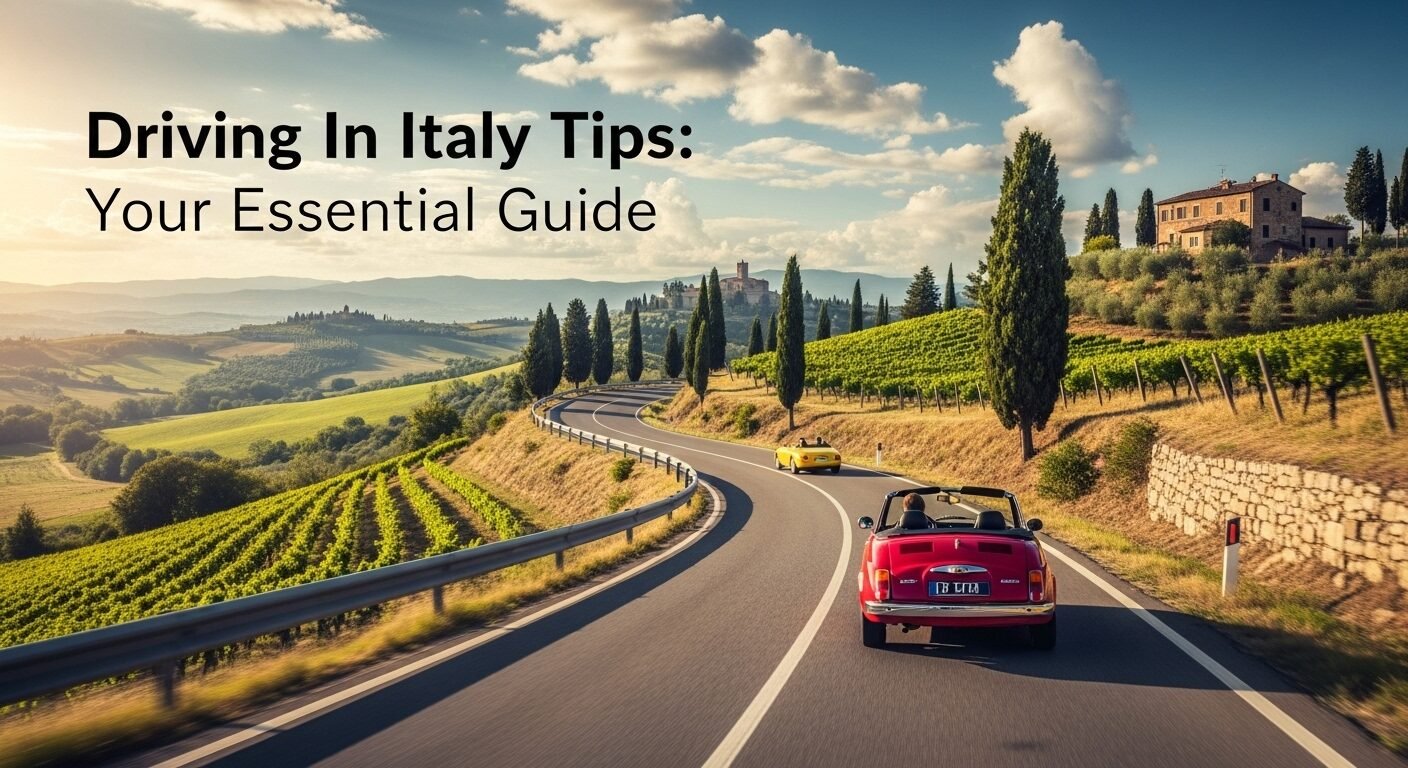
Driving in Italy Tips: Your Essential Guide
Exploring Italy by car offers unparalleled freedom, allowing you to discover hidden villages, scenic routes, and breathtaking landscapes often inaccessible by public transport. However, driving in Italy can be quite different from what you might be accustomed to in your home country. From navigating historic city centers with strict access rules to understanding local driving etiquette, a little preparation goes a long way. This comprehensive guide provides crucial driving in Italy tips to ensure your journey is as smooth and enjoyable as possible. Therefore, before you hit the open road, let’s delve into what you need to know.
Pre-Trip Essentials: Preparing for Your Italian Road Trip
Careful planning is fundamental for a successful driving experience in Italy. Consequently, gathering all necessary documents and understanding rental specifics beforehand will save you time and potential headaches.
Required Documents and Legalities
To legally drive in Italy, you must carry several key documents. Firstly, a valid driver’s license from your home country is mandatory. Secondly, if your license is not issued in an EU country and does not have an English translation, an International Driving Permit (IDP) is legally required. This document essentially translates your existing license and is typically valid for one year. You must carry both your national license and the IDP at all times. Furthermore, your passport, vehicle registration (provided by the rental company), and proof of insurance are also essential.
Car Rental Considerations
When renting a car, consider the type of vehicle. For instance, smaller cars are generally easier to navigate on narrow Italian roads and in tight parking spaces. Most rental cars in Italy are manual transmission; therefore, if you prefer an automatic, be sure to request it specifically and book well in advance, as they are less common. Always inspect the car thoroughly for existing damage before driving off and take photos for your records. Additionally, understand the fuel type the car uses – petrol (benzina) or diesel (gasolio) – to avoid costly mistakes at the pump.
Insurance and Roadside Assistance
Standard rental agreements usually include basic third-party liability insurance. However, it is highly recommended to consider additional coverage, such as Collision Damage Waiver (CDW) or Theft Protection (TP), often with an excess. Furthermore, check if your credit card offers rental car insurance benefits. Having roadside assistance is also prudent, especially for longer journeys. Ensure you have the rental company’s emergency contact number readily available.
Understanding Italian Road Rules and Regulations
Navigating Italian roads requires familiarity with local laws. Many rules may differ significantly from what you’re used to.
Speed Limits
Speed limits in Italy are clearly signposted. Generally, they are:
- Urban areas: 50 km/h (31 mph)
- Secondary roads: 90 km/h (56 mph)
- Major extra-urban roads: 110 km/h (68 mph)
- Autostrade (motorways): 130 km/h (81 mph)
However, in adverse weather conditions (rain, fog), speed limits on autostrade can drop to 110 km/h. Always pay attention to signs, as limits can vary locally.
ZTLs: Zona a Traffico Limitato
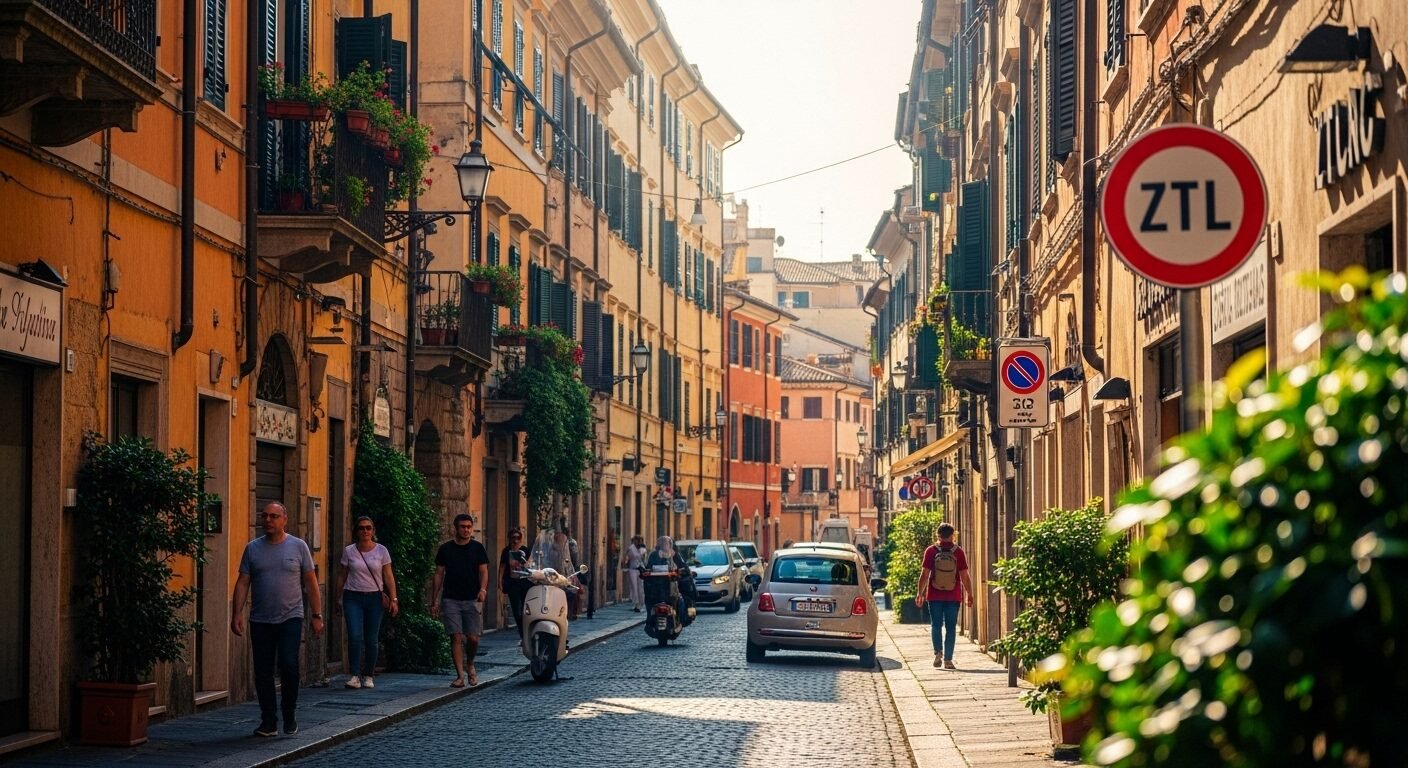
One of the most critical driving in Italy tips involves understanding ZTLs, or Zona a Traffico Limitato (Limited Traffic Zones). These are restricted areas, usually in historic city centers, where traffic is limited to residents and authorized vehicles at specific times. ZTLs are enforced by cameras, and unauthorized entry results in hefty fines, often issued months after your trip. Look for circular signs with a red border and a white center. If you see one, do not enter unless you are staying at a hotel within the ZTL and have pre-arranged access with them. Hotels can often register your license plate with local authorities. Therefore, always check with your accommodation if it’s located within a ZTL.
Toll Roads (Autostrade)
Italy’s autostrade are excellent, well-maintained motorways but are toll roads. When you enter an autostrada, you’ll typically take a ticket from a machine. When you exit, you’ll insert the ticket into a machine or hand it to an attendant and pay the fee. Look for lanes marked
Conclusion
Driving in Italy offers an incredible opportunity to explore the country’s diverse beauty at your own pace. While it presents unique challenges, from navigating ZTLs to understanding local driving etiquette, with proper preparation and awareness, you can enjoy a safe and memorable journey. By familiarizing yourself with essential documents, road rules, and practical driving in Italy tips, you’ll be well-equipped to tackle Italian roads with confidence. Remember to plan your routes, stay vigilant for ZTLs, and embrace the adventure. Buon viaggio!
Want to read more visit our website
Big Shoutout to the guys who made this blog happen Asim Ali.
Frequently Asked Questions (FAQ)
Q1: Do I really need an International Driving Permit (IDP) to drive in Italy?
A1: Yes, if your national driver’s license is not issued by an EU country and does not feature an English translation, an International Driving Permit (IDP) is legally required. It serves as an official translation of your license and must be carried alongside your original license at all times. Failure to present one if required can result in significant fines.
Q2: What are ZTLs and how can I avoid getting a fine?
A2: ZTLs (Zona a Traffico Limitato) are limited traffic zones, typically found in historic city centers, restricting vehicle access to authorized drivers during specific hours. They are enforced by cameras, and unauthorized entry leads to fines. To avoid fines, always look for ZTL signs (a white circle with a red border). If your hotel is within a ZTL, contact them in advance to register your car’s license plate for temporary access.
Q3: What should I do if I get pulled over by the police in Italy?
A3: If you are pulled over, remain calm and pull over safely. Keep your hands visible on the steering wheel. The police may ask for your driver’s license, IDP (if applicable), passport, vehicle registration, and insurance documents. Always be polite and cooperative. If you are unsure about a request, you can politely ask for clarification. Do not attempt to offer bribes, as this is illegal and will lead to serious consequences.






^Inregistrare Binance US
November 14, 2025Thank you for your sharing. I am worried that I lack creative ideas. It is your article that makes me full of hope. Thank you. But, I have a question, can you help me?
binance konto skapande
November 14, 2025Thank you for your sharing. I am worried that I lack creative ideas. It is your article that makes me full of hope. Thank you. But, I have a question, can you help me?
binance
November 14, 2025Can you be more specific about the content of your article? After reading it, I still have some doubts. Hope you can help me.
b"asta binance h"anvisningskod
November 14, 2025Thank you for your sharing. I am worried that I lack creative ideas. It is your article that makes me full of hope. Thank you. But, I have a question, can you help me?
Тркеу
November 14, 2025Thank you for your sharing. I am worried that I lack creative ideas. It is your article that makes me full of hope. Thank you. But, I have a question, can you help me?