








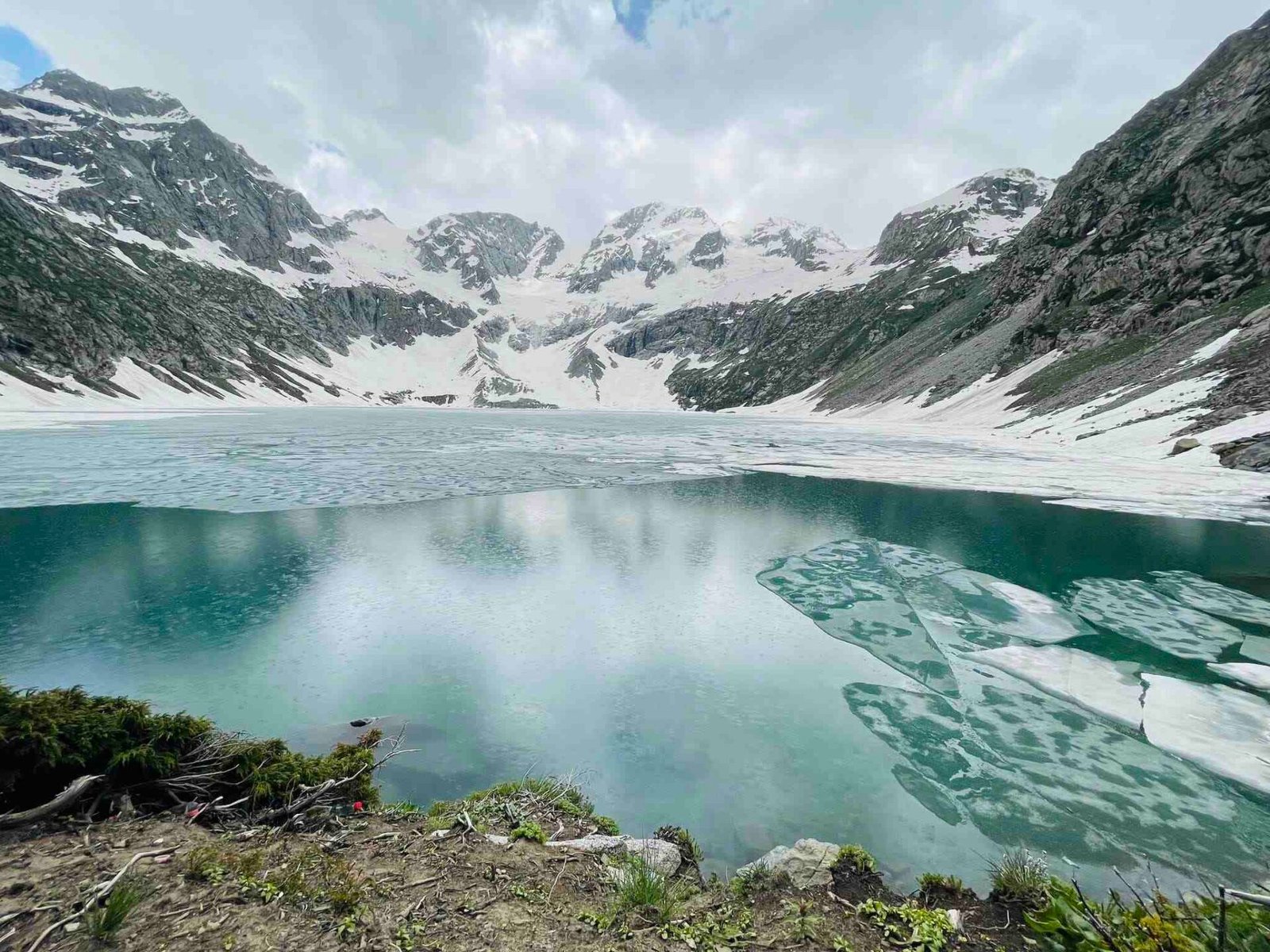
If you love exploring places where nature shines in its purest form, then it’s time to discover Pakistan’s icy treasures. Hidden among the mighty peaks of the Karakoram and the Himalayas, Pakistan’s glacier lakes reflect a beauty that feels almost unreal. Their crystal-clear waters, surrounded by snow-covered mountains, attract travelers, photographers, and adventure seekers from all over the world.
From the calm Ratti Gali Lake in Azad Kashmir to the stunning Rush Lake in Hunza, each glacier lake tells its own story. Moreover, these breathtaking spots are not only about scenic views — they offer peaceful surroundings, fresh mountain air, and a deep connection with nature. Whether you are planning a solo escape or a family adventure, these icy wonders promise unforgettable moments.
In this article, we’ll discover Pakistan’s icy treasures that you simply can’t miss. You’ll find out where these glacier lakes are located, when to visit them, and why they stand out among Asia’s most stunning landscapes. So, pack your bags, grab your camera, and get ready to witness the sparkling beauty of Pakistan’s hidden glacier lakes — nature’s frozen jewels waiting to be explored.
Discover Pakistan’s Icy Treasures: Exploring the Most Stunning Glacier Lakes
Pakistan is home to some of the world’s most majestic mountains, and within those rugged peaks lie serene glacier lakes that mirror the sky. These lakes are not just natural wonders; they represent the untamed beauty and diversity of Pakistan’s northern landscapes. Let’s journey through some of the most captivating glacier lakes that define the true essence of Pakistan’s icy treasures.
1. Ratti Gali Lake – The Jewel of Neelum Valley

Ratti Gali Lake, located in Azad Kashmir’s Neelum Valley, is one of the most mesmerizing glacier lakes in Pakistan. Resting at an altitude of around 12,130 feet, it is fed by the melting glaciers of the surrounding mountains. The lake’s crystal-blue water and flower-filled meadows make it look like something out of a dream.
Reaching Ratti Gali is an adventure in itself. Travelers first drive through the scenic Keran Valley, followed by a jeep ride and then a short trek that rewards them with breathtaking views. During summer, the landscape bursts into colors — wildflowers bloom, and the reflection of snow-covered peaks glistens in the still water.
What makes this spot truly one of Pakistan’s icy treasures is its untouched serenity. Away from the noise of city life, Ratti Gali offers peace, silence, and a rare connection with nature that few places can match.
2. Rush Lake – The High-Altitude Wonder of Hunza
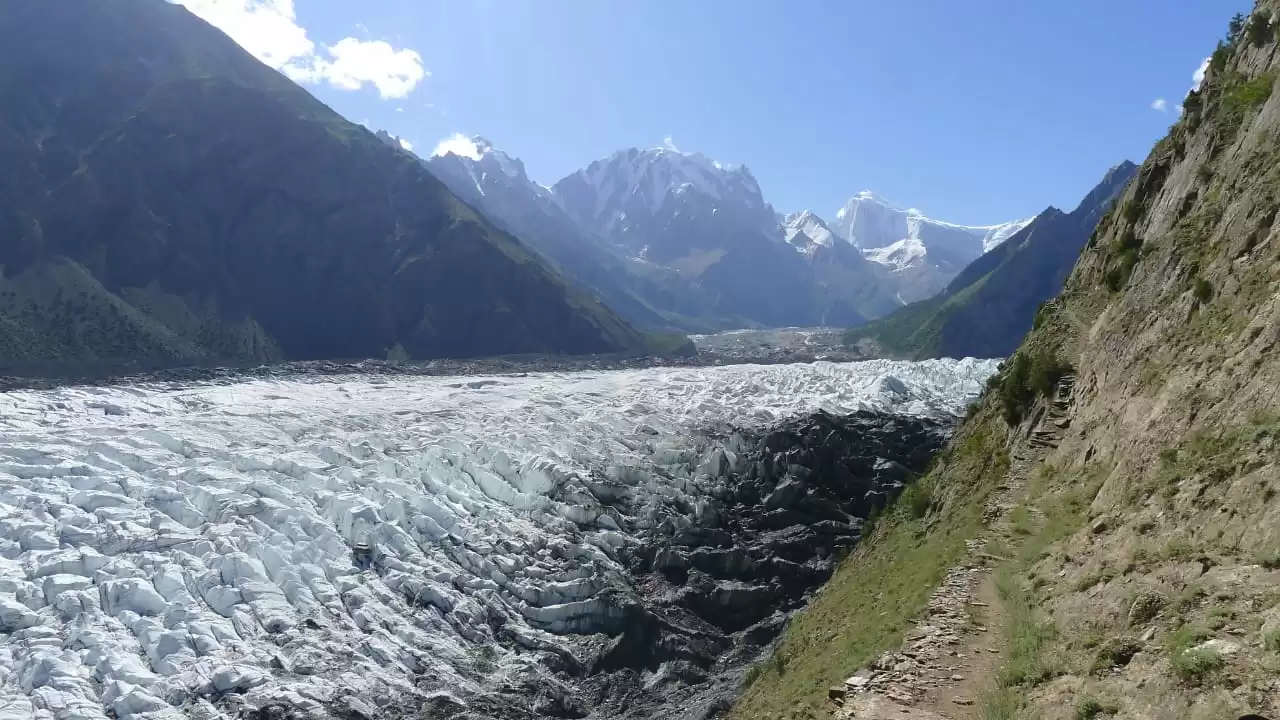
Rush Lake, nestled near Nagar Valley in Gilgit-Baltistan, is one of the highest alpine lakes in the world, sitting at nearly 15,400 feet. The journey to this remote lake is challenging but unforgettable. Trekkers pass through lush meadows, icy glaciers, and panoramic views of some of Pakistan’s tallest peaks — including Spantik and Ultar Sar.
The lake’s clear, turquoise water and the dramatic snowy backdrop create an unforgettable sight. For adventure lovers, this destination perfectly embodies the spirit of discovering Pakistan’s icy treasures. The Rush Lake trek also offers glimpses of traditional mountain life as visitors pass through small villages and meet warm-hearted locals who live close to nature.
If you’re seeking solitude, serenity, and spectacular beauty, Rush Lake is the ideal destination. Its unspoiled environment reflects the raw power and charm of northern Pakistan’s glaciers.
3. Satpara Lake – The Gateway to Skardu’s Natural Beauty
Located just a few kilometers from Skardu, Satpara Lake is a large natural reservoir formed by the melting ice of the nearby Deosai Plains. Its deep blue waters are surrounded by rugged mountains and offer a spectacular reflection during sunrise and sunset.
Satpara Lake is easily accessible, making it a favorite for travelers exploring Baltistan. A small island sits in the middle of the lake, adding to its charm. Moreover, it serves as a vital water source for Skardu city and supports local fishing communities.
What makes Satpara special among Pakistan’s icy treasures is its perfect mix of accessibility and natural grandeur. You don’t have to trek for hours to experience its calm atmosphere — it’s nature’s gift that welcomes everyone, from casual tourists to photographers.
4. Sheosar Lake – The Mirror of Deosai National Park
Sheosar Lake, often called the “Blind Lake,” lies within the world-famous Deosai National Park — known as the Land of Giants. Situated at about 13,500 feet, this glacier-fed lake presents a magical view of the mighty Nanga Parbat on clear days.
During summer, the surrounding plateau turns into a paradise covered with vibrant wildflowers. Butterflies flutter around, marmots peek from their burrows, and yaks graze peacefully nearby. The lake’s still surface reflects the vast sky, creating a mirror-like illusion that leaves visitors speechless.
To discover Pakistan’s icy treasures fully, Sheosar Lake is a must-visit. It combines adventure, tranquility, and pure natural charm. The best time to visit is between June and August when the weather is mild and the scenery is at its best.
5. Karambar Lake – The Hidden Gem of Broghil Valley
Karambar Lake, located near the Pakistan–Afghanistan border in Broghil Valley, Chitral District, is one of the most remote yet fascinating lakes in the country. At an elevation of around 14,100 feet, it is considered one of the highest biologically active lakes in the world.
The journey to Karambar Lake is long and demanding, involving jeep rides, river crossings, and multi-day treks. But once you arrive, the sight of crystal-blue waters surrounded by dramatic mountains makes every step worth it.
Its untouched ecosystem and peaceful surroundings truly represent the untouched side of Pakistan’s icy treasures. Few travelers venture this far, which adds to the lake’s mystique and appeal.
6. Lulusar Lake – The Heart of the Kaghan Valley
Lulusar Lake lies along the Naran–Babusar road and serves as the main source of the Kunhar River. Surrounded by snow-covered peaks, this lake offers a postcard-perfect view that attracts both local and international tourists.
Unlike some other glacier lakes, Lulusar is easily reachable by car, making it perfect for families and short travelers who want to experience glacier-fed beauty without trekking. The reflection of the surrounding peaks in its calm water is nothing short of mesmerizing.
Lulusar’s accessibility and beauty make it one of Pakistan’s icy treasures that every traveler should see at least once. Early morning or late evening visits are best for photography lovers who want to capture its magical colors.
7. Dudipatsar Lake – The Queen of Lakes
Often called “The Queen of Lakes,” Dudipatsar is one of the most enchanting glacier lakes in northern Pakistan. Located in the Lulusar–Dudipatsar National Park, this lake sits at an altitude of about 12,500 feet.
Reaching Dudipatsar requires a moderate trek that passes through alpine meadows, rolling hills, and wildflower-covered valleys. Once you arrive, you’re greeted by emerald-green waters surrounded by snowy peaks that seem to touch the sky.
Dudipatsar’s calm environment and pristine landscape make it one of the crown jewels when we discover Pakistan’s icy treasures. It’s a place where nature speaks in silence, offering moments of reflection and awe.
8. Borith Lake – The Hidden Beauty of Upper Hunza
Borith Lake is a lesser-known yet stunning lake located near Gulmit Village in Upper Hunza. It lies at an altitude of around 8,500 feet and is fed by the glaciers of Hussaini. The lake’s emerald waters reflect the Passu Cones, one of Hunza’s most iconic mountain formations.
What sets Borith Lake apart is its peaceful atmosphere. It’s a paradise for bird watchers, especially during the migration season when hundreds of ducks and other birds stop by.
For travelers looking to discover Pakistan’s icy treasures without large crowds, Borith Lake is the ideal escape. It’s also a great base for short hikes to nearby glaciers, including the famous Passu Glacier.
9. Kachura Lakes – Upper and Lower Kachura, Skardu
The twin Kachura Lakes — Upper Kachura and Lower Kachura — are among the most scenic glacier-fed lakes in Skardu Valley. Upper Kachura remains relatively untouched, preserving its raw beauty, while Lower Kachura (also known as Shangrila Lake) has developed into a popular resort destination.
Both lakes are surrounded by mountains, fruit orchards, and pine trees that create a breathtaking view throughout the year. Visitors can enjoy boating, photography, and short nature walks.
Together, these lakes form a vital part of Pakistan’s icy treasures, offering a mix of adventure and comfort for travelers who wish to experience the best of Skardu.
10. Attabad Lake – The Accidental Beauty of Hunza
Formed in 2010 after a massive landslide blocked the Hunza River, Attabad Lake has become one of the most famous tourist attractions in Gilgit-Baltistan. What was once a disaster has turned into one of Pakistan’s icy treasures, admired for its surreal turquoise-blue waters and towering cliffs.
The lake stretches over 21 kilometers, with steep mountains rising dramatically on both sides. Visitors can enjoy speed boating, jet skiing, or simply sitting by the water to take in the breathtaking view. Nearby, the Karakoram Highway winds along the lake’s edge, making the journey itself an unforgettable experience.
Even though it’s not purely glacier-formed, Attabad still captures the same icy essence found in the high-altitude lakes. It’s a symbol of nature’s ability to turn tragedy into beauty — a reminder that sometimes, even destruction can create something extraordinary.
11. Rama Lake – The Gateway to Nanga Parbat’s Majesty
Rama Lake, near Astore in Gilgit-Baltistan, lies on the way to Nanga Parbat, the world’s ninth-highest mountain. Surrounded by pine forests, wildflowers, and snow-capped peaks, the lake feels like a piece of paradise frozen in time.
The journey to Rama Lake is comfortable, with paved roads leading to Rama Meadows and a short trek afterward. The sight of Nanga Parbat’s icy reflection in the lake’s still waters is truly breathtaking — a photographer’s dream.
What makes Rama Lake part of Pakistan’s icy treasures is the perfect balance it offers between adventure and relaxation. You can camp by the lakeside, enjoy bonfires, and listen to the gentle sounds of nature echoing through the valley.
12. Saif-ul-Malook Lake – The Legendary Heart of Kaghan
No list of glacier lakes in Pakistan would be complete without mentioning Saif-ul-Malook Lake, one of the country’s most iconic destinations. Located near Naran at an altitude of 10,500 feet, it’s surrounded by majestic peaks, including the mighty Malika Parbat.
According to local legend, this lake is where Prince Saif-ul-Malook fell in love with a fairy — a tale that adds a magical charm to the already spellbinding scenery. Visitors can reach the lake by jeep or a scenic trek, and during summer, the water glows with a deep sapphire hue that leaves travelers speechless.
Beyond its beauty and myths, Saif-ul-Malook stands as a shining example of Pakistan’s icy treasures — a place where culture, nature, and folklore come together in perfect harmony.
13. Rushkool Lake – The Lesser-Known Gem of Chitral
Hidden in the Chitral region, Rushkool Lake remains one of Pakistan’s least explored glacial lakes. Surrounded by wild alpine terrain and snowfields, it offers solitude and unspoiled beauty for trekkers who prefer offbeat destinations.
Getting there requires patience and preparation, but the journey rewards travelers with stunning views of the Hindu Kush range. This hidden wonder shows that there are still many untouched corners left to discover among Pakistan’s icy treasures.
The lake’s calm surface reflects the golden hues of sunset and the shimmering stars at night, making it one of the most peaceful spots for those who crave silence and stillness.
14. Phander Lake – The Sapphire of Ghizer Valley
Though smaller and less glacial in origin than others, Phander Lake in Gilgit-Baltistan deserves a special mention. Its glassy blue waters, surrounded by poplar trees and green meadows, make it one of the most picturesque lakes in northern Pakistan.
Phander Lake is easy to reach by road and offers fishing, boating, and camping opportunities. The serenity and simplicity of this place allow visitors to slow down and truly discover Pakistan’s icy treasures in a calm, reflective way.
Watching the sunrise over Phander is a moment that feels timeless — when the light touches the water and the valley awakens in quiet beauty.
15. Ansoo Lake – The Hidden Tear of Kaghan Valley
Ansoo Lake, meaning “Tear Lake,” is one of the most challenging and rewarding destinations for trekkers. Shaped like a teardrop, this glacier lake sits high above Saif-ul-Malook at nearly 13,500 feet.
The trek is steep and difficult, but those who make it to the top are greeted with a view that few people ever witness. The lake’s clear blue water, surrounded by icy ridges, looks like a precious jewel hidden in the mountains.
Ansoo Lake perfectly represents the spirit of discovering Pakistan’s icy treasures — where perseverance meets wonder. It’s not just about reaching the destination, but about embracing the journey that tests your limits and fills your heart with awe.
16. Rainbow Lake – The Colorful Secret of Minimarg
Tucked away in the scenic Minimarg Valley, near the Line of Control in Astore District, Rainbow Lake is one of the most enchanting glacier lakes in Pakistan. Its shimmering water changes color with sunlight — from emerald green to deep blue — giving it the name “Rainbow Lake.”
Access to the lake requires special permission due to its location, but those who make the trip say it’s worth every effort. The lake is surrounded by wildflowers, pine forests, and snow-capped peaks that seem to touch the clouds.
Rainbow Lake remains a hidden gem among Pakistan’s icy treasures, rarely visited and almost untouched by mass tourism — making it ideal for explorers who seek exclusivity and natural charm.
17. Upper Kachura in Winter – Frozen Magic
While most travelers visit the Kachura Lakes in summer, visiting Upper Kachura in winter is an entirely different experience. As temperatures drop below freezing, the lake transforms into a sheet of ice, surrounded by silent white peaks.
Local guides offer safe walking routes on the frozen surface, and photographers capture surreal scenes of frost-covered trees and icy reflections. This side of the journey allows you to discover Pakistan’s icy treasures in their purest, most frozen form — untouched and unbelievably beautiful.
18. The Allure of Hidden Glacier Lakes
Beyond the popular names, there are dozens of small, unnamed glacier lakes scattered across Pakistan’s highlands. Some appear briefly during summer when the ice melts, only to vanish again in winter.
These hidden lakes remind us how vast and dynamic Pakistan’s landscape truly is. Every year, explorers set out to find new ones — often guided by locals who know secret routes passed down through generations. This constant discovery keeps the spirit of Pakistan’s icy treasures alive, ensuring that the story of these frozen wonders never ends.
Traveling to Discover Pakistan’s Icy Treasures: Tips, Timing & Awareness
Exploring glacier lakes across Pakistan is more than just a trip — it’s an unforgettable adventure that connects you with nature’s purest beauty. However, before you set out to discover Pakistan’s icy treasures, it’s important to plan wisely. These regions often lie at high altitudes, where the weather can change within minutes.
The best time to visit glacier lakes in Pakistan is between June and September, when snow has melted enough to allow safe access. During this season, the meadows bloom with wildflowers, roads are mostly clear, and the lakes shimmer in full color. Winter months, while harsh, transform these lakes into frozen mirrors — perfect for those who love winter landscapes and solitude.
It’s also essential to travel responsibly. Always carry reusable bottles, avoid littering, and respect the local communities who live near these lakes. Preserving these fragile ecosystems ensures that future generations can also discover Pakistan’s icy treasures in their true, untouched form.
The Spirit of Discovery Lives On
Every glacier lake in Pakistan tells a different story — of survival, creation, and beauty shaped by time. Whether you visit Ratti Gali, Saif-ul-Malook, or the remote Karambar, each one leaves an impression that stays forever.
To truly discover Pakistan’s icy treasures, you must see beyond their surface beauty. It’s about feeling the chill of mountain air, hearing the soft ripple of glacial water, and witnessing how light dances across the peaks. These experiences remind travelers that nature’s power is both humbling and healing.
Pakistan’s glacier lakes are not just tourist destinations — they are living symbols of purity, peace, and endurance. As more explorers venture north, these frozen gems will continue to inspire awe, adventure, and deep appreciation for the country’s natural wonders.
Frequently Asked Questions (FAQs)
1. What are the best months to visit Pakistan’s glacier lakes?
The best months are June to September, when the snow melts and the lakes reveal their full color and beauty.
2. Are all glacier lakes in Pakistan accessible by road?
No, some lakes like Saif-ul-Malook or Lulusar are road-accessible, while others such as Karambar or Ansoo Lake require trekking.
3. Do I need special gear to visit these glacier lakes?
Yes, it’s best to carry trekking shoes, warm clothes, a rain jacket, and basic camping equipment if you plan to hike to remote areas.
4. Is it safe to travel alone to northern glacier lakes?
Generally, yes — but it’s recommended to travel with a local guide or group for safety, especially in high-altitude zones.
5. Why are these glacier lakes called “Pakistan’s icy treasures”?
Because they are rare, pure, and breathtaking natural wonders formed by glaciers — showcasing Pakistan’s unmatched mountain beauty and diversity.
Conclusion
To discover Pakistan’s icy treasures is to embark on a journey that awakens your soul. Each lake — from the sapphire depths of Rush Lake to the emerald glow of Dudipatsar — reflects the untouched beauty of Pakistan’s northern landscapes. These glacial wonders invite travelers to step into a world where time slows down, and every view feels eternal.
So, whether you are an adventurer, a photographer, or a dreamer in search of peace, Pakistan’s glacier lakes will speak to you in the quiet language of nature. Pack your gear, follow the mountain trails, and let your heart lead the way — because the journey to discover Pakistan’s icy treasures is one you’ll remember for a lifetime.
Want to read more Trip Trial about click here
Big Shoutout to the guys who made this blog happen UDM.