









Discover Pakistan’s Hidden Gems: Your Ultimate Travel Adventure
Introduction
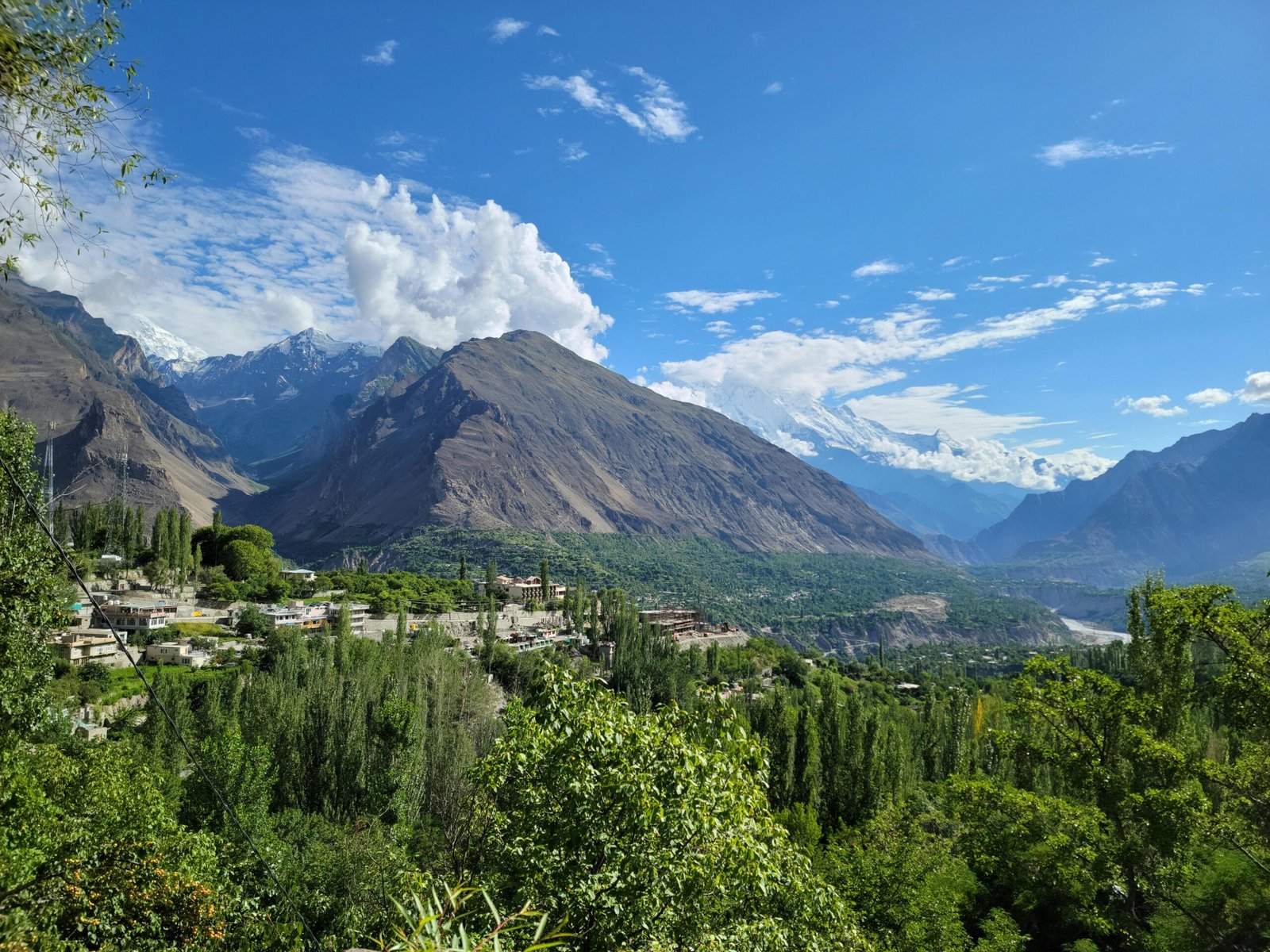
Pakistan is fast emerging as one of the world’s most compelling travel destinations— Pakistan hidden gems travel not just for its soaring peaks and turquoise lakes, but for its rich history, vibrant cultures, and heartfelt hospitality. In recent years:
-
The country welcomed over 10 million international tourists in 2023, marking a dramatic 300% increase since 2019.
-
Ambitious policy shifts—such as e-visas, visa-on-arrival, upgraded airports, and newly surfaced roads—are expected to drive tourism revenue past $10 billion by 2025, while boosting local economies and employment.
- Major travel magazines like Condé Nast Traveller and the British Backpacker Society have recognized Pakistan as a top-tier destination for adventure, backpacking, and authentic cultural encounters.
What truly sets Pakistan apart is its untamed diversity:
-
Five of the 14 highest peaks on Earth—among them K2 and Nanga Parbat—tower over alpine meadows and glacial valleys.
-
A tapestry of ethnic groups—Punjabis, Balochis, Pashtuns, Kalasha—and ancient civilizations (Indus, Gandhara) ensure that every region tells its own compelling story.
-
Visitors consistently share tales of unmatched warmth and curiosity—from locals inviting travellers into homes for chai to kind strangers offering assistance on mountain trails.
Combine that with eclectic landscapes—from alpine lakes to desert beaches, Buddhist stupas to Mughal forts—and you’ve got a nation that’s beautifully undiscovered. In this guide, Trip Trial takes you beyond the postcard scenes to 8 lesser-known destinations that promise to leave you awestruck, inspired, and longing to return.
Pakistan hidden gems travel is the ultimate journey for explorers seeking breathtaking scenery, cultural depth, and untamed beauty far off the tourist radar. Over 10 million international tourists visited Pakistan in 2023—driven by accessible e‑visas, new roads, and airport upgrades—making travel easier than ever . From the alpine lakes of Azad Kashmir to coastal treasures in Balochistan, this guide from Trip Trial takes you beyond familiar attractions to discover hidden travel gems across Pakistan. Ready for the adventure of a lifetime?
1. Ratti Gali Lake, Neelum Valley (Azad Kashmir)
Altitude & Scenery:
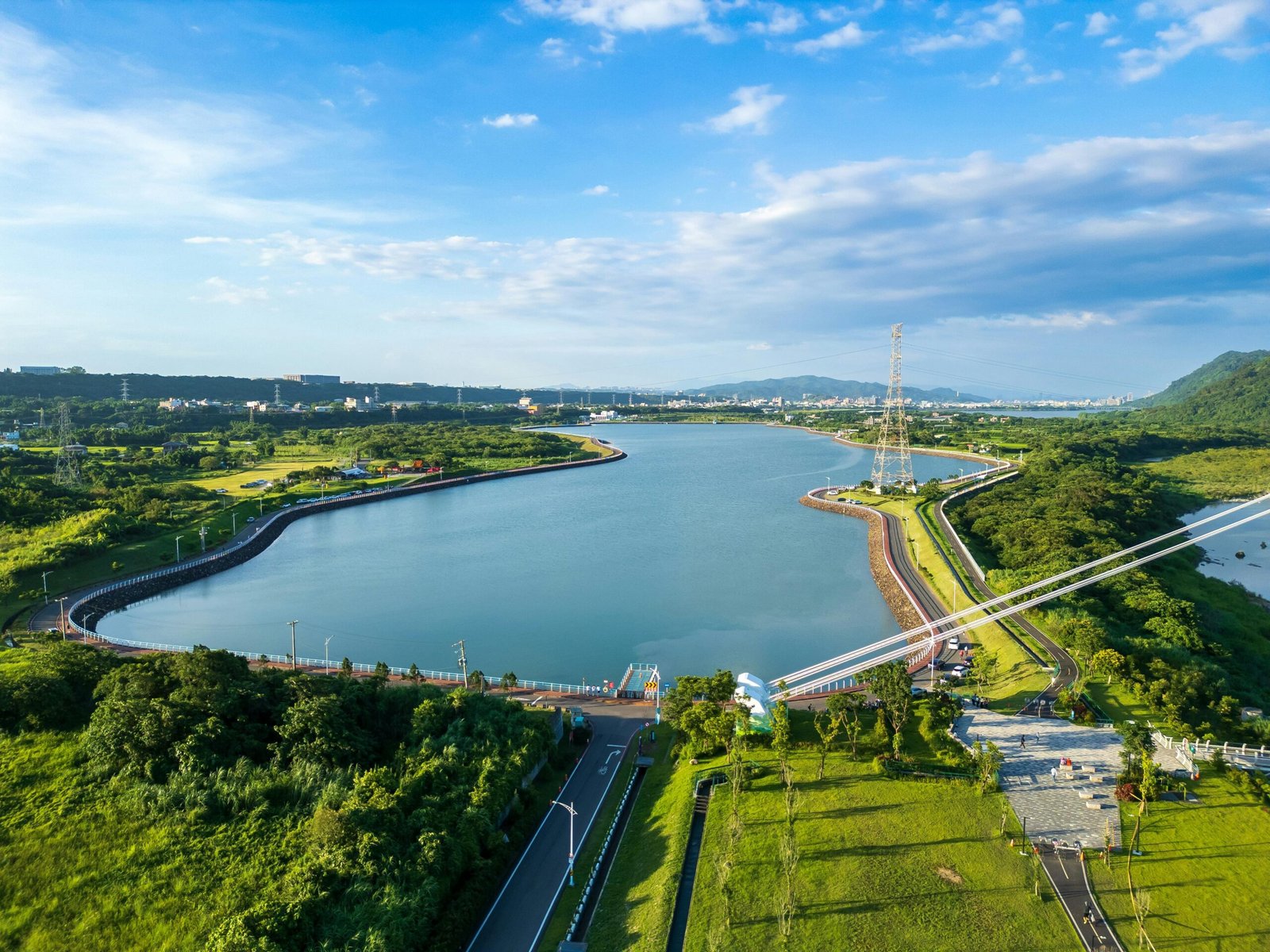
Perched at an elevation of 3,683 m (≈12,080 ft), Ratti Gali is a breathtaking glacial lake set in a secluded amphitheater of rugged peaks, carpeted with vivid alpine meadows and dense pine–oak forests. In early summer, primulas, potentillas, gentians, and edelweiss transform the slopes into a kaleidoscope of wildflowers. Birdwatchers may spot the Himalayan monal, while elusive wildlife like brown bears and Kashmir stag roam beyond the tree line.
Journey Highlights:
-
Drive ~75 km/2–3 hrs from Muzaffarabad to Dowarian (1,615 m), a charming riverside village serving as your basecamp.
-
From Dowarian, a rugged 4×4 jeep ride (~19 km) along mountain tracks brings you to the trailhead in ~2 hrs .
-
Trek from basecamp to the lake is a moderate 2–3 hr ascent, or extend over 3–4 days via scenic routes through Kaghan to Ratti Gali, passing Noori and Hans Raj lakes .
Activities:
-
Settle into your basecamp and savor a picnic by the lake’s reflective turquoise waters.
-
Try your luck at trout and carp fishing, either with your gear or rented locally .
-
Camp overnight on lakeside plains—ideal for star-gazing under clear high-altitude skies .
-
Venture along side-paths for shorter hikes or birdwatching excursions.
Best Time to Travel:
-
June–September is prime: snow recedes, meadows blossom, and warm daytime temperatures prevail (peaking around 15–20 °C) .
-
Be prepared for chilly dusk, with temps dropping near freezing. Winter access is impossible due to heavy snow .
Insider Tips:
-
Dress in layers, include waterproof trekking boots, and carry good rain and wind protection .
-
Reserve your jeep early—seasonal drivers set fares at ~PKR 5–7,000 ($30–45) .
-
Hire a local guide (from Dowarian/Sharda) for safety and to ease check-in with army/security stations.
-
Permit-free travel, but proper identification (NIC/passport) may be required at checkposts due to regional security .
2. Arang Kel, Neelum Valley (Azad Kashmir)
Location & Access:
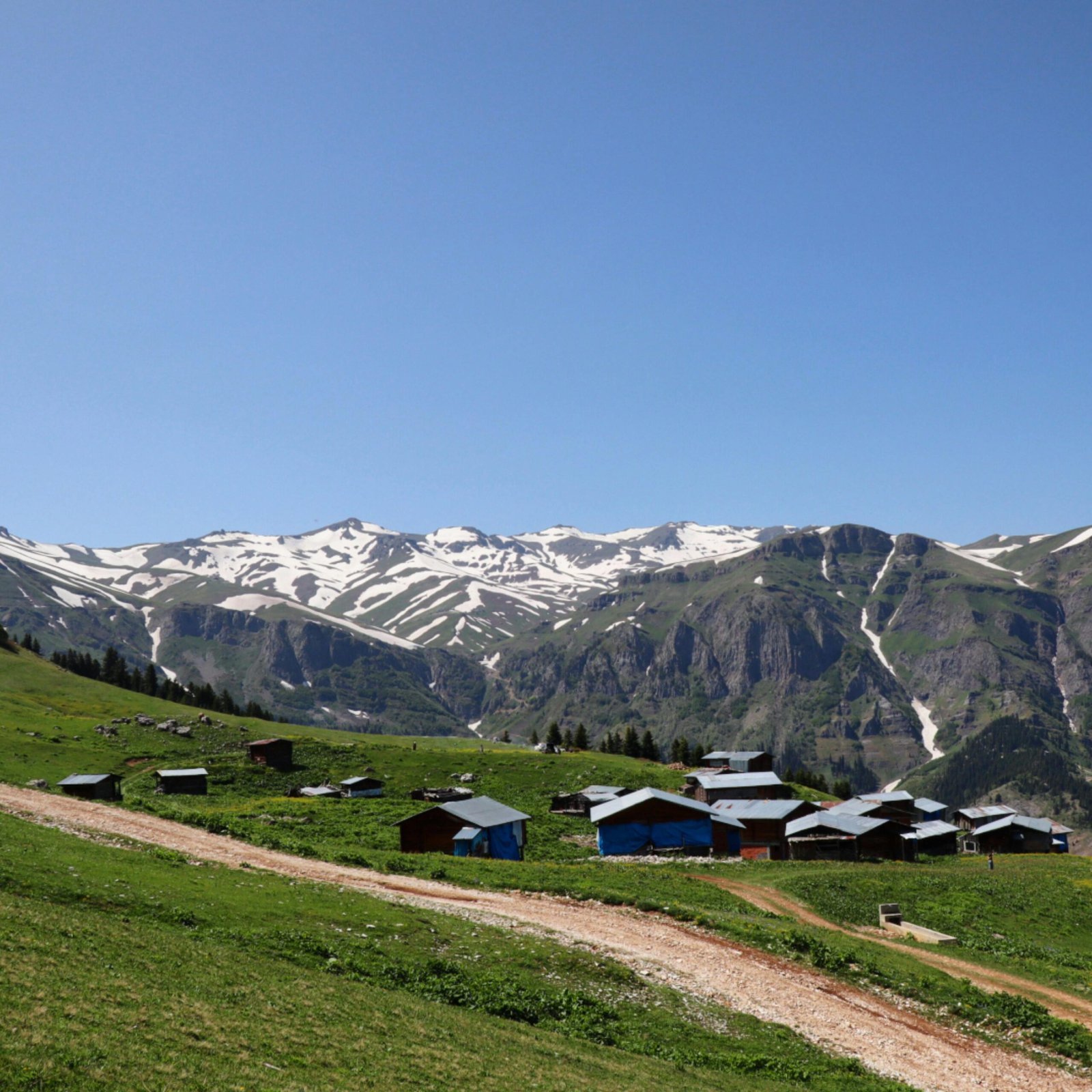
Nestled on a ridge above Kel village, Arang Kel lies at 2,554 m (8,379 ft) and gazes across the Neelum River toward the Line of Control. Its remote charm is underscored by the absence of motor roads—all visitors must trek or ride the iconic handmade chairlift over 200 m above the river .
Getting There:
-
Travel ~230 km from Muzaffarabad to Kel via Sharda, with good road access until Kel.
-
From Kel, opt for a 1 km chairlift ride (~Rs 250 return) or hike (~2 km, 1.5–2 hrs).
-
Chairlift managed by the Army, with ID checks and peak-season waits—only 8 occupants at once, so go early .
-
Why Visit:
-
A lush alpine plateau dotted with cedar and pine meadows, with simple chalets and rustic campsites—all above the clouds .
-
Often called the “Pearl of Neelum Valley”, it offers a peaceful escape and is a romantic hot spot—especially during full moons .
Ideal For:
-
Photographers seeking mist-kissed mountain vistas, pine-scented forest walks, and that dreamy chairlift moment.
-
Nature lovers and couples craving tranquil retreats—remote, restorative, and off-grid.
Visitor Tips:
-
Accommodations and dining are sparse and pricey—Kel pricing: Rs 1–2 k/night; Arang Kel slightly higher due to supply costs.
-
Pack essentials—food, water, flashlights (no night lighting above chairlift), warm clothes, hiking sticks available to rent ~Rs 50 .
-
Seasonality: Open from April–October; winter snows close access .
-
Crowds and conservation: Visitor numbers are rising—pack trash out, respect local life and natural habitat .
Fairy Meadows, Gilgit-Baltistan — A High-Altitude Paradise at the Foot of Nanga Parbat
Backdrop & Elevation
-
Location & Altitude: Nestled in the Rakhiot Valley, Fairy Meadows sits at about 3,300 m (10,826 ft) and serves as a launching point for climbers aiming to summit Nanga Parbat—the 9th-highest peak in the world at 8,126 m.
-
National Park Status: In 1995, the area was officially designated Fairy Meadows National Park, preserving its vast alpine grasslands and diverse forests.
Access & Jeep Road Adventure
-
Jeep Journey: The thrill begins with a 15 km drive from Raikot Bridge on the Karakoram Highway to the village of Tato, undertaken on what’s known as one of the world’s most dangerous roads.
-
Local-Only Jeeps: Only Tato locals are permitted to drive tourists along this narrow, high-altitude dirt track—over 90 minutes of steep climbs, drops, and hairpin bends.
-
Final Hike: A 3–4 hour moderate trek (5 km) from Tato brings you to the meadows through pine forests and alpine meadows.
Things to Do & Experiences
-
Trekking Escapades
-
Beyal Camp (~2 hrs up): Offers elevated panorama points of Nanga Parbat.
-
Nanga Parbat Base Camp Trek (~9 km round-trip, 5–8 hrs): A must-do for adventurers.
-
-
Bonfire & Culture
-
Join locals and tourists in volleyball or cricket games, a warm tradition at the communal meadow ground .
-
Savor local dishes like chapshuro, handi, biryani, or simply enjoy sweet chai under the stars.
-
-
Photography & Night Sky
-
Hunt for the perfect shot at the Reflection Pond, capturing sunrise-lit Nanga Parbat mirrored in still water.
-
Minimal light pollution offers spectacular Milky Way views, ideal for star-chasers and night-sky photographers.
-
-
Wildlife & Biodiversity
-
Spot Himalayan ibex, marmots, and birds like monals and snowcocks amid pine, spruce, and juniper forests.
-
Accommodation Options
-
Cabins & Campsites:
-
Wooden cottages start at PKR 2,000–3,000, rising to PKR 7,000 at premium spots like Raikot Serai.
-
Campsites include Beyal Camp (2 hrs up) and open meadows—book ahead during peak season.
-
Electricity is generator-based; expect no cell signal above Fairy Meadows (except between 8 am–7 pm with SCOM).
-
Climate & Best Visiting Times
-
Optimal Window: April–September, with spring (April–June) and autumn (September–October) offering mild temps (10–25 °C by day, near freezing at night) .
-
Summer (July–August) yields balmy days but risk of monsoon rains; winter access remains challenging .
Travel Tips & Safety
-
Physical Preparedness: The trek is manageable but high altitude requires pacing and hydration.
-
Local Support: Porters and horses available from Tato (approx. PKR 100/kg) for gear transport.
-
Jeep Monopoly: The local “jeep union” controls access, keeping outsiders off the track—support local guides and drivers.
-
Emergency Preparedness: Bring warm layers, water, power bank, and first-aid. Keep emergency contacts at hand.
Why Fairy Meadows Belongs on Your Road Map
-
Epic Scenery: Majestic vistas of Nanga Parbat, meadows, reflective pond—every angle feels cinematic.
-
Authentic Culture: Engage with hospitable Wakhi locals, savor home-style cooking, and form connections around a bonfire.
-
Adventurous Spirit: From daring jeep rides to starlit camps and glacier treks, it epitomizes rugged adventure.
-
Conservation Ethos: It’s a protected national park, and locals have fought hard to preserve its beauty by banning timber harvesting .
3. Izmis Lake, Kalam (Swat District)
Mystique & Highlights
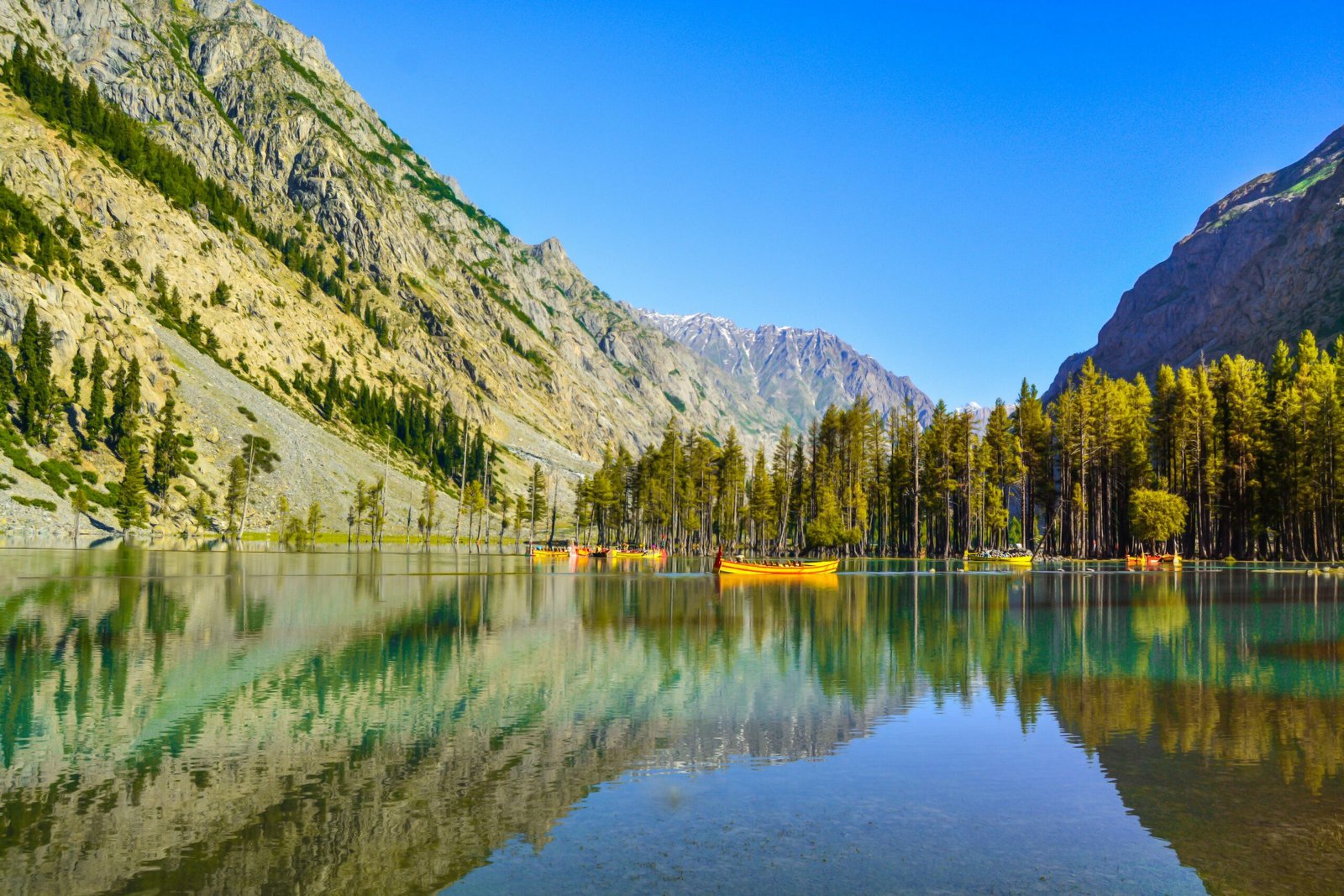
Located over 4,000 m above sea level, Izmis Lake—its name derived from “caves” in Kohistani—is cradled by ancient natural caverns that give this glacial lake its mysteriou. The shimmering blue waters reflect towering peaks and rugged cliffs, creating a serene, untouched wilderness ideal for seasoned trekkers.
Journey & Route
-
Begin with a scenic drive from Utror through a jagged jeep track to the valley of Loypanrghalay.
-
From there, embark on a 3–6 hr climb (depending on fitness level and weather) through rocky terrain and sparse alpine vegetation before reaching the lake.
Experience & Trekking
-
Remote and minimal infrastructure—expect off-grid camping, cave exploration, and pure solitude among peaks.
-
Hikers praise the mirror-like reflections and spiritual calm, making it a hidden jewel for those looking to disconnect from the world .
Pro Tips
-
Essential gear: high-altitude tent, warm layered clothing, GPS or local guide, and ranger or environmental permits (if applicable).
-
Due to altitude, begin early in the day and stay aware of weather, especially sudden mountain storms.
-
Trekking to Izmis pairs well with visits to nearby lakes like Kundol or Mahodand, offering a comparative experience of wilderness and popularity.
4. Kumrat Valley, Upper Dir
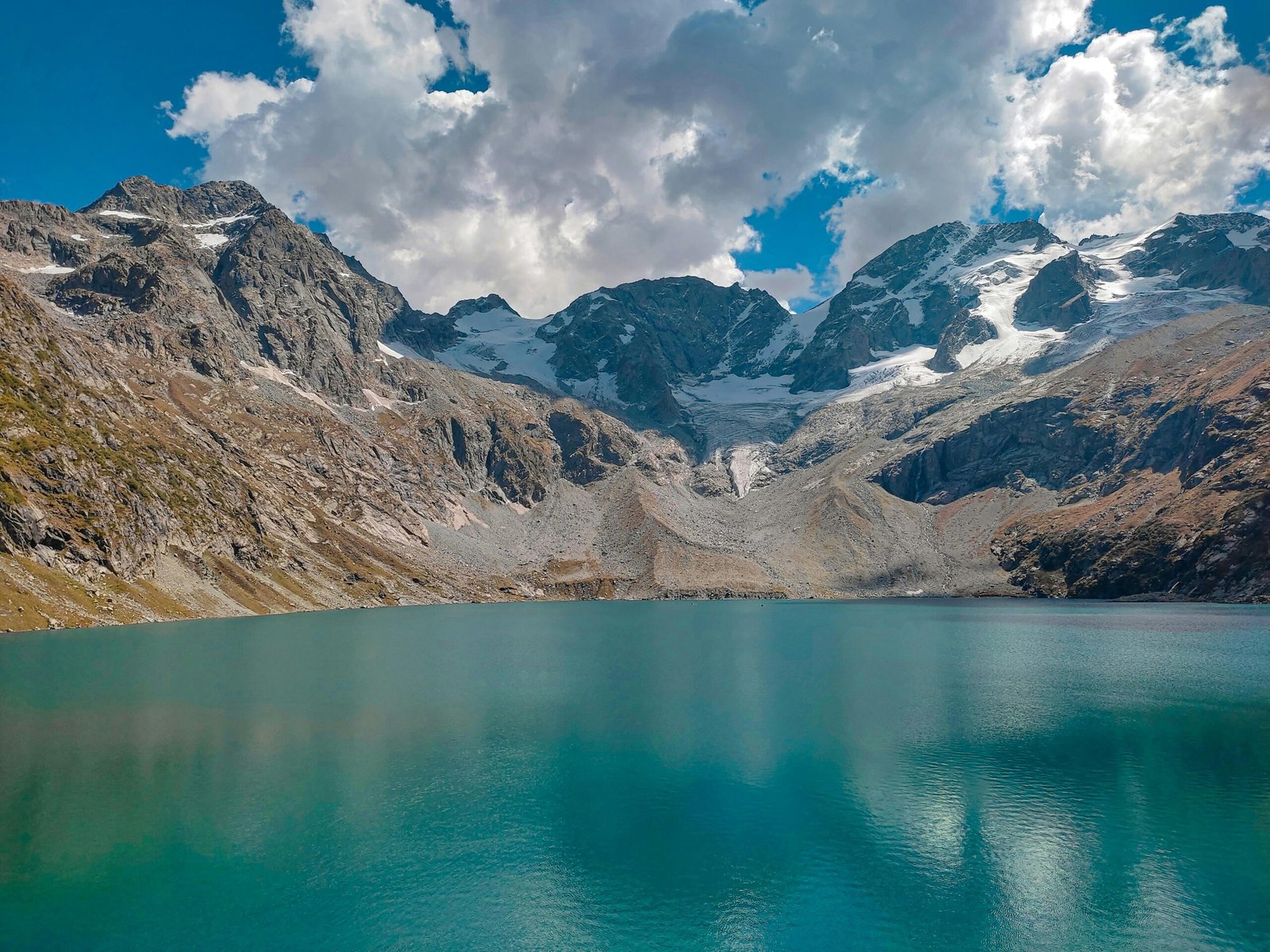
Overview & Geography
-
Nestled in Upper Dir District, 45 min from Thal along the Panjkora River, Kumrat is an alpine jewel in the Hindu Kush foothills.
-
Known for deodar forests, glaciers-fed streams, waterfalls, and meadows that transform into vivid green during summer.
Access & Routes
-
Via Thal: Hire 4×4 jeep from Thal Bazaar (~PKR 2,500–6,000 depending on season and bargaining).
-
Alternate Via Kalam: Increase adventure factor with off-road through Badgoi Pass (3,523 m), linking Kalam and Kumrat.
-
Expect rough terrain—travel during mid-June to mid-October to avoid impassable snow.
Attractions & Activities
-
Panjkora River: Crystal-clear, glacier-fed, perfect for fishing, rafting, or riverside camping.
-
Jahaz Banda Meadows (3,100 m): Named “Ship’s Deck,” offers superb camping, vantage views, and waterfall hikes.
-
Katora Lake (11,500 ft): Stunning glacial bowl a 5+ hr trek from Jahaz Banda; remote and largely off-grid.
-
Badgoi Pass Trek: Challenging, remote route ideal for mountaineers and solitude seekers .
-
Waterfalls, dense deodar forests, trout fishing spots, and cultural interaction with Dir locals.
Facilities & Accommodation
-
Camping pods and tent sites range from PKR 500–2,500/night, while basic hotels (Thal or Kumrat center) offer rooms for PKR 1,000–5,000 per night.
-
Electricity is solar-powered and limited—carry power banks; mobile data is spotty 2G, ideal for digital detox .
-
Local eateries serve simple meals (rice, dal, chapli kebab). If camping, pack high-energy food or buy from Thal.
Safety & Visitor Insights
-
Generally safe, though certain off-grid areas might have armed locals—group travel and guide support is wise.
-
Ranger and local jeep unions help manage tourist safety during peak seasons .
-
Litter concerns in some popular camping spots—help maintain pristine beauty by carrying out waste .
5.Leepa Valley, Azad Kashmir
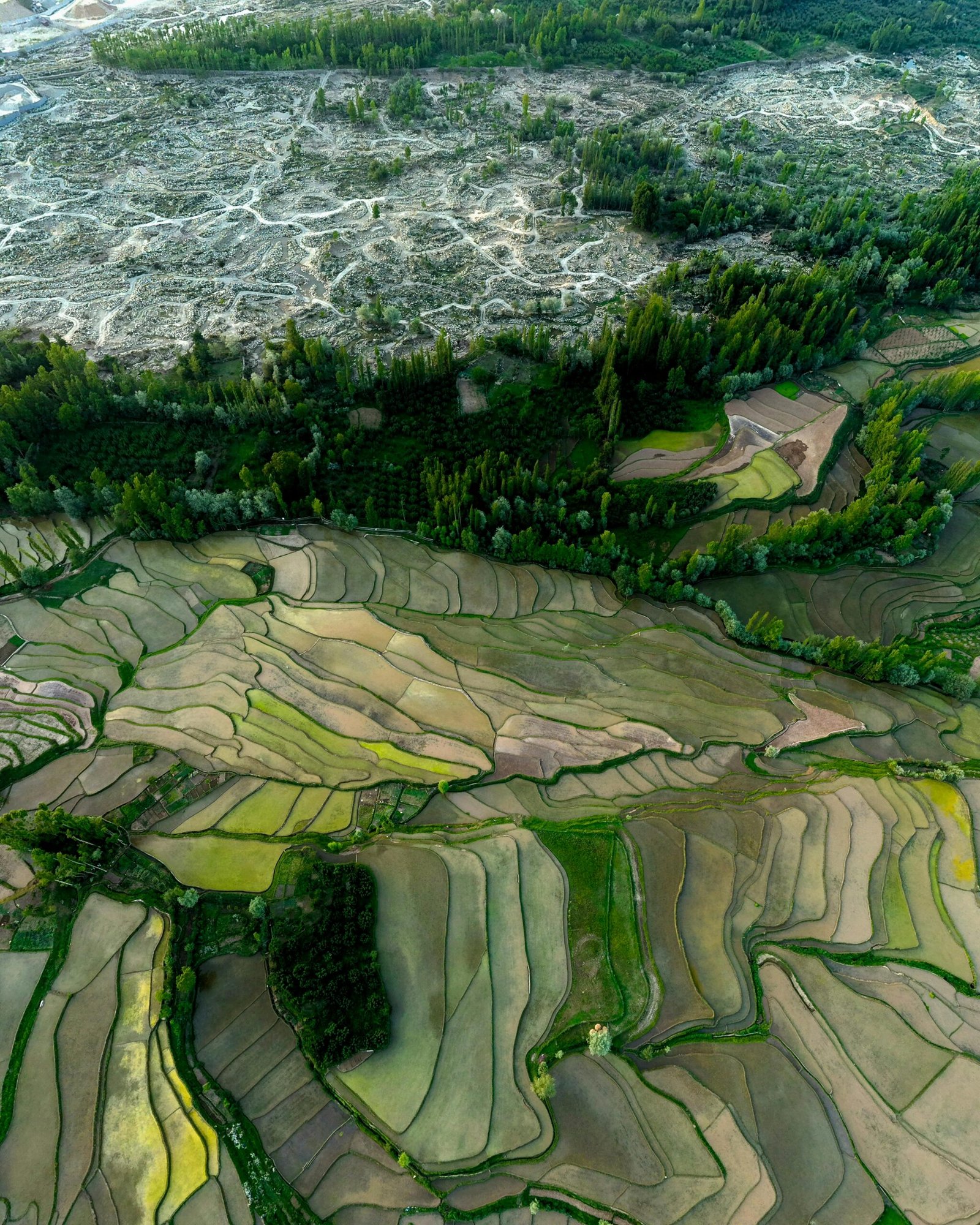
Essence & Geography:
-
Nestled at an altitude of around 10,000 ft, this lush valley is located approximately 83 km from Muzaffarabad in the Hattian Bala District and spans five hamlets: Nowkot, Kasirkot, Dao Khan, Leepa, and Chananian.
-
Terraced rice paddies sparkle under mountain light, surrounded by apple orchards, maple and pine forests—a green tapestry reminiscent of Nepal’s Langtang region.
Culture & Community:
-
Home to 50,000 residents speaking Kashmiri, Pahari-Pothwari, Hindko, and Gojri.
-
Known for vibrant folklore, traditional crafts (kangri weaving, woodwork), and warm hospitality—locals relish inviting travelers for kahwa (spiced tea) by the hearth.
Access & Best Times:
-
The winding route from Muzaffarabad (open April–October) offers dramatic viewpoints and views of the Line of Control across the valley .
-
Heavy snowfall closes roads in winter; spring brings cherry blossoms and terraced planting season, while autumn showers vivid golden hues.
Activities & Itinerary:
-
Village strolls: Walk narrow lanes to watch rice planting and meet artisans.
-
Trekking options: Hike hillside trails toward Chananian for valley panoramas.
-
Birdwatching: Spot Himalayan eagles and bullfinches.
-
Homestays: Stay with families in mountain hamlets, experiencing local cuisine—makki ki roti, rajma, and pastoral life.
Why Visit:
This is a digital detox destination, where mornings begin with birdsong and evenings close with star-lit skies. Perfect for travelers craving authentic rural immersion.
6.Mud Volcanoes & Hingol National Park, Balochistan
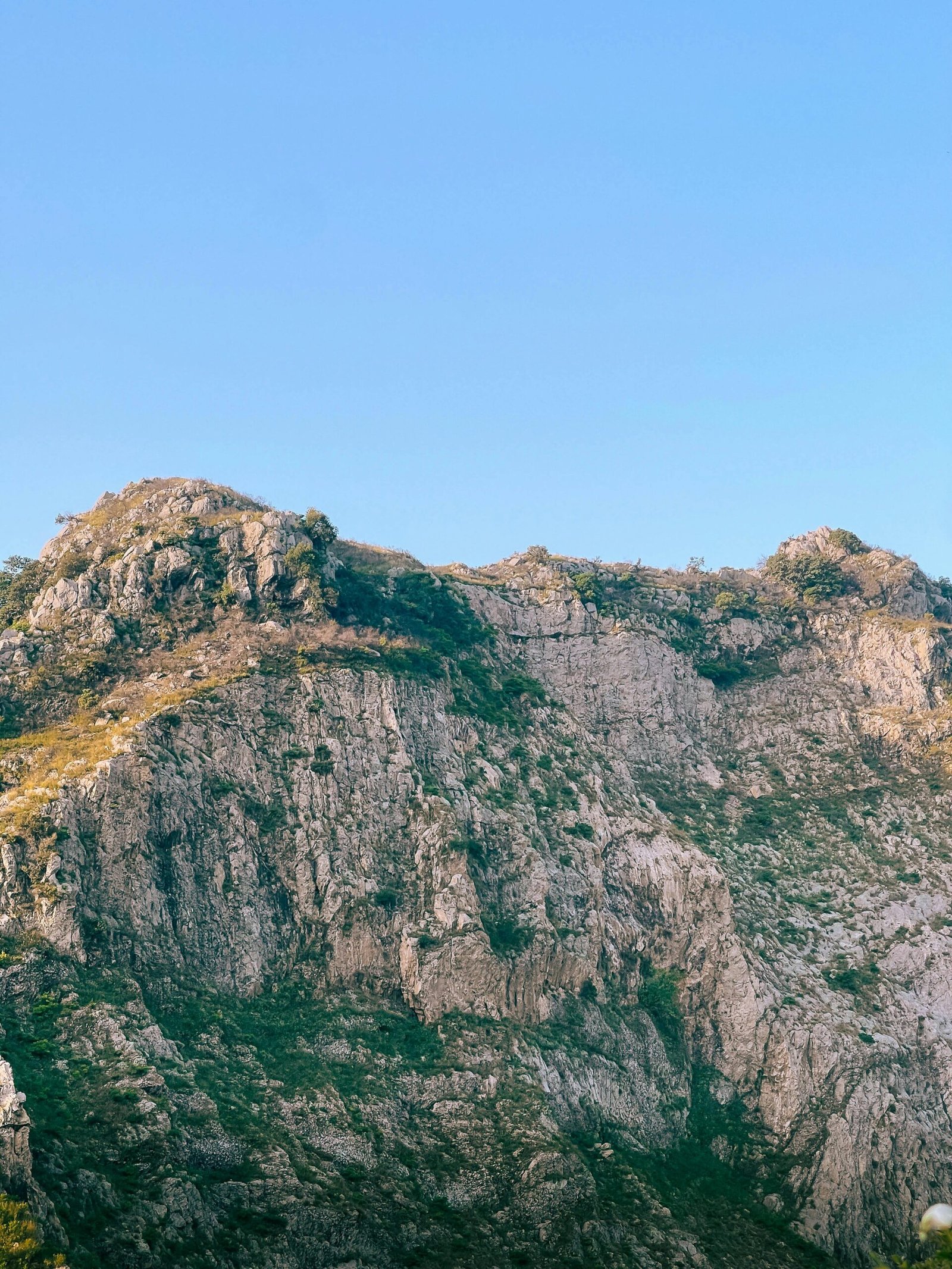
Geology & Landscape:
-
Part of Hingol National Park (6,100 km², established 1988) along Pakistan’s southwest coast—home to arid plains, subtropical forests, coastal estuaries, and the stunning Makran Coastal Highway.
-
Home to towering mud volcanoes, with Chandragup rising about 300 ft—continually bubbling clay and emitting methane.
Cultural & Wildlife Significance:
-
The site’s mud volcanoes hold religious reverence—Hindu pilgrims toss coconuts during the Hinglaj Yatra festival, seeking blessings before proceeding to the Hinglaj Mata Temple, one of Pakistan’s two Shakti Peethas.
-
Wildlife includes Sindh ibex, chinkara, urial, olive ridley turtles, marsh crocodiles, Indo-Pacific dolphins, and 185 bird species—including falcons and pelicans.
Visitor Attractions:
-
Must-see formations: Princess of Hope and Balochistan Sphinx, sculpted by millennia of wind and rain.
-
Lesser-known treasures: coastal mangroves by the estuary and hidden Chaukhandi-style tombs—ancient tribal burial sites with ornate sandstone carvings.
Planning Tips:
-
Best visiting window: October–March (daytime temps: 20–30 °C) . Summer heat can exceed 40 °C.
-
Access: 190 km via scenic highway from Karachi/Gwadar. Self-drive recommended; tours and local 4×4 access available .
-
Amenities: Guesthouses and beach huts near Kund Malir. Camping allowed with gear .
-
Conservation: Plastic pollution threatens turtle nesting; park management urges visitors to carry waste out .
7.Shah Allah Ditta Caves, Islamabad
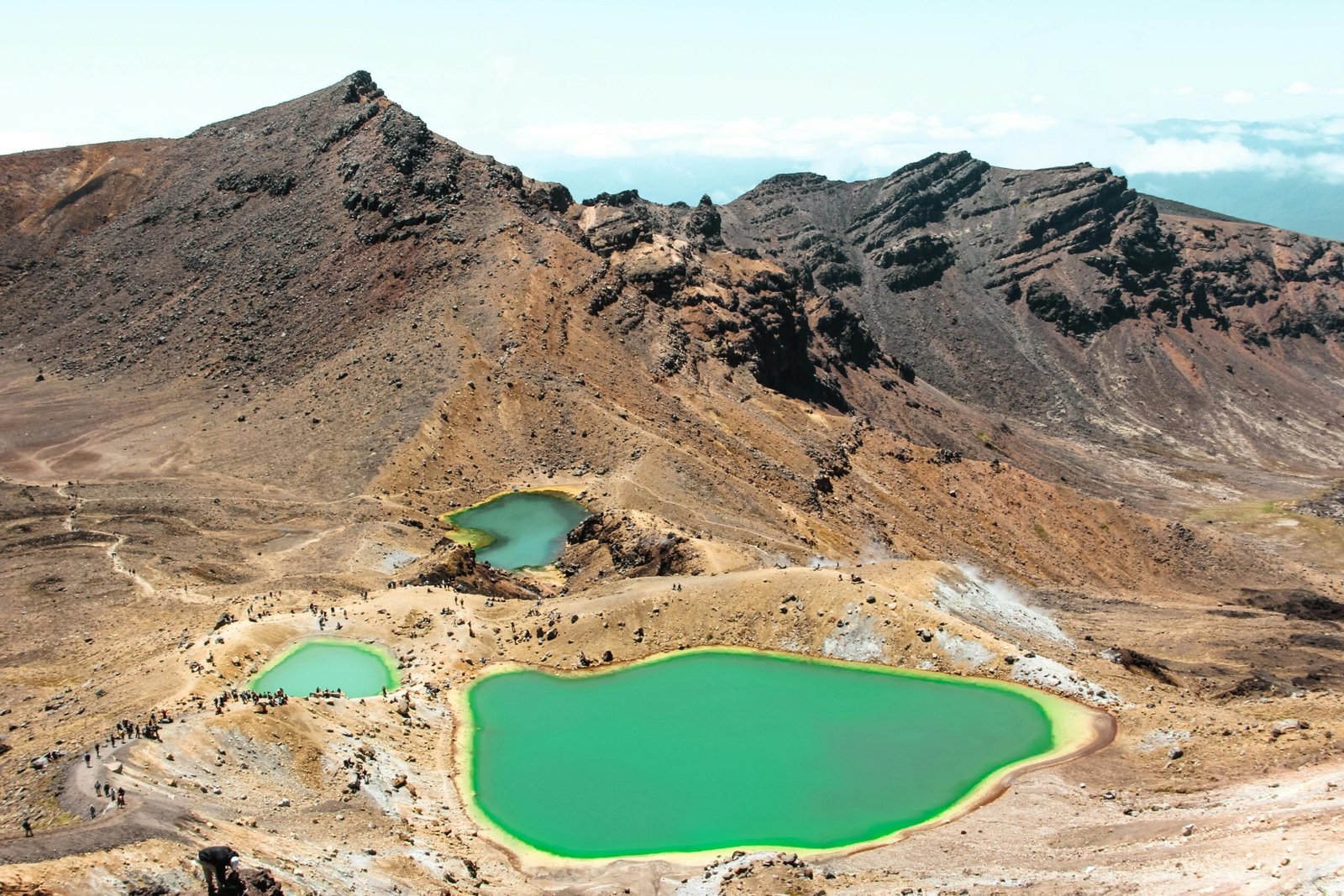
Heritage & Age:
-
Ancient natural rock shelters dating back 2,400 years, located 14 km NW of Islamabad in Margalla Hills.
-
Served successive spiritual traditions—Buddhist monks (circa 8th century), Hindu sadhus, and later Muslim ascetics during the Mughal era.
Historic Significance:
-
Situated along historic Gernaili Road (Sher Shah Suri’s route), linked to Alexander the Great and passed through by Akbar, who built a stepwell at nearby Losar Baoli .
-
Artefacts include Buddhist murals, Hindu iconography, and traces of Mughal-era structures—a palimpsest of religious history.
Visitor Experience:
-
Accessible via a short 5–7 km hike on Trail 7 or by road—ideal for a 3–4 hr half-day trip .
-
Explore rock shelters, carved murals, the mosque and stepwell, and the ancient Losar Baoli—perfect mix of history and nature.
-
Cafes and resorts (e.g., Serenity, Sunset) situated nearby—urban conveniences close to wildernes.
Safety & Conservation:
-
Weekend Popularity: Busy between 5–6 pm. Visit earlier to escape crowds.
-
Safety Notes: After dark area becomes quiet and unsettling. One Reddit account warns of armed robbery on an iftar hike—suggesting visits in daylight and groups only.
-
Conservation Efforts: The site has been designated a protected antiquity; restoration efforts began in 2024 under DOAM and CDA oversight.
Travel Tips & Local Insights
-
Permits: Required for Khunjerab, Astore, and Arang Kel.
-
Transport: Limitations in rural areas—rent 4×4 vehicles for rugged terrain.
-
Accommodation: Varies from homestays (Phander, Gulmit) to camps (Astola, Fairy Meadows).
-
Local Culture: Kalash Valley festivals; Chitral’s natural remedies; Sindh’s folk music.
-
Safety: Modern infrastructure on Karakoram Highway—but check conditions during monsoon/winter.
Why Pakistan?
-
Diverse terrain: Glaciers, deserts, coasts, plateaus—all in one country.
-
Minimal mass tourism: Many spots are exclusively visited by adventurous travelers.
-
Rich cultural mosaic: From ancient ruins to living indigenous traditions.
-
Budget-friendly: Inexpensive local transport, food, and camping gear.
-
Eco-friendly travel: Low development means naturally preserved environments.
Photography & Adventure Highlights
-
Epic views: Sunset at Gorakh; Nanga Parbat from Fairy Meadows.
-
Unique culture: Kalash costumes, pottery workshops, hot springs.
-
Wildlife: Hingol’s reptiles and birds; Balochistan’s coastal turtles.
-
Road trips: Karakoram Highway zigzags to Khunjerab.
-
Camping under stars: Astola nights, alpine snowfields, desert skies.
Planning Your Ultimate Adventure
-
Outline your route: Choose 3–5 destinations (e.g., Northern Highlands + Balochistan + Sindh).
-
Book ahead: Secure permits and homestays early.
-
Pack light, pack smart: Adapt to altitude, climate, rugged terrain.
-
Support locals: Engage guides, buy crafts, enjoy regional cuisines.
Final Thoughts
From marble-blue glacial lakes to desert beaches and ancient ruins, Pakistan’s hidden gems offer an unmatched blend of rugged beauty, heritage, solitude, and cultural authenticity. Ready your backpack, tune your camera, open your mind—and let Trip Trial guide you to discover the extraordinary that lies off the tourist map. Safe journeys and happy trails!
A Huge Shoutout to Heart Trail Media
Looking to take your outdoor storytelling, brand presence, or digital adventure guides to the next level? The talented team at Heart Trail Media (HTM) delivered creative direction, immersive photography, map design, and SEO optimization that brought these hidden trails vividly to life.
Ready to share your own Uncharted Trails? Want to build a stunning, engagement‑driven travel site packed with rich content and visual flair? Connect with Heart Trail Media today—they specialize in outdoor brand strategies, multimedia storytelling, social media campaigns, and beyond.
A big shoutout to the talented team at Urban Dive Marketing (UDM)
Looking to build a attractive website or elevate your brand with top-tier digital services? Check out UDM — they deliver expert web design, SEO, influencer marketing, lead generation, e‑commerce solutions, and more
If you’re ready to grow your online presence, don’t hesitate—contact UDM Creative today!
Want to get more information and then checkout these links.