






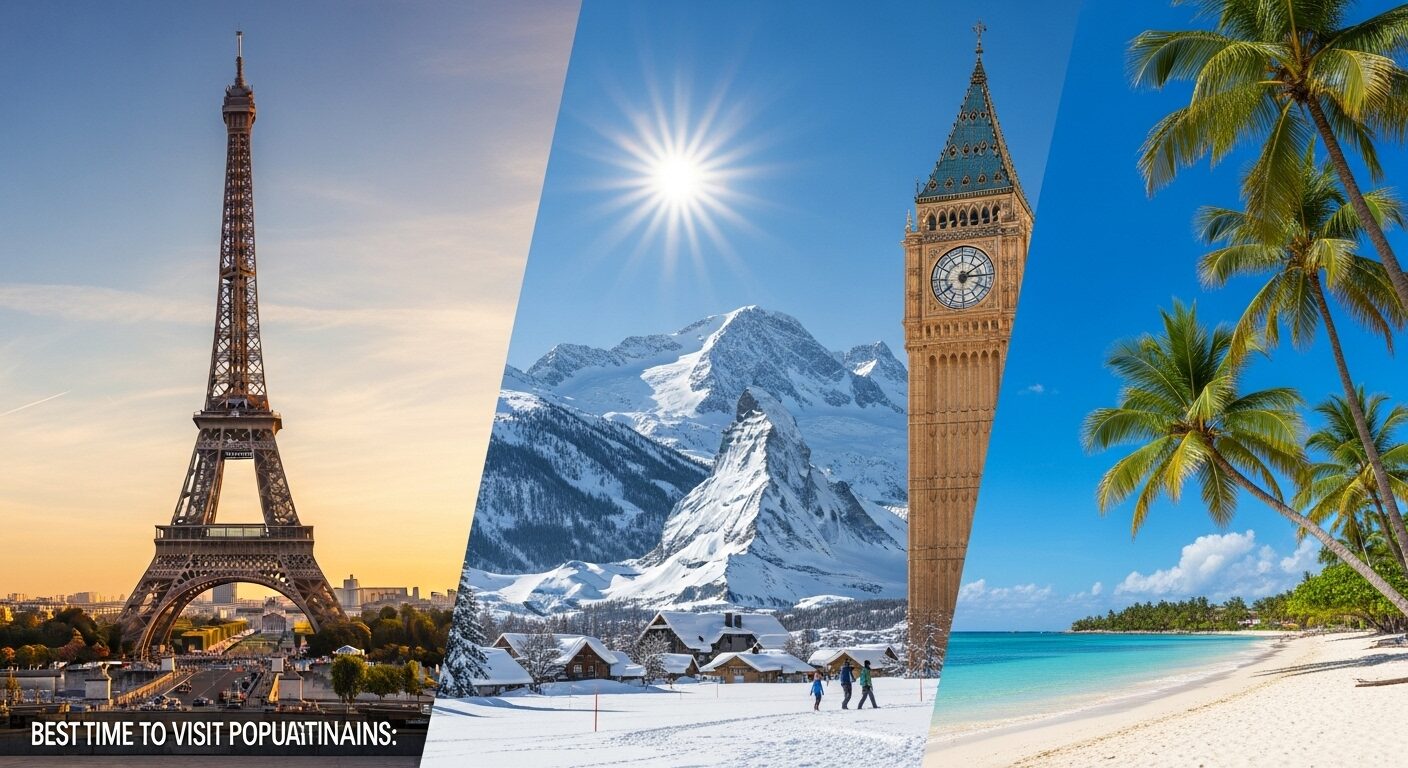
Best time to visit popular destinations: Your Guide to Perfect Travel
Planning a trip involves many decisions. Among them, choosing the right time to go is crucial. Indeed, the best time to visit popular destinations significantly impacts your experience. Ideal weather, fewer crowds, and vibrant local events can transform a good trip into an unforgettable adventure. Conversely, poor timing can lead to discomfort, high costs, and disappointment. This comprehensive guide will help you navigate the complexities of travel seasons. Therefore, you can make informed decisions for your next journey, ensuring it’s everything you dreamed of.
Understanding Seasonal Travel
Travel seasons are generally categorized into three main types: high, shoulder, and low. Each offers distinct advantages and disadvantages. Understanding these cycles is fundamental for smart travel planning. Moreover, it allows you to align your expectations with reality, making for a smoother trip.
High Season: Pros and Cons
High season typically coincides with peak holidays and favorable weather. For instance, summer in Europe or winter in tropical destinations are prime examples. During this period, destinations are at their most vibrant. All attractions operate fully, and the atmosphere is often lively. Furthermore, special events and festivals frequently take place, adding to the allure. However, high season also means larger crowds, which can lead to long queues at popular sites and a less intimate experience. Consequently, prices for flights, accommodation, and tours often skyrocket, stretching your budget considerably. Availability also becomes a major concern; without booking well in advance, securing your preferred options can be challenging. Therefore, while energetic, high season demands careful preparation and a higher budget.
Shoulder Season: The Sweet Spot
Shoulder season occurs just before or after the high season. Think spring or autumn in many parts of the world, such as April-May or September-October for European cities. This period often presents the best time to visit popular destinations. You typically find pleasant weather conditions, which are ideal for sightseeing and outdoor activities without the oppressive heat or extreme cold. Moreover, crowds are significantly thinner than in peak times, allowing for more relaxed exploration and better photo opportunities. Prices also tend to be more moderate, offering better value for flights and accommodation. Many believe this balance of good weather, fewer people, and reasonable costs makes shoulder season ideal. It offers a more authentic travel experience, enabling deeper cultural immersion.
Low Season: Budget-Friendly Options
Low season, often characterized by less favorable weather or fewer events, sees the fewest tourists. This can mean extreme heat, cold, or heavy rain, depending on the location. For example, hurricane season in the Caribbean is low season, while parts of Europe experience chilly, rainy winters. Nevertheless, it offers considerable benefits for budget travelers. Prices plummet across the board, making luxurious experiences surprisingly affordable. Furthermore, you can experience destinations without the hustle and bustle, enjoying a sense of tranquility and local life. Some travelers prefer the solitude and local feel of low-season travel, finding it more peaceful. However, certain attractions or services might have reduced hours or even close for maintenance. Therefore, thorough research is vital to avoid disappointment.
Best Time to Visit Popular Destinations Globally
Knowing the global seasonal patterns helps pinpoint the best time to visit popular destinations across continents. Here’s a detailed overview, considering climate, events, and crowd levels for various regions.
European Delights (e.g., Paris, Rome, Santorini)
- Paris, France: Spring (April-May) and Fall (September-October) offer mild weather and fewer tourists than the bustling summer. The city’s gardens are beautiful, and cafe life is vibrant. Conversely, July and August can be very hot and crowded, with many locals on vacation.
- Rome, Italy: Similar to Paris, spring and fall are ideal. May and October provide comfortable temperatures for exploring ancient ruins and charming streets. July and August are very hot and crowded, making extensive walking uncomfortable.
- Santorini, Greece: May, early June, and September are superb. The weather is warm enough for swimming and enjoying the caldera views, but the intense summer crowds have not yet arrived or have departed. Mid-summer (July-August) sees cruise ships dominating, and prices peaking.
- Barcelona, Spain: Late spring (April-June) and early autumn (September-October) are perfect for enjoying its architecture and beaches. The summer months are extremely hot and packed with tourists.
- Amsterdam, Netherlands: April for tulip season or September for pleasant weather and fewer crowds. Winter can be charming with Christmas markets, but also very cold.
Asian Wonders (e.g., Tokyo, Bangkok, Bali)
- Tokyo, Japan: Spring (March-May) for cherry blossoms and Autumn (September-November) for vibrant foliage are spectacular and highly sought after. Winter is cold but less crowded, offering a different charm. The summer months are hot and humid.
- Bangkok, Thailand: November to February offers cooler, drier weather, making it the most comfortable time for exploration. The hot season runs from March to May, while monsoon season (May to October) brings heavy rains, though usually in short bursts.
Bali, Indonesia:** The dry season, from April to October, is undeniably the *best time to visit popular destinations like Bali. Expect sunny days, lower humidity, and ideal conditions for beach activities and exploring rice paddies. The wet season (November-March) brings frequent showers.
- Hanoi, Vietnam: Autumn (September-November) provides pleasant temperatures and less rain. Spring (March-April) is also good. Summers are hot and humid, and winters can be quite chilly.
- Kyoto, Japan: Like Tokyo, spring for cherry blossoms and autumn for fall foliage are breathtaking. These times are popular, so book ahead.
North American Adventures (e.g., New York, Grand Canyon, Banff)
- New York City, USA: Spring (April-May) and Fall (September-November) provide pleasant temperatures, beautiful park scenery, and a comfortable atmosphere for walking. Winter can be magical with holiday decorations, despite the cold. Summer is hot and humid.
- Grand Canyon, USA: Spring (March-May) and Fall (September-November) avoid extreme summer heat and winter snow, offering ideal hiking conditions. Rim-to-river hikes are best then. Summer is extremely crowded and hot, while winter can close certain roads and trails.
- Banff, Canada: Summer (June-August) is perfect for hiking, kayaking, and enjoying the stunning turquoise lakes. Winter (December-March) is prime for skiing and snowboarding. Shoulder seasons (May, September, October) are also beautiful with fewer crowds and unique landscapes.
- Miami, USA: Late fall to spring (November-April) offers warm, sunny weather, escaping the summer heat and hurricane season. This is peak season, however.
- Vancouver, Canada: Summer (June-August) is glorious with long sunny days, perfect for outdoor activities. Spring and fall are milder but rainier.
South American Gems (e.g., Rio de Janeiro, Machu Picchu)
- Rio de Janeiro, Brazil: December to March is summer, perfect for beaches and the iconic Carnival, though it’s hot and humid. May to October offers cooler, drier weather, which is more comfortable for sightseeing, albeit with fewer beach days.
- Machu Picchu, Peru: The dry season (May-October) is ideal for hiking the Inca Trail and enjoying clear views of the ancient city. June to August is peak, so expect crowds and book permits well in advance. The wet season (November-April) can bring landslides and slippery trails.
- Buenos Aires, Argentina: Spring (September-November) and autumn (March-May) offer mild temperatures, perfect for exploring the city’s vibrant culture. Summers are hot and humid, while winters are mild but can be chilly.
African Safaris and Coastal Escapes (e.g., Serengeti, Cape Town)
- Serengeti, Tanzania: The dry season (June-October) is optimal for wildlife viewing, especially the Great Migration. Animals congregate around water sources, making them easier to spot. The wet season (November-May) brings lush landscapes but more challenging viewing.
- Cape Town, South Africa: Summer (November-February) brings warm, sunny weather, ideal for beaches and Table Mountain. Spring (September-November) and Autumn (March-May) are also pleasant, with fewer crowds and beautiful landscapes. Winter can be rainy.
- Marrakech, Morocco: Spring (March-May) and autumn (September-November) provide comfortable temperatures for exploring the souks and palaces. Summers are intensely hot, and winters can be surprisingly cold.
Oceania’s Charms (e.g., Sydney, Queenstown)
- Sydney, Australia: Spring (September-November) and Autumn (March-May) offer pleasant temperatures and fewer crowds, making it ideal for exploring the harbor and beaches. Summer (December-February) is hot and popular, especially around holidays.
- Queenstown, New Zealand: Summer (December-February) is great for outdoor activities like hiking, bungee jumping, and jet boating. Winter (June-August) is perfect for skiing and snowboarding, attracting a different kind of crowd. Shoulder seasons are also beautiful with unique landscapes.
- Fiji: The dry season (May-October) offers sunny days and lower humidity, perfect for island hopping and water sports. The wet season (November-April) can bring tropical storms.
Factors Influencing Your Travel Dates
Beyond general seasonal advice, several specific factors should guide your decision on the best time to visit popular destinations. Consider these elements carefully to tailor your trip.
Weather and Climate Considerations
Weather is often the primary driver for travel timing. Do you prefer sunshine and warmth, or are you seeking snow-covered landscapes for winter sports? Research the average temperatures, rainfall, and humidity levels for your chosen destination during your potential travel window. For example, visiting Southeast Asia during monsoon season can severely impact outdoor activities and transportation. Conversely, enduring extreme heat in the Mediterranean in August might not be enjoyable for everyone, despite it being peak beach season. Always check historical weather data to get a realistic picture.
Major Festivals and Events
Many popular destinations host iconic festivals or events that can be a major draw. Think Oktoberfest in Munich, Carnival in Rio, the Cherry Blossom Festival in Japan, or the Edinburgh Fringe Festival. Attending these can be a highlight of your trip, offering unique cultural immersion and vibrant atmospheres. However, they also attract massive crowds, which inevitably leads to higher prices for everything from flights to accommodation and even local food. If you wish to experience these events, plan far in advance and book everything early. Alternatively, if you prefer peace and quiet, meticulously avoid these periods.
Crowd Levels and Cost Implications
Crowds and costs are intrinsically linked; high demand during peak seasons drives up prices across the board. This includes flights, accommodation, car rentals, and even entrance fees to popular attractions. Traveling during the shoulder or low season can yield significant savings, sometimes cutting costs by a third or more. Furthermore, fewer tourists mean shorter lines at attractions, more availability for tours, and a generally more relaxed pace. You can enjoy a more intimate and less rushed experience. Therefore, carefully weigh your budget and tolerance for crowds when making your decision.
Personal Preferences and Travel Style
Ultimately, the best time to visit popular destinations depends heavily on your personal preferences and travel style. Are you a budget traveler seeking solitude and authentic local experiences, perhaps willing to brave less-than-perfect weather? Then the low season might be perfect for you. Do you thrive on vibrant energy, love being surrounded by other travelers, and don’t mind spending more for convenience? High season might be your ideal. Do you prioritize mild weather, a balance of activity, and good value? Shoulder season is often the sweet spot. Reflect deeply on what kind of experience you truly desire from your adventure.
Tips for Planning Your Trip
Careful planning ensures a smoother, more enjoyable journey, regardless of your chosen travel season. Consider these practical tips to optimize your trip.
Research Thoroughly
Before committing to dates, delve deep into local information specific to your destination. Check specific weather patterns, public holidays (which can unexpectedly close businesses), and school breaks (which often mean local families are also traveling). Travel blogs, official tourism websites, and historical weather forecast archives are excellent resources. This detailed research helps you anticipate conditions, potential crowds, and local closures, preventing unwelcome surprises.
Be Flexible
If your schedule allows, try to be flexible with your travel dates. Shifting your trip by even a week or two can sometimes move you into a less crowded or more affordable period, especially around the edges of peak seasons. Flexibility often unlocks better deals on flights and accommodation. It also enhances the overall experience by allowing you to capitalize on unforeseen opportunities or avoid sudden price hikes.
Book in Advance
Regardless of the season, booking flights and accommodation well in advance is almost always wise. This is especially true for high season travel or if you’re targeting a specific event. Early bookings secure better prices and guarantee your preferred options before they sell out. Popular attractions, tours, and even some restaurants may also require advance ticket purchases or reservations, particularly in busy periods. Don’t leave it to the last minute.
Consider Travel Insurance
Unexpected events can disrupt even the most meticulously planned trip. Travel insurance provides a crucial safety net, covering a range of scenarios from trip cancellations and interruptions to medical emergencies, lost luggage, and even natural disasters. This offers significant peace of mind, knowing you are protected against unforeseen circumstances. Therefore, it’s a valuable investment for any traveler, safeguarding your financial outlay and well-being.
Pack Smart for the Season
Your packing list will be heavily influenced by the chosen season. During the high season, light clothing and sun protection are essential for warm destinations. Conversely, low season travel to colder regions requires layers, waterproof gear, and warm accessories. Even in shoulder season, adaptable clothing is key. A well-prepared traveler enjoys their destination more fully.
Conclusion
Choosing the best time to visit popular destinations is a critical step in crafting a memorable travel experience. By understanding the nuances of high, shoulder, and low seasons, and by considering factors like weather, events, crowds, and personal preferences, you can optimize your journey. Thorough research, flexibility, and advance booking are your allies in this process. Ultimately, the perfect travel time aligns with what you seek from your adventure, ensuring that every moment is enjoyed to its fullest.
Frequently Asked Questions (FAQ)
Q1: What is the “shoulder season” and why is it often recommended?
A1: Shoulder season refers to the periods just before or after the peak travel season. It’s often recommended because it typically offers a balance of pleasant weather, fewer crowds, and more moderate prices compared to the high season, leading to a more enjoyable and cost-effective travel experience.
Q2: How can I find out the best time to visit a specific destination?
A2: To determine the best time to visit popular destinations specifically, research local weather patterns, major festivals, public holidays, and typical tourist seasons. Utilize official tourism websites, reputable travel blogs, and weather data archives for accurate information. Being flexible with your dates can also help.
Q3: Is it always cheaper to travel during the low season?
A3: Generally, yes, traveling during the low season is significantly cheaper for flights, accommodation, and tours due to lower demand. However, be aware that some attractions might have reduced hours or be closed, and weather conditions might be less favorable. Always weigh the cost savings against potential inconveniences.
Want to read more Trip Trial about click here
Big Shoutout to the guys who made this blog happen UDM
- https://triptrial.info/peaceful-hill-stations-to-visit-serene-escapes-await/
- https://triptrial.info/best-nature-getaways-for-peace-find-your-serenity/
- https://triptrial.info/short-international-trips-on-a-budget-your-guide/
- https://triptrial.info/travel-hacks-smart-tips-to-make-every-trip-easier/
- https://triptrial.info/off-season-travel-benefits-smart-choices/