


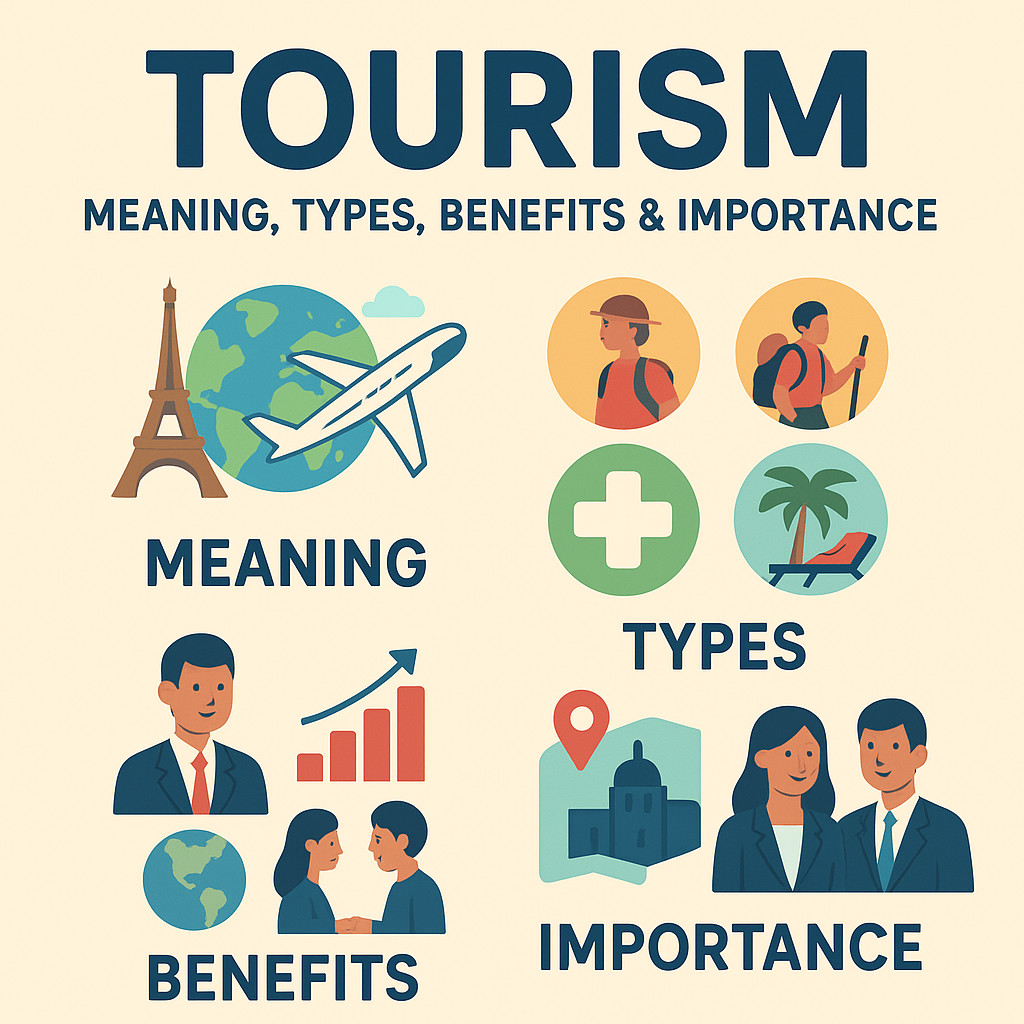
Tourism: Meaning, Types, Benefits & Importance (Complete Guide)
Tourism is one of the most popular activities in the world. Every year, millions of people travel from one city to another, and from one country to another. Some people travel for fun, some for work, and some for education or religious reasons. Tourism helps people relax, explore new places, learn about different cultures, and enjoy life. It is also a very important industry because it creates jobs, supports businesses, and improves a country’s economy.
In this complete guide, you will learn everything about tourism in simple and easy words. We will cover the meaning of tourism, types of tourism, benefits of tourism, and why tourism is important for individuals and countries.
1. What is Tourism? (Meaning of Tourism)
Tourism means traveling from one place to another for a short time. It can be for leisure, business, education, medical treatment, or religious purposes. Tourism usually involves leaving your home, staying in another place for a few hours, days, or weeks, and then returning.
Tourism is not only about visiting beautiful places. It also includes activities like:
-
staying in hotels
-
traveling by bus, train, airplane, or car
-
visiting museums, parks, beaches, and mountains
-
eating local food
-
shopping
-
attending festivals and events
A person who travels for tourism is called a tourist.
2. Simple Definition of Tourism
Here is the easiest definition:
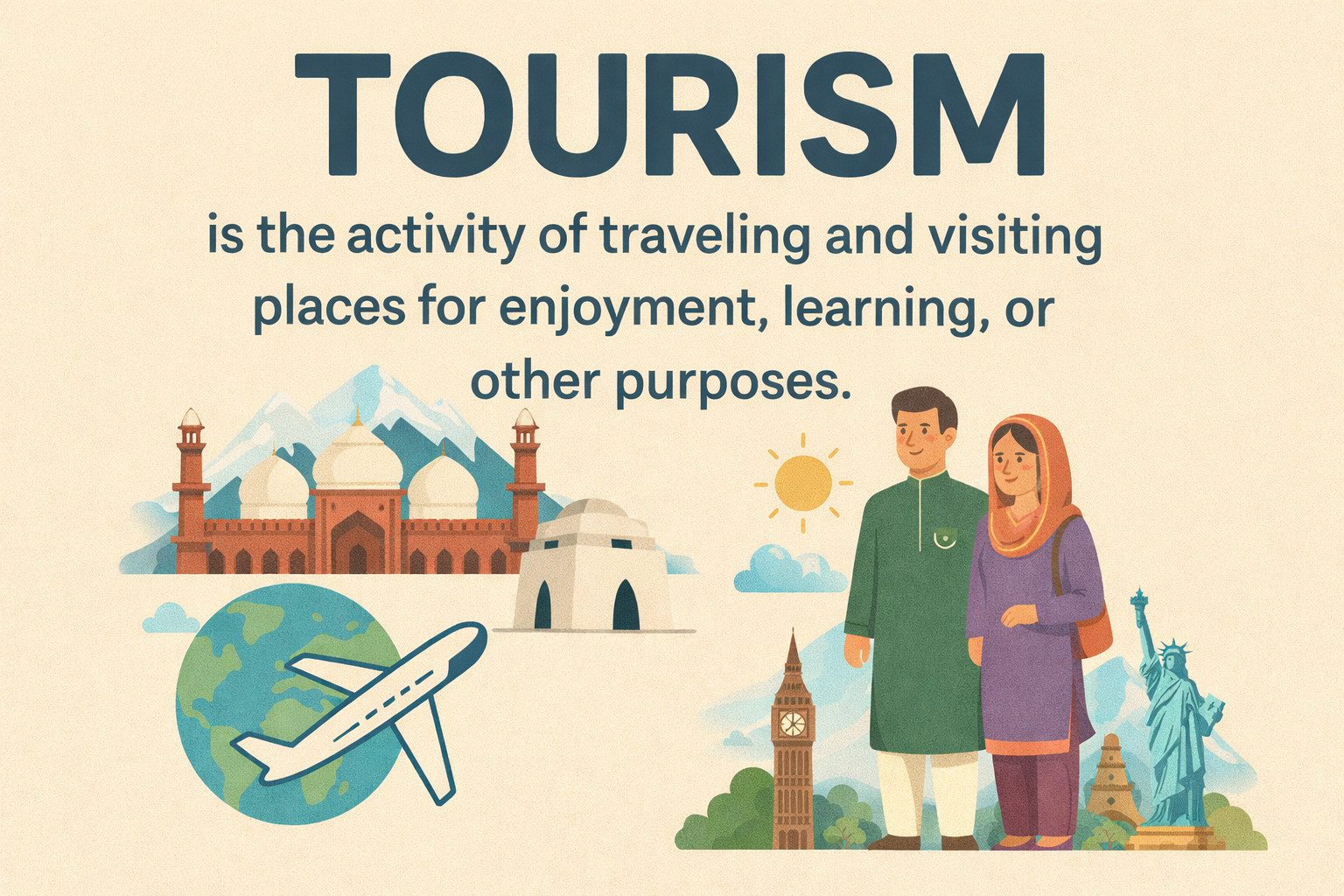
Tourism is the activity of traveling and visiting places for enjoyment, learning, or other purposes.
3. What is a Tourist?
A tourist is a person who travels away from home for a short period.
Tourists may travel for:
-
vacation and holidays
-
business meetings
-
visiting family and friends
-
religious visits
-
medical treatment
-
education and research
-
adventure activities
Tourists spend money in the places they visit. This helps the local economy.
4. Tourism Industry (What it Includes)
Tourism is not only travel. It is a full industry. The tourism industry includes many businesses and services that help tourists.
Main parts of the tourism industry
1. Transportation
Tourists need transport to move from one place to another, such as:
-
airplanes
-
buses
-
trains
-
taxis
-
rental cars
-
ships and boats
2. Accommodation
Tourists need places to stay, such as:
-
hotels
-
guest houses
-
resorts
-
hostels
-
apartments
-
camping areas
3. Food and Restaurants
Tourists spend money on:
-
restaurants
-
cafes
-
local street food
-
fast food
-
traditional dishes
4. Travel Agencies and Tour Operators
Many tourists book trips through:
-
travel agents
-
tour companies
-
online booking websites
-
trip planner platforms
5. Entertainment and Activities
Tourism includes fun activities like:
-
theme parks
-
museums
-
beaches
-
cultural shows
-
festivals
-
sightseeing tours
6. Shopping and Souvenirs
Tourists often buy:
-
local crafts
-
gifts
-
clothes
-
souvenirs
-
handmade items
5. Types of Tourism (Main Categories)
Tourism has many types. People travel for different reasons, so tourism is divided into different categories. Below are the most common types of tourism.
5.1 Domestic Tourism
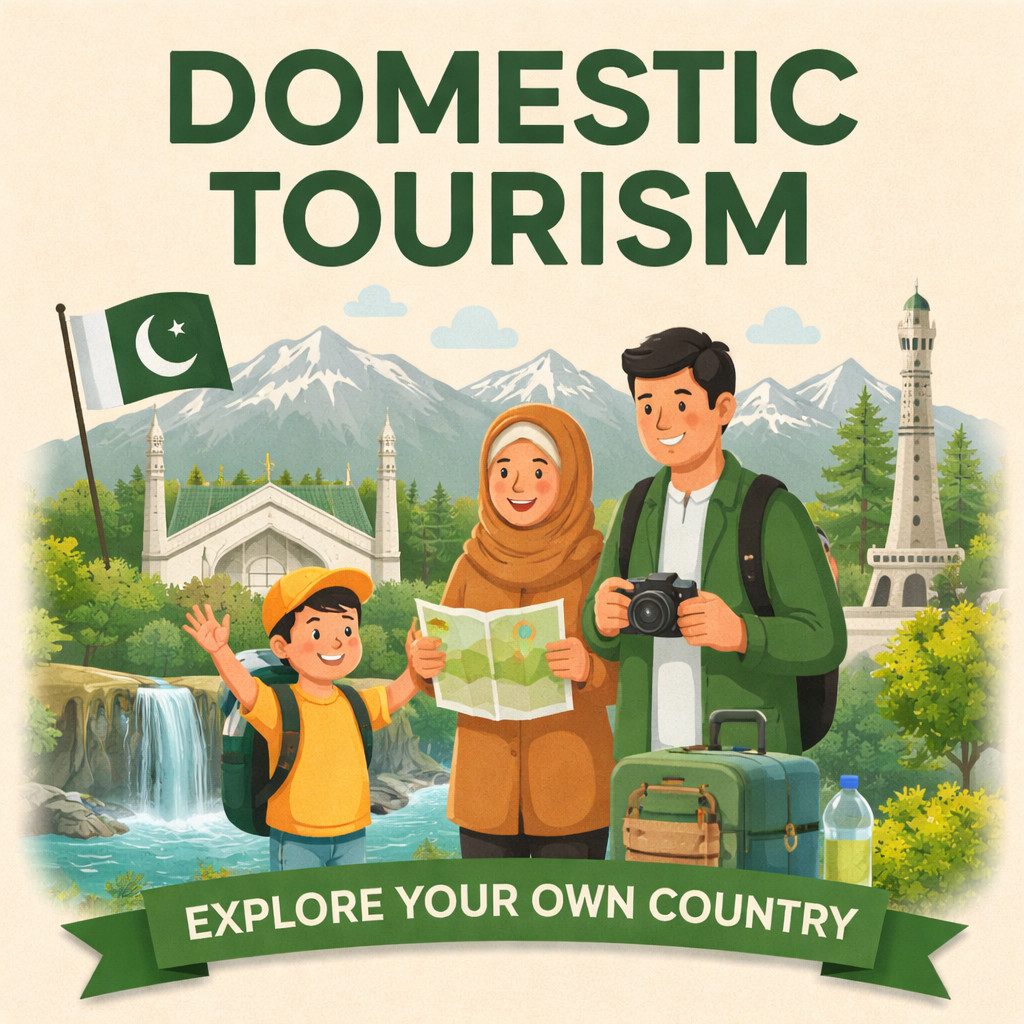
Domestic tourism means traveling within your own country.
Example:
-
A person from Lahore visiting Murree
-
A person from Karachi visiting Swat
-
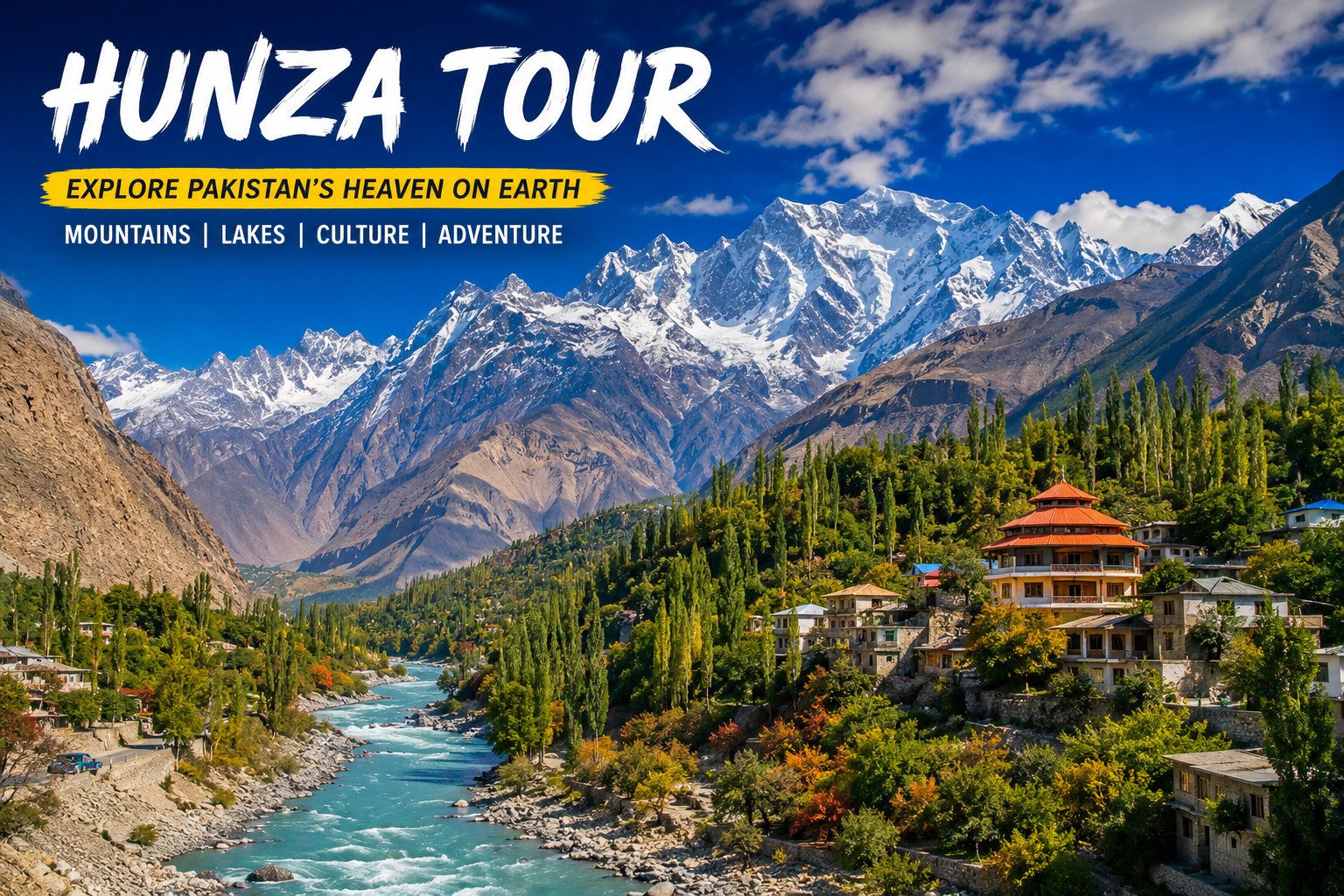
A person from Islamabad visiting Hunza
Domestic tourism is common because:
-
it is cheaper
-
it does not require a passport or visa
-
it is easier to plan
-
it is less stressful
5.2 International Tourism
International tourism means traveling from one country to another.
Example:
-
A Pakistani tourist visiting Dubai
-
A tourist from the UK visiting Turkey
-
A tourist from China visiting Malaysia
International tourism requires:
-
passport
-
visa (in most cases)
-
flight tickets
-
travel insurance (sometimes)
-
currency exchange
International tourism is very important because it brings global connection and foreign income.
5.3 Inbound Tourism
Inbound tourism refers to tourists coming into a country from other countries.
Example:
-
A tourist from Saudi Arabia visiting Pakistan
-
A tourist from Germany visiting France
Inbound tourism helps a country earn foreign money. It also improves the country’s image in the world.
4 Outbound Tourism
Outbound tourism means people from a country traveling to other countries.
Example:
-
Pakistanis traveling to Malaysia
-
Indians traveling to UAE
-
Americans traveling to Europe
Outbound tourism helps people explore the world and learn about other cultures.
5 Leisure Tourism
Leisure tourism means traveling for fun, relaxation, and enjoyment.
It includes:
-
beach vacations
-
sightseeing
-
shopping trips
-
family holidays
-
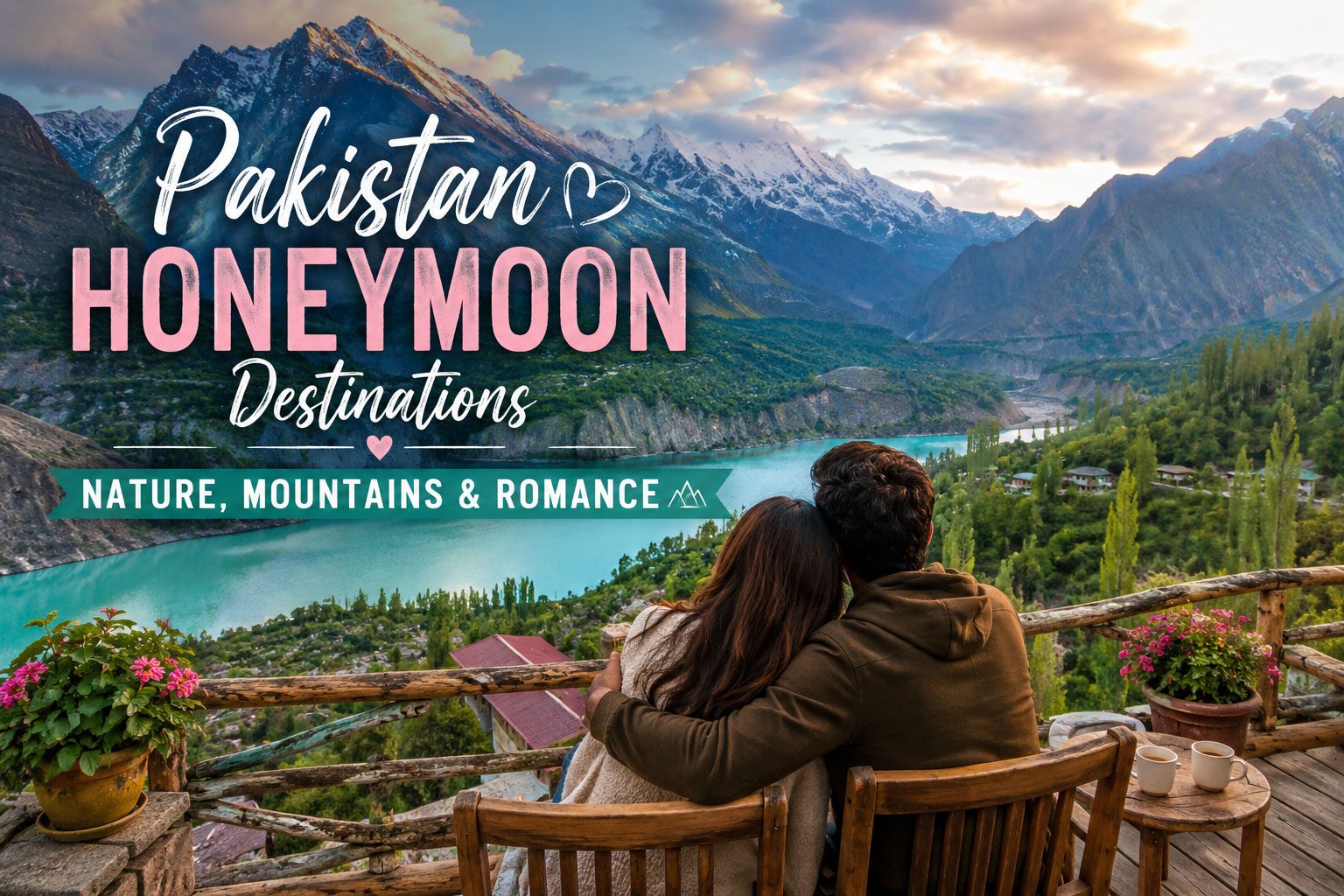
honeymoon tours
Example:
-
visiting Maldives for a holiday
-
traveling to Switzerland to see mountains
This is the most common type of tourism.
6 Business Tourism
Business tourism means traveling for work and business purposes.
It includes:
-
business meetings
-
conferences
-
trade shows
-
exhibitions
-
training sessions
Example:
-
attending a business expo in Dubai
-
traveling to another city for office work
Business tourism is important because it supports business growth and international trade.
7 Religious Tourism
Religious tourism means traveling to holy places for spiritual reasons.
Examples:
-
Muslims traveling for Hajj and Umrah
-
Christians visiting Jerusalem or Vatican City
-
Hindus visiting temples
-
Sikhs visiting Kartarpur or Nankana Sahib
Religious tourism is one of the oldest forms of tourism and is still very popular today.
8 Medical Tourism
Medical tourism means traveling for medical treatment.
People travel for:
-
surgeries
-
dental care
-
eye treatment
-
cosmetic surgery
-
health checkups
Example:
-
people traveling to Turkey for hair transplant
-
people traveling to India for affordable medical treatment
Medical tourism is growing because many countries offer high-quality treatment at lower prices.
9 Educational Tourism
Educational tourism means traveling for learning and education.
It includes:
-
study tours
-
student exchange programs
-
university admissions
-
educational conferences
-
research trips
Example:
-
students traveling to the UK for university
-
school trips to historical sites
Educational tourism increases knowledge and experience.
10 Adventure Tourism
Adventure tourism means traveling for exciting and thrilling activities.
It includes:
-
hiking
-
trekking
-
paragliding
-
rafting
-
skiing
-
mountain climbing
-
desert safari
Example:
-
trekking in Gilgit Baltistan
-
paragliding in Turkey
-
rafting in Swat
Adventure tourism is popular among young travelers and nature lovers.
11 Cultural Tourism
Cultural tourism means visiting places to experience history, culture, and traditions.
It includes:
-
museums
-
heritage sites
-
ancient monuments
-
cultural festivals
-
local food and traditions
Example:
-
visiting Mohenjo-Daro in Pakistan
-
exploring ancient Rome in Italy
Cultural tourism helps preserve culture and heritage.
12 Eco Tourism (Ecotourism)
Eco tourism is tourism that focuses on nature and environmental protection.
It includes:
-
wildlife tours
-
forest visits
-
national parks
-
eco resorts
-
bird watching
Eco tourism encourages:
-
nature conservation
-
clean travel
-
responsible behavior
Example:
-
visiting a national park
-
exploring natural valleys and forests
Eco tourism is important for protecting the environment.
5.13 Sports Tourism
Sports tourism means traveling to watch or participate in sports events.
Examples:
-
watching FIFA World Cup
-
attending the Olympics
-
traveling for cricket matches
-
participating in marathons
Sports tourism brings many tourists and increases income for host countries.
Benefits of Tourism
Tourism has many benefits for individuals, businesses, and countries. Let’s discuss the main benefits of tourism in detail.
1 Tourism Creates Jobs
Tourism is one of the biggest job providers in the world.
It creates jobs in:
-
hotels
-
restaurants
-
travel agencies
-
airlines
-
tour companies
-
shopping markets
-
transport services
-
tourist guide services
Even small businesses benefit from tourism.
2 Tourism Boosts the Economy
Tourism brings money into the country. Tourists spend money on:
-
accommodation
-
food
-
transport
-
shopping
-
entertainment
This spending increases:
-
national income
-
business profits
-
government tax revenue
Many countries depend on tourism as a major source of income.
3 Tourism Supports Local Businesses
Tourists often buy:
-
handicrafts
-
souvenirs
-
local clothes
-
handmade jewelry
-
traditional food
This supports:
-
small shops
-
street vendors
-
local artisans
-
local markets
Tourism helps local people earn money and improve their lives.
4 Tourism Improves Infrastructure
To attract tourists, governments improve:
-
roads
-
airports
-
public transport
-
tourist spots
-
parks and recreation areas
-
cleanliness and security
These improvements also help local residents.
5 Tourism Promotes Culture and Traditions
Tourists love to learn about local culture, such as:
-
traditional food
-
local language
-
music and dance
-
festivals
-
historical sites
Tourism encourages local people to preserve their culture and traditions.
6 Tourism Promotes Peace and Friendship
Tourism connects people from different cultures and countries.
It helps:
-
build friendship
-
reduce misunderstandings
-
increase respect
-
promote peace
When people travel, they learn that everyone is human and has similar feelings.
6.7 Tourism Provides Relaxation and Happiness
Tourism is good for individuals because it provides:
-
relaxation
-
stress relief
-
enjoyment
-
new experiences
-
mental refreshment
Traveling makes life more exciting and enjoyable.
6.8 Tourism Encourages Environmental Protection (If Managed Well)
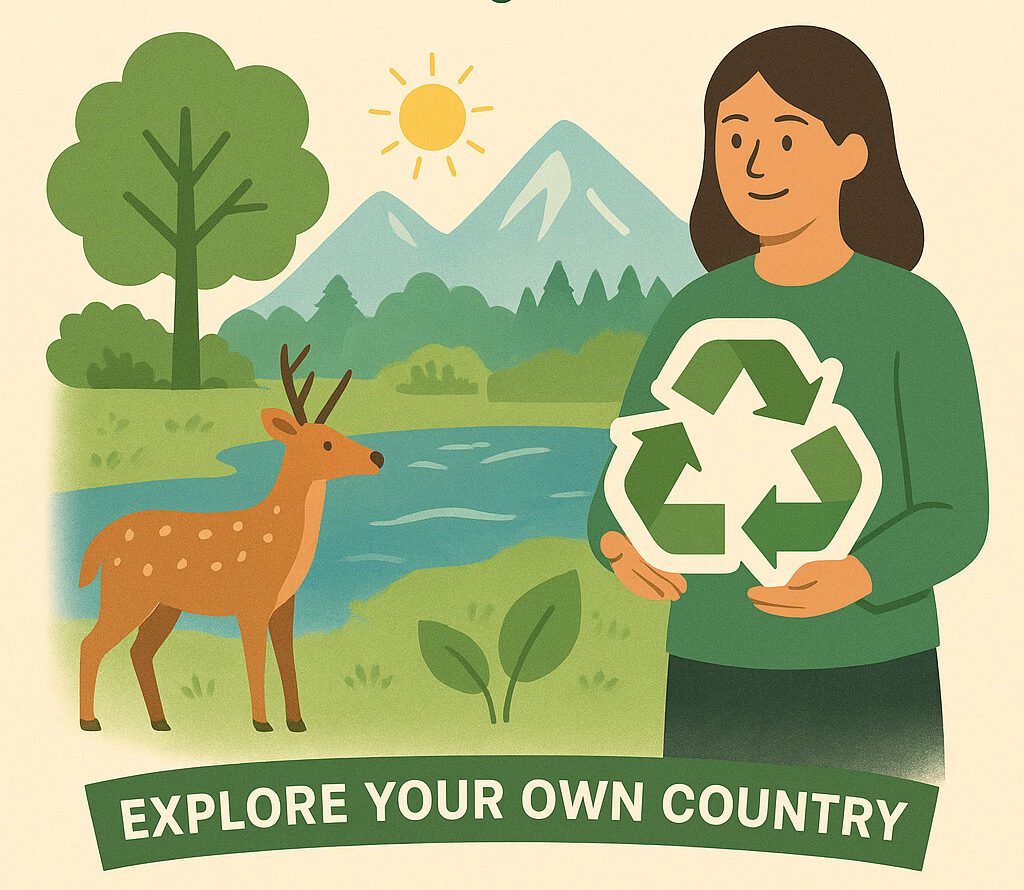
Eco tourism promotes:
-
wildlife protection
-
forest conservation
-
environmental awareness
-
clean travel
If tourism is managed properly, it can help protect nature.
7. Importance
Tourism is very important for many reasons. It is not only about fun. It affects society, economy, and development.
7.1 Tourism is a Major Source of Income
Tourism is one of the largest industries in the world. Many countries earn billions from tourism.
Examples of tourism-based countries:
-
UAE
-
Turkey
-
Thailand
-
Maldives
-
Malaysia
-
France
-
Italy
-
Spain
Tourism supports national growth and development.
7.2 Tourism Improves a Country’s Image
Tourism shows the beauty and culture of a country to the world.
Tourists share:
-
photos
-
videos
-
reviews
-
travel experiences
This improves:
-
international reputation
-
tourism branding
-
global trust
A good tourism image attracts more visitors.
7.3 Tourism Develops Rural and Remote Areas
Tourism helps develop areas far from big cities.
Example:
-
Northern Pakistan (Skardu, Hunza, Swat)
-
mountain villages
-
deserts
-
islands
brings:
-
jobs
-
hotels
-
restaurants
-
roads
-
markets
This improves the lifestyle of local people.
7.4 Tourism Promotes Education and Awareness
Tourism teaches people about:
-
geography
-
history
-
culture
-
nature
-
world lifestyle
It increases knowledge and awareness. Traveling is a great way to learn.
7.5 Tourism Encourages Investment
Tourism attracts investors. When tourism grows, investors build:
-
hotels
-
resorts
-
restaurants
-
malls
-
parks
-
entertainment centers
This creates development and improves facilities.
8. Tourism in Pakistan (Detailed Overview)
Pakistan is one of the most beautiful countries in the world. It has mountains, valleys, deserts, rivers, and historical places. Pakistan also has religious and cultural tourism.
Top tourism attractions in Pakistan
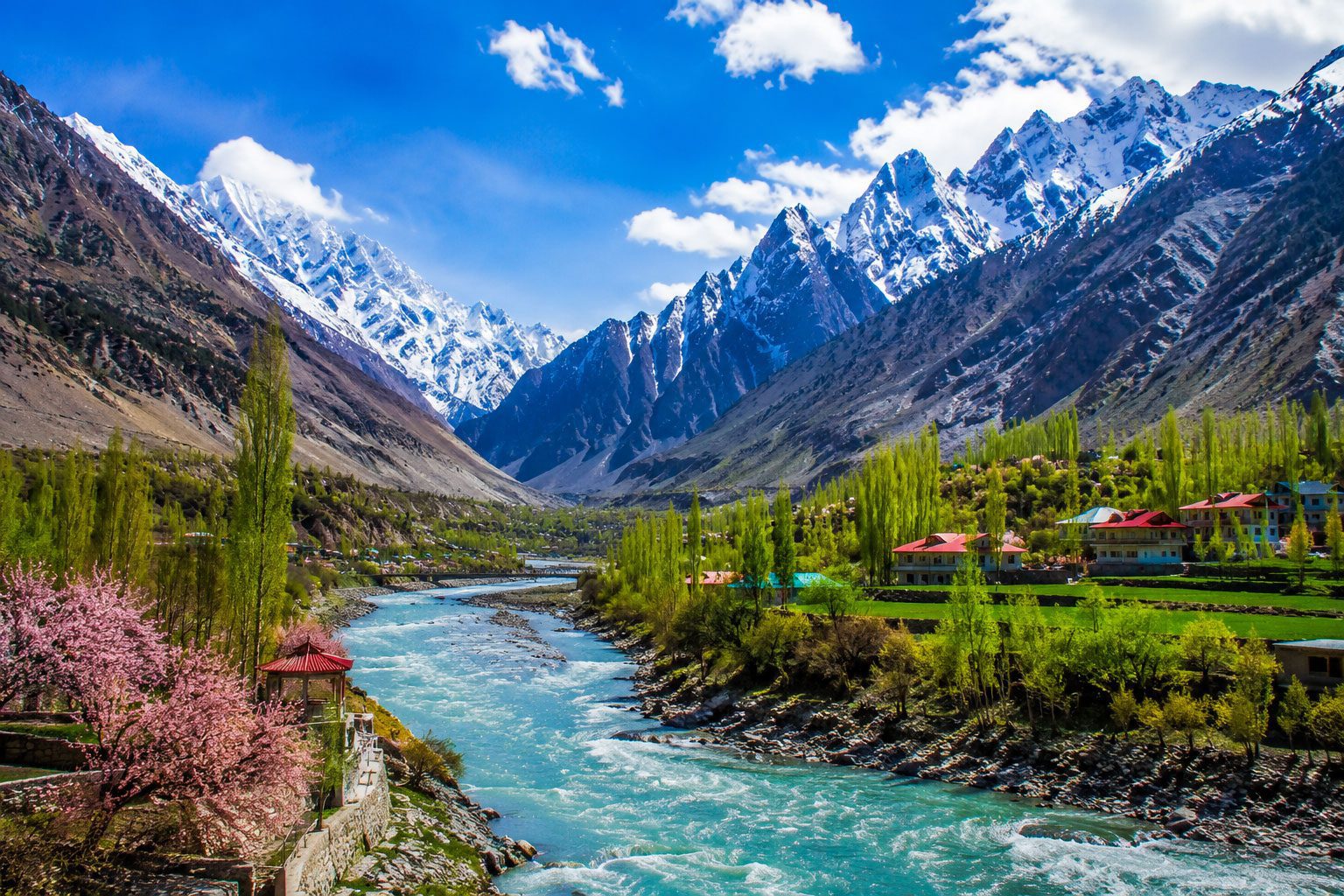
1. Northern Areas
-
Hunza
-
Skardu
-
Gilgit
-
Naran Kaghan
-
Swat
-
Fairy Meadows
These areas are famous for:
-
snow mountains
-
green valleys
-
rivers and lakes
-
adventure tourism
2. Historical Places
-
Mohenjo-Daro
-
Taxila
-
Lahore Fort
-
Badshahi Mosque
-
Rohtas Fort
Pakistan has a rich history that attracts cultural tourists.
3. Religious
Pakistan has important religious places for:
-
Muslims (shrines and mosques)
-
Sikhs (Kartarpur Corridor, Nankana Sahib)
-
Hindus (temples)
Religious tourism is growing in Pakistan.
4. Deserts and Beaches
Pakistan also has:
-
Thar Desert
-
Cholistan Desert
-
Gwadar beaches
-
Karachi beaches
These places attract tourists who love nature and adventure.
9. Disadvantages
Tourism has many benefits, but it also has disadvantages if not managed properly.
Common problems caused
1. Pollution
Tourists may create pollution through:
-
plastic waste
-
littering
-
vehicle smoke
-
noise pollution
2. Overcrowding
Popular places become overcrowded, which causes:
-
traffic problems
-
noise
-
damage to local life
3. Damage to Natural Areas
Tourism can harm:
-
forests
-
lakes
-
mountains
-
wildlife
4. Increase in Prices
Tourism can increase the prices of:
-
food
-
transport
-
hotels
-
rent
This can affect local people.
5. Cultural Disturbance
Sometimes tourism may disturb local traditions due to:
-
disrespectful behavior
-
inappropriate dressing
-
ignoring local rules
10. Responsible Tourism (Why it is Important)
Responsible means traveling in a way that is:
-
respectful
-
eco-friendly
-
helpful for local people
-
safe for nature
How to be a responsible tourist
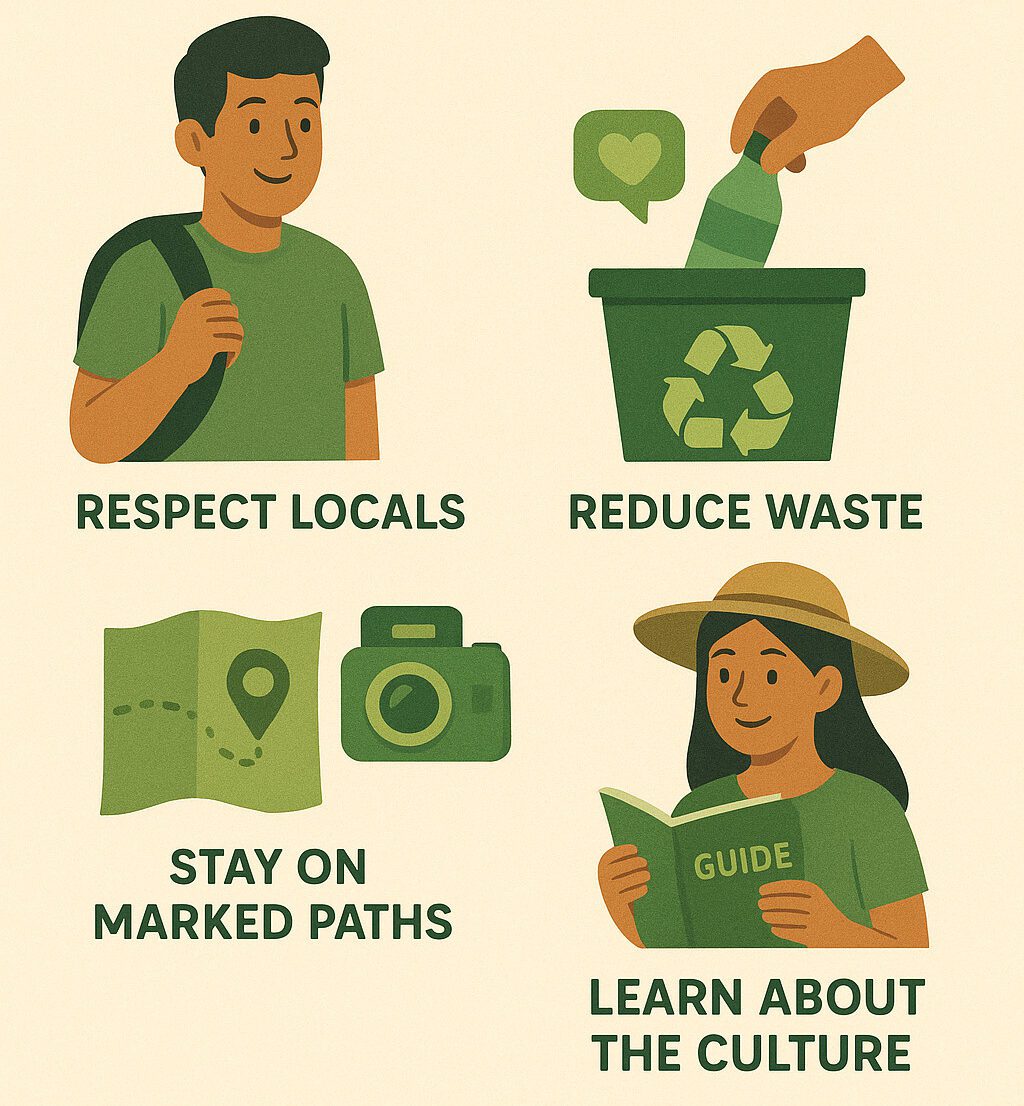
Tourists should:
-
respect local culture and traditions
-
avoid littering and pollution
-
support local shops and businesses
-
use eco-friendly products
-
save water and electricity
-
follow local rules
-
protect wildlife and nature
Responsible makes tourism beneficial for everyone.
11. Future of Tourism
Tourism is changing with time. Modern tourism is becoming:
1. More Digital
People now use:
-
online booking
-
travel apps
-
trip planners
-
Google maps
-
online hotel and flight services
2. More Eco-Friendly
Many travelers now prefer:
-
eco resorts
-
sustainable tourism
-
green travel
3. More Safe and Secure
After global health and safety issues, people want:
-
clean hotels
-
safe transport
-
secure travel
More Personalized
Travelers now like:
-
customized tours
-
personal itineraries
-
unique experiences
FAQs About Tourism
1. What is tourism in simple words?
Tourism means traveling from one place to another for a short time for enjoyment, business, education, or other purposes.
2. What is the main purpose of tourism?
The main purpose of tourism is to relax, explore new places, learn about cultures, and enjoy different experiences.
3. Who is called a tourist?
A tourist is a person who travels away from home and stays in another place for a short period.
4. What are the main types of tourism?
The main types of tourism are domestic tourism, international tourism, inbound tourism, outbound tourism, leisure tourism, and business tourism.
5. What is domestic tourism?
Domestic tourism means traveling within your own country, like visiting another city or tourist place inside your nation.
6. What is international tourism?
International tourism means traveling from one country to another country for holidays, business, or other reasons.
7. What is inbound tourism?
Inbound tourism refers to foreign tourists coming into a country to visit tourist places.
8. What is outbound tourism?
Outbound tourism means people traveling from their own country to another country.
9. What is leisure tourism?
Leisure tourism is traveling for fun, holidays, sightseeing, and relaxation.
10. What is business tourism?
Business tourism means traveling for work purposes like meetings, conferences, and exhibitions.
Conclusion
Tourism is the activity of traveling from one place to another for leisure, business, education, religion, or adventure. It is one of the most important industries in the world. Tourism creates jobs, boosts the economy, supports local businesses, improves infrastructure, and promotes culture and peace.
Tourism is not only about visiting places. It is about learning, experiencing, and connecting with the world. When tourism is managed responsibly, it becomes beneficial for tourists, local people, and the environment.
learn more about this article then vist wikipedia
want to read more article then check this