






Packing smart can make the difference between a smooth, stress-free trip and a frustrating travel experience. Whether you’re heading out for a weekend getaway or a long international journey, knowing how to pack efficiently helps you save time, space, and money. From choosing the right luggage to organizing essentials and avoiding overpacking, these travel tips for packing will help you stay prepared, comfortable, and confident wherever your journey takes you.
Travel Tips for Packing: Master Your Next Trip
Traveling is an exhilarating experience, offering opportunities for new discoveries and cherished memories. However, the excitement can sometimes be overshadowed by the daunting task of packing. Many individuals find themselves wrestling with suitcases, unsure of what to bring or how to fit everything efficiently. Fortunately, mastering the art of smart packing is a skill that can profoundly transform your entire travel experience. These comprehensive travel tips for packing are designed to guide you through every step of the process. Indeed, by implementing these strategies, you will learn to pack smarter, lighter, and far more effectively for any adventure, ensuring a stress-free start to your journey.
The Foundation of Smart Packing: Planning Ahead
Effective and stress-free packing genuinely begins long before you even open your suitcase. A well-thought-out plan serves as the crucial blueprint for a successful packing endeavor. Therefore, dedicating sufficient time to meticulous preparation will undoubtedly save you considerable stress, frustration, and potential last-minute rushes later on.
Know Your Destination & Climate
Understanding the nuances of your destination’s weather patterns and climate is absolutely paramount. Before you even think about clothes, research the average temperatures, humidity levels, and historical precipitation for your travel dates. For instance, a week-long trip to a sun-drenched tropical island in July will demand vastly different items than a winter getaway to the snow-capped mountains of Switzerland. Always check the specific weather forecasts for your departure and arrival dates closer to your trip. Consequently, armed with this vital information, you can select appropriate clothing, outerwear, and specialized gear, avoiding both overpacking for the wrong conditions and being caught unprepared.
Research Activities & Dress Codes
Beyond the weather, carefully consider your planned itinerary and the types of activities you will be engaging in. Will you be attending formal business dinners, exploring ancient ruins, hiking rugged trails, or simply relaxing by a resort pool? Each activity demands specific attire and accessories. Furthermore, be mindful that certain cultures or establishments might have particular dress codes, especially for religious sites or upscale venues. Respecting these local norms is not only polite but also enhances your travel experience. Planning your outfits around your specific activities and anticipated events significantly reduces the likelihood of bringing unnecessary “just in case” items. Create a mental or physical wardrobe capsule based on your schedule.
Make a Comprehensive Packing List
A detailed, itemized packing list is undeniably your best friend in the packing process. Begin creating this list several days, or even weeks, before your actual trip. This proactive approach provides ample time to gather any forgotten items, purchase travel-sized necessities, or do any last-minute laundry. Categorize your list logically: clothing, toiletries, essential documents, medical supplies, electronics, entertainment, and miscellaneous items. As you pack each item, physically check it off your list. This methodical approach not only ensures nothing crucial is left behind but also provides immense peace of mind. Moreover, it effectively prevents last-minute panic and the nagging feeling that you’ve forgotten something important.
Essential Travel Tips for Packing Light and Smart
Once your comprehensive plan is firmly in place, it is time to focus on the physical act of filling your luggage. These practical travel tips for packing are specifically designed to help you maximize every inch of space and minimize the overall weight of your bags, making your journey smoother and more enjoyable.
The Art of Rolling vs. Folding
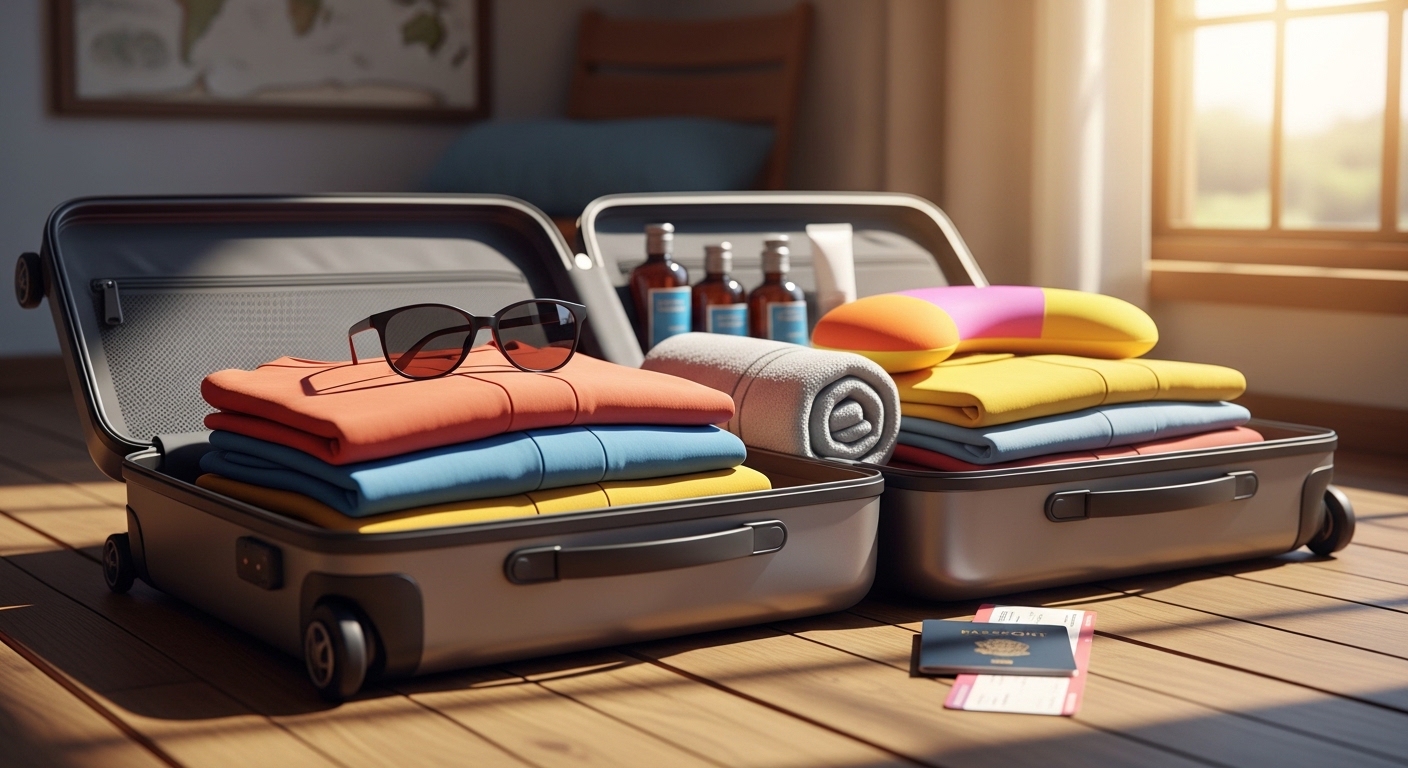
The long-standing debate between rolling and folding clothes continues among seasoned travelers. Rolling clothes tightly into cylindrical shapes can indeed save a surprising amount of space and, for many fabrics, can also help reduce wrinkles by preventing sharp creases. This method works particularly well for casual wear like t-shirts, jeans, and activewear. Conversely, folding might be a better approach for more delicate items, structured garments like blazers, or clothes made from fabrics prone to creasing when rolled. Experiment with both techniques to determine what works best for your specific wardrobe and luggage type. Ultimately, the primary goal is compactness and maintaining the integrity of your garments.
Utilize Packing Cubes
Packing cubes are, without a doubt, game-changers for organized travelers. These zippered fabric containers come in various sizes and are designed to compartmentalize and compress your belongings within your suitcase. They help to neatly organize clothes, creating more usable space by reducing bulk. Furthermore, packing cubes make finding specific items effortless, eliminating the need to rummage through your entire bag. You can use them to separate outfits for each day, categorize different types of clothing (e.g., tops in one, bottoms in another), or even allocate specific cubes for different family members. This system keeps your luggage tidy and makes unpacking at your destination a breeze.
Wear Your Heaviest Items
A simple yet highly effective strategy is to always wear your bulkiest and heaviest clothing items and shoes on your travel days. This includes heavy jackets, winter coats, sturdy boots, or thick sweaters. By doing so, you free up valuable space and reduce significant weight within your checked or carry-on luggage. Additionally, this tactic is particularly helpful in staying within airline weight restrictions, potentially saving you from unexpected baggage fees at the airport. Layering strategically on travel day also helps manage varying temperatures during transit.
Choose Versatile Clothing
Opting for versatile pieces is a cornerstone of smart packing. Select items that can be easily mixed and matched to create multiple outfits. Neutral colors are generally ideal for this purpose, as they pair well with almost anything and can be accessorized to change their look. For example, a single pair of dark jeans or black trousers can be dressed up with a nice blouse or shirt for an evening out, or dressed down with a t-shirt for daytime excursions. Layering is another key technique, allowing you to adapt your wardrobe to changing temperatures throughout the day without packing excessive garments. Think about a core set of items that can be combined in at least three different ways.
Miniaturize Toiletries
Full-sized toiletries are notorious space hogs and add unnecessary weight to your luggage. Instead, purchase travel-sized versions of your essential liquids, creams, and gels. Alternatively, invest in a set of reusable, refillable silicone bottles and decant your preferred products into them. Consider solid alternatives, such as shampoo bars, conditioner bars, and solid deodorant, which take up less space, weigh less, and eliminate the risk of leaks. This strategy is especially vital if you are traveling with only a carry-on bag, as liquids in carry-ons are subject to strict volume restrictions (typically the 3-1-1 rule for liquids).
Pack Smart for Electronics & Chargers
Electronics are an indispensable part of modern travel, but they can quickly clutter your bag. Consolidate chargers by bringing multi-port USB chargers instead of individual wall adapters for each device. Pack a portable power bank for on-the-go charging, especially useful during long layovers or remote excursions. Organize all your cables and small gadgets in a dedicated tech organizer or a small packing cube to prevent tangles and make them easy to find. Consider which devices are truly essential; perhaps your smartphone can serve as your camera, e-reader, and entertainment hub, reducing the need for multiple separate gadgets. Don’t forget universal travel adapters if you’re traveling internationally.
What Not to Pack: Common Packing Mistakes to Avoid
Just as important as knowing what to bring is understanding what to leave behind. Avoiding common packing pitfalls can significantly lighten your load and streamline your journey. Be ruthless in your evaluation of each item.
Overpacking Too Many Outfits
One of the most frequent packing mistakes is bringing too many “just in case” items or an excessive number of outfits. This invariably leads to an unnecessarily heavy and cumbersome bag, which can incur extra baggage fees and make maneuvering through airports a chore. Instead of packing a separate outfit for every single day, plan specific outfits for each major activity or event. Remember, for longer trips, you can often do laundry at your destination, either at a hotel, a local laundromat, or using travel-sized detergent sheets. Be realistic about your daily needs and resist the urge to pack for every conceivable scenario.
Bringing Full-Sized Liquids
As previously highlighted, full-sized liquids are a major culprit for heavy and potentially messy luggage. They are not only weighty and prone to leaks, which can ruin other items in your suitcase, but they are also strictly regulated in carry-on luggage due to security restrictions. Sticking to travel-sized containers or solid alternatives is always the smarter choice. If you absolutely need a larger quantity of a specific product, consider purchasing it at your destination if feasible, or check it in your hold luggage, ensuring it’s securely double-bagged to prevent spills.
Unnecessary Gadgets and Valuables
Before tossing every electronic device you own into your bag, evaluate its true necessity. Do you genuinely need three different cameras (a DSLR, a point-and-shoot, and an action cam) plus a portable speaker, a tablet, and a laptop for a short leisure trip? Your smartphone can often serve multiple purposes, acting as your camera, e-reader, music player, and navigation device. Furthermore, avoid packing expensive or sentimental valuables unless absolutely necessary. The risk of loss, theft, or damage during travel is always present, and it’s better to leave irreplaceable items safely at home.
Special Considerations for Different Trip Types
The ideal packing strategy is rarely one-size-fits-all. Different types of adventures call for tailored approaches to your luggage.
Business Travel Packing
For business trips, the focus shifts towards professionalism, efficiency, and wrinkle-resistance. Pack a core set of professional attire, perhaps a versatile suit or blazer that can be mixed and matched with various shirts, blouses, or trousers. Choose fabrics that resist creasing, such as wool blends or synthetic materials. A portable travel steamer can be an invaluable tool for refreshing garments. Keep important documents, presentation materials, and a laptop easily accessible in a dedicated carry-on bag. Comfort is also key for long travel days, so wear comfortable yet presentable clothing for transit.
Adventure Travel Packing
When embarking on adventure travel, durability, functionality, and protection from the elements are paramount. Pack moisture-wicking fabrics, quick-drying clothing, and sturdy, broken-in footwear appropriate for your activities (e.g., hiking boots, water shoes). A compact first-aid kit, insect repellent, and appropriate sun protection (hat, sunscreen) are essential. Lightweight and multi-functional gear is highly valued, as you will likely be carrying your own load. Prioritize items that can withstand rugged conditions and serve more than one purpose, such as convertible pants or a multi-tool.
Family Travel Packing
Packing for a family requires careful coordination and often a “village” approach. Assign each family member a specific packing cube or a designated section within a larger suitcase to keep belongings organized. Pack plenty of snacks, age-appropriate entertainment (books, small toys, tablets with downloaded content for screen time), and any necessary medications for children. In addition, prepare a separate “day bag” or “activity bag” with immediate essentials like wipes, hand sanitizer, a change of clothes for younger children, and small toys to keep them occupied during transit or outings. Involve older children in packing their own small bags to foster responsibility.
Last-Minute Checks and Organization for a Smooth Departure
Before you finally zip up your bags and head out the door, a final review and organization sweep can prevent last-minute headaches and ensure a smooth departure. These final travel tips for packing ensure nothing is overlooked.
Keep Essentials Accessible
Ensure that critical documents and personal items are not buried at the bottom of your suitcase. Place your passport, wallet, phone, boarding passes (or digital copies), and any immediate travel medications in an easily reachable personal item, such as a small backpack or a crossbody bag. Similarly, any essential toiletries for the flight or first night, or items you might need during transit, should be within arm’s reach. This prevents frantic searching at security checkpoints or upon arrival, making your journey significantly less stressful.
Weigh Your Luggage
Avoid the unwelcome surprise of unexpected baggage fees at the airport by weighing your luggage before you leave home. Invest in a portable luggage scale; they are inexpensive and incredibly useful. Check your airline’s specific weight restrictions for both checked and carry-on bags. If your bags are overweight, adjust the contents by moving heavier items to your personal item or wearing them, or be prepared to pay the fee. This simple step can save you money, time, and stress at the check-in counter, ensuring a smoother start to your trip.
Scan and Backup Important Documents
As a crucial backup measure, create digital copies of all your important documents. This includes your passport, visa, flight and hotel reservations, travel insurance policies, and any critical medical information. Store these securely in the cloud (e.g., Google Drive, Dropbox), email them to yourself, or keep them on a password-protected USB drive. This provides an invaluable safety net in case your physical documents are lost or stolen during your travels, allowing for easier replacement or access to necessary information when you need it most.
Frequently Asked Questions (FAQ)
Q: What are the best travel tips for packing to avoid wrinkles?
A: To minimize wrinkles, consider rolling softer clothes, or using the bundle method for more structured items. Packing cubes can also help keep clothes compressed and neat. Furthermore, choosing wrinkle-resistant fabrics like knits or synthetic blends is highly effective, as they naturally resist creasing during transit.
Q: How can I pack for a week-long trip in just a carry-on?
A: Packing for a week in a carry-on requires strategic planning and ruthless editing. Focus on versatile, mix-and-match clothing, utilize packing cubes for compression, and always wear your bulkiest items on the plane. Miniaturize all toiletries using travel-sized bottles or solid alternatives, and only bring essential electronics. Planning outfits beforehand is key to avoiding overpacking.
Q: Is it better to roll or fold clothes when packing?
A: Both methods have merits, and the best approach often depends on the type of clothing and your personal preference. Rolling clothes tightly can save space and reduce wrinkles for many items, especially casual wear like t-shirts and jeans. Folding, conversely, might be better for delicate garments or structured items like blazers to maintain their shape. Many experienced travelers use a combination of both techniques, often employing packing cubes for added efficiency and organization.
Conclusion
Mastering travel tips for packing is a skill that enhances any journey. By planning meticulously, utilizing smart packing techniques, and consciously avoiding common mistakes, you can significantly reduce travel stress and improve your overall experience. Remember, the ultimate goal is to pack efficiently, ensuring you have everything you need without the burden of excess. Embrace these proven strategies, and you will undoubtedly enjoy a smoother, more organized, and ultimately more enjoyable travel experience every time you embark on a new adventure.
learn more about this article then vist wikipedia
want to read more article then check this