






Planning a driving trip is one of the most exciting ways to explore new destinations, offering freedom, flexibility, and unforgettable experiences along the way. Whether you’re setting out on a weekend getaway or a long-distance road adventure, having a well-planned road map can make all the difference. From choosing the best routes and estimating travel time to finding scenic stops, fuel stations, and rest areas, smart planning ensures a smooth and stress-free journey. In this ultimate guide to planning a driving trip, you’ll discover practical tips, essential tools, and expert advice to help you create the perfect road trip itinerary and enjoy every mile of the drive.
Planning a Driving Trip: Your Ultimate Road Map to Adventure
Embarking on a driving trip promises freedom and discovery. However, the success of any great road adventure hinges significantly on thorough preparation. Indeed, the process of planning a driving trip can transform a potentially stressful journey into an unforgettable experience. This comprehensive guide will walk you through every crucial step, ensuring your next road trip is smooth, safe, and filled with cherished memories. Therefore, investing time upfront will undoubtedly pay dividends on the open road.
The Foundation: Why Planning a Driving Trip is Essential
Effective planning provides a solid framework for your journey. It mitigates unexpected issues and allows you to truly enjoy the spontaneity that road trips often offer. Consequently, a well-thought-out plan is your best travel companion.
Setting Your Vision and Destination
Before anything else, define the essence of your trip. What kind of experience do you seek? Are you aiming for a relaxing coastal drive, a rugged mountain expedition, or a cultural tour through historic towns? Clearly, your vision will dictate many subsequent decisions. Choose your primary destination and any key stops you wish to make along the way. Consider the time of year as well; weather conditions significantly impact routes and activities. For instance, mountain passes might be closed in winter, while coastal areas can be very hot in summer. Therefore, research specific seasonal considerations.
Establishing Your Budget
Financial planning is a cornerstone of any successful driving trip. A clear budget prevents overspending and reduces stress. Begin by estimating major expenses:
- Fuel Costs: This is often the largest variable. Use online calculators to estimate fuel consumption based on your vehicle’s MPG and the total distance. Consider price fluctuations.
- Accommodation: Will you camp, stay in hotels, or use vacation rentals? Book in advance, especially during peak seasons, to secure better rates. Alternatively, consider more flexible options like spontaneous motel stays.
- Food and Drink: Budget for meals, snacks, and beverages. Eating out frequently adds up quickly, so packing a cooler with essentials can save money.
- Activities and Attractions: Account for entrance fees to national parks, museums, or other points of interest. Some attractions require advance booking.
- Contingency Fund: Always allocate an extra 10-15% of your budget for unforeseen circumstances, such as vehicle repairs or unexpected detours. Moreover, this buffer provides peace of mind.
Crafting Your Route: Navigating the Open Road
Once your vision and budget are set, the next critical step in planning a driving trip is mapping out your route. This involves more than just plugging addresses into a GPS.
Choosing Your Path: Scenic vs. Direct
Decide whether your priority is reaching your destination quickly or enjoying the journey itself. Scenic routes often involve slower speeds and longer travel times but offer breathtaking views and unique stops. Conversely, direct routes prioritize efficiency, which is ideal if you have limited time. Therefore, balance speed with experience based on your trip’s goal.
Mapping Tools and Apps
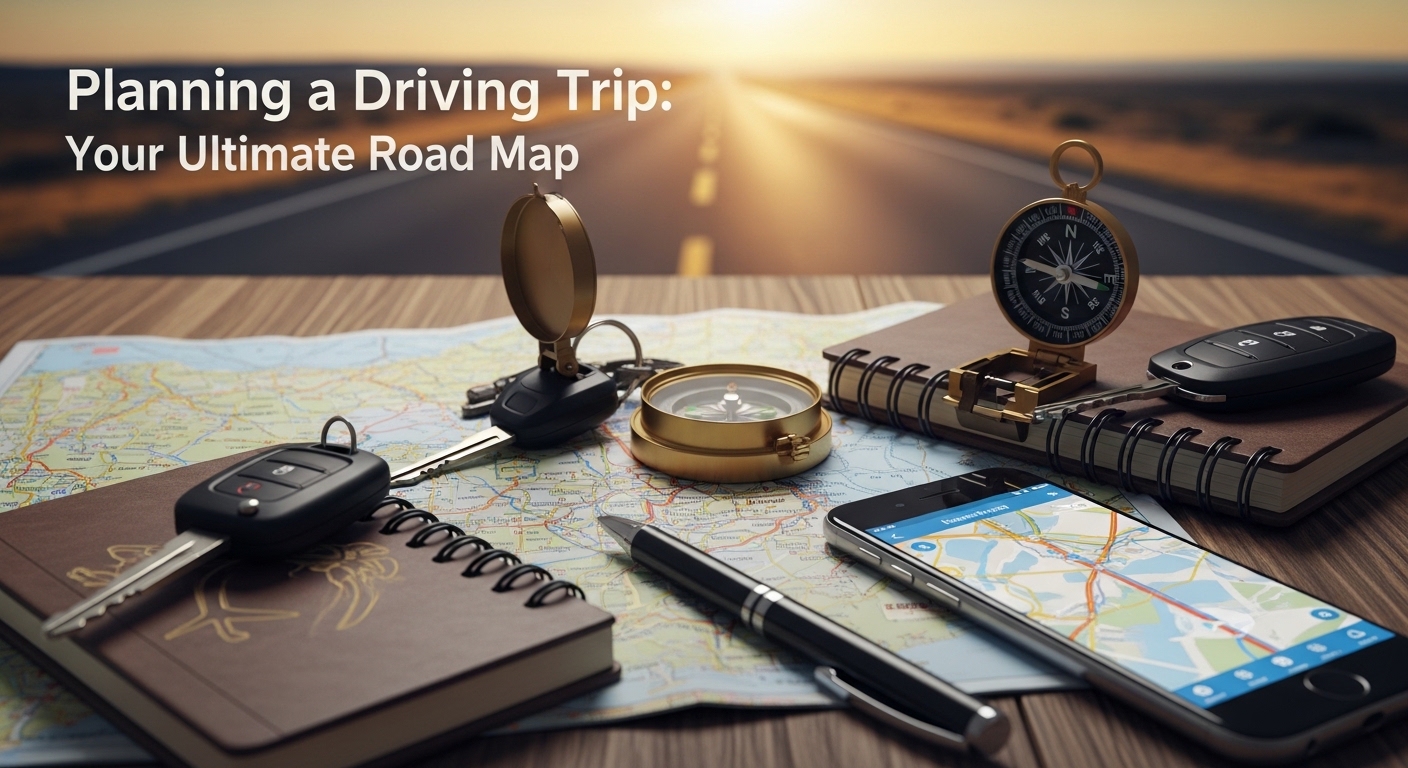
Modern technology makes route planning incredibly easy. Utilize tools like Google Maps, Waze, or Apple Maps for real-time traffic updates, estimated travel times, and points of interest. Furthermore, consider downloading offline maps for areas with limited cell service. Traditional paper maps can also be a reliable backup, particularly in remote regions.
Considering Stops and Attractions
Integrate interesting stops into your itinerary. Look for national parks, quirky roadside attractions, charming small towns, or local eateries. These breaks not only add enjoyment but also prevent driver fatigue. Consequently, research unique local spots beforehand.
Drive Times and Breaks
Be realistic about how much driving you can comfortably do each day. Most experts recommend limiting driving to 6-8 hours daily, with frequent breaks every 2-3 hours. This strategy ensures everyone remains refreshed and safe. Moreover, factor in time for meals, stretching, and sightseeing. Over-scheduling can lead to exhaustion and diminish the fun of the trip.
Vehicle Preparation: Ensuring a Smooth Journey
Your vehicle is your most important companion on a driving trip. Therefore, ensuring it is in peak condition is paramount.
Pre-Trip Maintenance Checklist
Before you hit the road, perform a thorough check or have a mechanic inspect your vehicle:
- Tires: Check tire pressure (including the spare) and tread depth. Rotate tires if needed.
- Fluids: Top off engine oil, coolant, brake fluid, and windshield washer fluid. Clearly, these are vital for performance.
- Brakes: Ensure brakes are in good working order. Listen for any unusual sounds.
- Lights: Test headlights, tail lights, turn signals, and brake lights.
- Wipers: Replace worn wiper blades for clear visibility in all weather conditions.
- Battery: Check battery terminals for corrosion and ensure it holds a charge. A dying battery is a common roadside issue.
Emergency Kit Essentials
Prepare an emergency kit for unexpected situations. This should include:
- First-aid kit
- Jumper cables
- Basic tool kit (wrench, screwdriver)
- Flashlight with extra batteries
- Roadside flares or reflective triangles
- Bottled water and non-perishable snacks
- Blanket or emergency foil blanket
- Portable phone charger
Documentation and Insurance
Ensure all your vehicle documents are in order and easily accessible. This includes your driver’s license, vehicle registration, and proof of insurance. Furthermore, verify that your insurance policy covers you for the entire duration and distance of your trip. Consider adding roadside assistance if you don’t already have it; this can be a lifesaver in an emergency.
Packing Smart: What to Bring for Your Driving Trip
Efficient packing prevents clutter and ensures you have everything you need without overpacking. This is a crucial aspect of planning a driving trip.
Clothing and Personal Items
Pack versatile clothing suitable for various weather conditions. Layers are always a good idea. Don’t forget toiletries, medications, and any personal comfort items. A small, easily accessible bag for overnight stays can be very convenient, preventing you from unpacking your entire luggage each night.
Food and Snacks
Pack a cooler with drinks, fresh fruit, sandwiches, and healthy snacks. This saves money and ensures you have sustenance during long stretches between towns. Clearly, a well-fed traveler is a happy traveler. Bring reusable water bottles to reduce plastic waste and stay hydrated.
Entertainment and Navigation
Load up your devices with music, podcasts, audiobooks, or movies for passengers. Don’t forget chargers and power banks. While GPS is invaluable, consider having a physical map or a downloaded offline map as a backup. Books, travel journals, and games can also enhance downtime.
Comfort Items
Make your ride more comfortable with items like pillows, blankets, sunglasses, and a good playlist. A trash bag for waste keeps your car tidy. Furthermore, comfortable shoes are essential, especially if you plan on walking or hiking during stops.
Safety First: Staying Secure on the Road
Safety should always be a top priority when planning a driving trip.
Driver Fatigue Management
Fatigue is a major risk factor for accidents. Share driving responsibilities if possible. Take regular breaks to stretch, walk around, and re-energize. If you feel drowsy, pull over to a safe spot and rest or nap. Clearly, pushing through fatigue is dangerous.
Roadside Assistance and Communication
Ensure your phone is fully charged and you have a way to contact help in an emergency. Keep important phone numbers (e.g., family, insurance, roadside assistance) easily accessible. Inform someone of your route and estimated arrival times, especially if traveling alone or through remote areas. Moreover, consider carrying a satellite messenger for truly off-grid adventures.
Security Measures for Stops
When stopping for gas, food, or overnight stays, be mindful of your surroundings. Lock your vehicle, keep valuables out of sight, and park in well-lit areas. If staying in hotels, use deadbolts and keep your room key secure. Vigilance is key to preventing theft and ensuring personal safety.
Enjoying the Journey: Maximizing Your Road Trip Experience
Ultimately, a driving trip is about the experience. While planning is crucial, allow room for flexibility.
Flexibility and Spontaneity
Do not over-schedule your trip. Leave some room for spontaneous detours to interesting places you discover along the way. Some of the best memories are often made from unexpected adventures. Therefore, embrace the unknown.
Capturing Memories
Bring a camera or use your phone to capture the beautiful landscapes, unique roadside attractions, and precious moments with your travel companions. Consider keeping a travel journal to document your experiences, thoughts, and discoveries. These mementos will be cherished for years to come.
Staying Connected (or Disconnected)
Decide if you want to stay connected to the digital world or embrace a digital detox. While GPS and communication are important, sometimes disconnecting allows you to immerse yourself more fully in the experience. Establish boundaries for screen time to maximize engagement with your surroundings and companions. Ultimately, strike a balance that suits your travel style.
FAQs – Planning a Driving Trip
1. How do I plan a driving trip efficiently?
Start by choosing your destination and mapping out the best route using online route planners. Consider travel time, road conditions, rest stops, and attractions along the way. Planning ahead helps avoid delays and makes the journey more enjoyable.
2. What is the best route planner for a road trip?
Popular route planners include Google Maps, Waze, and dedicated road trip planning tools. These apps provide real-time traffic updates, alternative routes, fuel stations, and estimated arrival times.
3. How far should I drive each day on a road trip?
Most travelers find 6–8 hours of driving per day comfortable. This allows time for breaks, meals, sightseeing, and rest without feeling exhausted.
4. What should I check before starting a driving trip?
Before leaving, check your vehicle’s tires, brakes, oil, lights, and fuel level. Also ensure your documents, insurance, navigation apps, and emergency kit are ready.
5. How can I save money on a driving trip?
To save money, plan fuel-efficient routes, book accommodations in advance, pack snacks, and avoid peak travel times. Using apps to track fuel prices can also reduce costs.
6. What are the essential items to pack for a road trip?
Essential items include navigation tools, phone chargers, first-aid kit, snacks, water, sunglasses, emergency supplies, and comfortable clothing.
7. How do I stay safe during a long driving trip?
Take regular breaks, avoid driving while tired, follow speed limits, and keep an eye on weather conditions. Always have a backup navigation option in case of poor signal.
8. Can I plan a driving trip with multiple stops?
Yes, many route planners allow you to add multiple stops. This helps you organize sightseeing, overnight stays, and meal breaks efficiently.
9. What’s the best time to start a road trip?
Early mornings are ideal as roads are less crowded, traffic is lighter, and you can make better progress during the day.
10. Why is route planning important for a driving trip?
Route planning saves time, reduces fuel costs, improves safety, and helps you discover scenic routes and attractions you might otherwise miss.
Learn more about Solo Travelers vist wikipedia
want to read more article then check this