







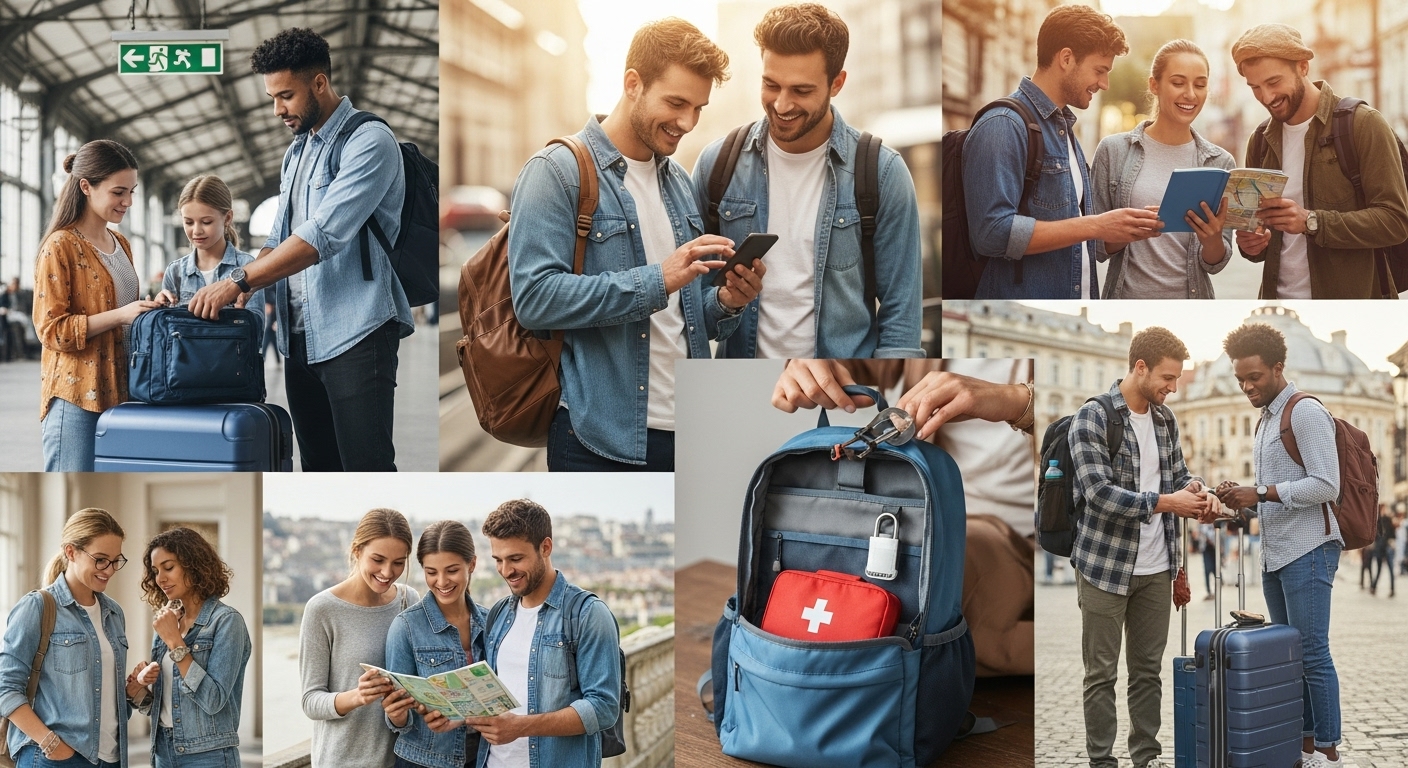
Travel Safety Tips: Your Essential Guide to Secure Journeys
Embarking on an adventure is an exhilarating experience, offering opportunities for discovery and personal growth. However, ensuring your well-being throughout your travels is paramount. Understanding and implementing effective travel safety tips can significantly enhance your experience, helping you navigate unfamiliar environments with confidence and peace of mind. This comprehensive guide provides essential advice, from pre-trip preparations to on-the-ground precautions, ensuring your journey remains safe and memorable.
Preparing for a Safe Trip: Pre-Departure Travel Safety Tips
Thorough preparation is the first line of defense against potential travel mishaps. Before you even pack your bags, several crucial steps can mitigate risks.
Research Your Destination Thoroughly
Knowledge is power, especially when traveling. Therefore, research your destination extensively. This includes understanding local laws, cultural norms, political climates, and any areas to avoid. Furthermore, check for current travel advisories issued by your government. For instance, some regions might have higher petty crime rates, while others could pose health risks. Being informed helps you make smarter decisions.
Share Your Itinerary and Emergency Contacts
Always share your detailed travel itinerary with a trusted family member or friend. This ensures someone knows your whereabouts and can act if they don’t hear from you. In addition, compile a list of emergency contacts, including local embassy information, emergency services numbers, and your travel insurance provider. Keep this list accessible, both digitally and as a physical copy.
Secure Your Documents and Finances
Protecting your vital documents is non-negotiable. Make photocopies or digital scans of your passport, visa, driver’s license, and credit cards. Store these separately from the originals. Consider using a money belt or a secure neck wallet for cash and cards. Moreover, notify your bank and credit card companies of your travel plans to prevent transaction holds. Carrying a mix of payment methods, including some local currency, is also a wise approach.
Invest in Comprehensive Travel Insurance
Travel insurance is a critical component of any responsible trip. It provides a safety net for unexpected events, such as medical emergencies, trip cancellations, lost luggage, or even personal liability. Carefully review policy details to ensure adequate coverage for your specific travel plans and activities. Ultimately, the peace of mind it offers is invaluable.
Staying Safe While Traveling: On-the-Ground Travel Safety Tips
Once you’ve arrived at your destination, maintaining vigilance and adopting smart habits are key to a secure journey.
Protect Personal Belongings and Valuables
Keeping your belongings safe is a constant concern for travelers. Firstly, use luggage with secure locks and avoid flashy items that might attract unwanted attention. Secondly, when out and about, keep your bag in front of you in crowded areas. Thirdly, never leave your valuables unattended, whether at a cafe or on the beach. Furthermore, consider leaving expensive jewelry or electronics at home if they are not essential.
Maintain Situational Awareness
Being aware of your surroundings is perhaps one of the most effective travel safety tips. Avoid distractions like constant phone use, which can make you an easy target. Observe local behavior and try to blend in. Trust your instincts; if a situation or person feels off, it probably is. Therefore, remove yourself from uncomfortable situations promptly.
Prioritize Transportation Safety
Choosing safe transportation is vital. When using taxis, opt for licensed and reputable services. Verify the driver’s identity and ensure the meter is used or agree on a fare beforehand. For public transport, research safe routes and times. Avoid hitchhiking entirely. If renting a car, always inspect its condition and understand local driving laws. Moreover, ensure you have roadside assistance details.
Secure Your Accommodation
Your chosen accommodation should be a sanctuary. Before booking, read reviews about safety and location. Upon arrival, check that your room’s locks are functional. Use the peephole before opening the door. Keep your room door locked at all times, even when inside. Additionally, utilize the hotel safe for passports, extra cash, and other valuables. Never openly display expensive items in your room.
Prioritize Health and Medical Precautions
Health is a fundamental aspect of travel safety. Consult your doctor about necessary vaccinations and pack a basic first-aid kit. This should include any prescription medications, pain relievers, and antiseptic wipes. Be cautious with food and water; drink bottled water and ensure food is cooked thoroughly. Furthermore, know the location of the nearest medical facility.
Practice Digital Safety and Cybersecurity
In an increasingly connected world, digital safety is as important as physical safety. Avoid using public Wi-Fi for sensitive transactions. Instead, use a VPN or your mobile data. Keep your devices password-protected. Be wary of phishing scams or unsolicited emails. Moreover, back up important data to a cloud service before you leave.
Specific Scenarios: Advanced Travel Safety Tips
Certain travel situations require additional vigilance and specific precautions.
Solo Travel Safety
Solo travelers should be extra cautious. Share your daily plans with someone reliable. Avoid walking alone at night in unfamiliar areas. Furthermore, trust your gut feelings about people and places. Always have a backup plan and know your escape routes. Engaging with locals can be enriching, however, always prioritize your personal safety above all else.
Night Travel and Socializing
Exploring at night can be exciting, but it carries higher risks. Stick to well-lit, populated areas. Be mindful of your alcohol consumption to maintain full awareness. Never accept drinks from strangers. If you’re out late, arrange for safe transportation back to your accommodation. Likewise, inform someone of your plans if you’re meeting new people.
Handling Emergencies
Despite all precautions, emergencies can happen. Know how to contact local emergency services. Carry a charged phone and a portable power bank. If you find yourself in a difficult situation, stay calm and assess your options. Seek assistance from your embassy or consulate if you lose your passport or face legal issues. Remember, your safety is the top priority.
FAQs
1. Why are travel safety tips important for every traveler?
Travel safety tips help reduce risks related to crime, health issues, accidents, and emergencies. By following proper safety guidelines, travelers can protect their belongings, maintain their health, and respond effectively to unexpected situations, ensuring a smoother and more enjoyable journey.
2. What should I research before traveling to a new destination?
Before traveling, you should research local laws, cultural customs, crime rates, health risks, weather conditions, and government travel advisories. Understanding these factors allows you to avoid unsafe areas, respect local traditions, and make informed decisions throughout your trip.
3. Is travel insurance really necessary?
Yes, travel insurance is essential. It provides financial protection in case of medical emergencies, trip cancellations, lost luggage, or travel delays. Without insurance, unexpected incidents can lead to significant expenses and stress while abroad.
4. How can I keep my documents safe while traveling?
You should carry original documents securely and keep photocopies or digital scans stored separately. Using hotel safes, money belts, and password-protected cloud storage helps ensure your passport, visa, and identification remain protected.
5. What are the best ways to stay safe in crowded places?
In crowded areas, keep bags zipped and in front of you, avoid displaying valuables, and stay alert to your surroundings. Limiting distractions such as excessive phone use can significantly reduce the risk of pickpocketing or theft.
Calculation
Travel safety can be understood as a combination of preparation, awareness, and response. For example, if a traveler invests time in pre-trip planning (40%), including research and insurance, maintains on-ground vigilance (40%) through situational awareness and secure behavior, and prepares for emergency response (20%), the overall travel safety effectiveness significantly increases. When all three elements work together, the likelihood of major travel risks is reduced, resulting in a safer and more confident travel experience. In short, the more effort placed into preparation and awareness, the higher the level of personal safety achieved during the journey.
If you’re ready to grow your online presence, don’t hesitate contact UDM Creative today!
Want to get more information and then checkout these links.