







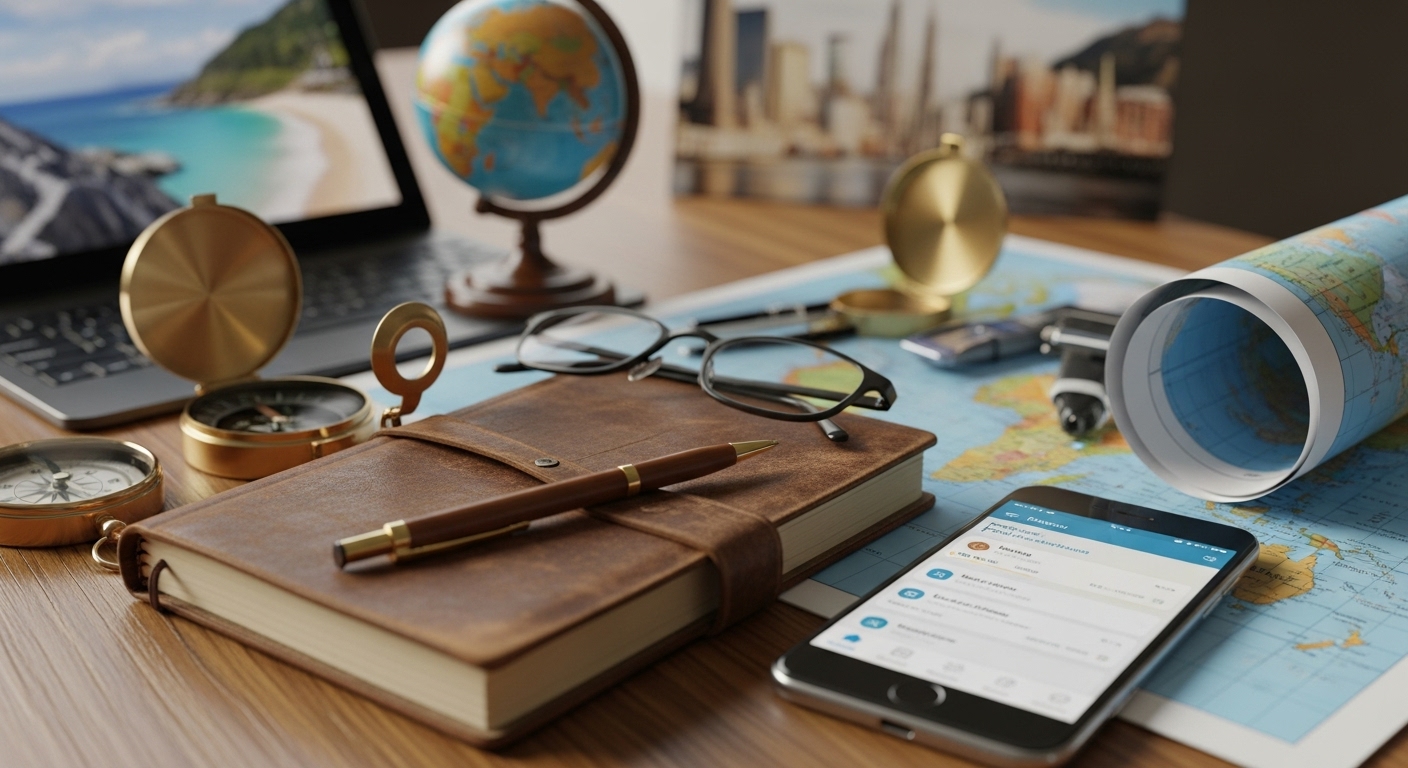
Travel Planning Tools and Resources: Your Ultimate Guide to Seamless Journeys
Embarking on any journey, whether for business or leisure, demands careful preparation. Fortunately, a vast array of travel planning tools and resources are available today, transforming what once was a daunting task into an enjoyable and efficient process. These digital platforms and traditional methods empower travelers to meticulously organize every detail, ensuring a smooth, memorable, and stress-free experience. Effective planning saves time, optimizes expenditures, and significantly reduces travel anxieties. This comprehensive guide will explore the most essential tools and resources, helping you navigate the complexities of modern travel from initial inspiration to on-the-ground navigation, ensuring your next trip is meticulously planned and flawlessly executed.
Essential Digital Travel Planning Tools and Resources
The digital age has fundamentally revolutionized how we plan trips. A multitude of innovative online platforms and indispensable mobile applications now serve as crucial travel planning tools and resources. These digital aids offer unparalleled convenience, providing instant access to real-time information and personalized options at your fingertips, simplifying every stage of your journey.
Flight and Accommodation Search Engines
Finding the most competitive deals on flights and hotels is often the first and most critical step. Powerful search engines aggregate data from countless providers, presenting a comprehensive overview.
- Skyscanner, Google Flights, Kayak: These platforms are highly effective for comparing flight prices across various airlines, routes, and dates. They offer flexible date searches, price alerts, and multi-city routing options. Many include “explore” features to inspire destinations within your budget.
- Booking.com, Expedia, Agoda: For accommodation, these extensive sites provide vast listings of hotels, hostels, apartments, and guesthouses globally. They facilitate filtering by price, amenities, location, and guest reviews, helping you find the perfect stay.
- Airbnb, Vrbo: For unique stays or extended trips, vacation rental platforms are ideal. They connect travelers with local hosts, offering diverse properties from cozy studios to expansive villas. These options often provide more space and an authentic local immersion.
Itinerary Planners and Organizers
Once primary bookings are confirmed, systematic organization of daily activities becomes crucial. Dedicated itinerary planners assist in structuring your trip logically.
- TripIt, Wanderlog: These applications automatically generate a master itinerary by importing confirmation emails for flights, hotels, and car rentals. They consolidate all critical travel details into one accessible location, often incorporating real-time flight status updates and sharing options with companions.
- Google Maps, Apple Maps, Sygic: Beyond navigation, these mapping tools are vital for planning routes between attractions, estimating travel times, and discovering points of interest. You can save locations, craft custom maps, and download offline maps for regions with limited internet access, proving invaluable for on-the-ground exploration.
Leveraging Technology for Seamless Bookings and Management
Modern technology extends beyond simple searches; it actively facilitates an integrated approach to managing all travel logistics. Astutely utilizing advanced features within various travel planning tools and resources ensures greater efficiency and control.
Budgeting Tools
Prudent financial management is paramount for any successful trip. Specialized tools assist in meticulously tracking expenses and diligently adhering to your predetermined budget.
- TravelSpend, Trail Wallet: These user-friendly applications empower you to log every expense, categorize transactions, and automatically convert currencies. They offer a transparent, real-time overview of your financial outlay, preventing inadvertent overspending. Hence, you can enjoy your travel experience without persistent financial anxieties.
- Spreadsheets (Google Sheets, Excel): For a more personalized and customizable approach, a well-structured spreadsheet can be exceptionally effective. You can create distinct categories for flights, accommodation, food, and activities, allocating specific budgets accordingly. This method offers unparalleled flexibility and complete mastery over your travel finances.
Communication and Safety Apps
Maintaining connectivity and ensuring personal safety are absolutely paramount, especially when venturing internationally.
WhatsApp, Signal, Telegram:** These widely adopted messaging applications offer free and secure communication over Wi-Fi, essential for contacting family, friends, or local contacts. They dramatically reduce international roaming charges. Consider a *Virtual Private Network (VPN) service to enhance security on public Wi-Fi networks.
- Local Emergency Numbers & Embassy Information: It is imperative to have these critical contact details readily accessible. Government travel advisory websites and dedicated apps provide this crucial information. For instance, the Smart Traveler Enrollment Program (STEP) for U.S. citizens offers valuable alerts and assistance.
Beyond Bookings: Enhancing Your Travel Experience
Truly effective travel planning tools and resources extend beyond logistics; they are instrumental in enriching the entire journey itself. From bridging language barriers to unearthing invaluable local insights, these diverse resources prepare you for a deeper, more meaningful engagement with your chosen destination.
Language Translation Tools
Successfully overcoming language barriers can profoundly enhance your overall travel experience.
- Google Translate, Microsoft Translator: These advanced applications offer instantaneous text, voice, and even image translation capabilities. They are incredibly practical for comprehending menus, deciphering street signs, and engaging in basic conversations with locals. Consequently, cross-cultural communication becomes significantly more accessible. However, be mindful that direct translations may sometimes miss cultural nuances.
- Phrasebooks: For fundamental interactions and as a dependable backup, a traditional phrasebook remains an exceptionally reliable resource. Learning even a few polite key phrases in the local language is universally appreciated and can foster warmer interactions.
Local Discovery and Activity Planners
Discovering authentic and unique local experiences is a primary highlight for many discerning travelers.
- TripAdvisor, Foursquare, Yelp: These platforms provide a treasure trove of reviews and recommendations for local restaurants, captivating attractions, and diverse activities. They offer invaluable insights from fellow travelers, empowering you to make well-informed choices.
- Viator, GetYourGuide, Klook: These specialized websites excel in facilitating the booking of tours, engaging excursions, and unique local experiences. You can conveniently pre-book everything from cooking classes to comprehensive guided city tours, ensuring availability and frequently securing more favorable prices.
- Local Blogs, Forums, and Social Media Groups: For truly authentic and often overlooked recommendations, actively seek out local blogs, online forums, or dedicated social media groups specific to your destination. These often unveil hidden gems and current local happenings that larger platforms might miss, offering an insider perspective.
Offline and Traditional Travel Planning Resources
While the digital realm increasingly dominates, certain traditional and offline resources steadfastly retain their invaluable utility. These resources frequently offer a depth of reliability and comprehensive detail that digital platforms sometimes cannot fully replicate.
Guidebooks
Classic printed guidebooks continue to provide an unparalleled wealth of meticulously curated information.
- Lonely Planet, Rough Guides, Fodor’s: These comprehensive books offer in-depth cultural insights, rich historical context, detailed maps, and expertly curated recommendations for accommodation, dining, and activities. They are particularly advantageous for understanding a destination prior to arrival and serve as an indispensable offline reference. Moreover, they often include practical sections on useful phrases and local etiquette.
Travel Agents
Despite the pervasive rise of DIY online planning, professional travel agents continue to offer substantial value, particularly for intricate trips or for those seeking expert, personalized advice.
- Personalized Service: Experienced agents provide bespoke recommendations tailored to your preferences, handle complex bookings, and frequently access exclusive deals. They significantly save time and offer invaluable peace of mind, especially when unforeseen issues arise. They prove indispensable for orchestrating multi-country tours, specialized adventure travel, or luxury cruises.
Word-of-Mouth Recommendations
Never underestimate the profound power and authenticity of personal connections.
- Friends and Family: Actively solicit recommendations from individuals within your network who have previously visited your chosen destination. Their firsthand experiences furnish unique insights, invaluable practical tips, and often lead to discovering genuine local treasures that no online tool can fully replicate, paving the way to memorable experiences.
Tips for Maximizing Your Travel Planning Efficiency
To effectively harness the full potential of these diverse travel planning tools and resources, integrate these proven best practices into your preparatory routine.
Start Early
Initiating your planning process well in advance consistently allows for securing better deals and ensures broader availability. Flights and accommodations are almost invariably more affordable when booked several months ahead. This proactive approach also grants ample time for thorough research and itinerary adjustments.
Be Flexible
Cultivating flexibility with your precise travel dates and even your specific destination can frequently lead to substantial financial savings. Utilizing “flexible date” search options on most flight aggregators can reveal significantly cheaper travel periods. Sometimes, shifting your trip by a single day or two yields remarkable discounts.
Consolidate Information
Establish one central, easily accessible location – whether a dedicated travel app like TripIt or a meticulously organized Google Doc – to securely store all booking confirmations, essential addresses, contact numbers, and important documents. This ensures everything is readily available.
Read Reviews Diligently
While traveler reviews are helpful, it is crucial to always read a diverse range of them to gain a balanced perspective. Look for consistent themes, both positive and negative, across multiple reviews to make truly informed decisions. Photos contributed by other travelers provide a more realistic view.
Consider Travel Insurance
Unexpected events can disrupt even the best-laid plans. Comprehensive travel insurance offers vital financial protection against trip cancellations, medical emergencies, lost luggage, and unforeseen interruptions. It provides invaluable peace of mind, particularly for complex international trips.
Pack Smart
Thoroughly research your destination’s climate and cultural norms to pack appropriately and efficiently. Utilizing packing lists can be immensely helpful, and considering minimalist packing helps you avoid excess baggage fees and hassle. Many apps incorporate smart packing list generators.
Learn Basic Local Phrases
Beyond translation apps, making an effort to learn a few basic phrases in the local language demonstrates respect and can significantly enhance your interactions with locals. This small gesture often leads to more welcoming responses and richer cultural exchanges.
Conclusion
The landscape of travel has been profoundly transformed by an incredible array of travel planning tools and resources. From sophisticated digital platforms that streamline flight and accommodation bookings to traditional guidebooks offering deep cultural insights, these resources empower travelers to craft personalized, efficient, and enriching journeys. By strategically utilizing these tools, travelers can navigate complexities, manage budgets effectively, enhance safety, and discover authentic experiences. Ultimately, thoughtful planning not only reduces stress but also allows for a more immersive and enjoyable adventure, making every trip a truly unforgettable one.
Frequently Asked Questions (FAQ)
Q1: What are the most essential digital travel planning tools for a beginner?
A1: For beginners, essential digital tools include flight search engines like Skyscanner or Google Flights, accommodation booking sites such as Booking.com or Airbnb, and itinerary planners like TripIt or Wanderlog. These platforms cover the fundamental aspects of finding deals and organizing your trip details efficiently.
Q2: How can I ensure I get the best deals on flights and hotels?
A2: To secure the best deals, start planning and booking well in advance. Be flexible with your travel dates, as even a day or two can significantly impact prices. Utilize price comparison websites and set up price alerts for your desired flights or accommodations. Additionally, consider traveling during off-peak seasons.
Q3: Are traditional guidebooks still relevant with so many online resources available?
A3: Yes, traditional guidebooks like Lonely Planet or Fodor’s remain highly relevant. They offer curated, in-depth cultural context, historical information, and reliable recommendations that online resources sometimes lack. They are particularly useful for offline reference, providing a comprehensive overview and a deeper understanding of your destination without relying on internet access.
If you’re ready to grow your online presence, don’t hesitate contact UDM Creative today!
Want to get more information and then checkout theselinks.