





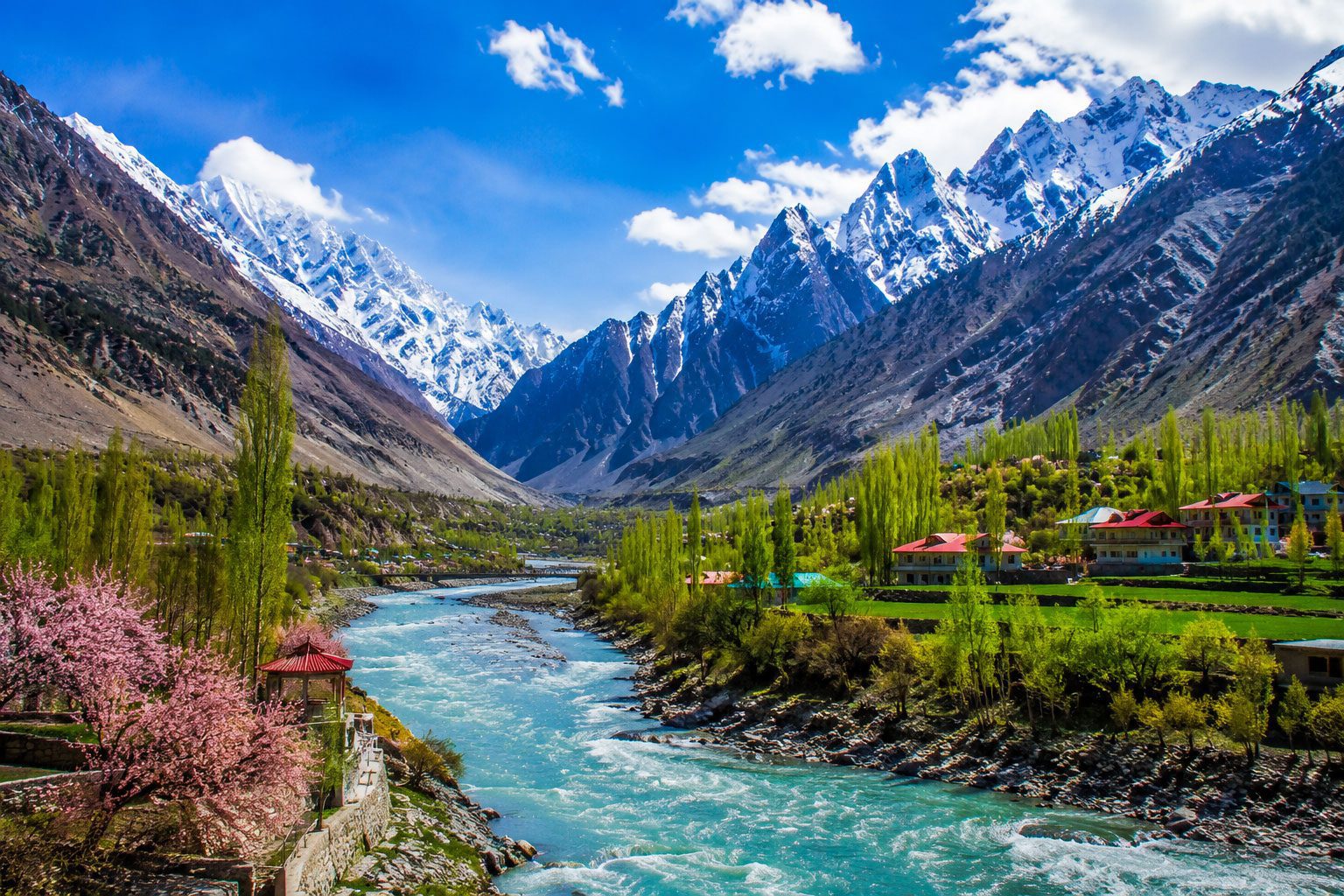

Pakistan is a land full of rich history, culture, and stunning architecture. While many travelers often visit popular landmarks, few know about the hidden historical attractions in Pakistan that truly capture the country’s ancient charm. From forgotten forts to secret ruins, these lesser-known sites tell fascinating stories of the past. Exploring them not only gives you a unique travel experience but also helps you understand Pakistan’s diverse heritage.
Moreover, these secret gems are often less crowded, allowing visitors to enjoy history in peace. For instance, while everyone knows about Lahore Fort or Mohenjo-Daro, several smaller forts, shrines, and archaeological sites remain largely unexplored. Visiting these places provides an authentic glimpse into the country’s rich past, far from the usual tourist trails.
In this article, we will guide you through 10 hidden historical attractions in Pakistan that you must visit. Each location has its own unique story, architecture, and cultural significance. Whether you are a history enthusiast, a traveler seeking adventure, or someone curious about Pakistan’s heritage, these sites offer something special. By the end of this guide, you will have a list of fascinating places to explore that most travelers overlook.
Lahore Fort – A Hidden Historical Attraction in Pakistan
Lahore Fort, also known as Shahi Qila, is one of the most iconic historical landmarks in Pakistan. However, beyond the main tourist areas, there are hidden corners and lesser-known halls that many visitors overlook. These areas reflect the grandeur of Mughal architecture and reveal intricate details that tell stories of royal life. The fort is filled with beautiful frescoes, stunning gates, and secret chambers that were once used for defense and royal administration.
Exploring these hidden areas gives a sense of walking through history. Unlike crowded tourist spots, these sections allow visitors to experience the fort quietly and reflect on its cultural importance. Furthermore, the fort’s surrounding gardens and walls have unique inscriptions and designs, showing the artistic excellence of the Mughal era. Visiting Lahore Fort as one of the hidden historical attractions in Pakistan gives travelers a rare opportunity to enjoy both beauty and history away from the usual crowds.
Mohenjo-Daro – Ancient Civilization’s Secret Gem
Mohenjo-Daro is a UNESCO World Heritage Site, famous for being one of the world’s earliest cities. While it is well-known, many of its smaller ruins are often ignored by casual visitors. These parts, which include streets, residential blocks, and drainage systems, reveal the ingenuity of the Indus Valley Civilization. Walking through these areas gives an unmatched experience of discovering history firsthand.
Interestingly, the site also includes artifacts that tell the story of trade, culture, and daily life thousands of years ago. Because most tourists stick to the main structures, exploring the lesser-known sections offers a sense of discovery. For history lovers, Mohenjo-Daro is undoubtedly one of the most fascinating hidden historical attractions in Pakistan. The site’s preserved bricks and ancient layouts provide a unique window into urban planning in ancient times.
Derawar Fort – A Desert Treasure
Derawar Fort, located in the Cholistan Desert, is a massive square fortress with 40 imposing bastions. Although the fort itself is visible from a distance, most travelers do not explore its interior or the surrounding desert villages. The fort has a rich history, dating back to the 9th century, and it has witnessed multiple dynasties ruling over this region.
Walking inside the fort, visitors can see old barracks, walls with faded paintings, and secret chambers once used for defense. The desert surrounding Derawar adds to the fort’s mystique, making it an ideal location for photographers and adventurers. By visiting Derawar, travelers can enjoy one of the hidden historical attractions in Pakistan that combines architecture, history, and desert landscapes in a unique way. Moreover, local guides often share stories about ancient battles and royal families, adding depth to the experience.
Rohtas Fort – Mughal and Afghan Legacy
Rohtas Fort, near Jhelum, is another lesser-visited gem of Pakistan. Constructed in the 16th century by Sher Shah Suri, it was meant to defend against Mughal invasions. The fort is known for its massive walls, strategically placed gates, and defensive architecture. While many people visit the main sections, few explore the narrow corridors, hidden gates, and towers that showcase the fort’s military genius.
The surrounding landscape enhances the fort’s charm, providing panoramic views of hills and rivers. Rohtas Fort remains a prime example of how defense and architecture were combined in the past. For travelers searching for hidden historical attractions in Pakistan, this fort offers both adventure and learning. In addition, guided tours can uncover stories of historical battles, making the visit more engaging.
Makli Necropolis – The Silent Storyteller
Makli Necropolis in Sindh is one of the largest historical cemeteries in the world. Spread over 10 square kilometers, it houses hundreds of tombs and monuments dating back to the 14th century. Although it is an impressive site, it remains underexplored compared to other heritage spots. Each tomb tells a story of the rulers, saints, and poets who shaped Sindh’s history.
Walking among the tombs, visitors notice intricate carvings, calligraphy, and stonework that are both artistic and symbolic. Many of the tombs are tucked away in quiet areas, which makes exploring them feel like uncovering a hidden chapter of Pakistan’s history. Visiting Makli Necropolis as a hidden historical attraction in Pakistan provides an unforgettable experience for anyone fascinated by art, culture, and history. The serene atmosphere allows travelers to reflect on the past while admiring the craftsmanship.
Chakwal’s Katas Raj Temples – Forgotten Spiritual Heritage
The Katas Raj Temples in Chakwal are ancient Hindu temples that hold great religious and historical significance. While the temples are known locally, many tourists are unaware of their importance and architectural beauty. These temples, dating back centuries, are surrounded by a sacred pond, and each structure tells stories of rituals and devotion from the past.
Exploring the temples, visitors can see intricate stone carvings and inscriptions that highlight the region’s spiritual and cultural history. The peaceful environment makes it one of the most intriguing hidden historical attractions in Pakistan. Additionally, learning about the legends and myths associated with these temples adds depth to the visit, making it an enriching experience for travelers interested in both history and spirituality.
Faisalabad’s Lyallpur Museum – A Historical Gem in the City
While Faisalabad is known for its industrial significance, the Lyallpur Museum is a hidden historical attraction in Pakistan that often gets overlooked. The museum preserves artifacts, photographs, and documents that reflect the city’s evolution from colonial times to modern Pakistan. Each exhibit tells a story about local traditions, culture, and the development of the region over the centuries.
Visitors can explore old manuscripts, traditional clothing, and tools that highlight Faisalabad’s rich history. Additionally, temporary exhibitions often showcase regional crafts and heritage, making every visit unique. By including Lyallpur Museum in your travel plan, you gain insight into a part of Pakistan’s history that most travelers ignore. The museum not only educates but also inspires curiosity about the city’s past and cultural heritage.
Harappa – An Ancient Indus Valley Civilization Site
Harappa, like Mohenjo-Daro, is a key site of the Indus Valley Civilization, yet many visitors miss its smaller ruins and artifacts. These hidden historical attractions in Pakistan offer a closer look at ancient urban planning, trade systems, and lifestyle. Walking through the less-visited sections, travelers can see remnants of residential areas, granaries, and public spaces that date back thousands of years.
Moreover, Harappa provides a unique experience of exploring an ancient city on foot. Archaeologists continue to uncover new findings, making every visit potentially insightful. By visiting Harappa, travelers not only witness ancient history but also connect with one of the earliest civilizations of the world. The combination of history, archaeology, and untouched ruins makes it a must-see for anyone interested in Pakistan’s historical depth.
Ranikot Fort – The Giant Fortress in Sindh
Ranikot Fort, often called “The Great Wall of Sindh,” is an enormous fortress that stretches over 26 kilometers. Surprisingly, it remains one of the hidden historical attractions in Pakistan that many travelers overlook. The fort’s massive walls, ancient gates, and strategic location make it a fascinating site for both history enthusiasts and adventure seekers.
Exploring Ranikot Fort, visitors can wander through secluded areas and discover old bastions that reveal military architecture from centuries ago. The fort’s surroundings, including hills and deserts, enhance its mystique and provide breathtaking views. For photographers and history lovers alike, Ranikot offers a rare opportunity to experience a monumental historical site without the crowds. Visiting this fort is not just a trip through history—it is an adventure that combines exploration, learning, and appreciation for ancient craftsmanship.
Chaukhandi Tombs – Stone Carvings of Sindh
The Chaukhandi Tombs near Karachi are an extraordinary collection of centuries-old graves with unique sandstone carvings. These tombs are one of the most fascinating hidden historical attractions in Pakistan, showcasing the artistic and cultural expression of the region’s past communities. Each tomb is decorated with geometric patterns, inscriptions, and symbolic motifs that reveal the beliefs and traditions of local tribes.
Unlike more popular heritage sites, Chaukhandi Tombs offer visitors a quiet and reflective experience. Walking among these tombs, travelers can observe the fine craftsmanship and understand the historical context behind each structure. Moreover, the tombs’ location, slightly away from urban Karachi, allows visitors to enjoy a peaceful historical journey. This site is ideal for travelers interested in both history and art, offering an insight into a part of Pakistan that is often overlooked.
Rohtas Shah – The Fort of Strategic Importance
Another lesser-known site near Jhelum, Rohtas Shah, combines history, architecture, and strategy. While many tourists visit Rohtas Fort, the surrounding fortifications, small bastions, and secret pathways remain largely unexplored. These hidden historical attractions in Pakistan reveal the fort’s original purpose: defending against invasions while maintaining control over trade routes.
Walking through Rohtas Shah, travelers notice unique gate designs, inscriptions, and defensive architecture. The location offers panoramic views of the surrounding hills and valleys, making it ideal for photography and historical exploration. Visiting these less-traveled areas allows one to appreciate the fort’s design and understand its strategic importance. For those interested in military history and architectural ingenuity, Rohtas Shah is a must-visit hidden gem.
Shahi Hamdan Mosque – Kashmir’s Hidden Treasure
Located in Srinagar, the Shahi Hamdan Mosque is one of the most beautiful yet lesser-known religious sites in Pakistan-administered Kashmir. As one of the hidden historical attractions in Pakistan, it showcases stunning Islamic architecture combined with local Kashmiri craftsmanship. The mosque’s wooden carvings, stone inlays, and serene surroundings make it a peaceful destination for travelers seeking history and spirituality.
Most visitors focus on famous shrines or the Dal Lake area, but exploring Shahi Hamdan Mosque provides a deeper understanding of the region’s historical and religious heritage. Additionally, the mosque’s calm environment allows for quiet reflection, making it a unique experience compared to more crowded historical sites.
Hiran Minar – The Royal Hunting Monument
Hiran Minar, located near Sheikhupura, was built in the 17th century to honor Emperor Jahangir’s beloved pet deer. Though it is not as famous as other Mughal monuments, it stands as one of the hidden historical attractions in Pakistan that reflects royal lifestyle and architectural brilliance. The minar, surrounding water tank, and pavilion highlight Mughal creativity and their love for nature.
Visitors can stroll around the complex, enjoy the peaceful gardens, and appreciate the intricate design details. Hiran Minar offers a unique perspective on Mughal history that is rarely covered in mainstream travel guides. Exploring this site is a must for anyone interested in Pakistan’s lesser-known heritage.
Amb Fort – The Forgotten Hill Fort
Amb Fort, located in Khyber Pakhtunkhwa, is an ancient fortification with links to the Hindu Shahi dynasty. It is largely forgotten by travelers, making it one of the hidden historical attractions in Pakistan. The fort overlooks the Indus River, offering strategic views that were crucial during historical battles.
Though partially in ruins, Amb Fort still conveys the power and authority of its original rulers. Stone walls, carved gateways, and remnants of watchtowers allow visitors to visualize the fort’s historical significance. Exploring Amb Fort provides both adventure and a connection to Pakistan’s early history, making it a rewarding destination for travelers seeking authentic experiences.
Ranikot’s Surrounding Villages – Cultural Insights
Beyond the fort itself, Ranikot’s surrounding villages hold historical significance and local traditions. Visiting these villages gives travelers an opportunity to understand daily life around one of the hidden historical attractions in Pakistan. Local communities often share oral histories, folklore, and traditional practices, giving a more complete picture of the region’s past.
Exploring the villages adds a cultural dimension to the historical visit. Travelers can see traditional crafts, enjoy local cuisine, and interact with residents who maintain centuries-old customs. These experiences make Ranikot not only a fort to visit but also a living historical site that reflects Pakistan’s heritage.
FAQ – Hidden Historical Attractions in Pakistan
Q1: What are the best hidden historical attractions in Pakistan for history enthusiasts?
Some of the best hidden historical attractions in Pakistan include Derawar Fort, Makli Necropolis, Ranikot Fort, Chakwal’s Katas Raj Temples, and Harappa. These sites offer unique experiences with rich historical and architectural significance.
Q2: Are these hidden historical attractions in Pakistan safe for tourists to visit?
Yes, most of these attractions are safe for tourists. It is recommended to hire local guides for remote forts or desert areas to ensure safety and gain better historical insights.
Q3: When is the best time to visit these hidden historical attractions in Pakistan?
The ideal time is usually from October to March when the weather is cooler and more comfortable for exploration. Some desert forts and northern regions are best visited during dry seasons to avoid extreme heat or rainfall.
Conclusion
Pakistan is a country with a rich and diverse history, filled with monuments, forts, temples, and ancient ruins that are often overlooked by travelers. Exploring these hidden historical attractions in Pakistan allows visitors to experience authentic culture, architectural brilliance, and fascinating stories from the past. From the majestic Derawar Fort in the desert to the serene Shahi Hamdan Mosque in Kashmir, each site offers a unique journey through time.
By visiting these lesser-known historical gems, travelers can enjoy quieter, more personal experiences while learning about the nation’s rich heritage. Whether you are an adventurer, a history enthusiast, or someone curious about Pakistan’s culture, these hidden treasures provide memories that last a lifetime. Discovering these sites not only enriches your travel experience but also helps preserve and appreciate Pakistan’s historical legacy for future generations.
Big Shoutout to the guys who made this blog happen UDM
https://triptrial.info/peaceful-hill-stations-to-visit-serene-escapes-await/
https://triptrial.info/best-nature-getaways-for-peace-find-your-serenity/
https://triptrial.info/short-international-trips-on-a-budget-your-guide/
https://triptrial.info/travel-hacks-smart-tips-to-make-every-trip-easier/