






Travel photography drone best practices: Elevate Your Aerial Shots
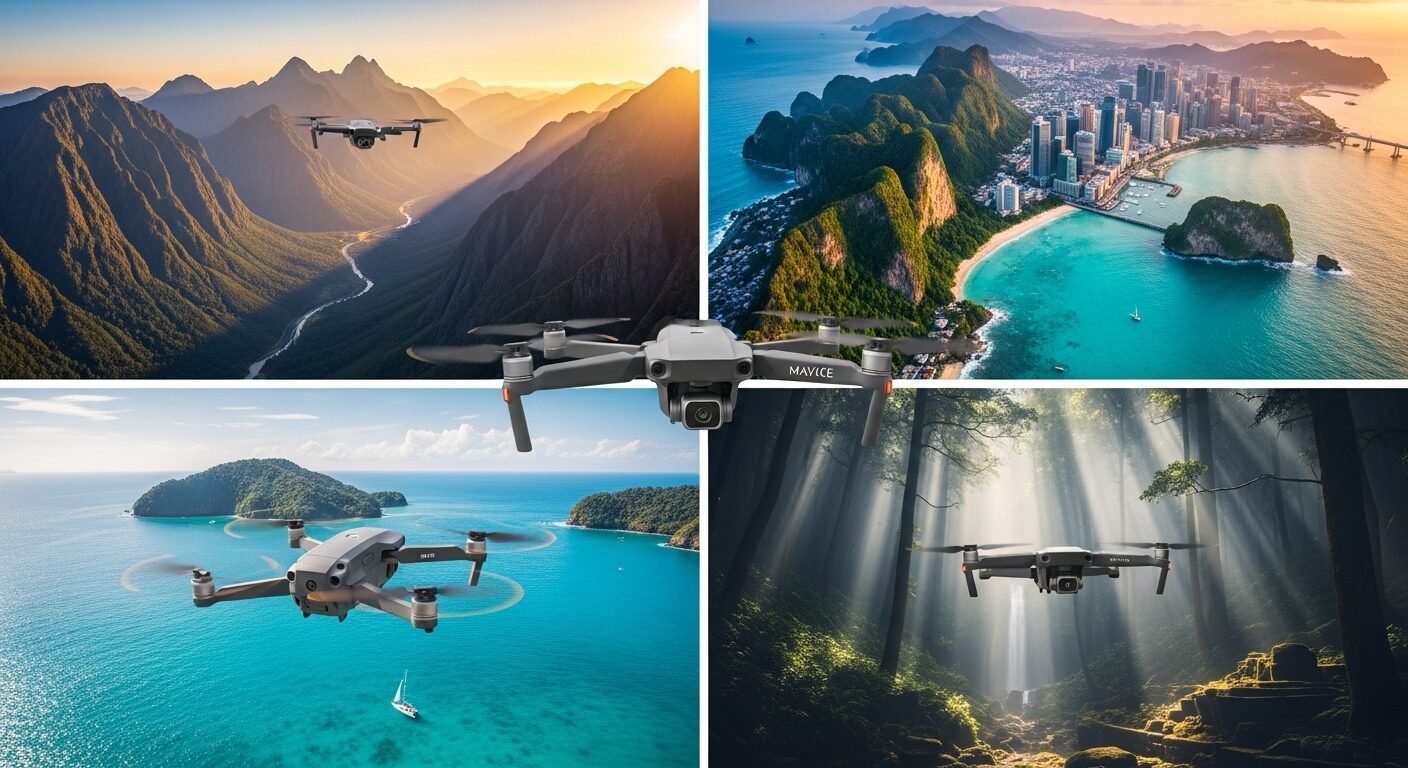
Travel photography has been revolutionized by drone technology. Drones offer unique perspectives, capturing breathtaking landscapes and cityscapes from above. However, mastering travel photography drone best practices is crucial for both safety and stunning results. This comprehensive guide explores essential tips, ranging from meticulous pre-flight checks to advanced post-processing techniques. Ultimately, adhering to these guidelines will significantly enhance your aerial photographic journey, ensuring your images are truly remarkable.
Pre-Flight Planning: The Foundation of Safe Drone Photography
Thorough preparation is paramount before launching your drone. Ignoring this step can lead to lost drones, legal issues, or poor image quality. Therefore, always dedicate time to planning.
Researching Regulations and Airspace
Every country, and often specific regions, has unique drone laws. Prior to traveling, investigate local regulations regarding drone operation. For instance, some areas prohibit drones entirely. Others have strict height limits or no-fly zones around airports, national parks, or private property. Apps like AirMap or B4UFLY provide real-time airspace information. Furthermore, always obtain necessary permits if required. Ignoring these rules can lead to hefty fines or even equipment confiscation.
Weather Assessment
Weather conditions profoundly impact drone flight and image quality. High winds can destabilize your drone, draining battery life and making smooth shots impossible. Rain or snow, moreover, can damage electronics, rendering your drone inoperable. Always check the forecast for wind speed, precipitation, and temperature. Ideally, fly in calm conditions with good visibility. Consider the sun’s position for optimal lighting; golden hour often yields the most dramatic results.
Equipment Check and Battery Management
Before each flight, perform a comprehensive equipment check. Ensure propellers are securely attached and free from damage. Verify that the camera lens is clean and the SD card has sufficient space. Crucially, battery management is vital. Fully charge all drone and controller batteries. Cold weather significantly reduces battery performance; therefore, keep batteries warm before flight in colder climates. Plan your shots to maximize flight time, and always carry spare charged batteries. In addition, calibrate your drone’s compass if you’ve traveled a significant distance or are flying in a new location.
Navigating Legality and Ethics: Essential Travel Photography Drone Best Practices
Responsible drone operation extends beyond technical skills. It encompasses understanding and respecting the environment, local communities, and privacy. These are fundamental travel photography drone best practices.
Respecting Privacy and Local Culture
When flying your drone, be mindful of people’s privacy. Avoid flying over private residences or crowded public spaces without explicit permission. People generally appreciate being asked if you intend to fly nearby. Similarly, be aware of cultural sensitivities. In some cultures, flying a drone might be perceived as intrusive or disrespectful. Always observe local customs and traditions. Ultimately, a respectful approach ensures a positive experience for everyone involved.
Environmental Considerations
Drones can disturb wildlife. Avoid flying near nesting birds, sensitive ecosystems, or protected animal habitats. The noise and presence of a drone can stress animals, potentially disrupting their natural behavior. Furthermore, always ensure your drone is far enough from natural landmarks to prevent any accidental damage or disturbance. Leave no trace; pack out everything you pack in, including any drone debris.
Mastering Flight Techniques for Stunning Visuals
Beyond basic flight, specific techniques elevate your aerial photography from ordinary to extraordinary.
Smooth and Controlled Movements
Jumpy, erratic movements produce jarring footage. Practice smooth, slow, and deliberate controls. Utilize your drone’s cinematic or tripod mode if available. These settings often dampen controls for smoother motion. For instance, when panning, maintain a consistent speed and altitude. Furthermore, experiment with different flight paths: orbiting subjects, revealing shots, or tracking movements.Travel photography drone best practices
Compositional Excellence from Above
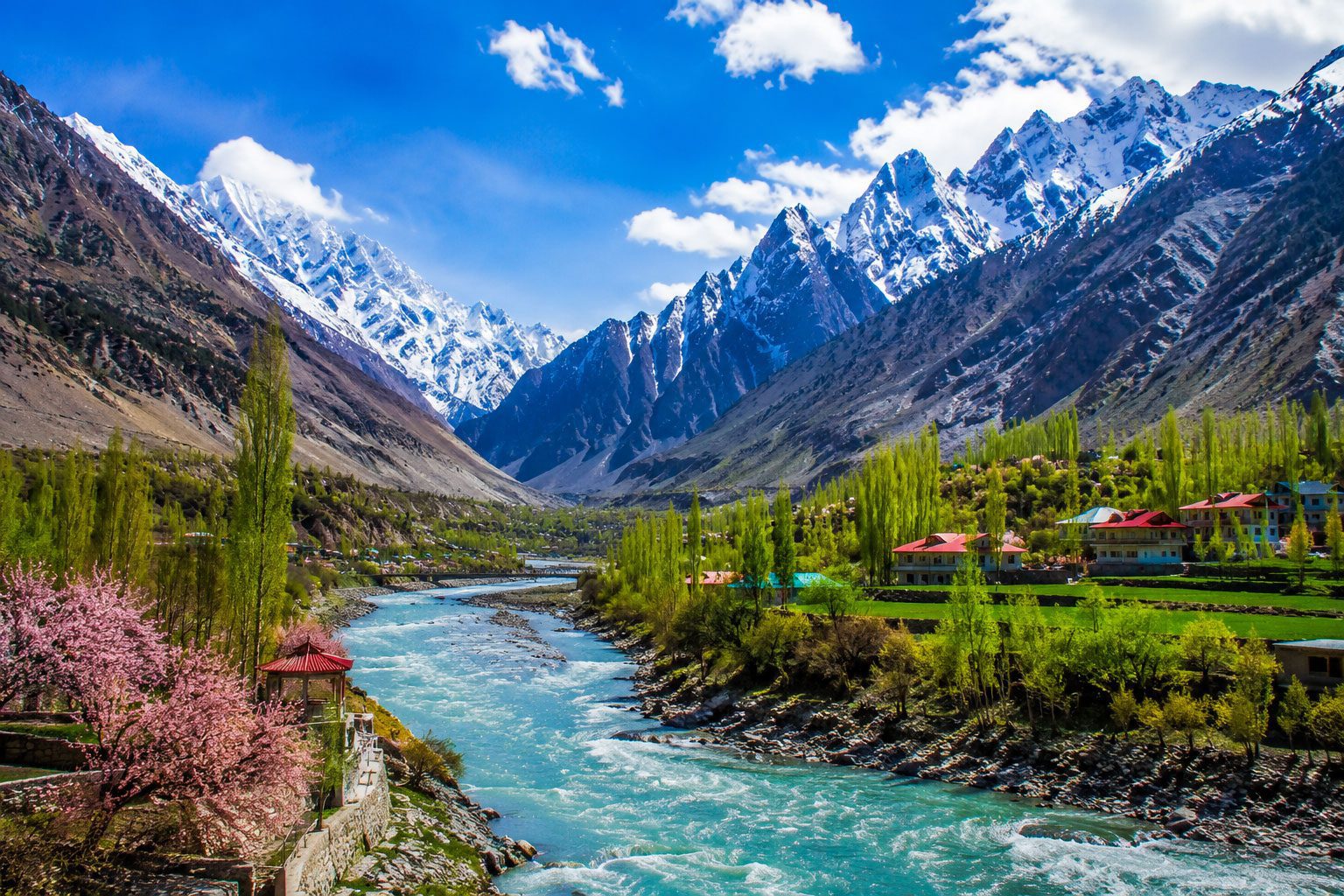
The principles of good photography still apply, even from the sky. Look for leading lines, rule of thirds, symmetry, and patterns that become apparent from an aerial perspective. Consider foreground, middle ground, and background elements to add depth. For example, a winding river can act as a leading line, drawing the viewer’s eye through the landscape. Experiment with different altitudes and angles to discover unique compositions.
Utilizing Intelligent Flight Modes
Modern drones offer intelligent flight modes like ActiveTrack, Point of Interest, or Waypoints. These can automate complex maneuvers, allowing you to focus on camera control and composition. However, always remain vigilant and ready to take manual control if needed. These modes are powerful tools when used judiciously.
Camera Settings and Post-Processing for Impactful Images
Capturing the shot is only half the battle. Optimizing your camera settings and refining images in post-processing are equally vital.
Optimal Camera Settings
- Shoot in RAW: This format retains maximum image data, providing greater flexibility in post-processing. Consequently, you gain more control over edits.
- Manual Mode: Take control of your exposure. Adjust ISO, shutter speed, and aperture (if available) according to lighting conditions. A low ISO minimizes noise, while a faster shutter speed freezes motion.
- ND Filters: Neutral Density (ND) filters reduce the amount of light entering the lens. This allows for slower shutter speeds in bright conditions. As a result, you can create smooth motion blur for water or clouds, enhancing the cinematic feel of your footage.
- White Balance: Set your white balance manually to match the lighting conditions, ensuring accurate colors. This prevents unwanted color casts.
Post-Processing Workflow
Post-processing is where your images truly come to life. Software like Adobe Lightroom or Photoshop allows for significant enhancements. Adjust exposure, contrast, highlights, shadows, and color balance. Correct lens distortions and chromatic aberration. Sharpen your images carefully. For videos, use editing software to cut, color grade, and stabilize footage. Ultimately, a consistent post-processing workflow ensures a polished and professional look across your entire portfolio.Travel photography drone best practices
Gear Maintenance and Travel Tips
Proper care for your drone and accessories ensures longevity and reliable performance on your travels.
Regular Maintenance
After each flight, inspect your drone for any signs of wear or damage. Clean the propellers, camera lens, and sensors. Keep your drone’s firmware updated, as this often includes bug fixes and performance improvements. Store your drone and batteries in a cool, dry place, ideally in a protective case. In addition, regularly back up your footage to external hard drives or cloud storage.Travel photography drone best practices
Packing and Security
When traveling, pack your drone securely. Use a dedicated drone backpack or hard case with custom foam inserts to protect it from bumps and vibrations. Always carry batteries in fire-safe Lipo bags, especially when flying. Check airline regulations for carrying drone batteries; typically, they must be in your carry-on luggage and have specific watt-hour limits. Declare your drone at customs if required, and be aware of import duties. Furthermore, consider drone insurance to protect against accidental damage or loss.Travel photography drone best practices
Adapting to Unforeseen Circumstances
Travel is unpredictable. Be prepared for unexpected weather changes, restricted flight zones, or technical glitches. Always have a backup plan. For instance, if drone flight is impossible, scout for ground-level photography opportunities. Flexibility and problem-solving skills are invaluable for any travel photographer.Travel photography drone best practices
Conclusion
Mastering travel photography drone best practices is essential for capturing breathtaking aerial images while ensuring safe and responsible operation. By diligently planning flights, adhering to legal and ethical guidelines, refining your flight techniques, and optimizing your camera settings and post-processing, you can elevate your travel photography to new heights. Ultimately, consistent maintenance and adaptability will further enhance your drone adventures, allowing you to create truly unforgettable visual stories from unique perspectives.
Frequently Asked Questions (FAQ)
Q: What are the most critical legal considerations for drone travel photography?
A: The most critical legal considerations include researching local drone regulations in every country or region you visit, obtaining necessary permits, and understanding no-fly zones (e.g., around airports, national parks, private property). Always use apps like AirMap to check current airspace restrictions.
Q: How can I ensure my drone batteries last longer during travel, especially in cold weather?
A: To maximize battery life, fully charge all batteries before each flight. In cold weather, keep batteries warm before use by storing them in an insulated bag or close to your body. Plan your shots efficiently to reduce unnecessary flight time, and always carry spare charged batteries.
Q: Is it necessary to use ND filters for drone photography?
A: While not always strictly “necessary,” ND (Neutral Density) filters are highly recommended for drone photography, especially in bright conditions. They reduce the amount of light entering the lens, allowing you to use slower shutter speeds for smoother, more cinematic video footage and to achieve proper exposure in bright sunlight without overexposing.
Want to read more Trip Trial about click here
Big Shoutout to the guys who made this blog happen UDM.




Accessible travel guides: Navigating the World Inclusively - Trip Trial
December 1, 2025[…] Travel photography drone best practices: Elevate Your Aerial… […]
Family travel tips: Your Ultimate Guide to Stress-Free Adventures - Trip Trial
December 1, 2025[…] Travel photography drone best practices: Elevate Your Aerial… […]