







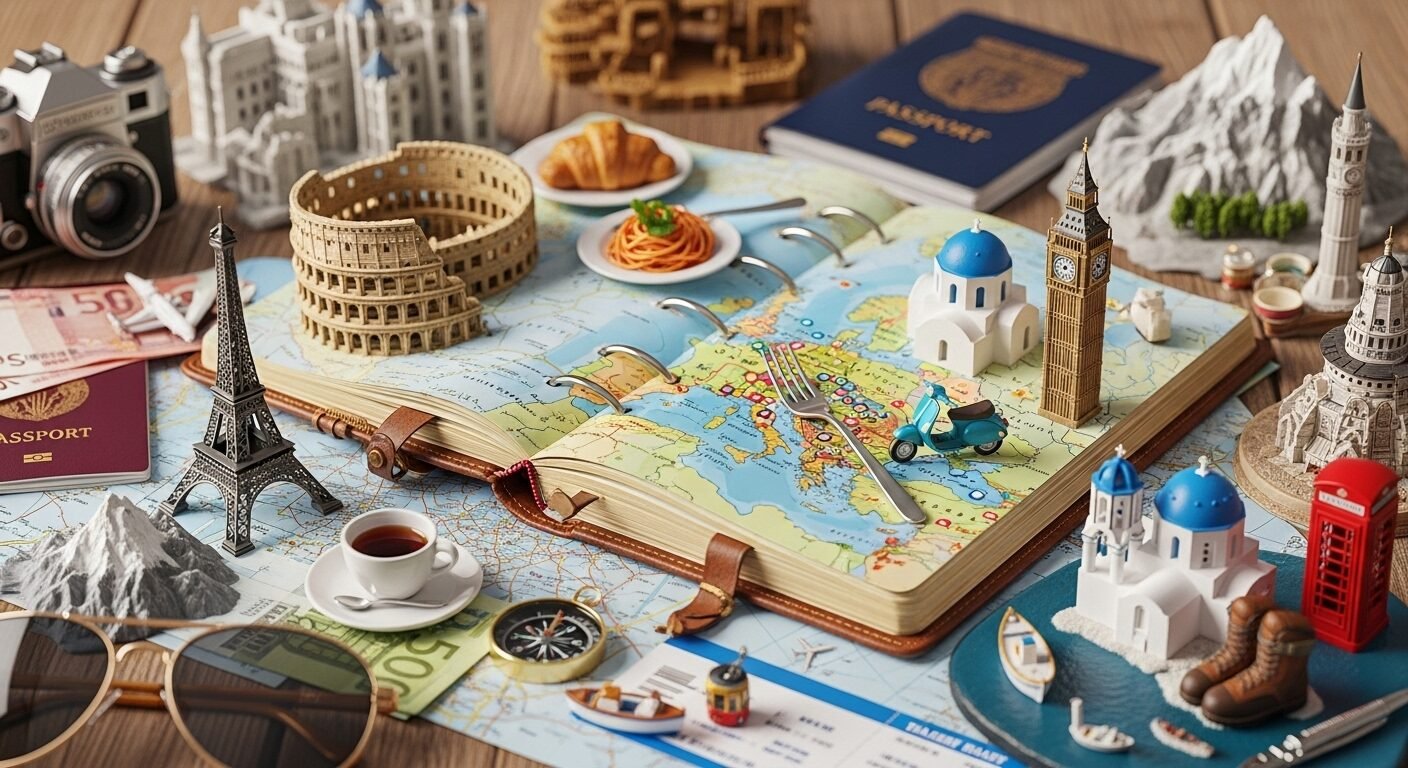
Europe trip planning: Your Ultimate Guide
Embarking on a European adventure is a dream for many, offering a rich tapestry of history, culture, and breathtaking landscapes. However, successful Europe trip planning is paramount to transforming that dream into a seamless and memorable reality. This comprehensive guide will walk you through every crucial step, ensuring you’re well-prepared for an incredible journey across the continent. Indeed, thoughtful preparation minimizes stress and maximizes enjoyment, allowing you to truly immerse yourself in the European experience.
Why Europe Trip Planning is Essential
Effective Europe trip planning is more than just booking flights and hotels; it’s about crafting an experience tailored to your desires and budget. Without a clear plan, you might miss iconic sights, overspend, or encounter unexpected logistical hurdles. Furthermore, a well-structured itinerary can save you valuable time and money while on your trip. Conversely, a lack of planning often leads to rushed decisions and missed opportunities. Therefore, investing time upfront in planning is genuinely worth it.
Initial Steps in Europe Trip Planning
Before you dive into specific bookings, several foundational decisions must be made. These initial steps set the stage for your entire European adventure.
Define Your Travel Style and Budget
Firstly, consider what kind of traveler you are. Do you prefer luxury resorts or budget-friendly hostels? Are you seeking cultural immersion or thrilling outdoor activities? Additionally, your budget will significantly influence your choices. For instance, traveling during the off-season can drastically reduce costs. Create a realistic budget, including estimates for flights, accommodation, food, activities, and a contingency fund. This financial framework will guide all subsequent decisions.
Choose Your Destinations
Europe offers an incredible array of countries and cities, each with its unique charm. Consequently, narrowing down your choices can be challenging. Think about your interests: historical sites, art museums, culinary experiences, or natural wonders. Perhaps you dream of exploring ancient Roman ruins, or maybe you prefer hiking in the Swiss Alps. Consider geographical proximity to minimize travel time between locations. Generally, focusing on a specific region (e.g., Western Europe, Central Europe) for your first trip is advisable.
Best Time to Visit
The timing of your trip profoundly impacts your experience. Summer (June-August) boasts warm weather and vibrant festivals; however, it also brings larger crowds and higher prices. Spring (April-May) and Fall (September-October) offer pleasant weather, fewer tourists, and often more affordable rates. Winter (November-March) can be magical, particularly for Christmas markets or skiing, though some attractions may have reduced hours. Therefore, align your travel dates with your preferences and priorities.
Crafting Your Europe Itinerary
Once you have your destinations and dates, the real work of building your itinerary begins. This stage involves detailing your daily activities and logistics.
Balancing Pace and Sightseeing
It’s tempting to pack every possible attraction into your schedule; however, this often leads to burnout. Instead, aim for a balanced pace. Allow ample time to explore each location without feeling rushed. For example, allocate at least 2-3 full days per major city. Prioritize a few key sights in each place rather than trying to see everything. Remember, travel should be enjoyable, not a race. Thus, flexibility is key.
Considering Transportation
Europe boasts an excellent transportation network. High-speed trains connect major cities efficiently, offering scenic views along the way. Low-cost airlines are also an option for longer distances, though baggage fees can add up. For shorter distances or exploring rural areas, renting a car provides freedom; however, parking and navigating unfamiliar roads require careful consideration. Within cities, public transport like metros, buses, and trams is usually the best way to get around. Therefore, research the most suitable options for each leg of your journey.
Accommodation Choices
Your accommodation significantly impacts your comfort and budget. Options range from luxurious hotels and charming boutique stays to budget-friendly hostels and vacation rentals (e.g., Airbnb). Consider factors like location (proximity to attractions or public transport), amenities, and reviews. Booking accommodation well in advance, especially during peak season, is always recommended. Moreover, staying in a central location can save on daily commuting costs and time.
Essential Booking and Preparation
With your itinerary taking shape, it’s time to finalize bookings and prepare for departure. This phase covers critical administrative and logistical tasks.
Flights and Travel Insurance
Booking your international flights as early as possible often secures better deals. Utilize flight comparison websites to find the best routes and prices. Furthermore, travel insurance is non-negotiable. It protects you against unforeseen circumstances such as trip cancellations, medical emergencies, lost luggage, or travel delays. Consequently, investing in comprehensive travel insurance provides peace of mind throughout your journey.
Visa Requirements and Documents
Check the visa requirements for all countries you plan to visit, based on your nationality. Many countries in Europe are part of the Schengen Area, allowing visa-free travel for certain nationalities for up to 90 days. However, rules can vary, so always confirm. Ensure your passport is valid for at least six months beyond your intended departure date from Europe. Keep copies of all important documents (passport, visa, bookings) both digitally and physically. This precaution is vital in case originals are lost.
Packing Smart for Europe
Packing efficiently is crucial, especially if you plan to move between multiple cities. Generally, aim for versatile, lightweight clothing that can be layered. A universal travel adapter is essential for charging electronics. Consider a comfortable pair of walking shoes, as you’ll likely do a lot of walking. Furthermore, pack a small first-aid kit, any necessary prescription medications, and toiletries. Remember, less is often more when it comes to luggage.
On-the-Ground Tips for a Smooth Journey
Even with meticulous Europe trip planning, being prepared for the practicalities of daily travel will enhance your experience.
Money and Communication
Inform your bank of your travel dates to avoid card issues abroad. While credit cards are widely accepted, carrying some local currency for small purchases or emergencies is wise. Consider a travel-friendly debit card with low international fees. For communication, a local SIM card or an international eSIM can provide affordable data and calls. Many cafes and public spaces offer free Wi-Fi; however, having your own data is more reliable.
Safety and Local Etiquette
Europe is generally safe, but common sense precautions are always advisable. Be aware of your surroundings, especially in crowded tourist areas where pickpocketing can occur. Keep valuables secure and out of sight. Moreover, familiarize yourself with basic local customs and etiquette. Learning a few phrases in the local language.