


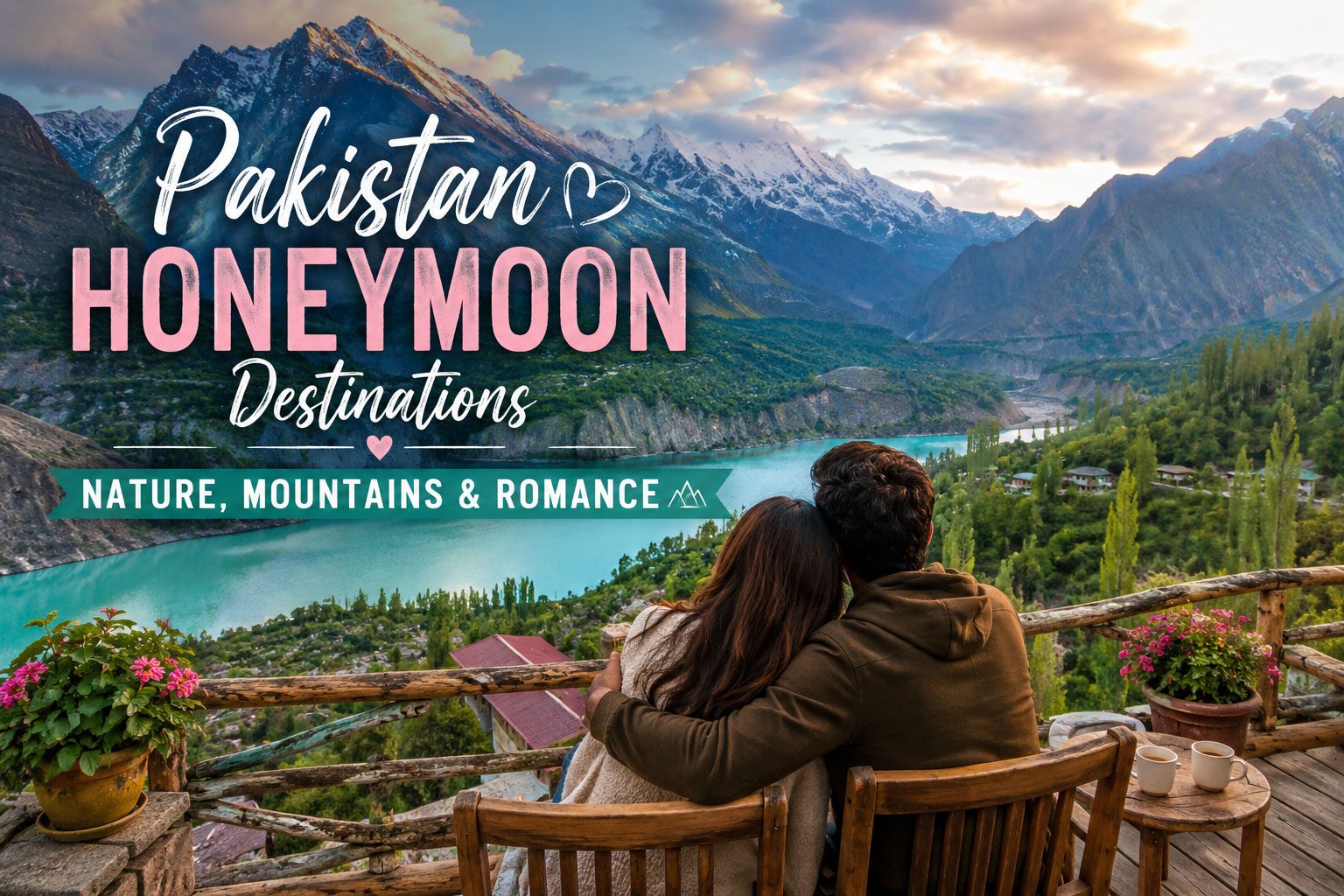
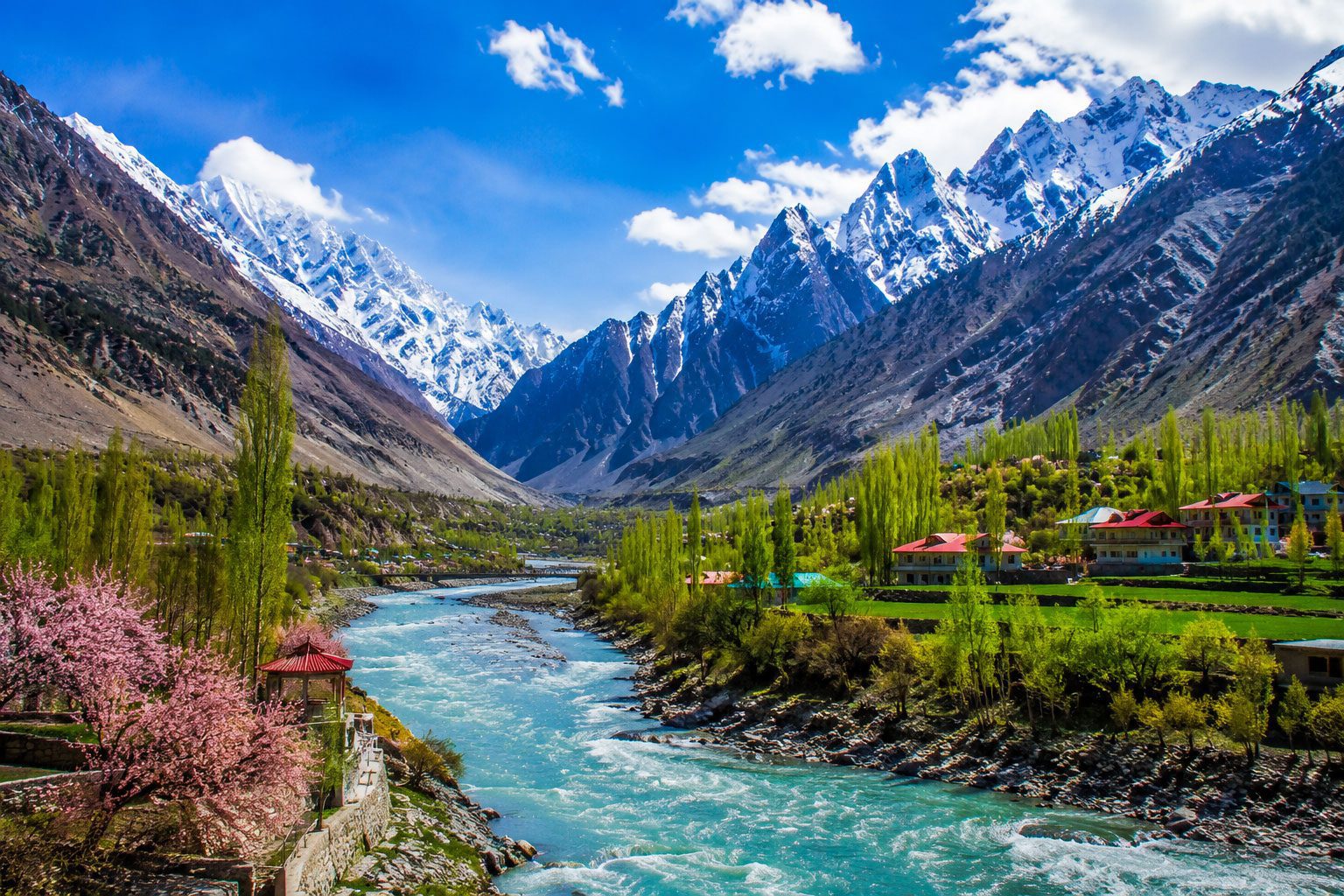

Hidden Valleys in Gilgit Baltistan. When it comes to breathtaking landscapes, Gilgit Baltistan stands as one of the most enchanting regions in Pakistan. Famous for its majestic mountains, crystal-clear lakes, and untouched valleys, this destination attracts explorers from across the world. However, beyond the well-known spots like Hunza or Skardu, there are hidden valleys waiting to be discovered. These valleys offer a unique blend of natural beauty, cultural heritage, and thrilling adventures that make every trip unforgettable.
Traveling through these valleys is not just about sightseeing; it is about experiencing the raw charm of nature. Moreover, the people of Gilgit Baltistan are known for their warm hospitality, making every visitor feel welcomed. Whether you are a solo traveler seeking peace, a photographer searching for perfect landscapes, or an adventurer chasing thrilling hikes, the hidden valleys provide endless opportunities.
Hidden Valleys in Gilgit Baltistan Travel Guide
In addition, the region’s diverse culture enriches your journey. You will find ancient traditions, unique cuisines, and local festivals that reflect the soul of northern Pakistan. Furthermore, each valley has its own story—some are filled with legends of history, while others remain untouched, offering a pure escape from modern chaos.
Planning a trip to these hidden gems requires proper guidance. That is why this travel guide is designed to help you explore the best valleys, plan your routes, and make your journey smooth and memorable. Above all, it encourages you to embrace responsible tourism, ensuring that the natural beauty of Gilgit Baltistan remains preserved for generations to come.
With this guide, your adventure into the hidden valleys of Gilgit Baltistan will be easier, richer, and far more exciting. So, pack your bags, prepare your camera, and get ready to step into a world of wonders.
Top Hidden Valleys Worth Exploring
1. Hopper Valley
Hopper Valley, located near Nagar, is one of the most stunning yet less crowded destinations in Gilgit Baltistan. Surrounded by snow-capped peaks like Spantik and Diran, this valley offers breathtaking views and peaceful landscapes. The Hopper Glacier adds to its charm, creating an incredible backdrop for nature lovers and photographers. Additionally, the local culture provides visitors with unique traditions, delicious food, and unforgettable hospitality.
2. Bagrot Valley
Another hidden treasure is Bagrot Valley, located just a short drive from Gilgit city. Known for its lush green fields, flowing rivers, and fruit orchards, Bagrot offers a serene escape from the chaos of city life. Furthermore, it serves as a starting point for several treks leading into the Karakoram Range. Travelers will find it perfect for adventure, yet equally enjoyable for those seeking calm surroundings.
3. Rupal Valley
Nestled at the base of the world’s ninth-highest mountain, Nanga Parbat, Rupal Valley is an extraordinary destination. Unlike the more popular Fairy Meadows, Rupal remains quiet and less crowded. As a result, it provides travelers with an intimate experience of mountain life. Hiking opportunities, breathtaking scenery, and cultural interaction with locals make this valley an essential stop for adventurers.
4. Yasin Valley
Located in the Ghizer District, Yasin Valley is full of charm, history, and culture. This valley has been home to ancient traditions and folklore that fascinate every visitor. In addition, the dramatic landscapes with rivers, meadows, and high peaks make it a dream for nature lovers. Travelers can enjoy trekking, fishing, or simply connecting with the locals who proudly preserve their heritage.
5. Basho Valley
Basho Valley, near Skardu, is a hidden paradise surrounded by pine forests and fresh mountain streams. Unlike the busier Skardu city, Basho offers tranquility and unspoiled beauty. Moreover, it is an ideal destination for camping under starry skies. For families, adventurers, or honeymooners, Basho Valley provides a peaceful yet adventurous experience.
Why These Valleys are Worth Visiting
Unspoiled Nature
The hidden valleys of Gilgit Baltistan remain largely untouched by mass tourism. Consequently, travelers can enjoy pure, natural beauty without the distractions of commercial development. Towering mountains, alpine forests, and flowing rivers create postcard-perfect scenery that feels like stepping into another world.
Rich Culture and Traditions
Every valley carries its own cultural identity. From unique languages to traditional music, the local communities proudly protect their heritage. Furthermore, visitors often enjoy homemade food, folk stories, and festivals that showcase the vibrant lifestyle of the people.
Adventure Opportunities
For thrill-seekers, these valleys are filled with possibilities. Trekking, camping, and photography are just the beginning. In addition, some valleys serve as gateways to higher peaks and glaciers, making them attractive for professional climbers.
Warm Hospitality
The people of Gilgit Baltistan are famous for their kindness. Travelers are not only welcomed with open arms but also treated like family. This warm hospitality adds emotional depth to every journey, making the trip memorable long after it ends.
Travel Tips for Exploring Hidden Valleys
Best Time to Visit
-
Spring (April–May): Valleys bloom with flowers and greenery.
-
Summer (June–August): Ideal for trekking, camping, and road trips.
-
Autumn (September–October): Stunning colors take over the valleys.
-
Winter (November–March): Harsh yet magical; best for experienced travelers.
How to Reach
-
By Road: The Karakoram Highway connects most areas to Gilgit and Skardu. From there, jeeps or local transport take you deeper into the valleys.
-
By Air: Flights from Islamabad to Gilgit or Skardu save time, although weather often affects schedules.
What You Should Pack for Hidden Valleys in Gilgit Baltistan
-
Warm clothing for cold nights → Nights in the mountains get very cold, even in summer. Carry jackets, sweaters, and socks to stay warm.
-
Trekking shoes for rough terrain → The roads and paths are rocky. Comfortable trekking shoes will protect your feet and make walking easier.
-
Portable charger and flashlight → Electricity is not always available in remote areas. A power bank keeps your phone charged, and a flashlight helps you see at night.
-
Reusable water bottle to reduce plastic waste → Carry one strong water bottle instead of buying plastic bottles. You can refill it with clean water and help keep nature safe.
-
First-aid kit for emergencies → Sometimes small cuts, headaches, or stomach problems can happen. A small medical kit with basic medicines will be very helpful.
Safety Precautions
Travelers should always inform someone about their route. In addition, carrying local guides is highly recommended, since they provide knowledge and ensure safety. While crime is extremely rare, natural conditions like landslides can occur. Staying updated on weather forecasts helps avoid sudden risks.
Responsible Tourism in Gilgit Baltistan
Respect Local Culture
When traveling through hidden valleys, respect for local traditions is crucial. Dress modestly, ask permission before taking photos, and always support local businesses.
Preserve Nature
These valleys remain beautiful because they are less affected by human interference. Therefore, travelers should avoid littering, minimize campfire use, and carry eco-friendly products. By doing so, the environment remains clean and safe for future generations.
Support Local Communities
Purchasing handmade crafts, eating local food, and hiring regional guides not only enrich your journey but also support the community financially. Moreover, this creates sustainable tourism that benefits both visitors and locals.
Sample 7-Day Itinerary for Hidden Valleys
Day 1: Arrival in Gilgit: Beginning Your Journey
To begin with, arrive in Gilgit and take some time to rest after your travel. Afterward, stroll through the vibrant local bazaar where you can explore handicrafts, traditional food, and interact with friendly locals.
Day 2: Towards Bagrot Valley: First Trek Experience
Next, head towards Bagrot Valley, which is known for its serene beauty and welcoming villages. In addition, enjoy a short trek surrounded by snow-capped peaks. Finally, spend the night in a peaceful guesthouse or camp under the stars.
Day 3: Exploring Hopper Valley: Glaciers and Culture
After breakfast, continue your journey to Hopper Valley. Moreover, visit the breathtaking Hopper Glacier, where stunning views of Spantik and Ultar peaks await. Furthermore, meet the local community to learn about their traditional lifestyle before settling in for the evening.
Day 4: Journey to Yasin Valley: Culture and Camping
Then, drive towards Yasin Valley, passing through lush green landscapes along the way. Besides enjoying scenic beauty, you will also have a chance for cultural interaction with hospitable villagers. Ultimately, end the day with camping in a refreshing environment.
Day 5: Adventure in Rupal Valley: Hiking Near Nanga Parbat
On the fifth day, travel to Rupal Valley, one of the most picturesque spots in Gilgit Baltistan. Not only can you hike near the mighty Nanga Parbat, but you can also capture unforgettable photographs of the mountain. In the evening, rest in a cozy guesthouse.
Day 6: Basho Valley: Camping and Stargazing
Subsequently, move towards Basho Valley, which is famous for its pine forests and clear skies. Additionally, set up camp, enjoy stargazing, and engage in night photography. As a result, this day will leave you with magical memories.
Day 7: Return Journey: Gilgit or Skardu
Finally, conclude your adventure by returning to either Gilgit or Skardu. At this point, prepare for departure while reflecting on the unforgettable experiences from the hidden valleys of Gilgit Baltistan.
FAQs
Q1. What is the best time to visit the hidden valleys of Gilgit Baltistan?
The best time is from April to October. Spring and summer are perfect for trekking, while autumn offers colorful scenery. Winters are very cold and only suitable for experienced travelers.
Q2. How can I reach the hidden valleys in Gilgit Baltistan?
You can reach Gilgit or Skardu by road on the Karakoram Highway or by flight from Islamabad. From there, jeeps and local transport will take you into the valleys.
Q3. Is it safe to travel to remote valleys in Gilgit Baltistan?
Yes, the region is safe and people are very welcoming. However, travelers should check weather updates, carry a local guide, and inform someone about their travel plan for safety.
Q4. What should I pack for my trip to the hidden valleys?
Carry warm clothes, trekking shoes, a reusable water bottle, a portable charger, a flashlight, and a small first-aid kit. These essentials make your journey easier and safer.
Q5. Do I need a guide to explore these valleys?
A guide is not always necessary but highly recommended. Local guides know the best routes, help with language, and ensure your trip is safe and enjoyable.
Q6. Can families and beginners visit these valleys?
Yes, many valleys like Bagrot, Hopper, and Basho are family-friendly. But for high-altitude treks like Rupal Valley, some experience and fitness are needed.
Q7. How can I travel responsibly in Gilgit Baltistan?
Respect local culture, avoid littering, support local businesses, and use eco-friendly products. This helps protect nature and supports the community.
Final Thoughts
Hidden valleys in Gilgit Baltistan are more than just destinations; they are gateways to nature, culture, and unforgettable experiences. Unlike crowded tourist spots, these valleys remain authentic, offering peace and adventure at the same time. Moreover, with careful planning and respect for local communities, your journey becomes both enjoyable and responsible. Whether you seek thrilling treks, cultural immersion, or simply the beauty of untouched landscapes, the hidden valleys of Gilgit Baltistan will leave you inspired and longing to return.
Want to read more about trip trial
Big Shoutout to the guys who made this blog happen UDM.